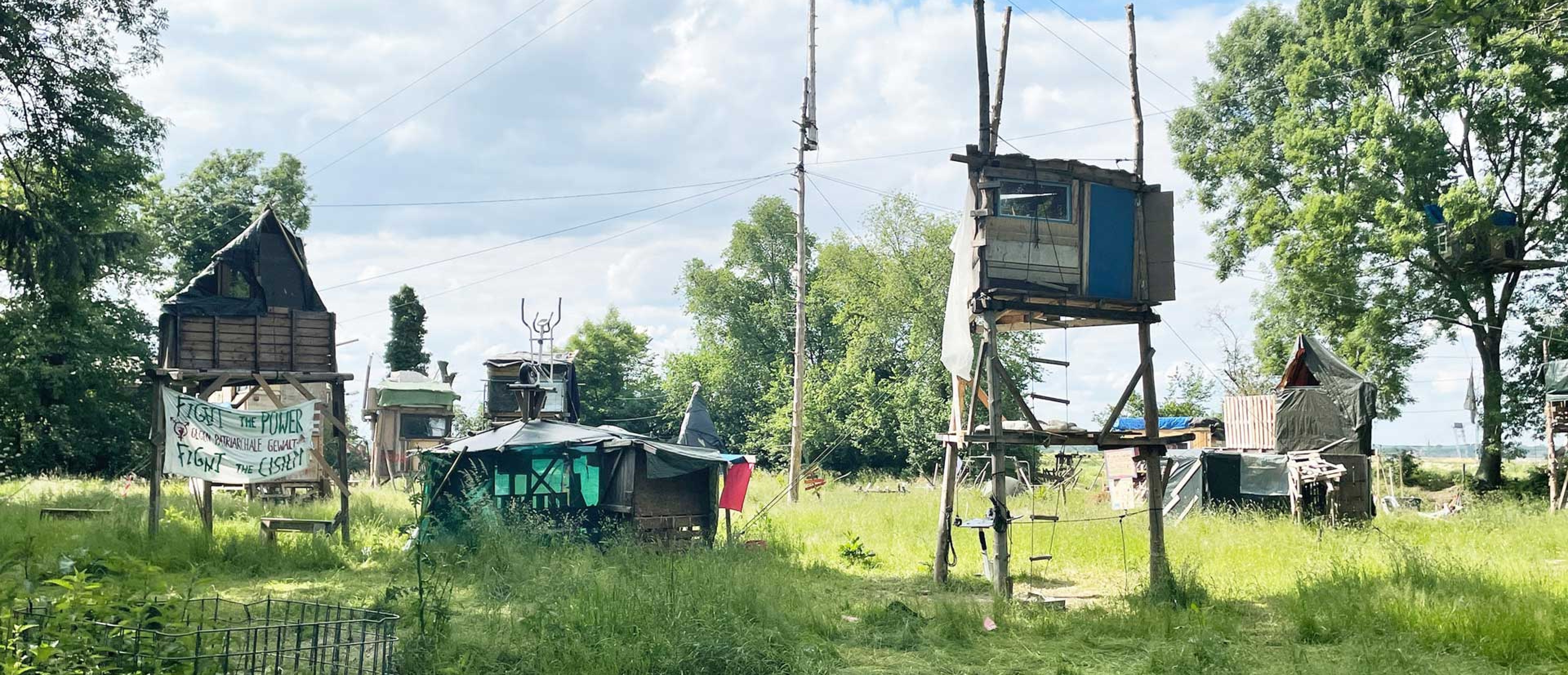
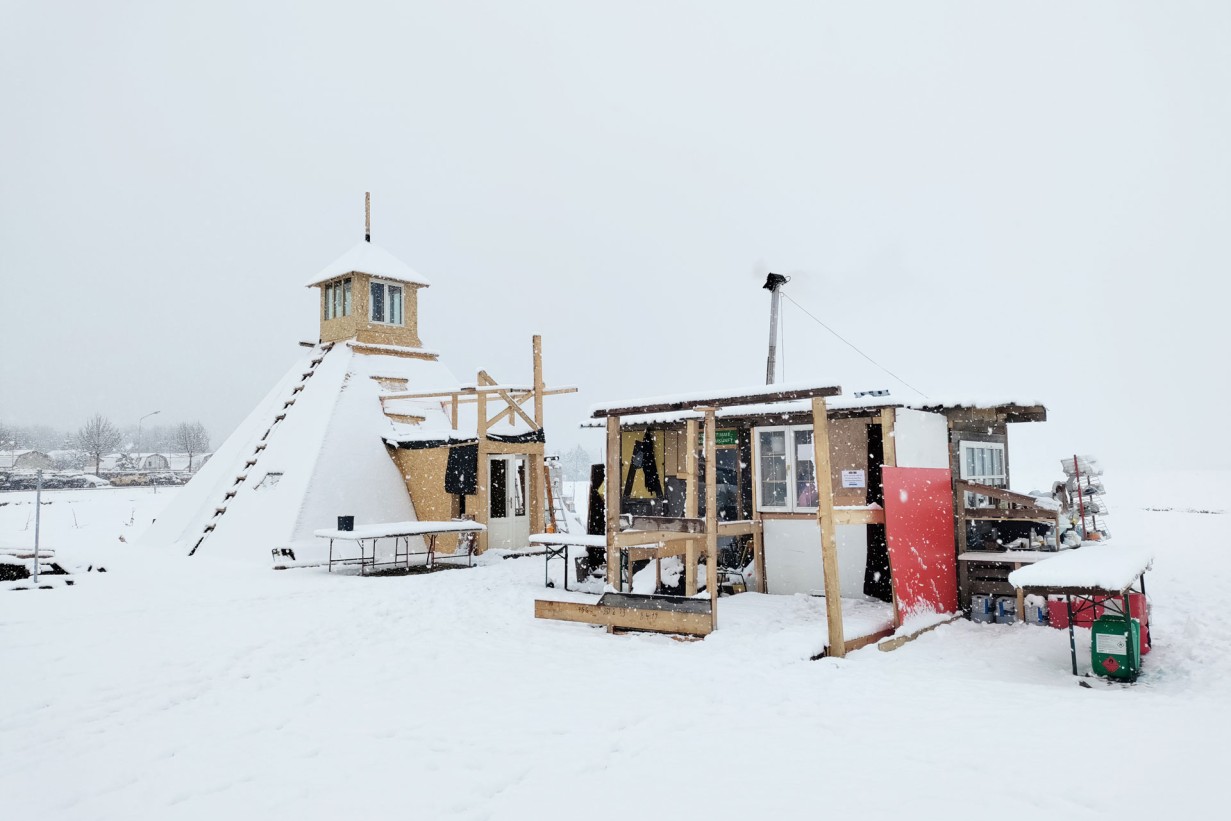
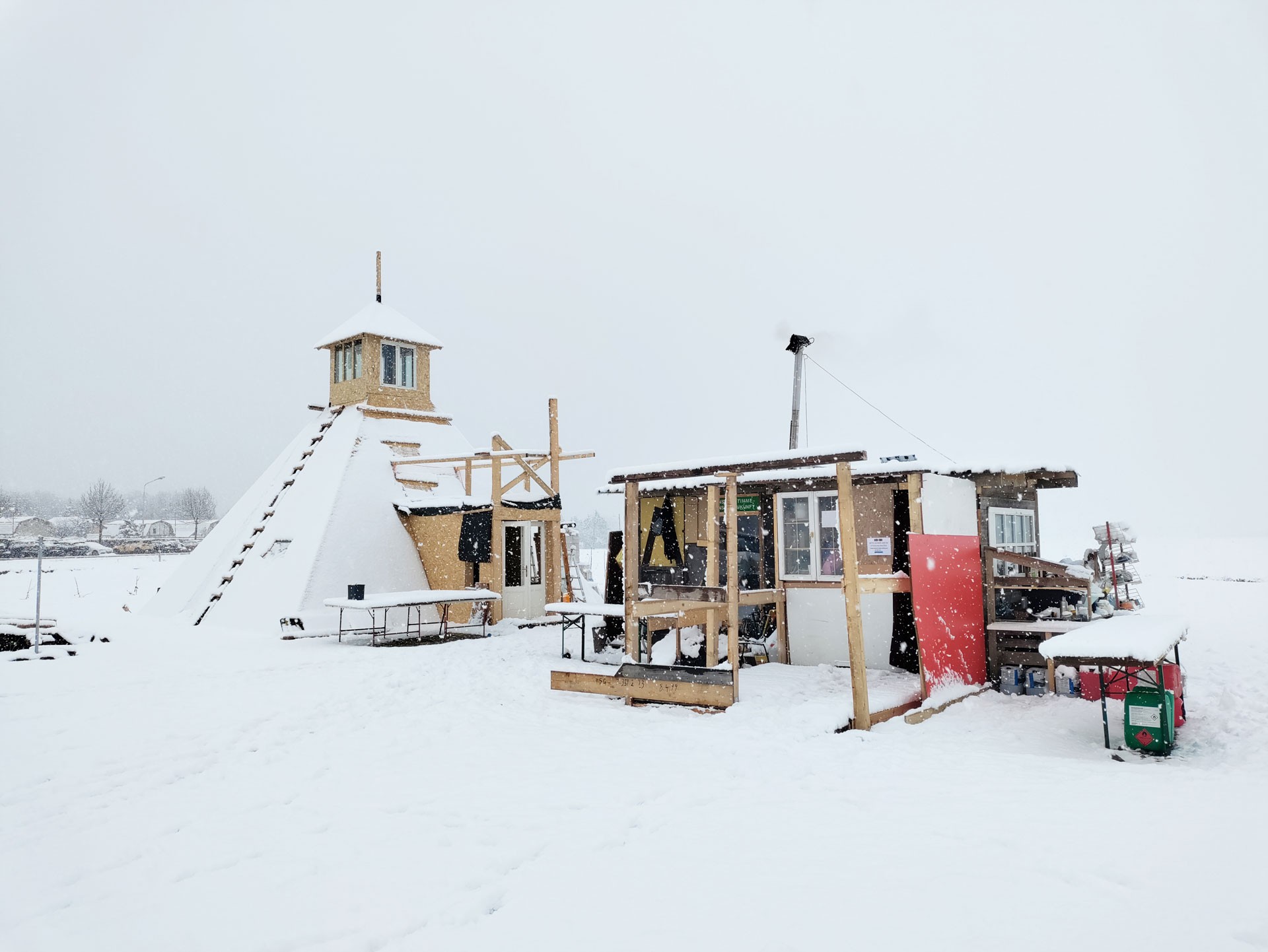
© Photo: Anna-Maria Mayerhofer, 30 May 2022 (CC BY-NC-ND 4.0)
Previous Image
Protests have to be disruptive to be effective. When protest movements extend into public space and take root there, when they blockade, defend, and seize these spaces, they produce protest architecture.
14.2.2024—25.8.2024
Upper Exhibition Hall
The exhibition PROTEST/ARCHITECTURE: Barricades, Camps, Superglue explores the spatial aspects of protest cultures. The focus is on political movements that have manifested themselves in public space and produced specific architecture and design objects. The research for the exhibition revealed an ambivalent, often utopian and sometimes risky spectrum: it ranges from the fighting at the barricades during the July Revolution of 1830 in Paris to protesters using their bodies in the numerous protest camps that can be found in almost all regions of the world today.
Intricately detailed models made at the Technical University of Munich and the Hochschule für Technik Stuttgart (Prof. Andreas Kretzer) depict a broad range of protest camps, from Resurrection City in Washington in 1968 through to the Austrian “LobauBleibt!” movement of 2021/22. Forty “ground-based structures” from Lützerath, mostly pile structures, were documented by Rokas Wille (Karlsruhe University of Arts and Design) by way of models made of photographic paper, while director Oliver Hardt produced a film installation for the exhibition. In coordination with activists, a suspension bridge from the Hambach Forest was able to be secured as an exhibit. The hanging model of the Beechtown barrio by artist Stephan Mörsch also shows the Hambach Forest occupation. Furthermore, the “LobauBleibt!” protests are documented by two films by the artists Oliver Ressler and Christoph Schwarz and Extinction Rebellion Austria made one of their tensegrity structures available for the show. The exhibition architecture was created by Something Fantastic.
In the form of an encyclopedia, the publication accompanying this exhibition presents a wide-ranging field of references from 1930 to 2023, from A for Abschütten to Z for Zwentendorf.
Intricately detailed models made at the Technical University of Munich and the Hochschule für Technik Stuttgart (Prof. Andreas Kretzer) depict a broad range of protest camps, from Resurrection City in Washington in 1968 through to the Austrian “LobauBleibt!” movement of 2021/22. Forty “ground-based structures” from Lützerath, mostly pile structures, were documented by Rokas Wille (Karlsruhe University of Arts and Design) by way of models made of photographic paper, while director Oliver Hardt produced a film installation for the exhibition. In coordination with activists, a suspension bridge from the Hambach Forest was able to be secured as an exhibit. The hanging model of the Beechtown barrio by artist Stephan Mörsch also shows the Hambach Forest occupation. Furthermore, the “LobauBleibt!” protests are documented by two films by the artists Oliver Ressler and Christoph Schwarz and Extinction Rebellion Austria made one of their tensegrity structures available for the show. The exhibition architecture was created by Something Fantastic.
In the form of an encyclopedia, the publication accompanying this exhibition presents a wide-ranging field of references from 1930 to 2023, from A for Abschütten to Z for Zwentendorf.
Experience the exhibition aurally with the MAK Guide: no need to download and free to use! guide.MAK.at (only available in German).
In the form of an encyclopedia, the publication accompanying this exhibition presents a wide-ranging field of references from 1930 to 2023, from A for Abschütten to Z for Zwentendorf. Available in the MAK Design Shop and at makdesignshop.at
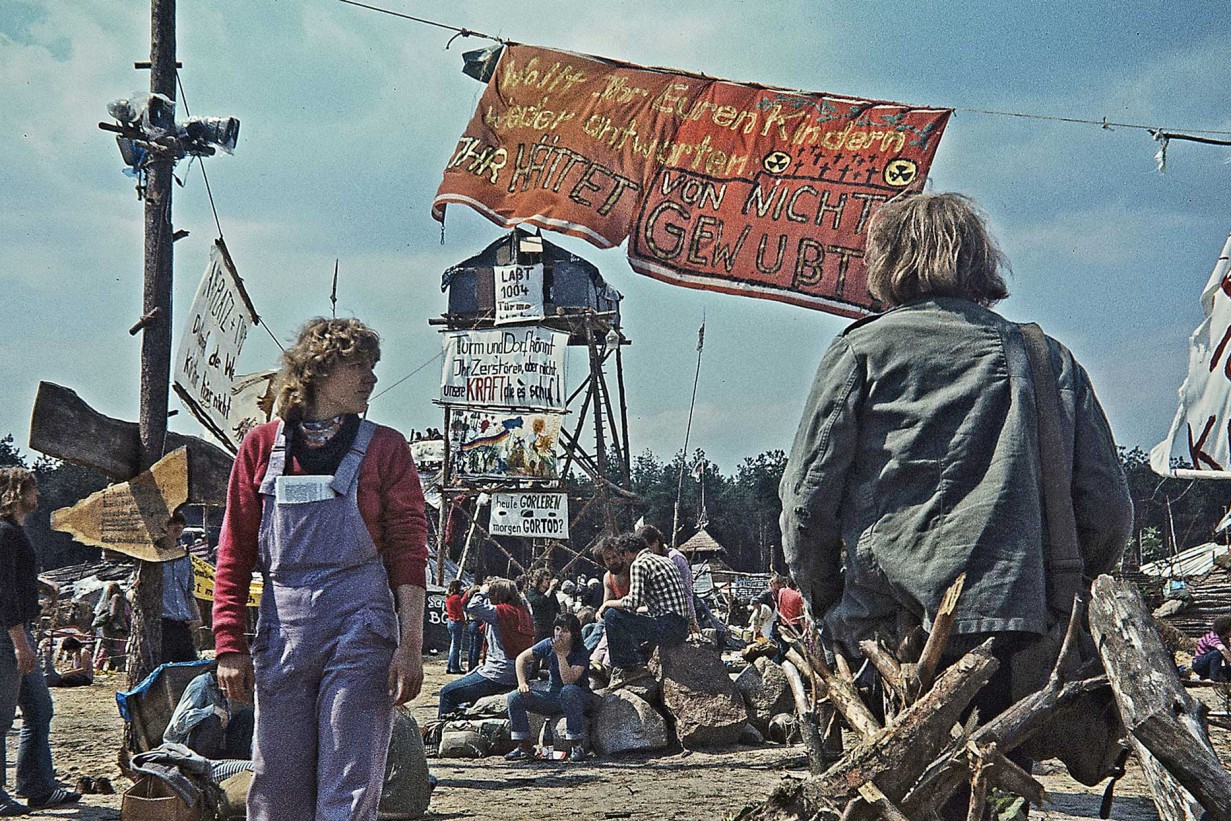
© Photo: © Hans-Hermann Müller, 31 May 1980, Wendland Archive
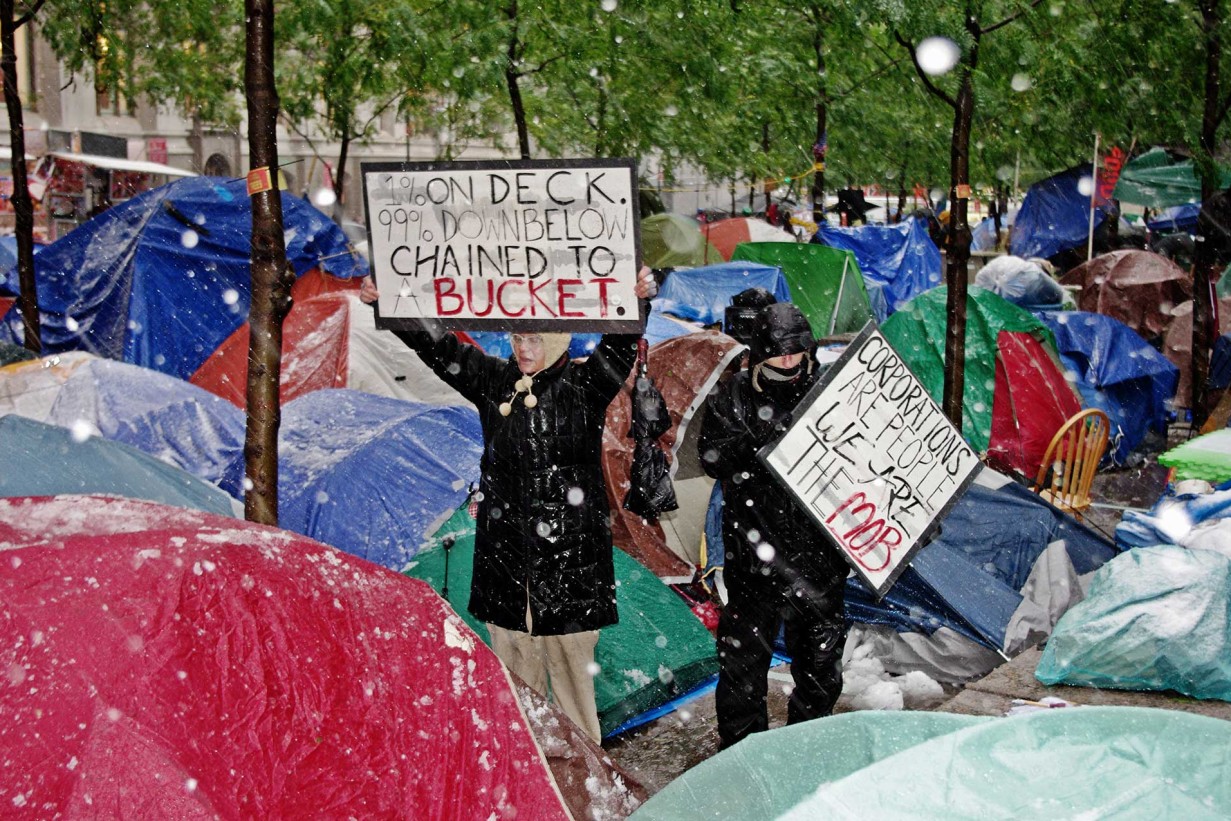
© Photo: David Shankbone, 29 October 2011 (CC BY 2.0)
© Photo: © Merle, 9 December 2021
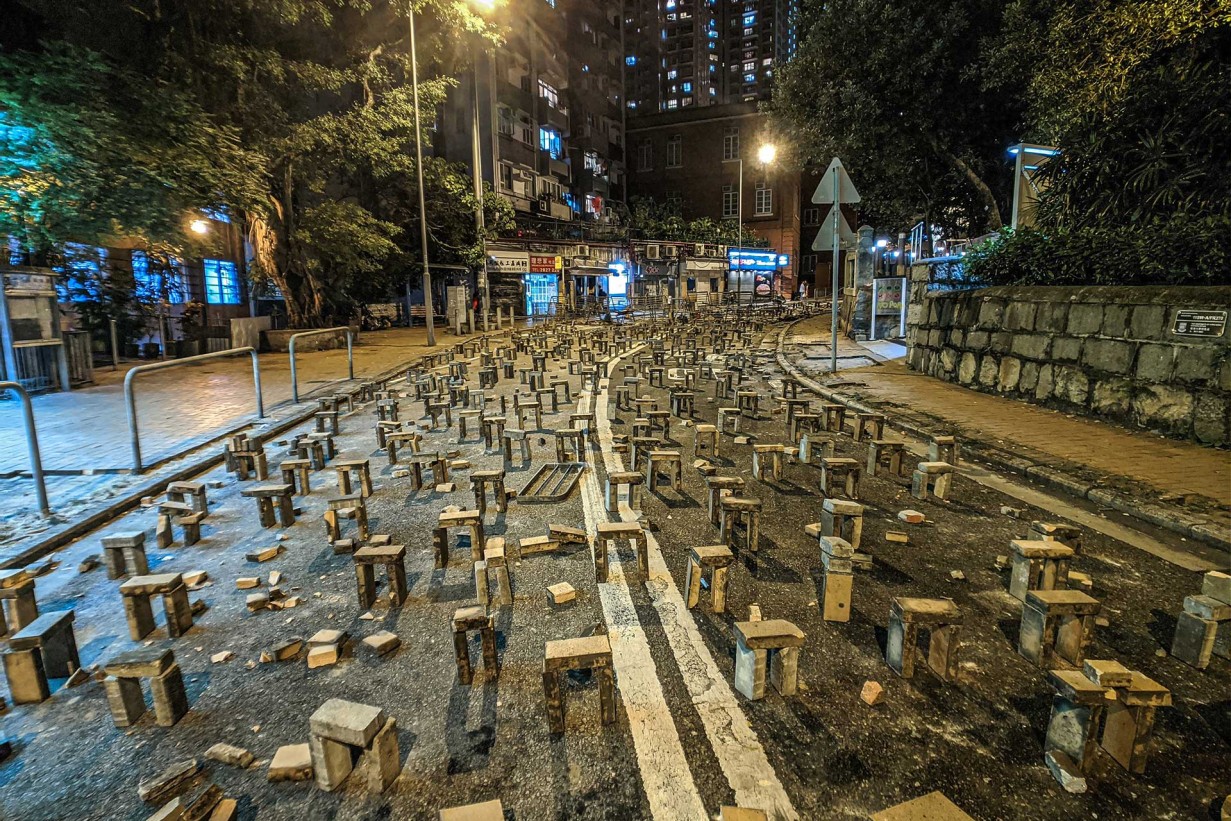
© Photo: Studio Incendo, 15 November 2019 (CC BY 2.0)
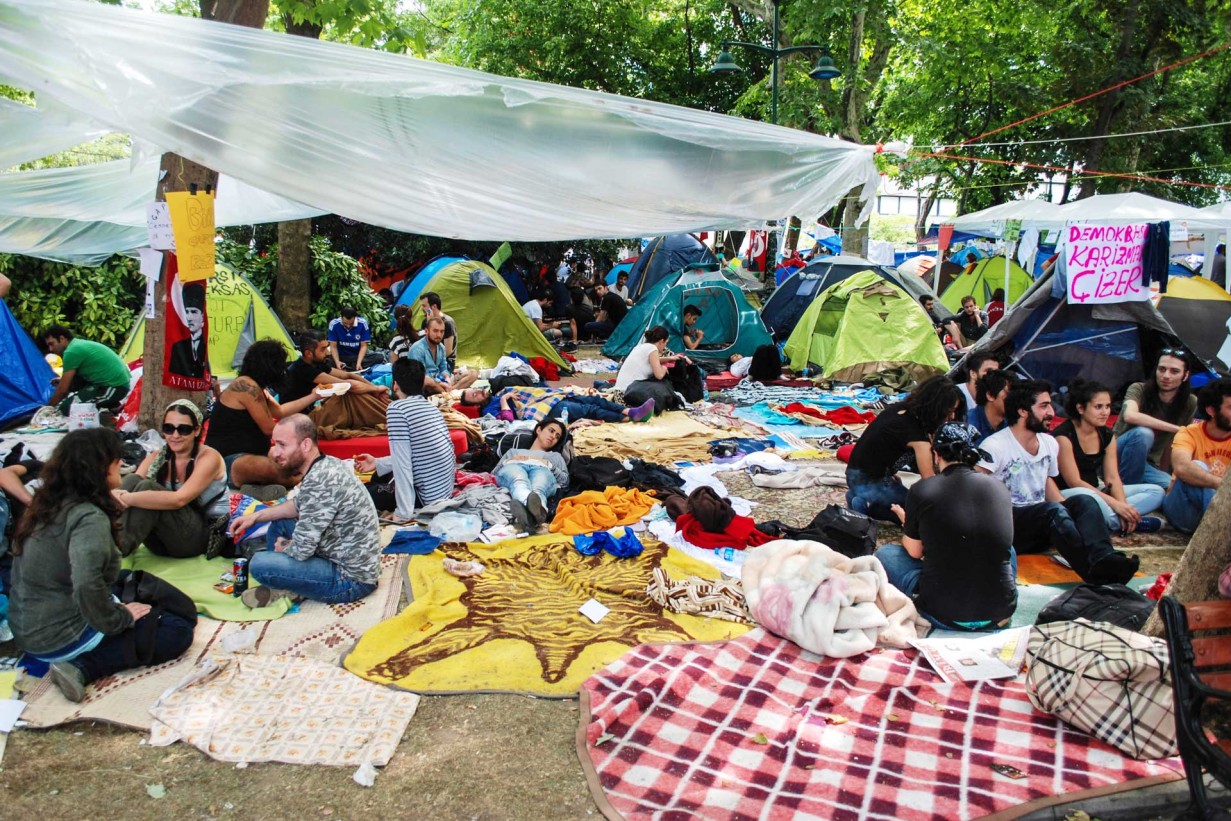
© Photo: Ian Usher, 8 June 2013 (CC BY-NC-SA 2.0)
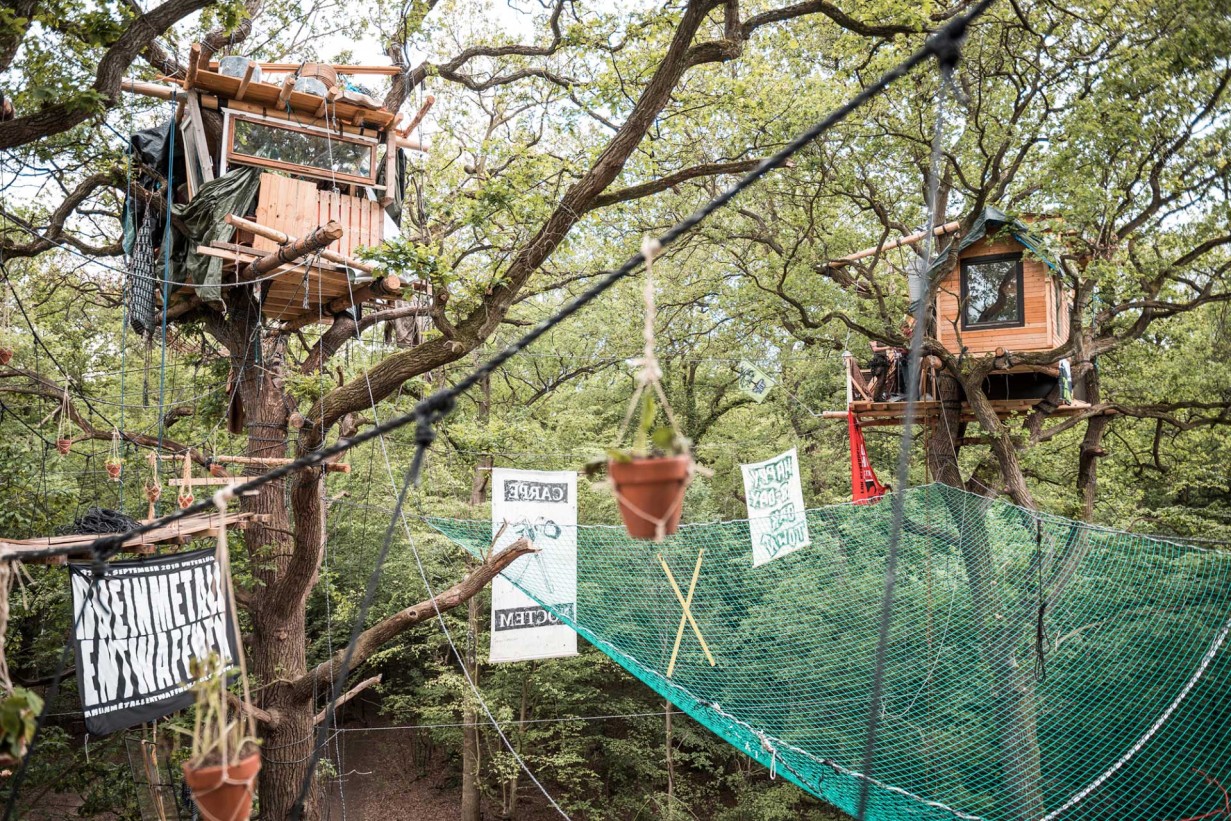
© Photo: © Tim Wagner, 26 May 2019
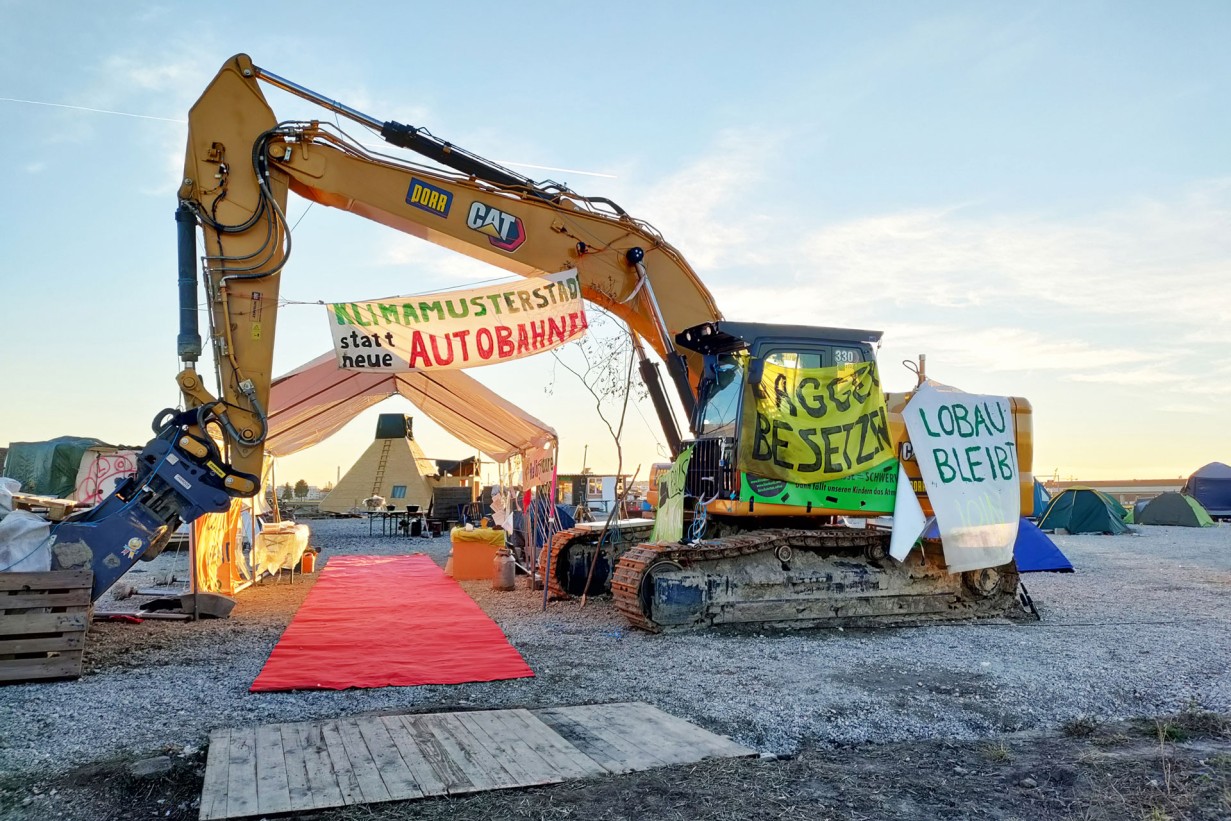
© Photo: © Merle, 23 November 2021
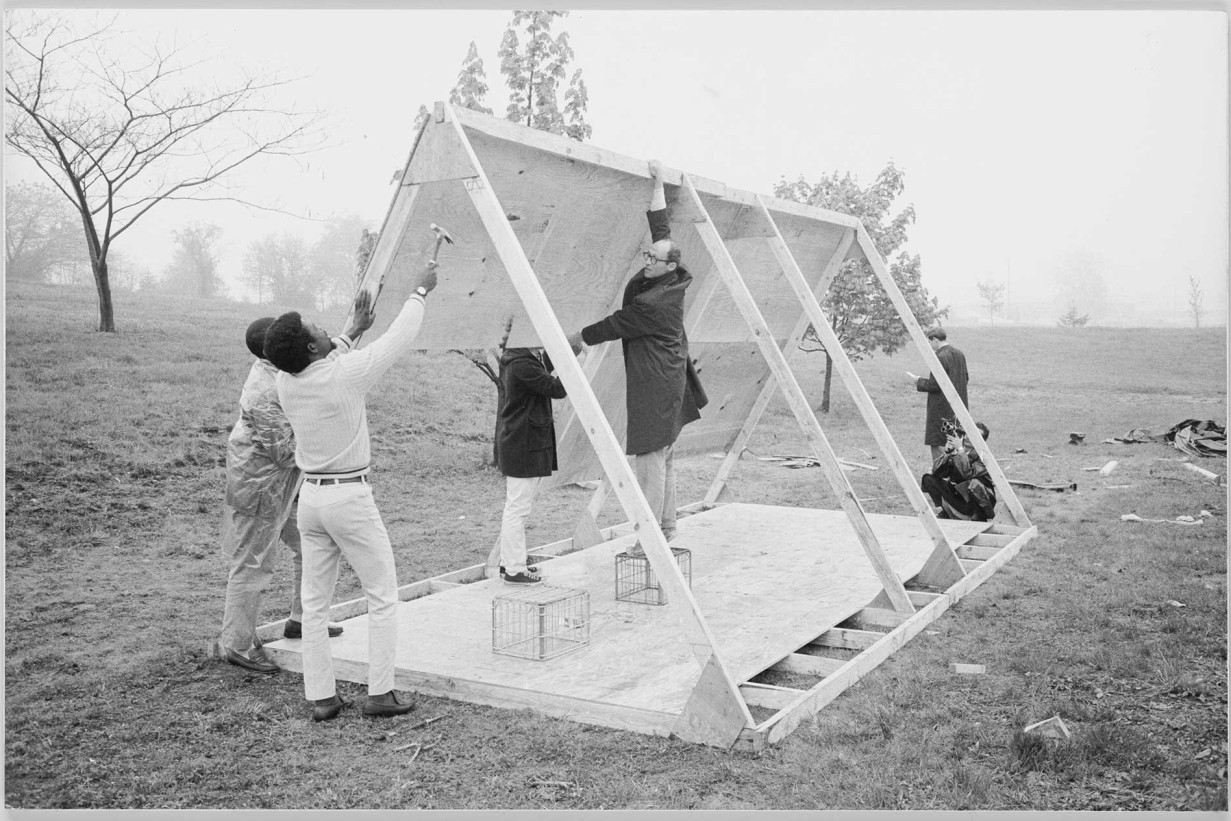
© Photo: Thomas O’Halloran, 1968, Collection of the Smithsonian National Museum of African American History and Culture, Gift of Abigail Wiebenson & sons, John, Derek & Sam in honor of John Wiebenson (Public domain)
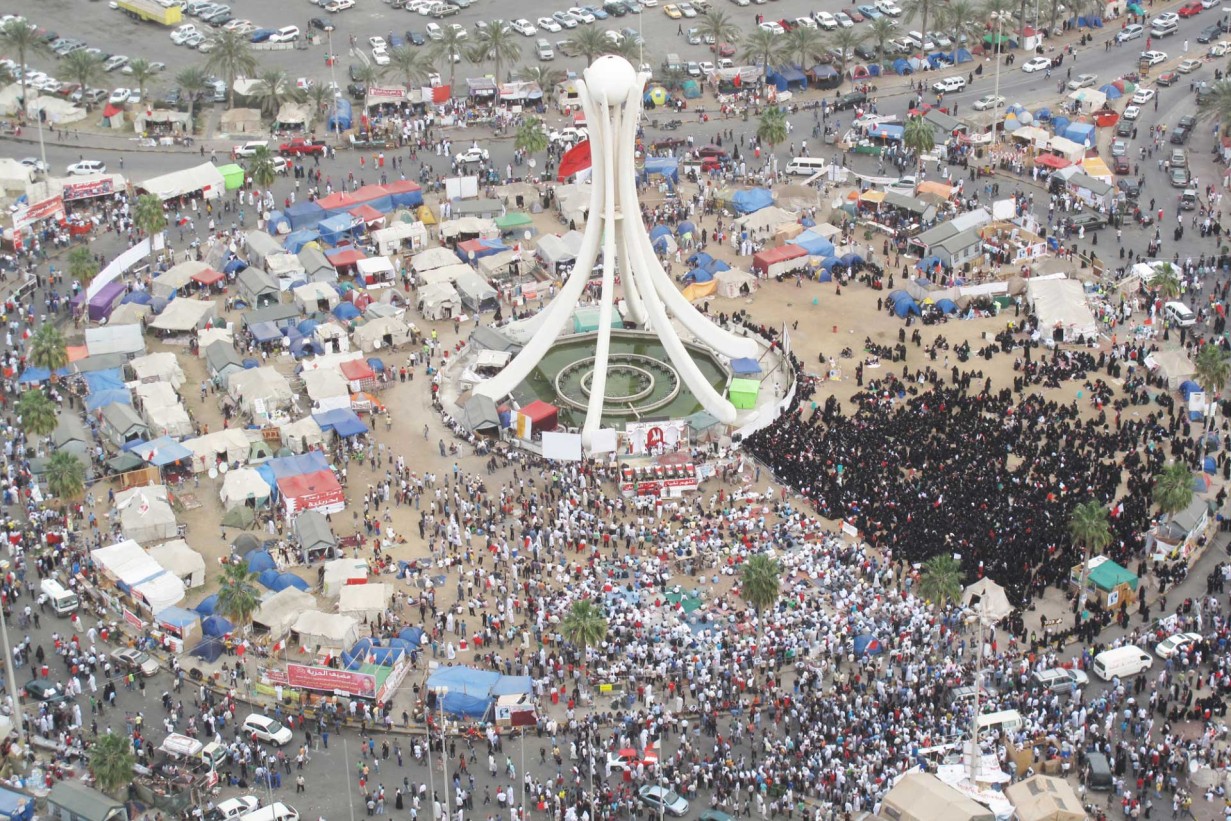
© Photo: bahrain.viewbook.com, 13 March 2011 (CC BY-SA 3.0)
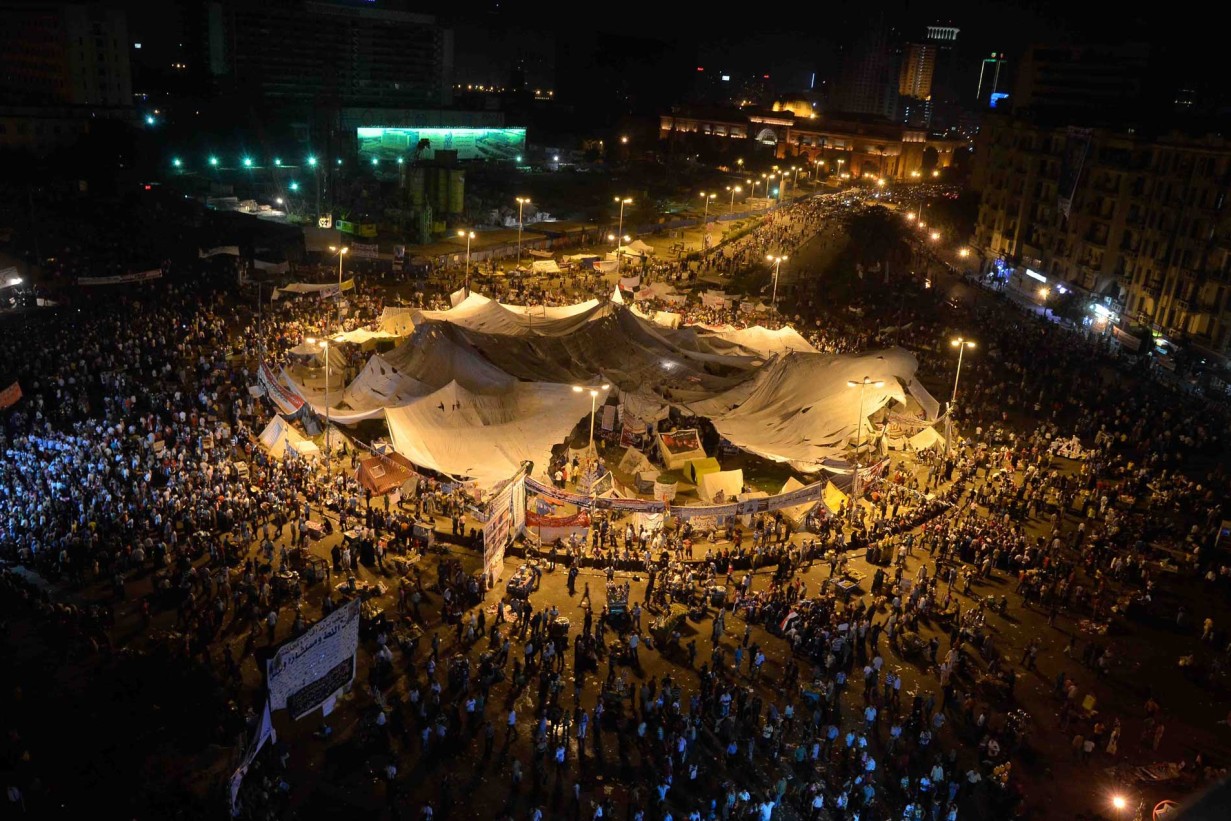
© Photo: Ahmed Abd El-Fatah, 15 July 2011 (CC BY-NC-SA 2.0)
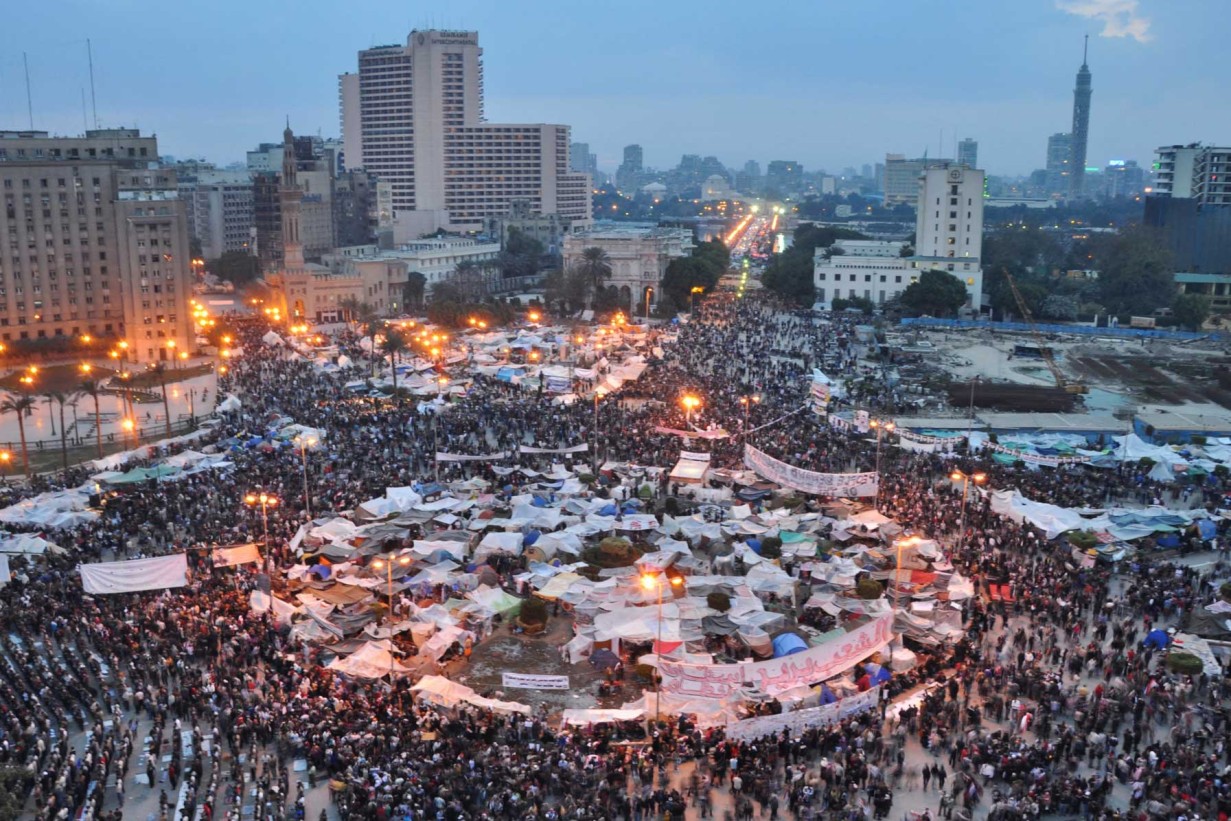
© Photo: Jonathan Rashad, 9 February 2011 (CC BY 2.0)
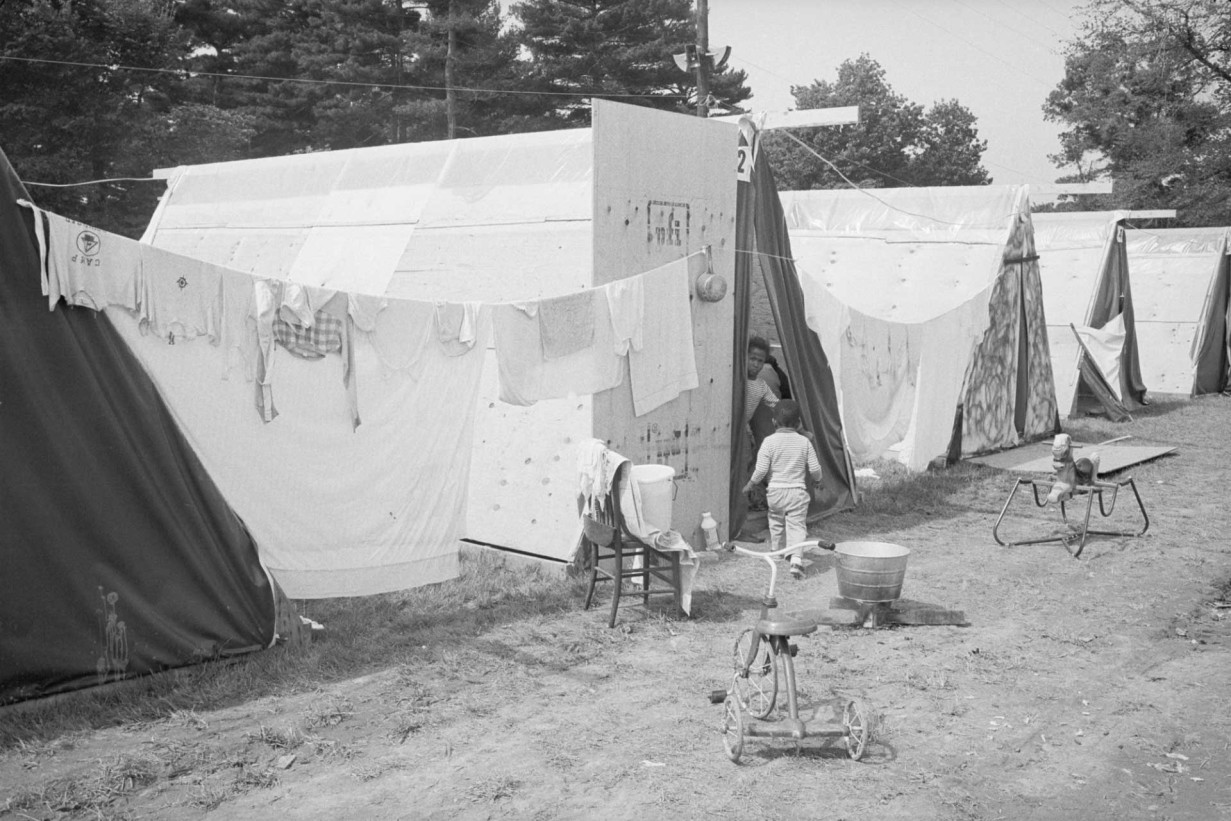
© Photo: Marion S. Trikosko, 21 May 1968, U.S. News & World Report magazine photograph collection, Library of Congress (Public domain)
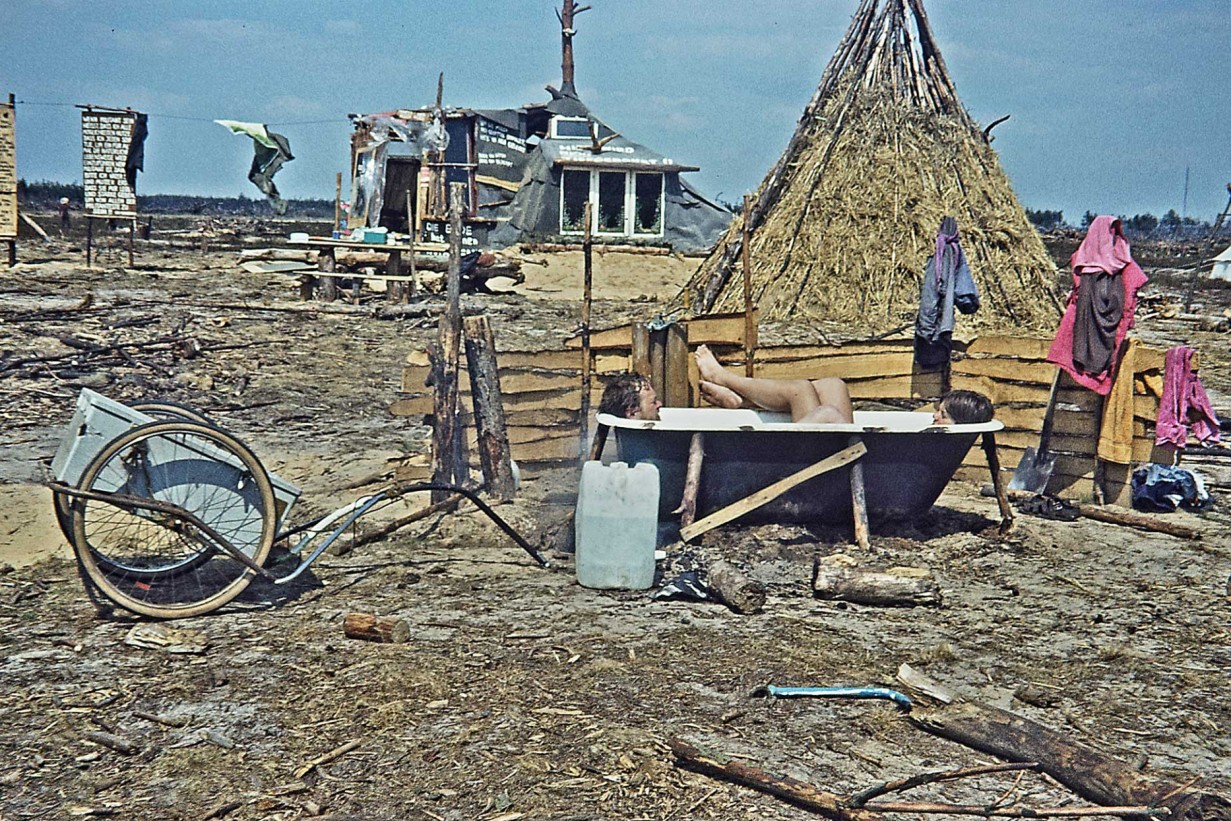
© Photo: © Hans-Hermann Müller, 31 May 1980, Wendland Archive
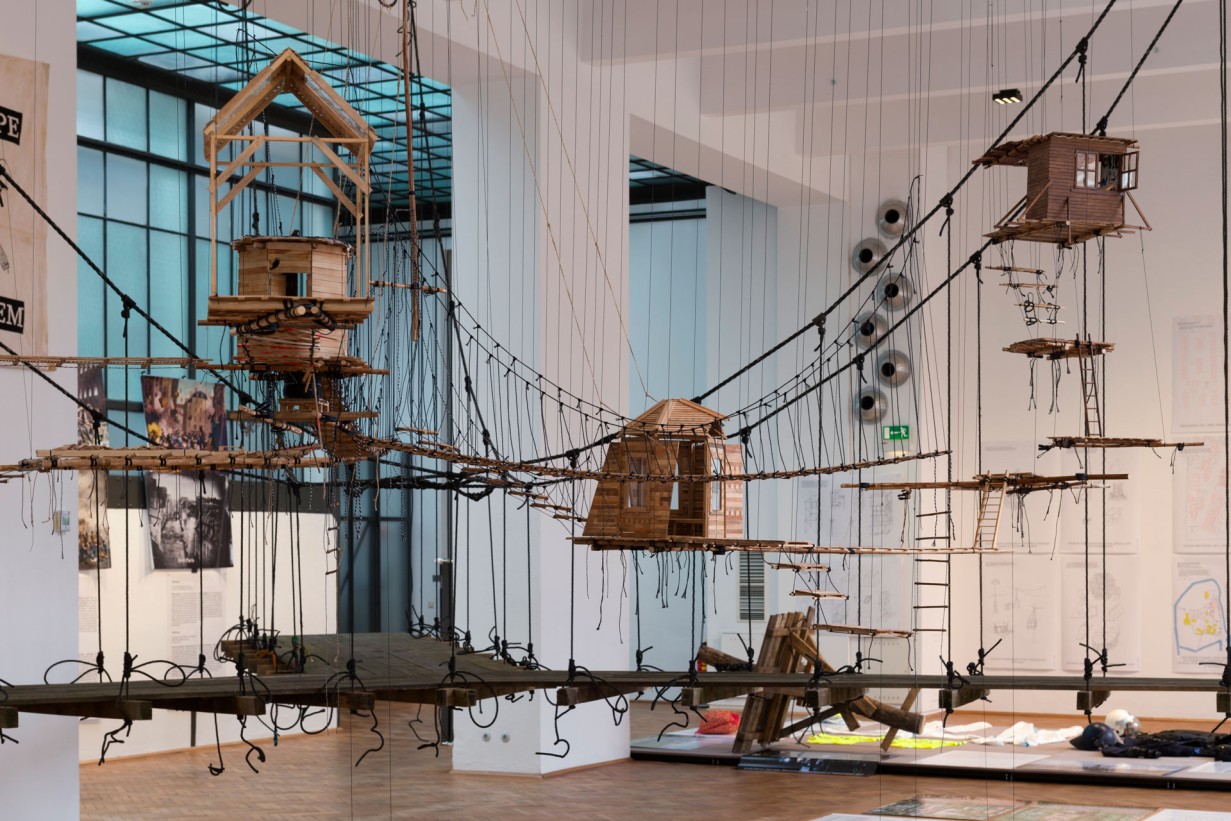
© Stefan Lux/MAK
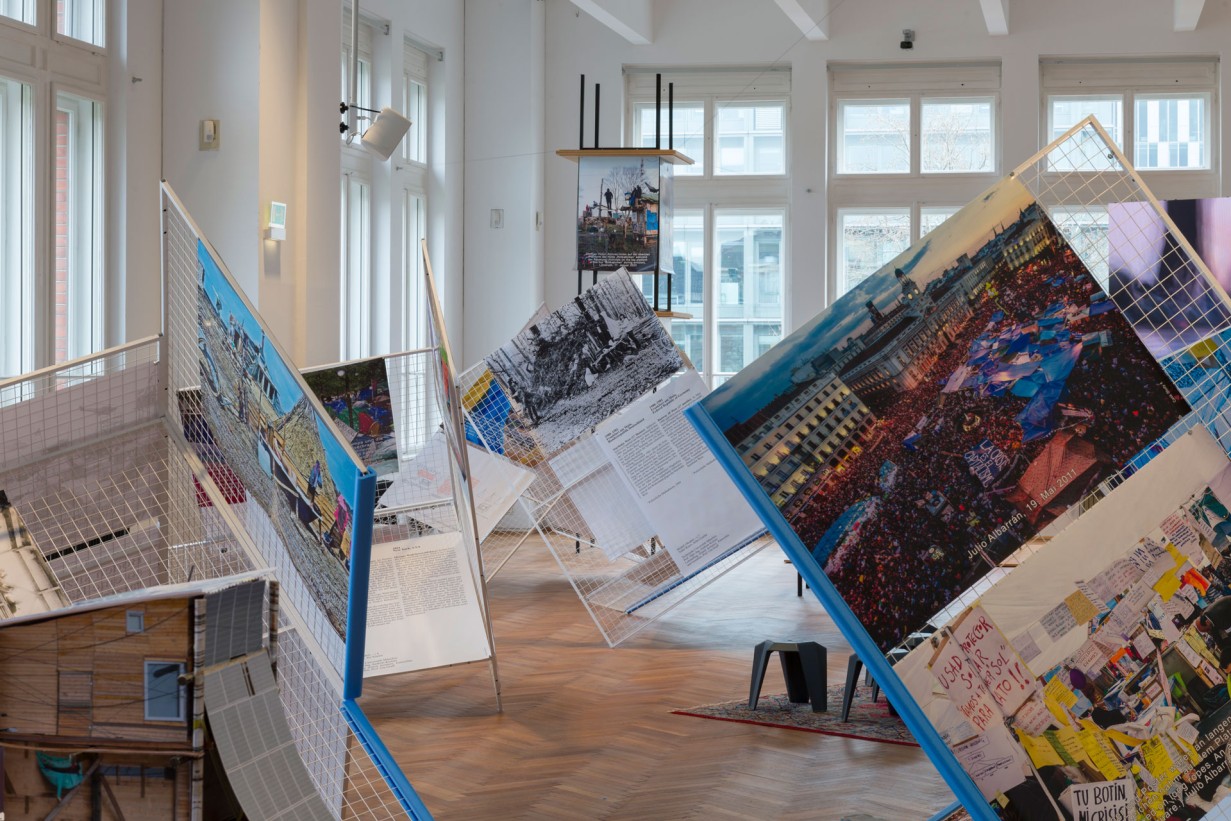
© Stefan Lux/MAK
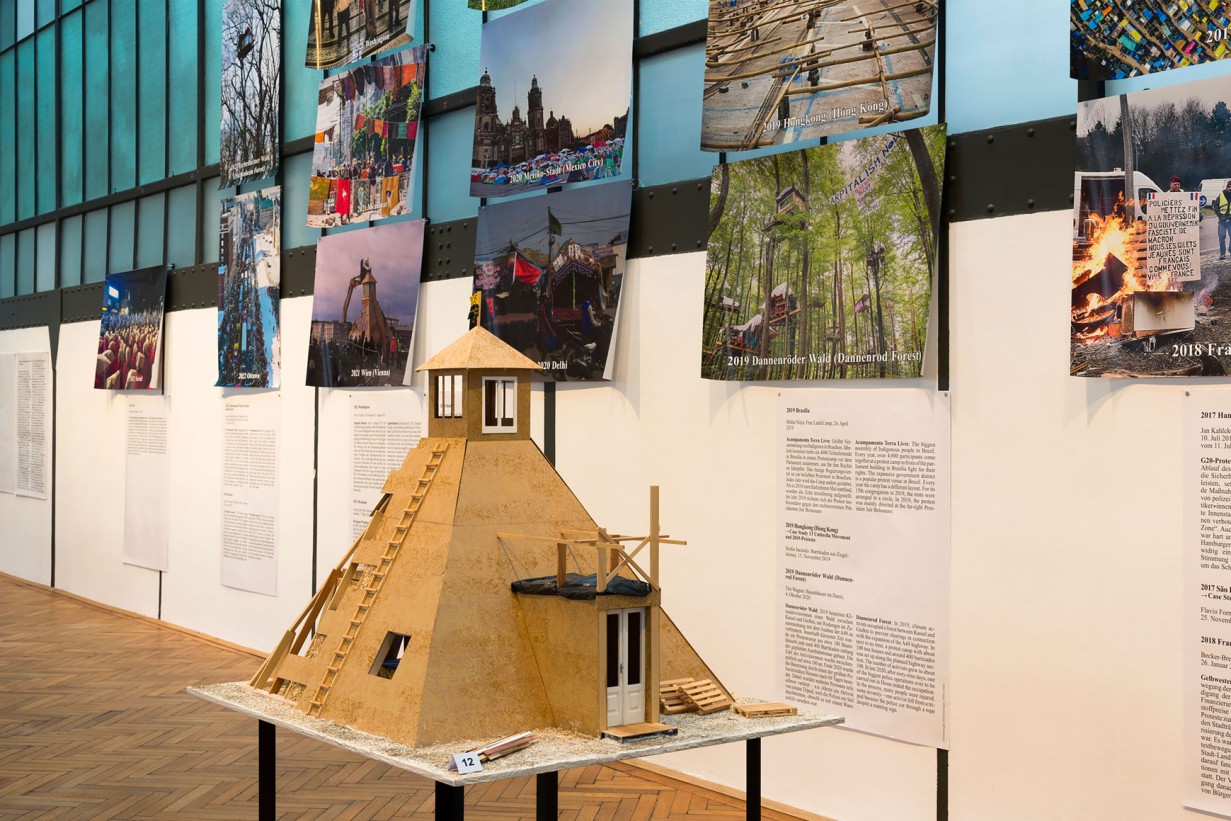
© Stefan Lux/MAK
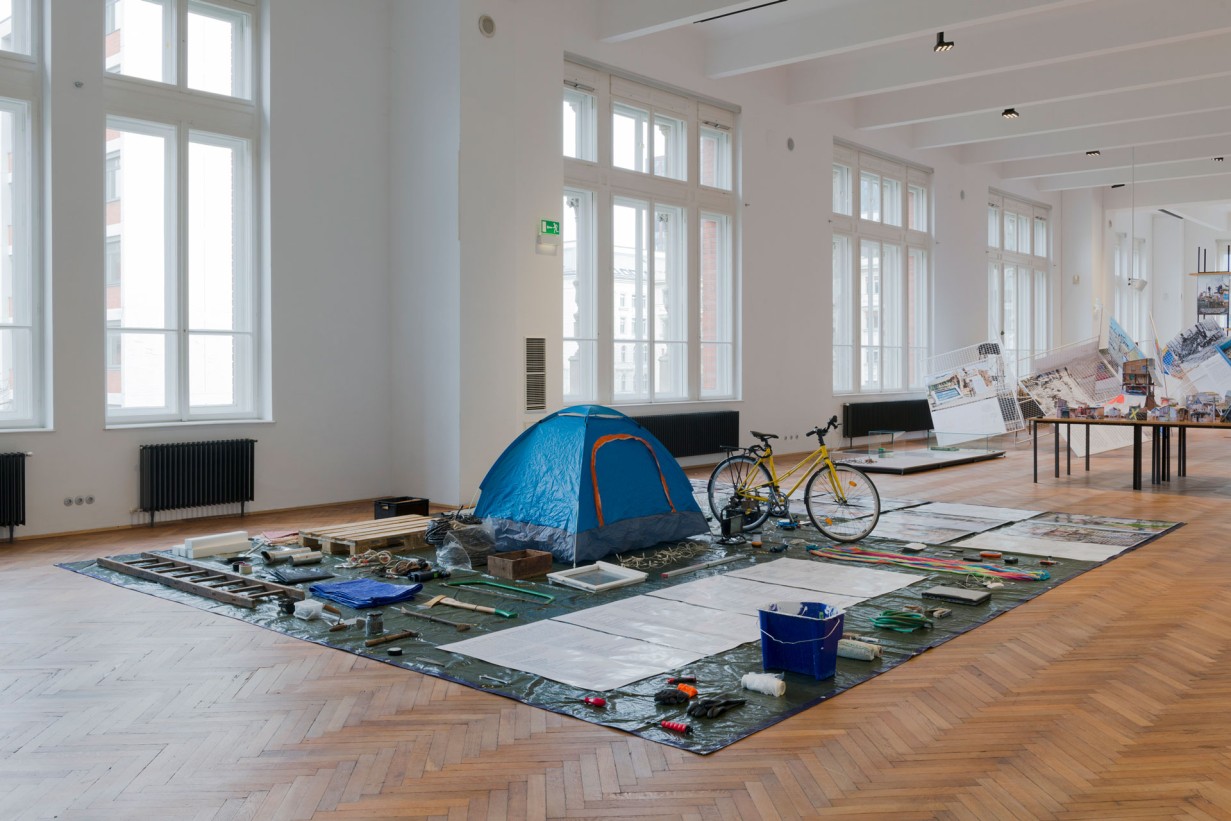
© Stefan Lux/MAK
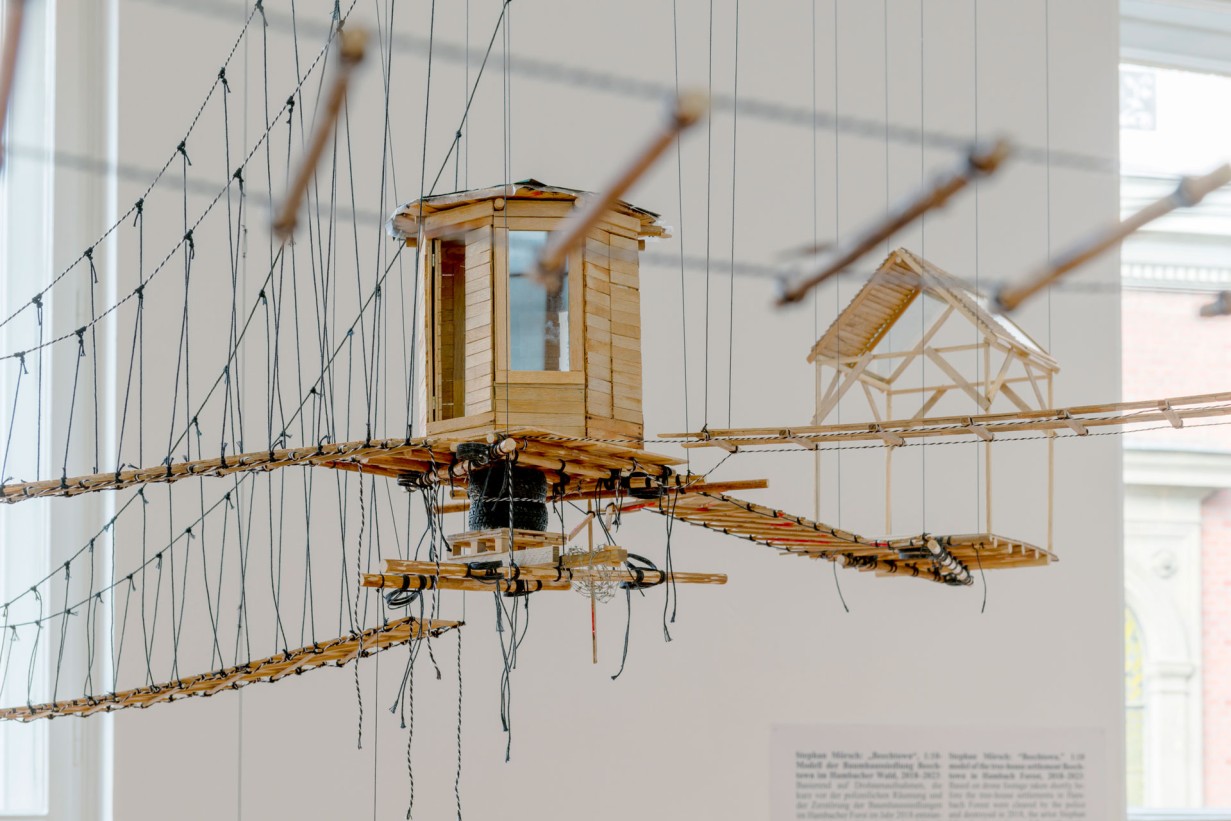
© Stefan Lux/MAK
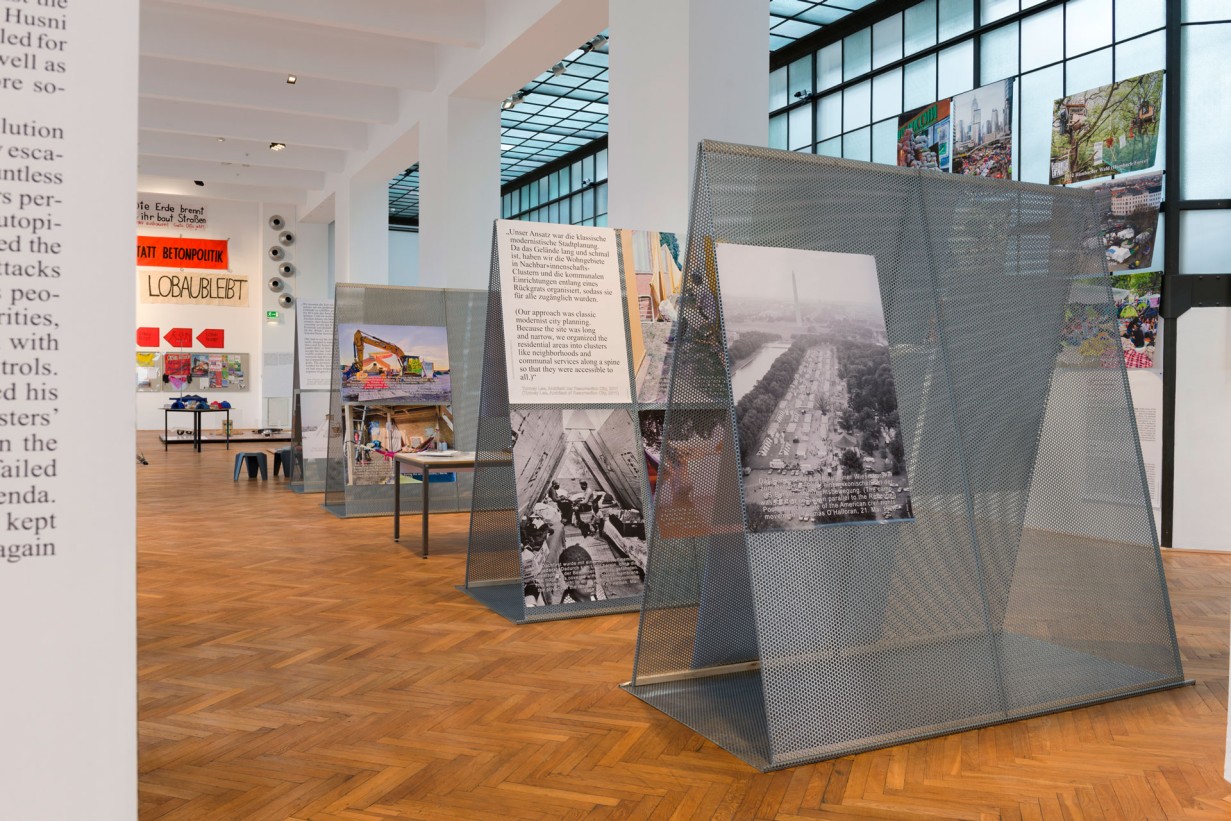
© Stefan Lux/MAK
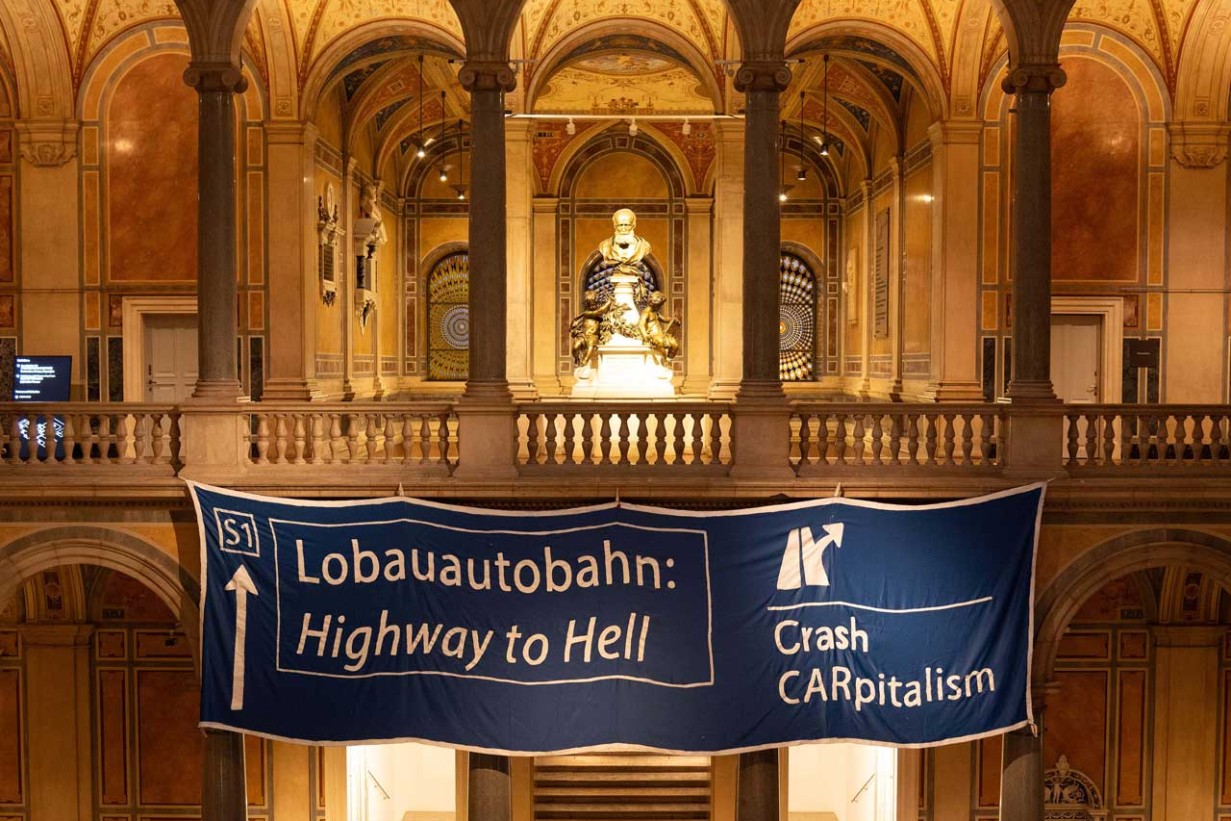
© MAK/Nathan Murrell
Previous Image
An exhibition of the DAM – Deutsches Architekturmuseum, Frankfurt am Main, and the MAK – Museum of Applied Arts, Vienna
Curatorial Team
Project Leader, Curator DAM: Oliver Elser
Curator MAK: Sebastian Hackenschmidt
Curatorial Assistance, Research DAM: Anna-Maria Mayerhofer
Scientific Trainee DAM: Jennifer Dyck
Assistance MAK: Judith Huemer
Program
The exhibition is accompanied by a rebellious supporting program of events and discussions. Workshops for children and adults provide the opportunity of immersing yourself in the strategies, mindsets, and creative methods of civil resistance together with activists. We will embroider in protest, make sure our causes get plenty of ink (with silk screen prints), and use the museum as a gym for our resistance training. We will talk to the contemporary analyst Friedrich von Borries about the duties of future-proof architecture and to activists from Letzte Generation about methods of protest and the resistance fighting for democracy on the brink of criminalization. Curator-guided tours, dialogue tours, a MAK on Tour in the Lobau, and not least our regular program of guided tours give special insights into this unusual exhibition. And there are plenty of liberating, rebellious, and creative things to do during the playful protest training aimed at school classes.
Funded by
Funded by
Sub-project on education in collaboration with the Wüstenrot Foundation
Sponsor

Curatorial Team
Project Leader, Curator DAM: Oliver Elser
Curator MAK: Sebastian Hackenschmidt
Curatorial Assistance, Research DAM: Anna-Maria Mayerhofer
Scientific Trainee DAM: Jennifer Dyck
Assistance MAK: Judith Huemer
Program
The exhibition is accompanied by a rebellious supporting program of events and discussions. Workshops for children and adults provide the opportunity of immersing yourself in the strategies, mindsets, and creative methods of civil resistance together with activists. We will embroider in protest, make sure our causes get plenty of ink (with silk screen prints), and use the museum as a gym for our resistance training. We will talk to the contemporary analyst Friedrich von Borries about the duties of future-proof architecture and to activists from Letzte Generation about methods of protest and the resistance fighting for democracy on the brink of criminalization. Curator-guided tours, dialogue tours, a MAK on Tour in the Lobau, and not least our regular program of guided tours give special insights into this unusual exhibition. And there are plenty of liberating, rebellious, and creative things to do during the playful protest training aimed at school classes.
Funded by
Funded by
Sub-project on education in collaboration with the Wüstenrot Foundation
Sponsor
Media
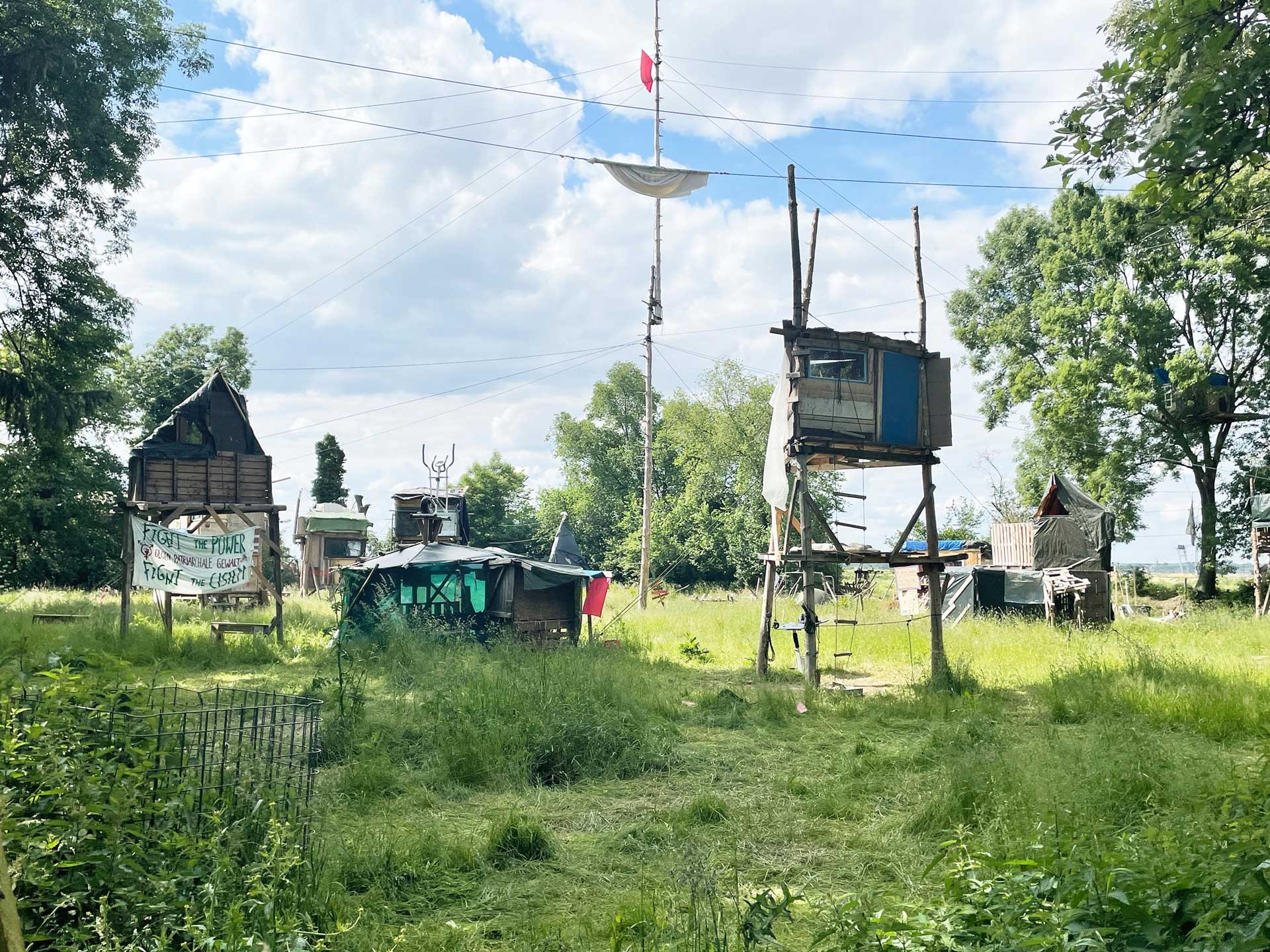
Lützerath, Federal Republic of Germany, 2020–2023 © Photo: Anna-Maria Mayerhofer, 30 May 2022 (CC BY-NC-ND 4.0)
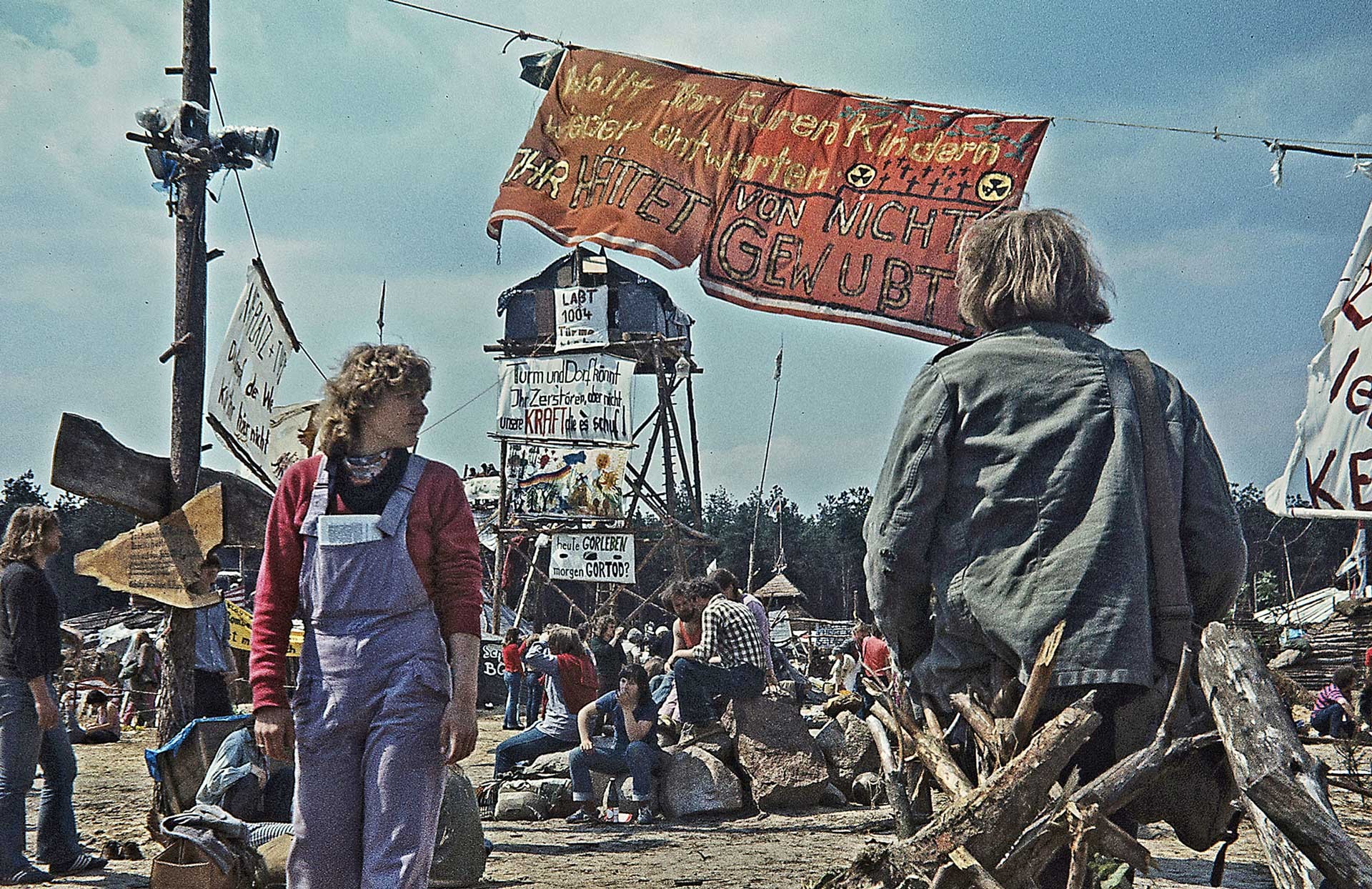
Free Republic of Wendland, Gorleben, West Germany, 1980 © Photo: © Hans-Hermann Müller, 31 May 1980, Wendland Archive
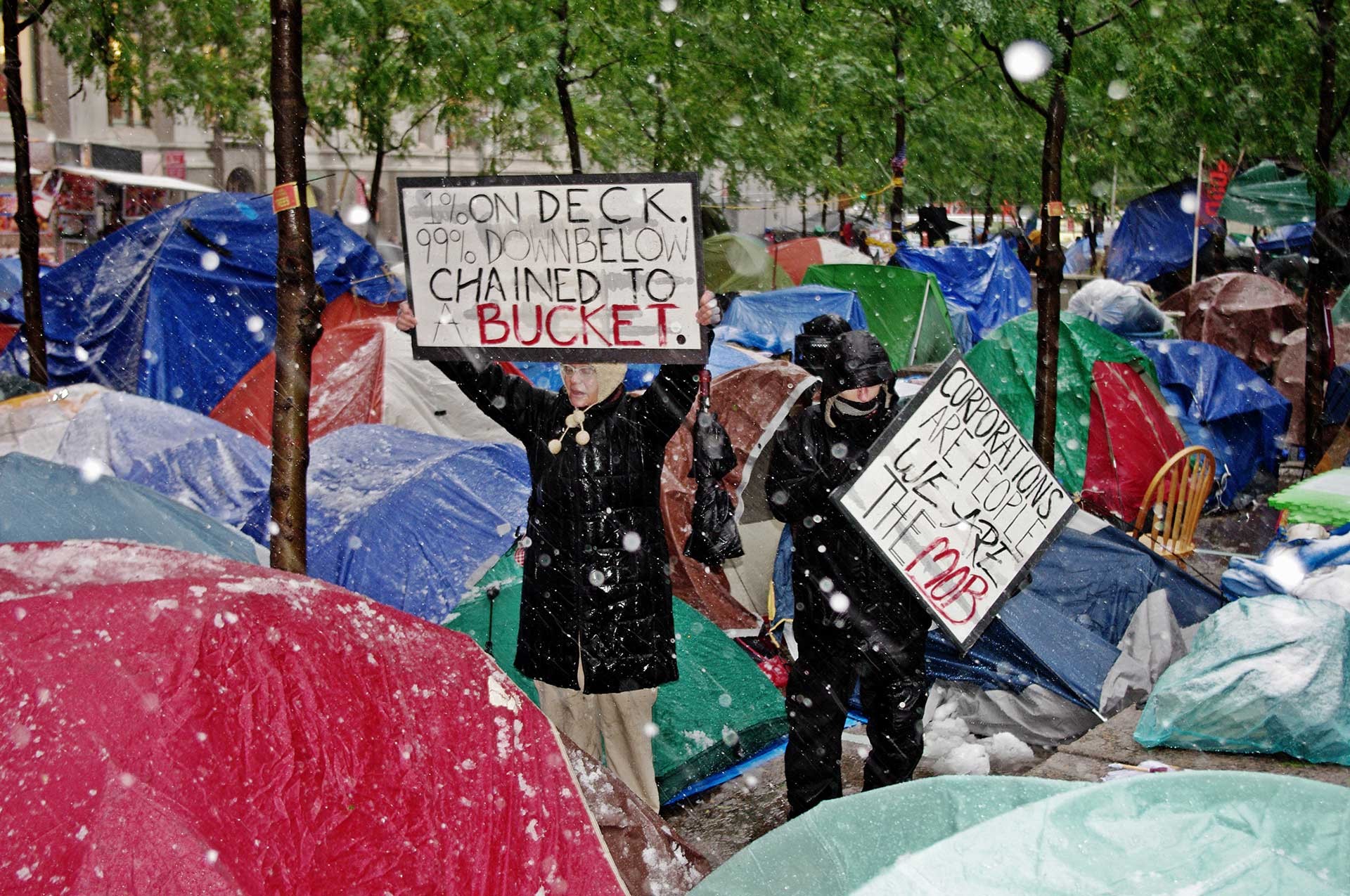
Occupy Wall Street, New York, USA, 2011 © Photo: David Shankbone, 29 October 2011 (CC BY 2.0)
“Lobau-bleibt!” protests, Vienna, Austria, 2021–2022 © Photo: © Merle, 9 December 2021
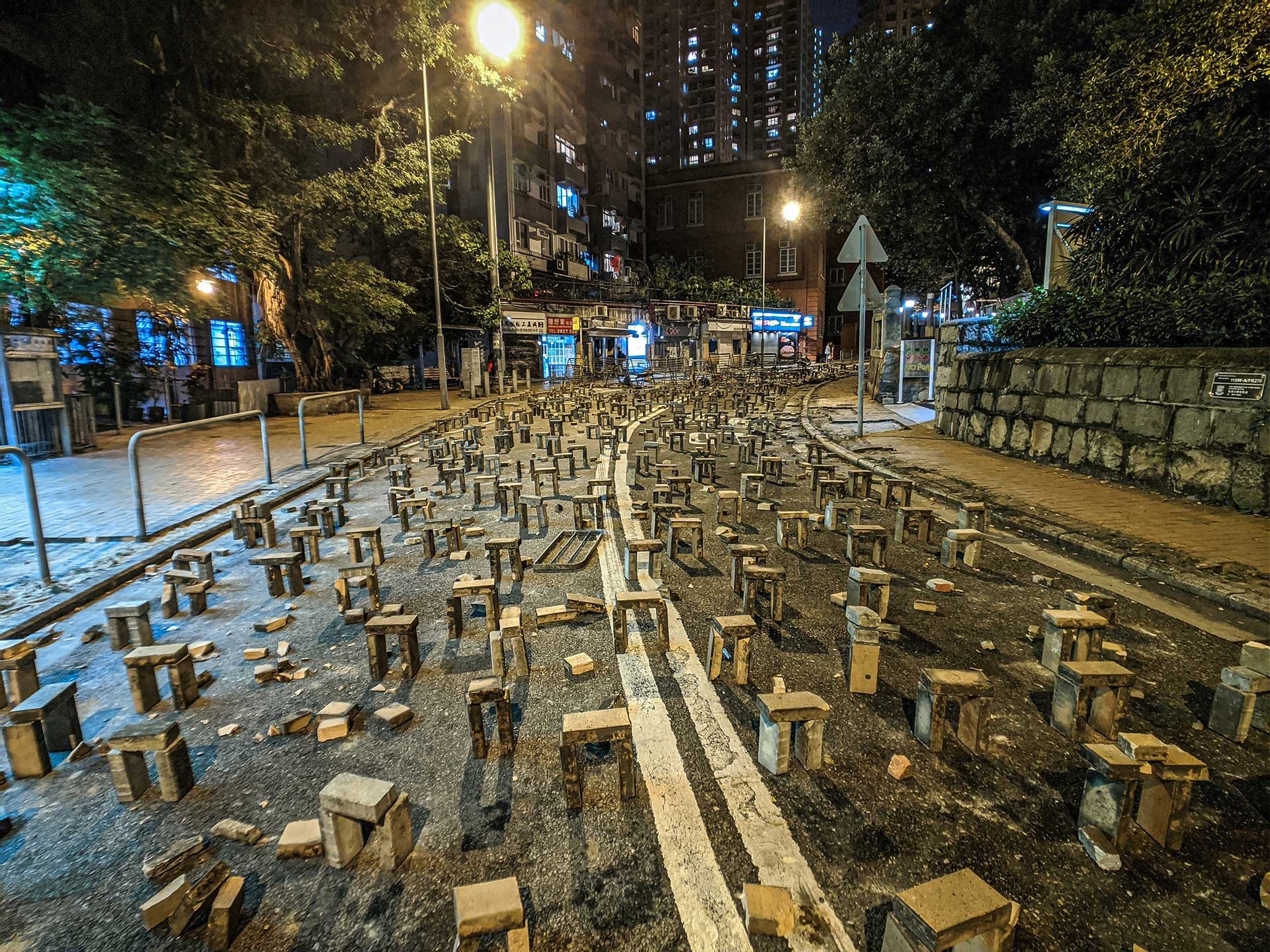
Hong Kong, 2019–2020 © Photo: Studio Incendo, 15 November 2019 (CC BY 2.0)
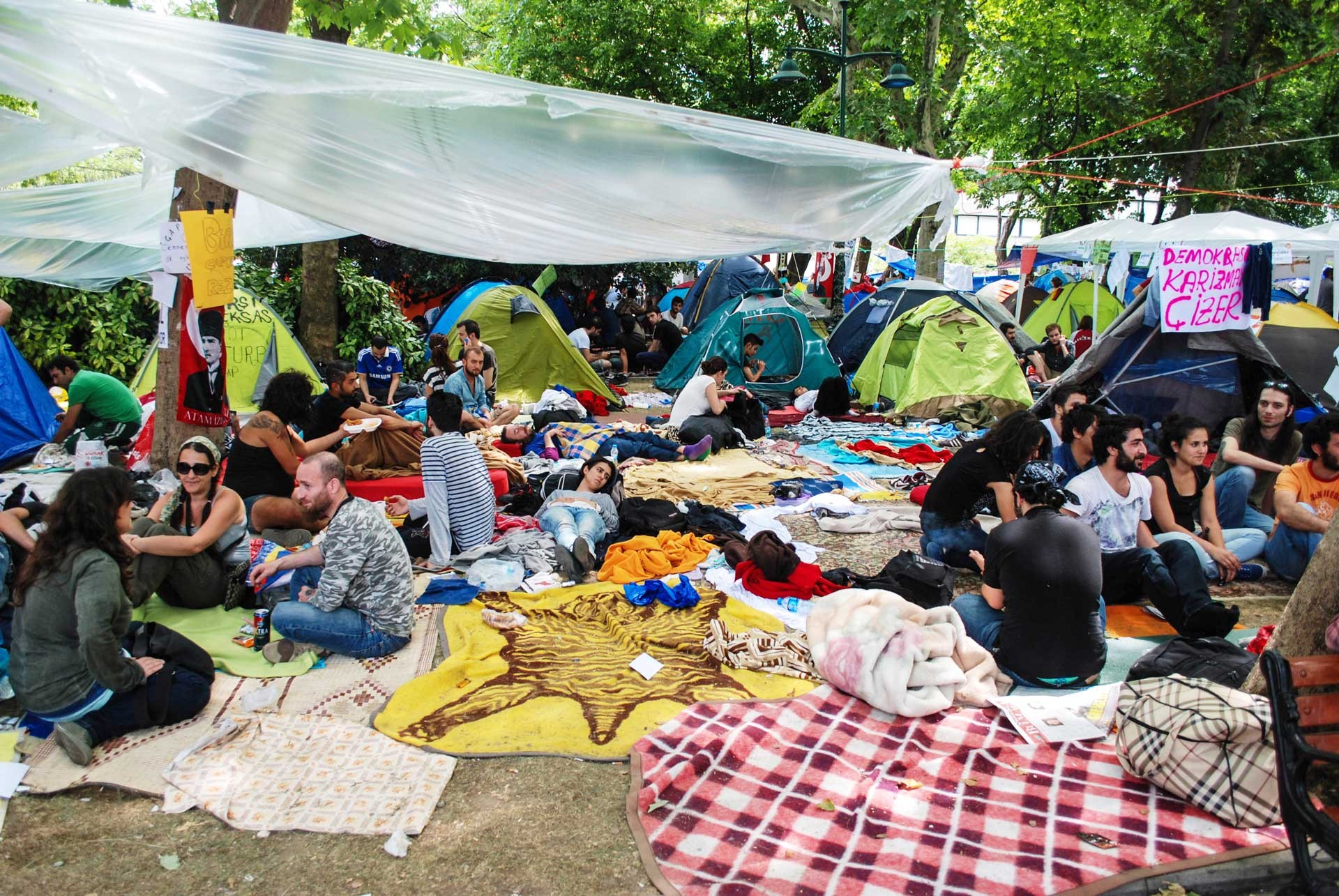
Gezi Park Protests, Istanbul, Turkey, 2013 © Photo: Ian Usher, 8 June 2013 (CC BY-NC-SA 2.0)
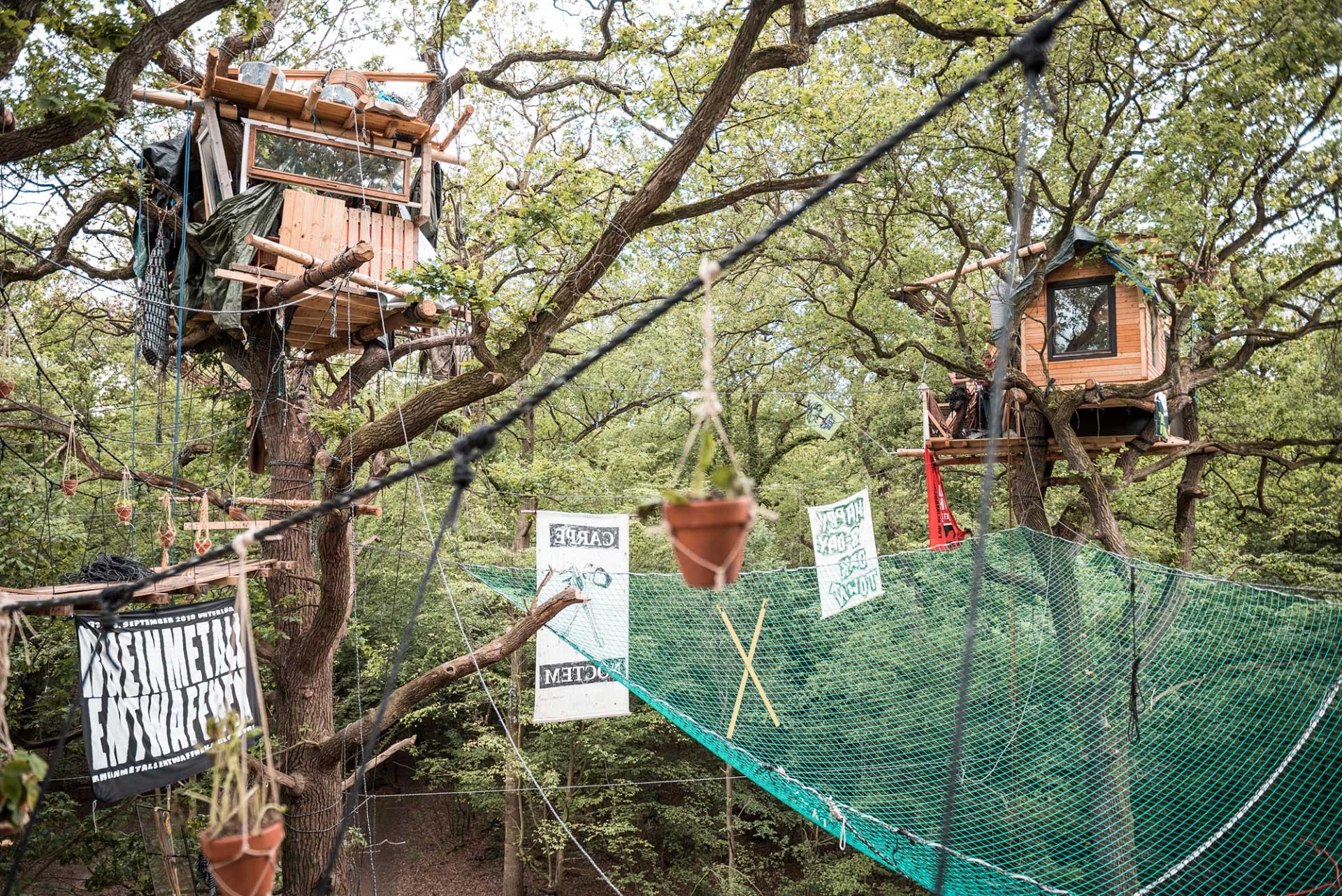
Hambach Forest, Germany, Tree-house settlement in Hambach Forest © Photo: © Tim Wagner, 26 May 2019
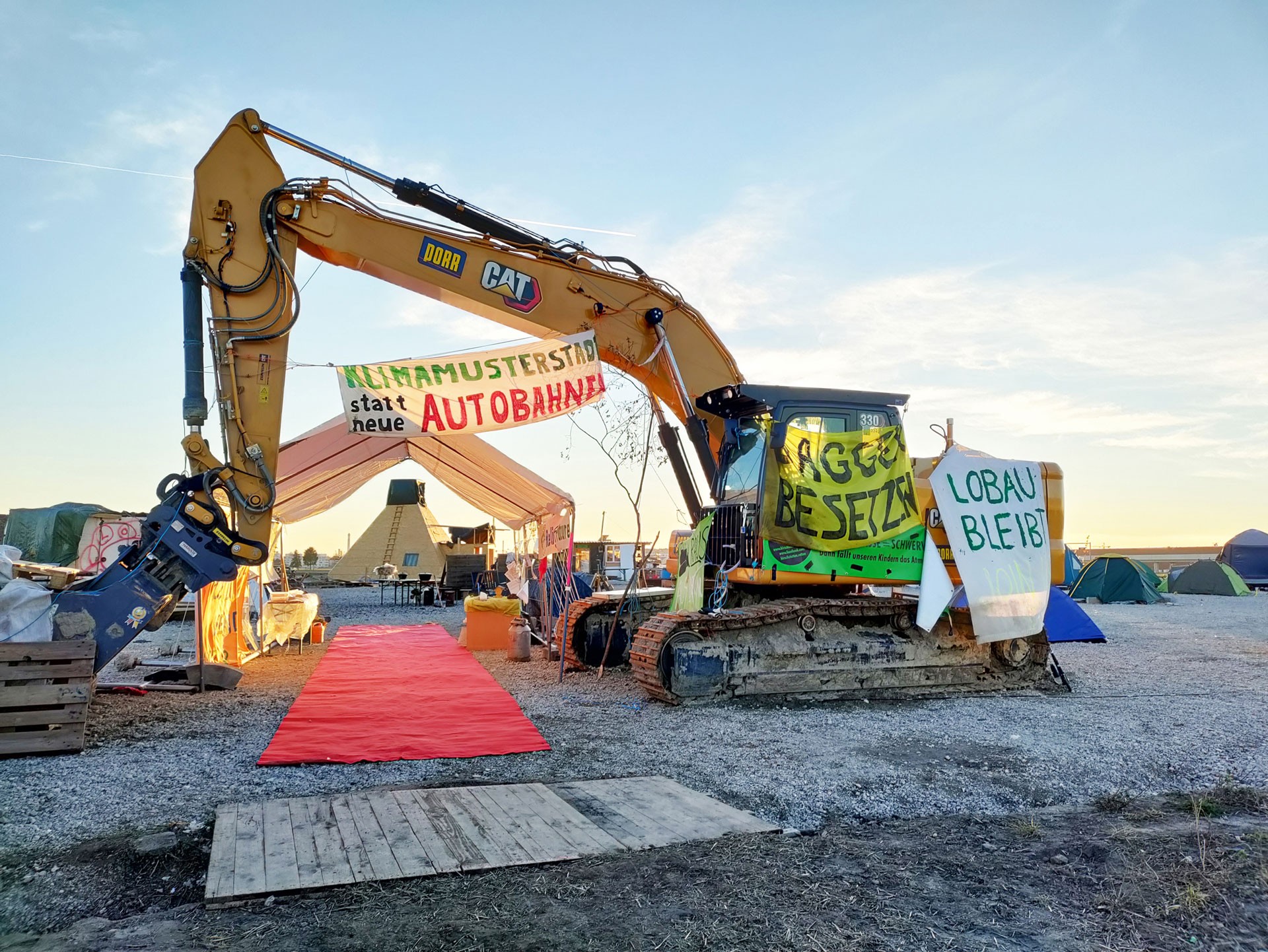
“Lobau-bleibt!” protests, Vienna, Austria, 2021–2022 © Photo: © Merle, 23 November 2021
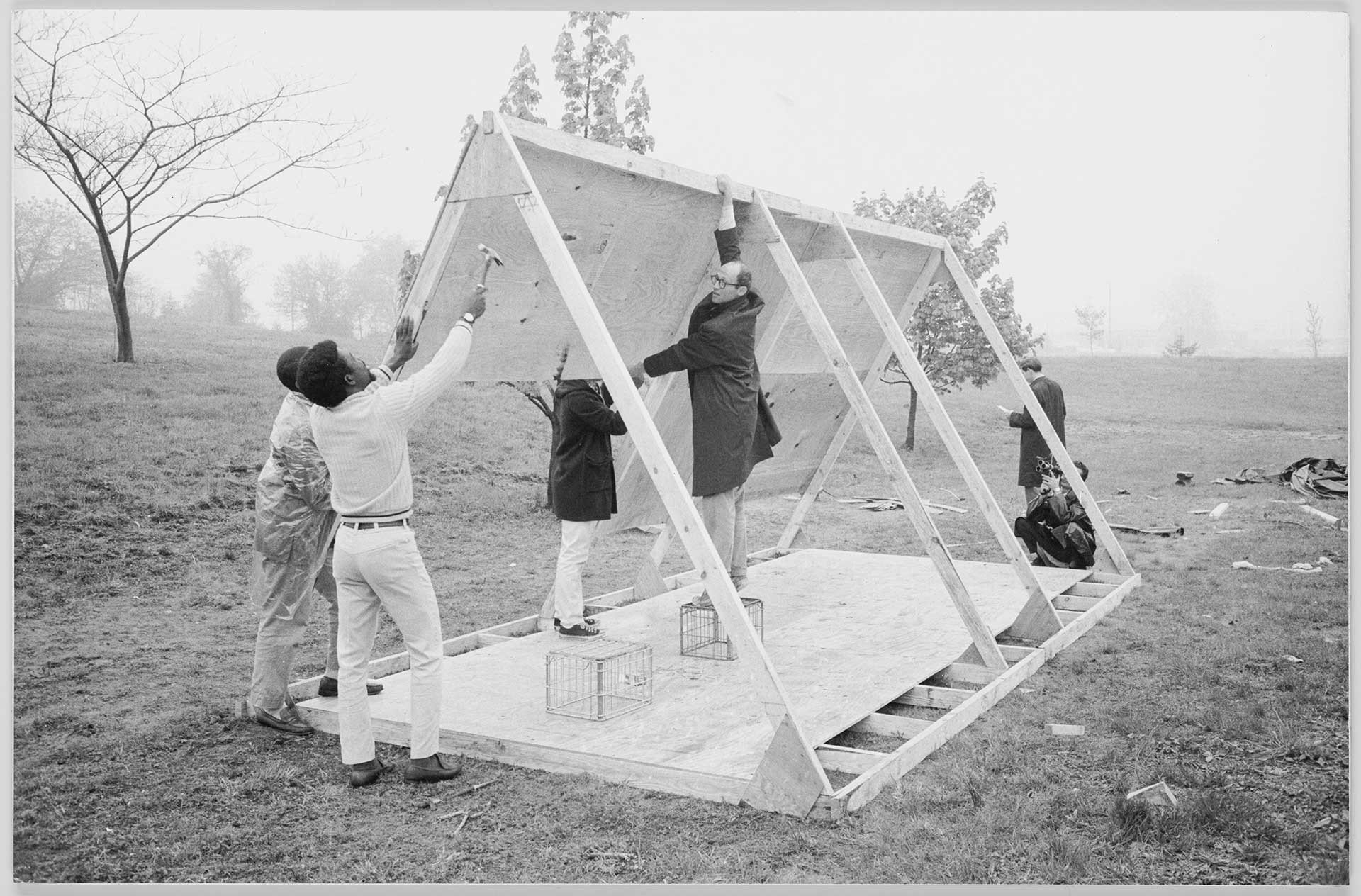
Resurrection City, Washington, DC, USA, 1968 © Photo: Thomas O’Halloran, 1968, Collection of the Smithsonian National Museum of African American History and Culture, Gift of Abigail Wiebenson & sons, John, Derek & Sam in honor of John Wiebenson (Public domain)
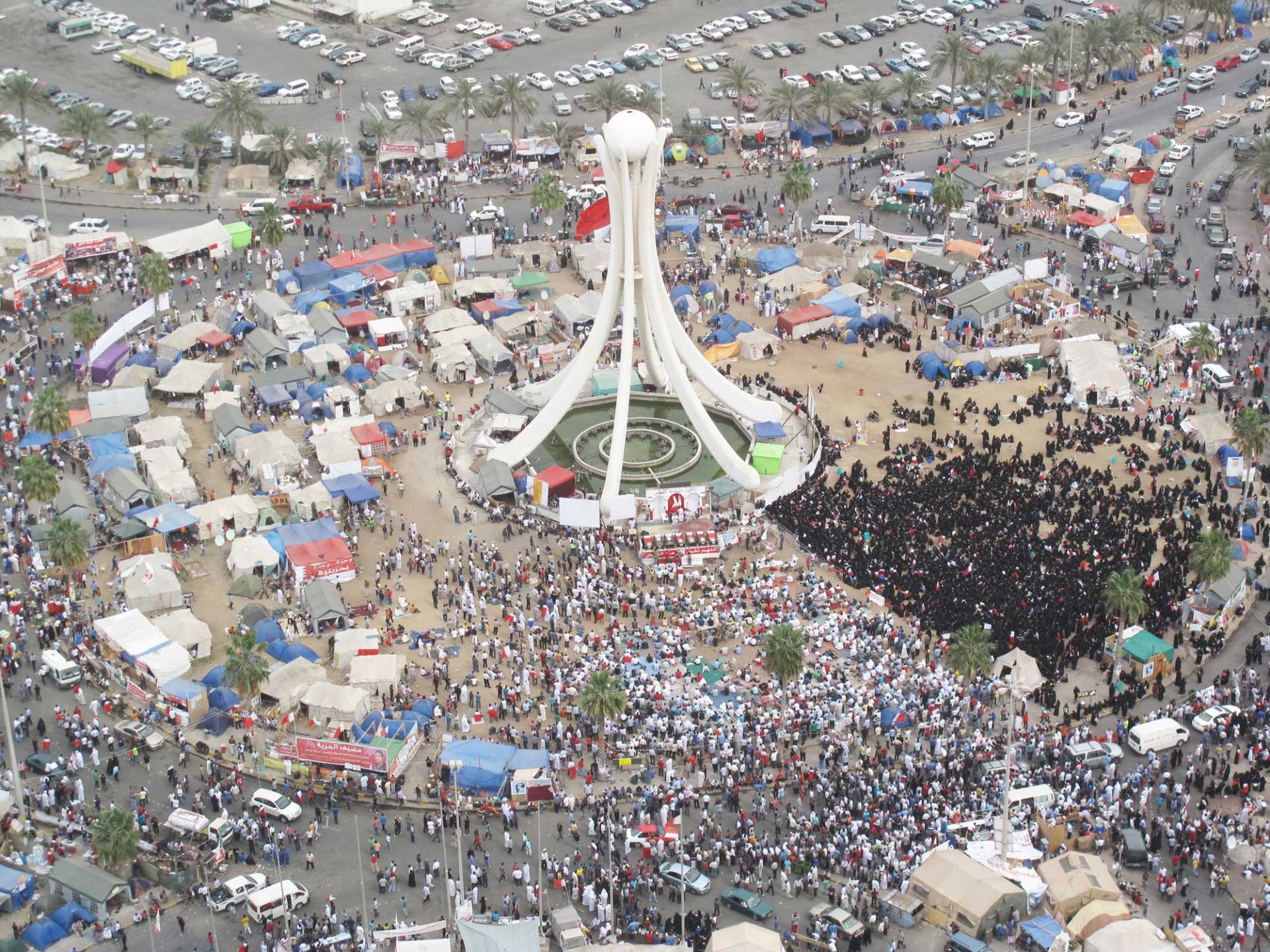
Pearl Roundabout, Bahrain, 2011 © Photo: bahrain.viewbook.com, 13 March 2011 (CC BY-SA 3.0)
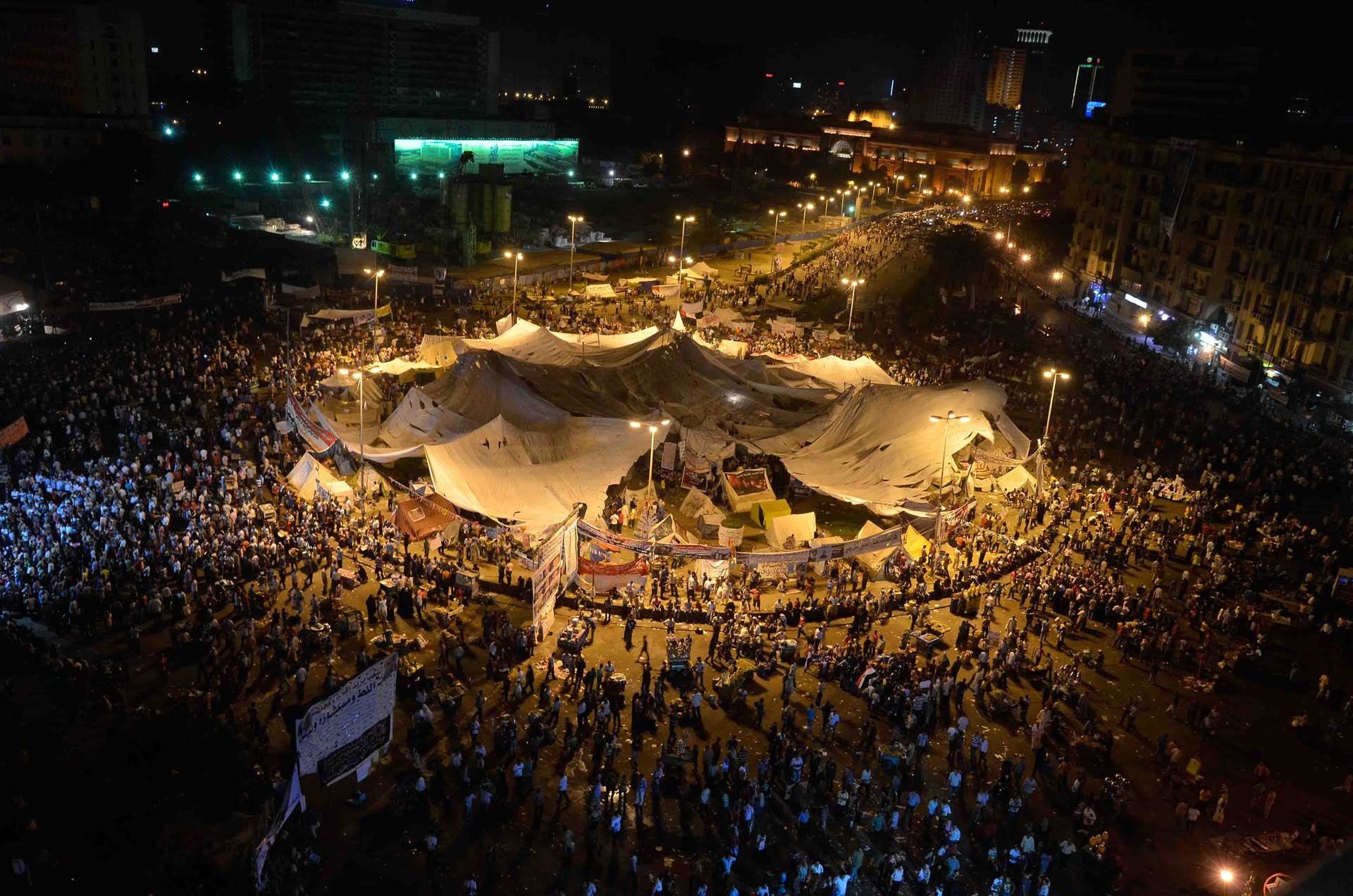
Tahrir Square, Cairo, Egypt, 2011 © Photo: Ahmed Abd El-Fatah, 15 July 2011 (CC BY-NC-SA 2.0)
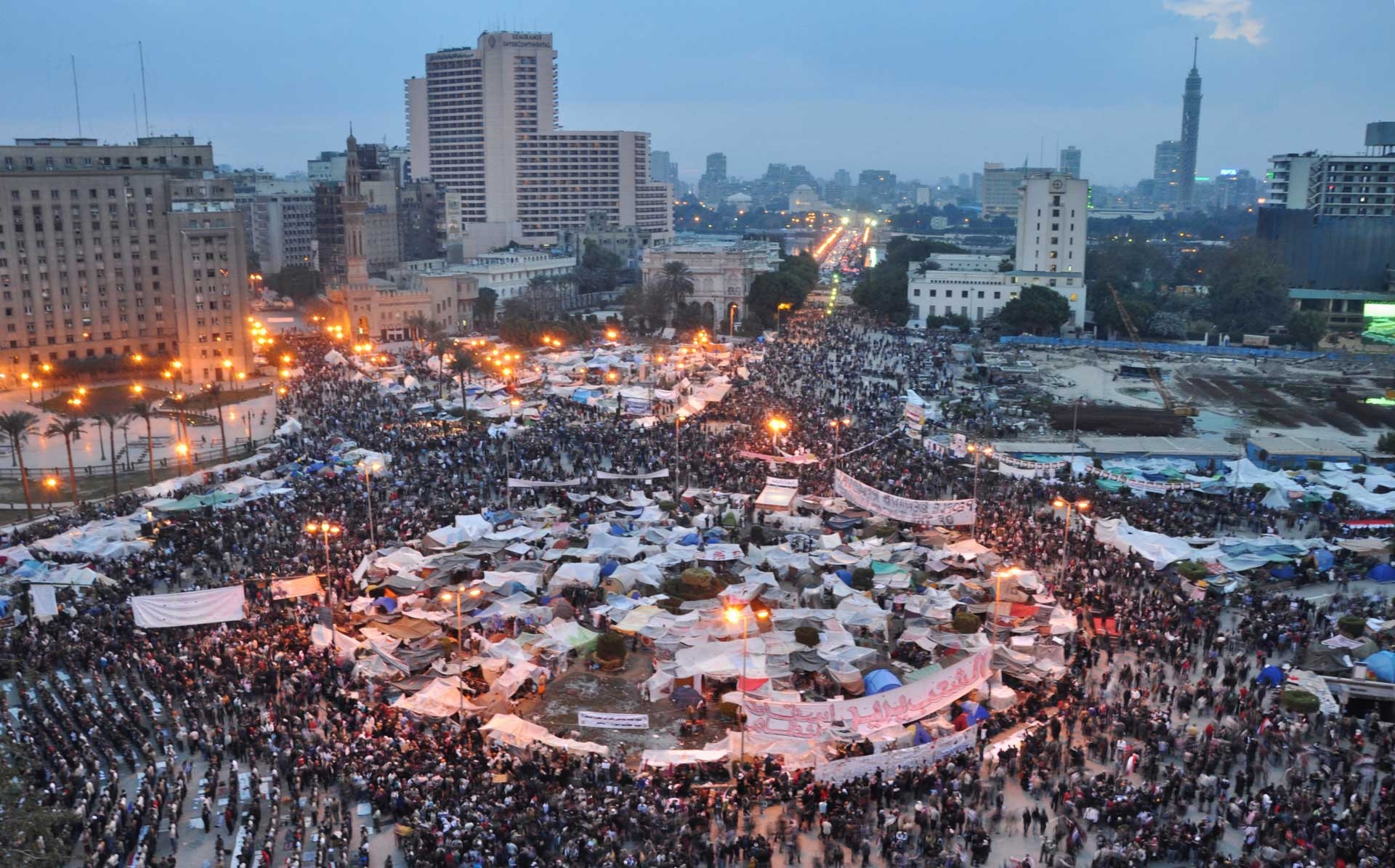
Tahrir Square, Cairo, Egypt, Protest camp on Tahrir Square during the “25 January Revolution,” 2011 © Photo: Jonathan Rashad, 9 February 2011 (CC BY 2.0)
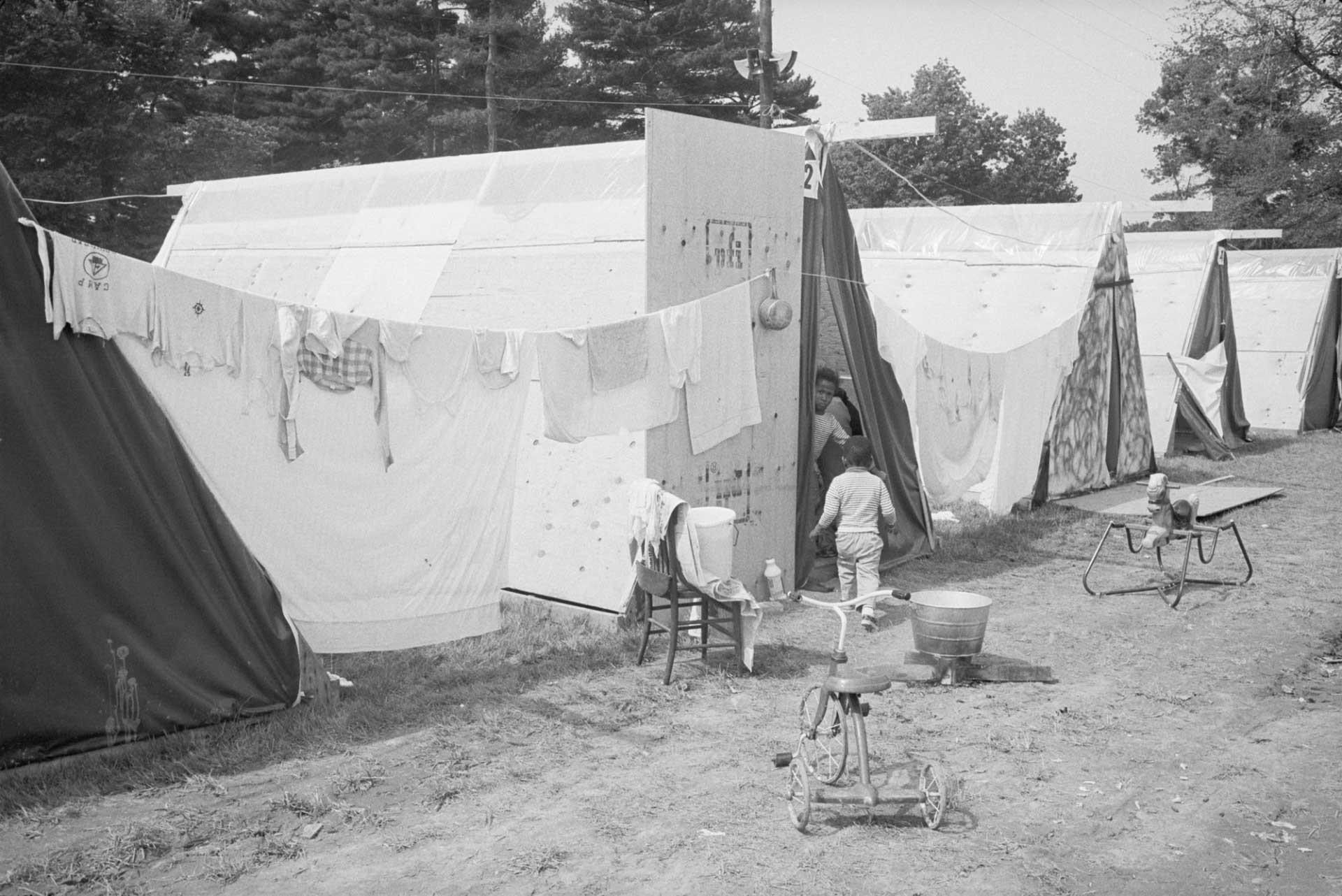
Resurrection City, Washington, DC, USA, 1968 © Photo: Marion S. Trikosko, 21 May 1968, U.S. News & World Report magazine photograph collection, Library of Congress (Public domain)
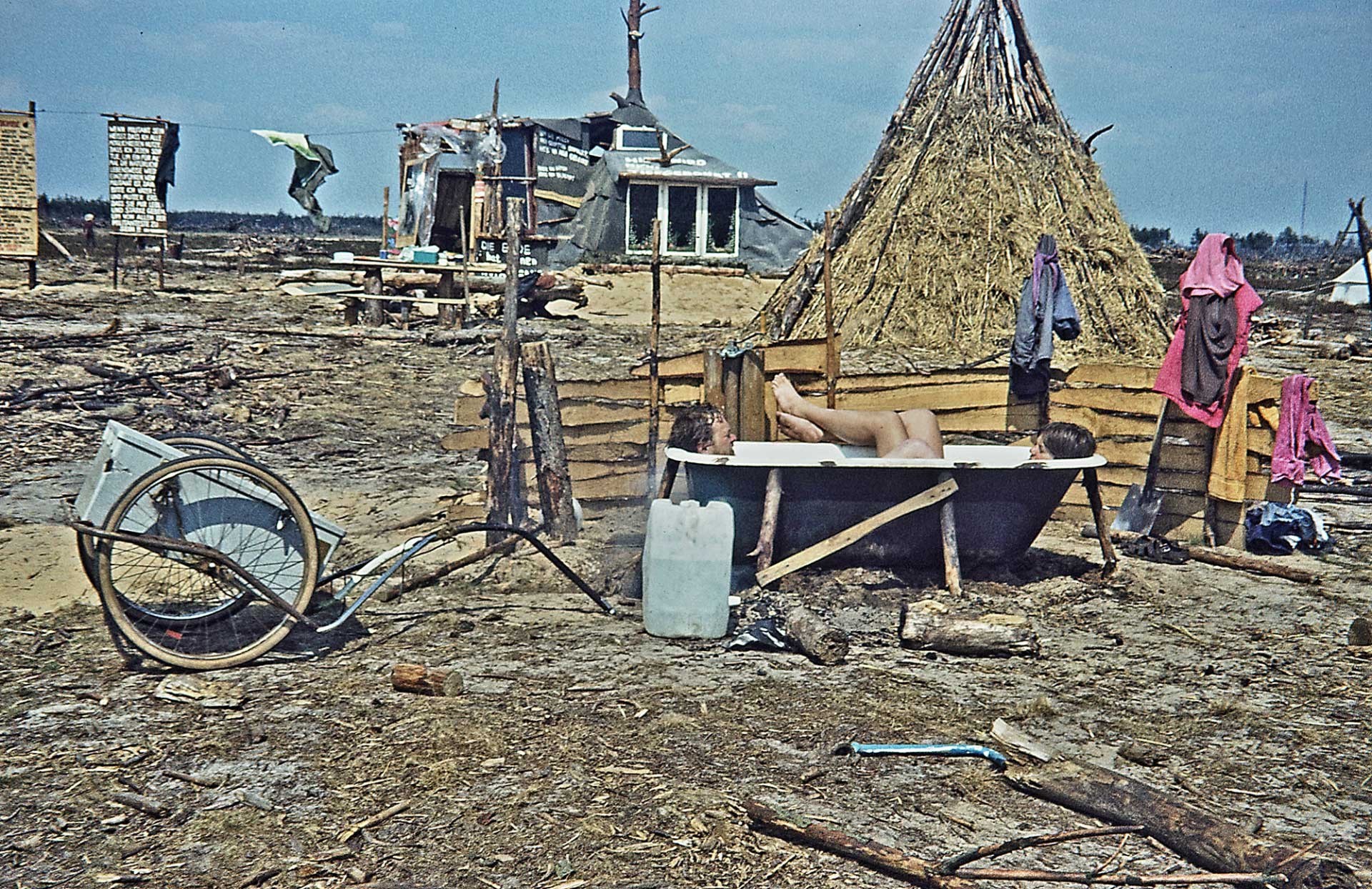
Free Republic of Wendland, Gorleben, West Germany, 1980 © Photo: © Hans-Hermann Müller, 31 May 1980, Wendland Archive
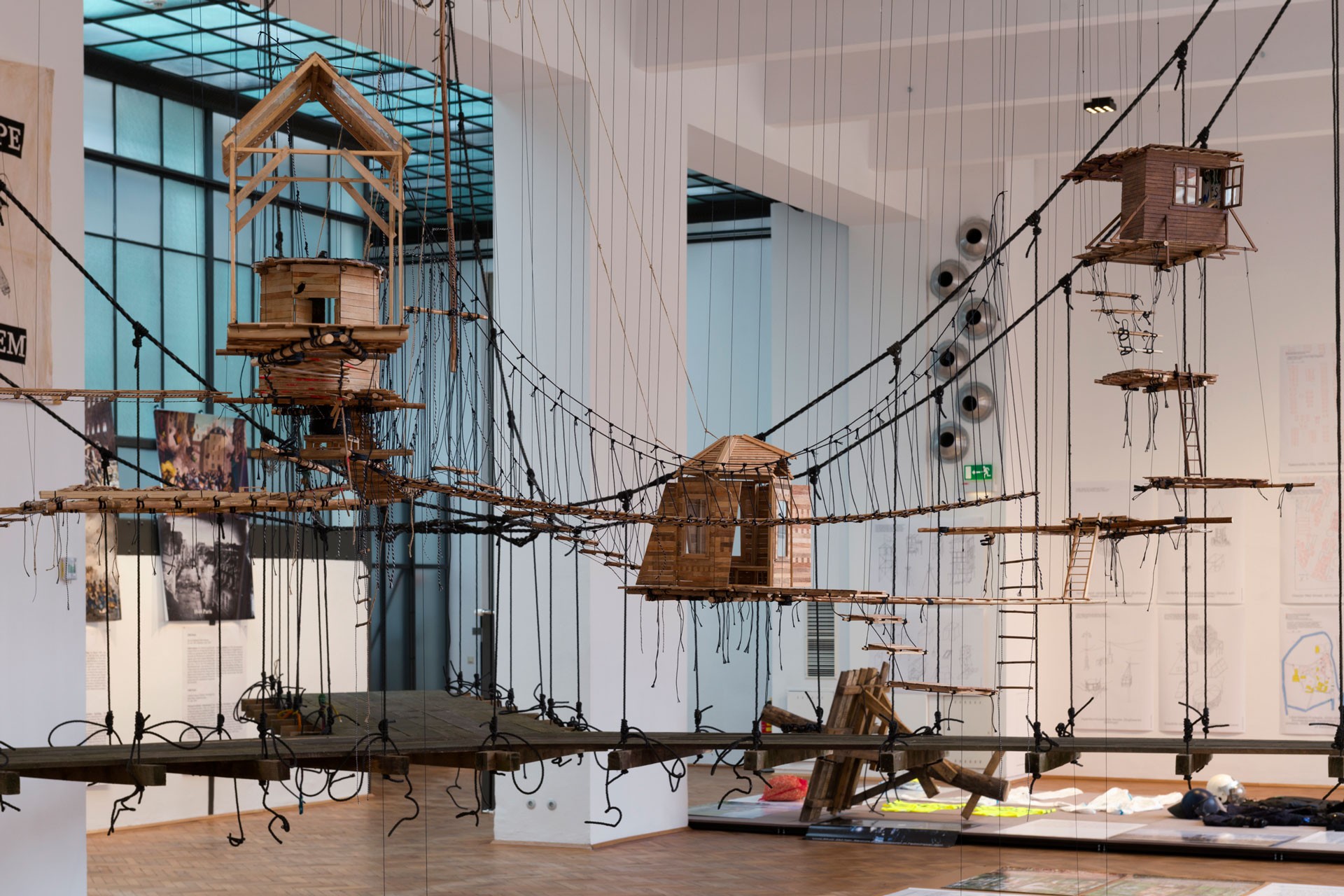
in the foreground: Stephan Mörsch: “Beechtown,” 1:10 model of the tree-house settlement Beech town in Hambach Forest, 2018–2023 in the background: Suspension bridge, Oaktown, Hambach Forest 2019–2023 © Stefan Lux/MAK
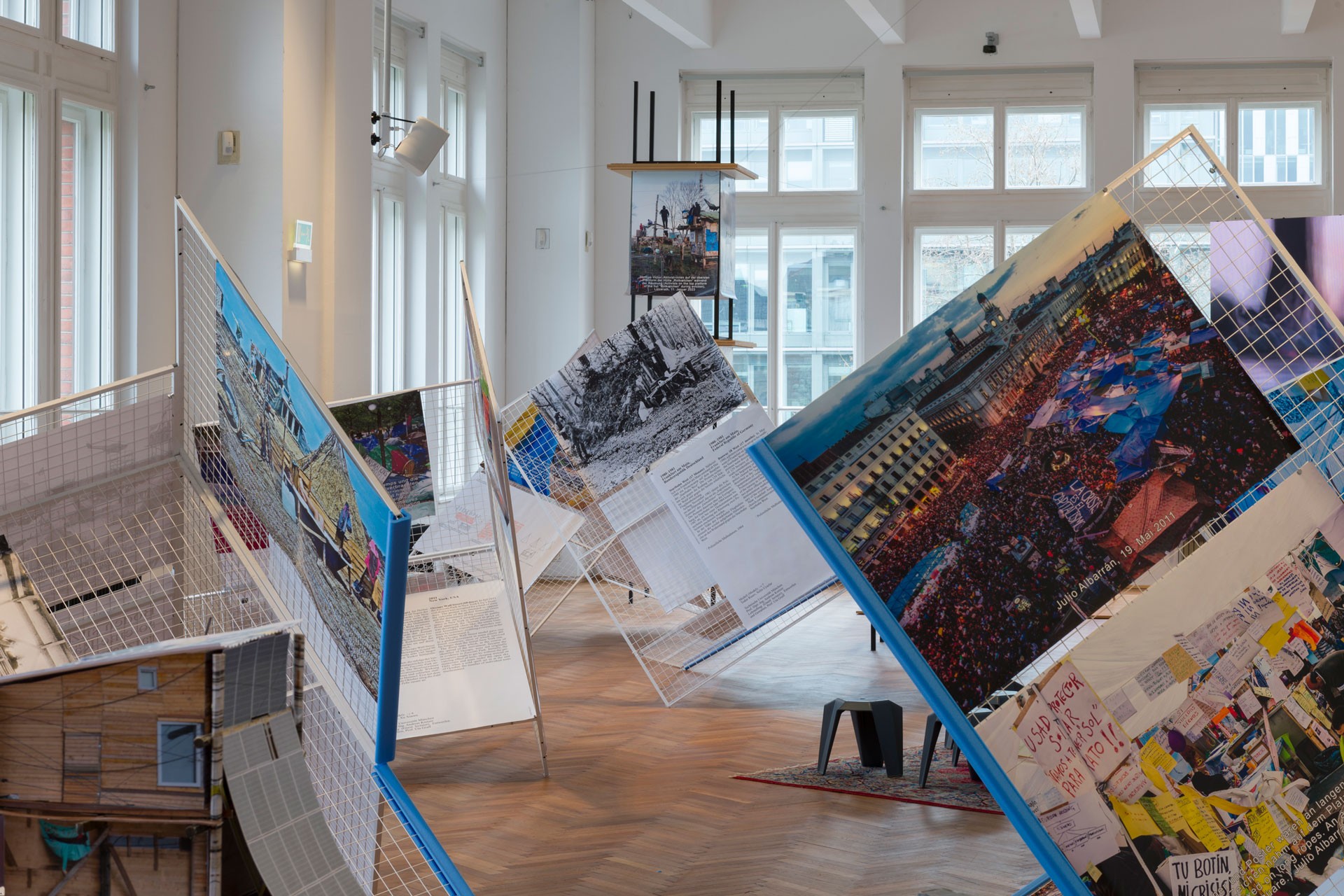
MAK Exhibition View, 2024, PROTEST/ARCHITECTURE: Barricades, Camps, Superglue © Stefan Lux/MAK
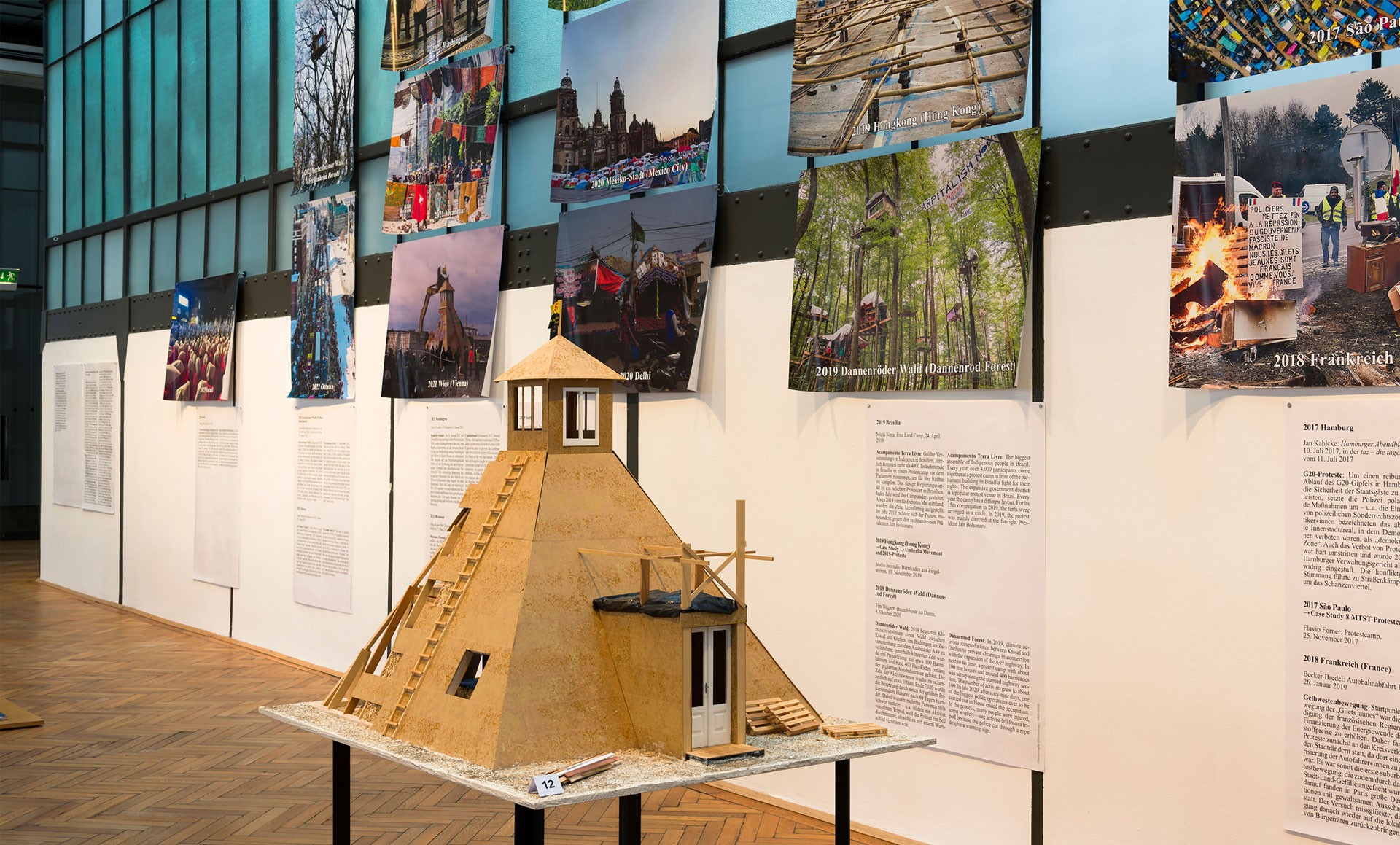
MAK Exhibition View, 2024, PROTEST/ARCHITECTURE: Barricades, Camps, Superglue © Stefan Lux/MAK
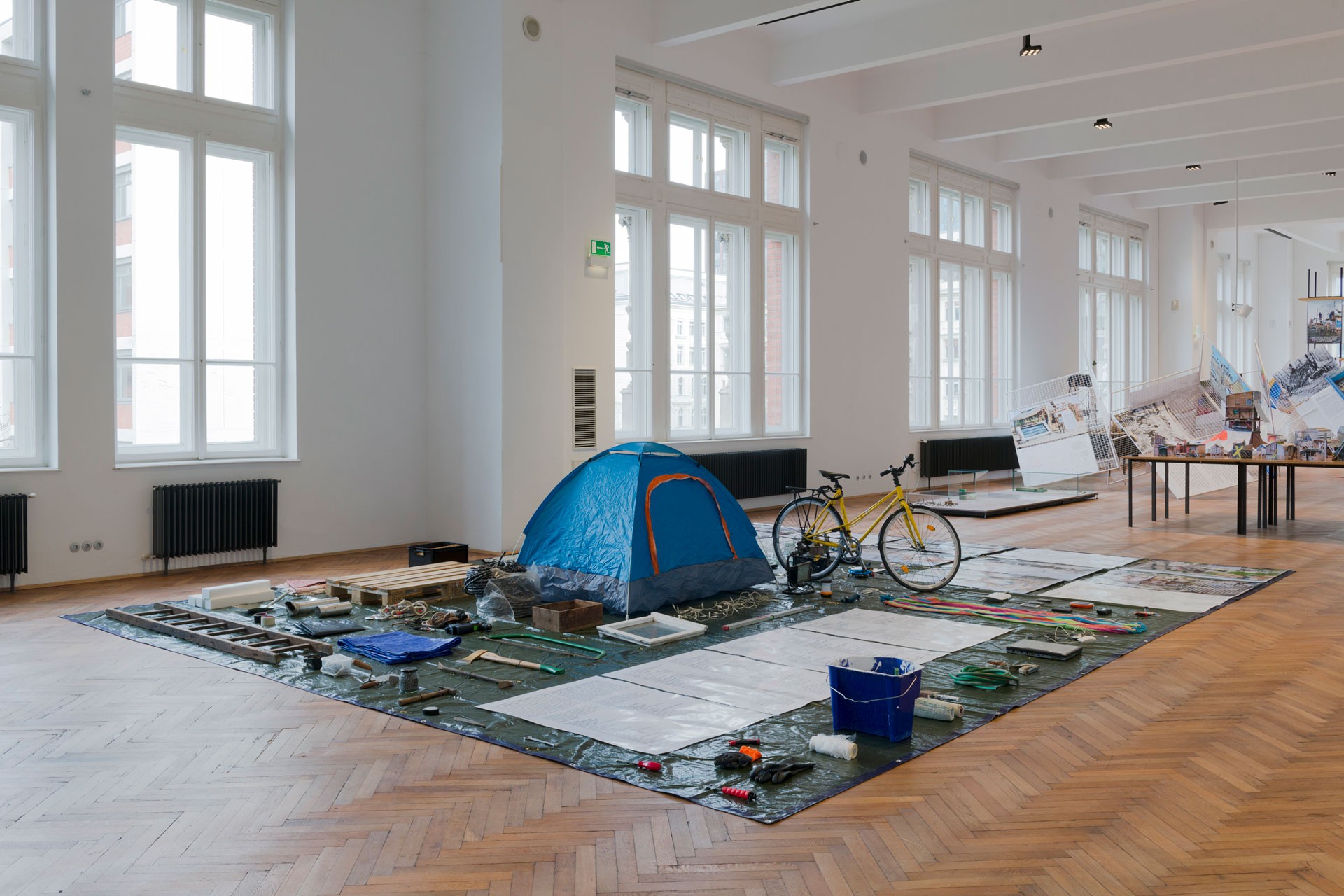
MAK Exhibition View, 2024, PROTEST/ARCHITECTURE: Barricades, Camps, Superglue © Stefan Lux/MAK
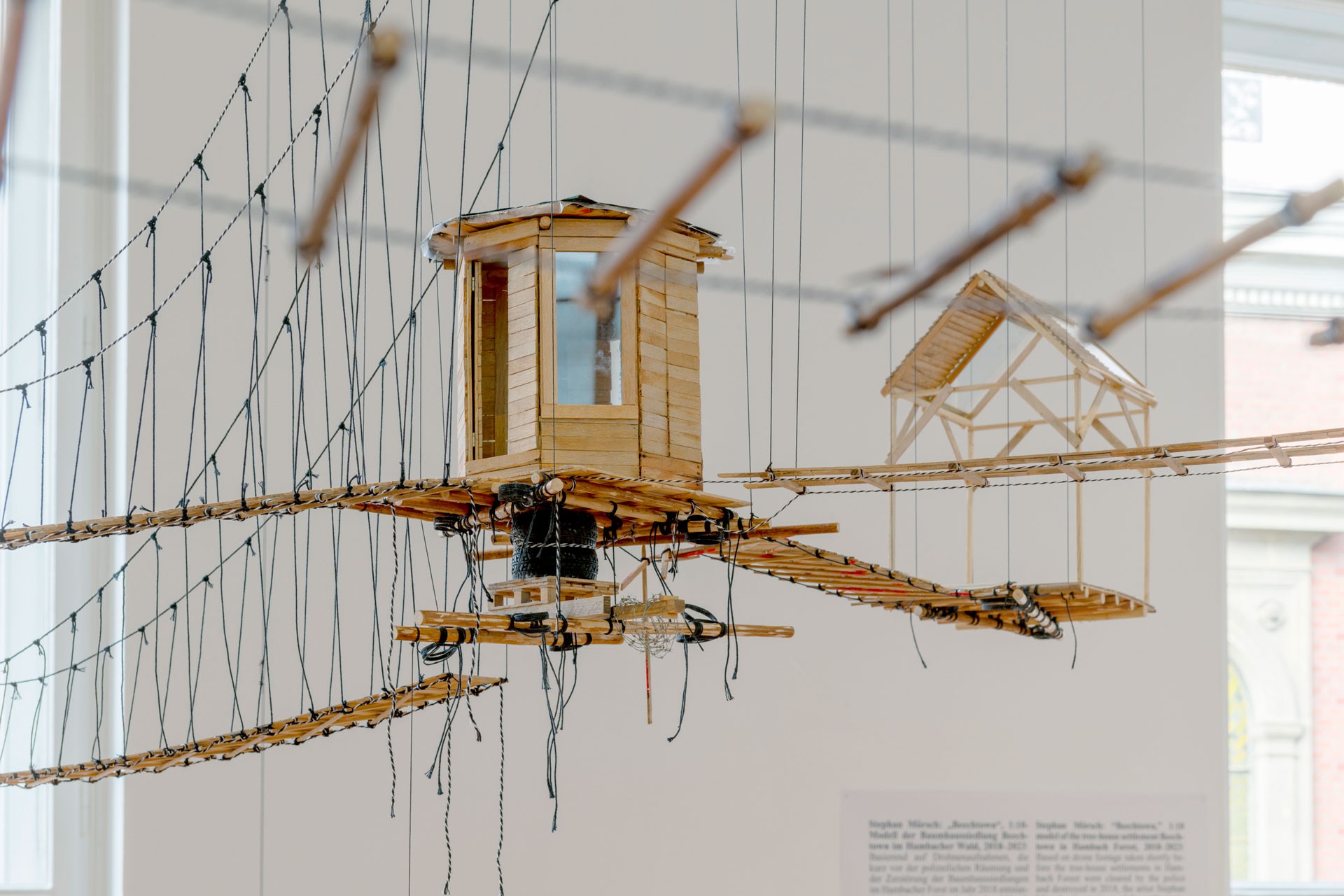
Stephan Mörsch: “Beechtown,” 1:10 model of the tree-house settlement Beechtown in Hambach Forest, 2018–2023 © Stefan Lux/MAK
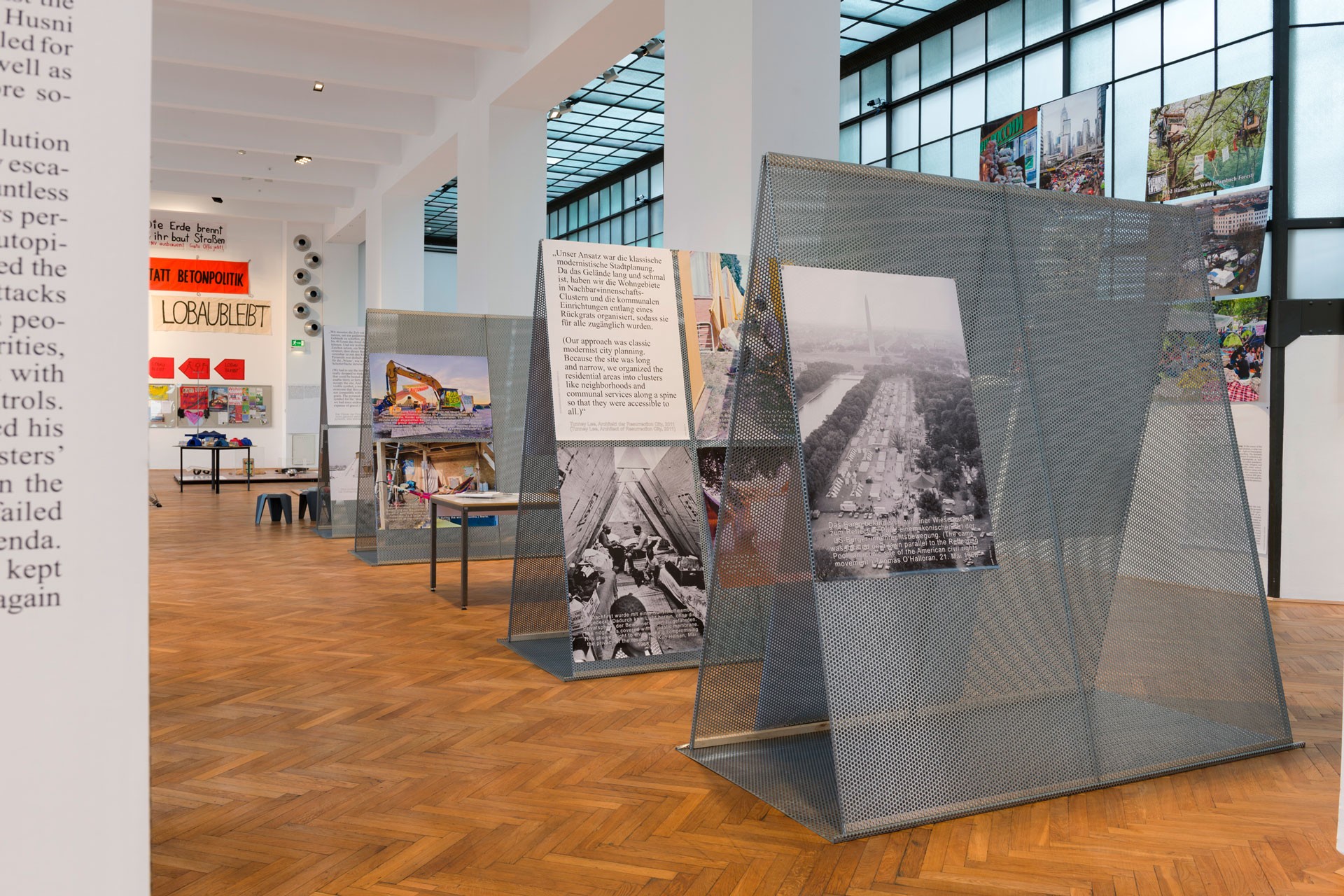
MAK Exhibition View, 2024, PROTEST/ARCHITECTURE: Barricades, Camps, Superglue © Stefan Lux/MAK
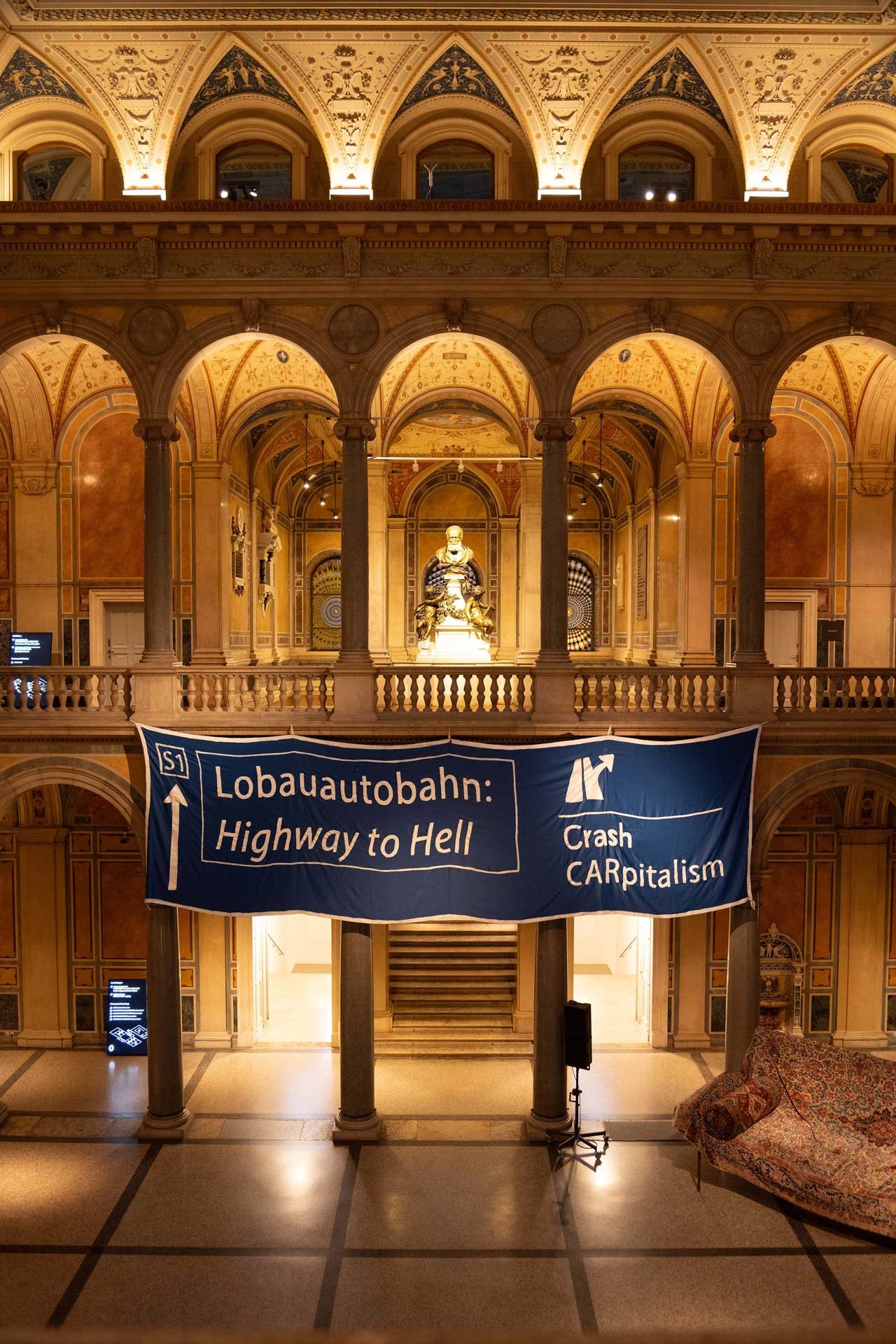
Banner Lobauautobahn. Highway to Hell, Crash CARpitalism © MAK/Nathan Murrell
Related