



Research

The MAK is an internationally renowned competence center for the applied arts, contemporary art, design, and architecture. Its engagement with current artistic and art-theoretical perspectives and movements make it a progressive, versatile research institution promoting social awareness. At the same time, the MAK’s research into new approaches to design and the applied arts also frequently focuses on sociopolitical and environmental issues.

Sweeter the Collection never Sounds

With the financial support of the Federal Ministry for Housing, Arts, Culture, Media and Sport (BMWKMS), the MAK is realizing a whole series of interdepartmental  ventures.


Collection policy influenced by colonialist aspects? (Part 1)

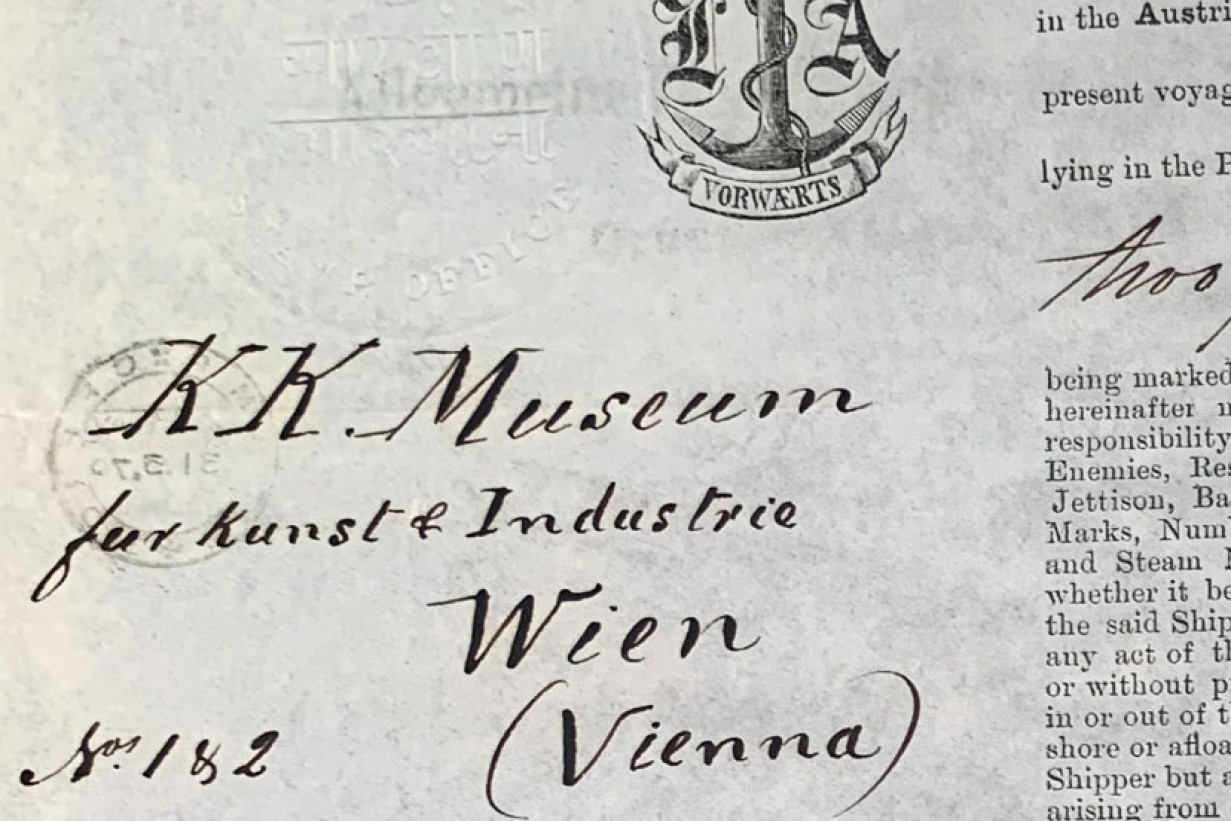
Oriental Museum, Trade Museum, Museum of Art and Industry and their collection strategies (working title)
Project Manager: Rainald Franz (Curator, MAK Glass and Ceramics Collections, Cross-Collection Coordination and EU Projects, Provenance Research and Restitution)
Lara Steinhäußer (Curator, MAK Textiles and Carpets Collection)
Mio Wakita-Elis (Curator, MAK Asia Collection)
 
Scientific Assistance: Alexandra Nachescu
 

Collection policy influenced by colonialist aspects? (Part 2)

Oriental Museum, Trade Museum, Museum of Art and Industry and their collection strategies (working title)
Project Manager: Rainald Franz (Curator, MAK Glass and Ceramics Collections, Cross-Collection Coordination and EU Projects, Provenance Research and Restitution)
Lara Steinhäußer (Curator, MAK Textiles and Carpets Collection)
Mio Wakita-Elis (Curator, MAK Asia Collection)
 
Scientific Assistance: Robert Kotasek
 

Conservation of the Khevenhüller Chronicle

A cooperation between the MAK Vienna and Castle Hochosterwitz.
Project team: Beate Murr, Kathrin Pokorny-Nagel

ATCZ264 – JH Neu digital / JH Nově digitální / JH New digital

Josef Hoffmann mediated anew. The Josef Hoffmann Museum as an interface of international collaboration, and the work of Josef Hoffmann as a testing ground for innovative museum work, in particular for the use of digital technology

The MAK—History of an Institution

Project Manager: Kathrin Pokorny-Nagel, Head, MAK Library and Works on Paper Collection/Archive
Project Editor: Hannah Gasperl

Planet Love

Climate Care in the Digital Age
Project Manager: Marlies Wirth, Curator, Digital Culture and MAK Design Collection, in cooperation with Christoph Thun-Hohenstein, General Director, MAK
Curatorial assistant: Antje Prisker; with the participation of Ivana Andrejic-Djukic

Creative Climate Care

Project Manager: Marlies Wirth, Curator, Digital Culture and MAK Design Collection
With the participation of Lara Steinhäußer
 

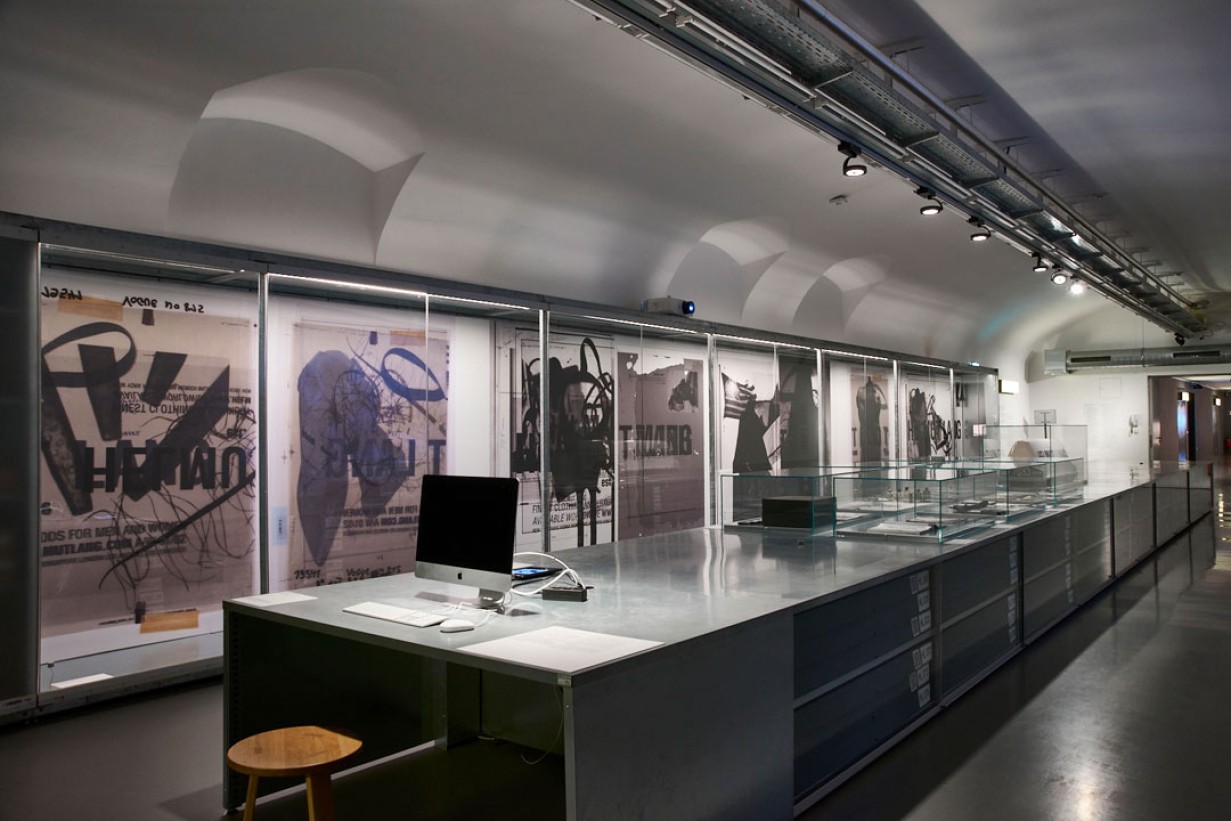
Helmut Lang Archive

Project Manager: Lara Steinhäußer, Curator, MAK Textiles and Carpets Collection
Project Editor: Helena Grünsteidl, Nicole Miltner

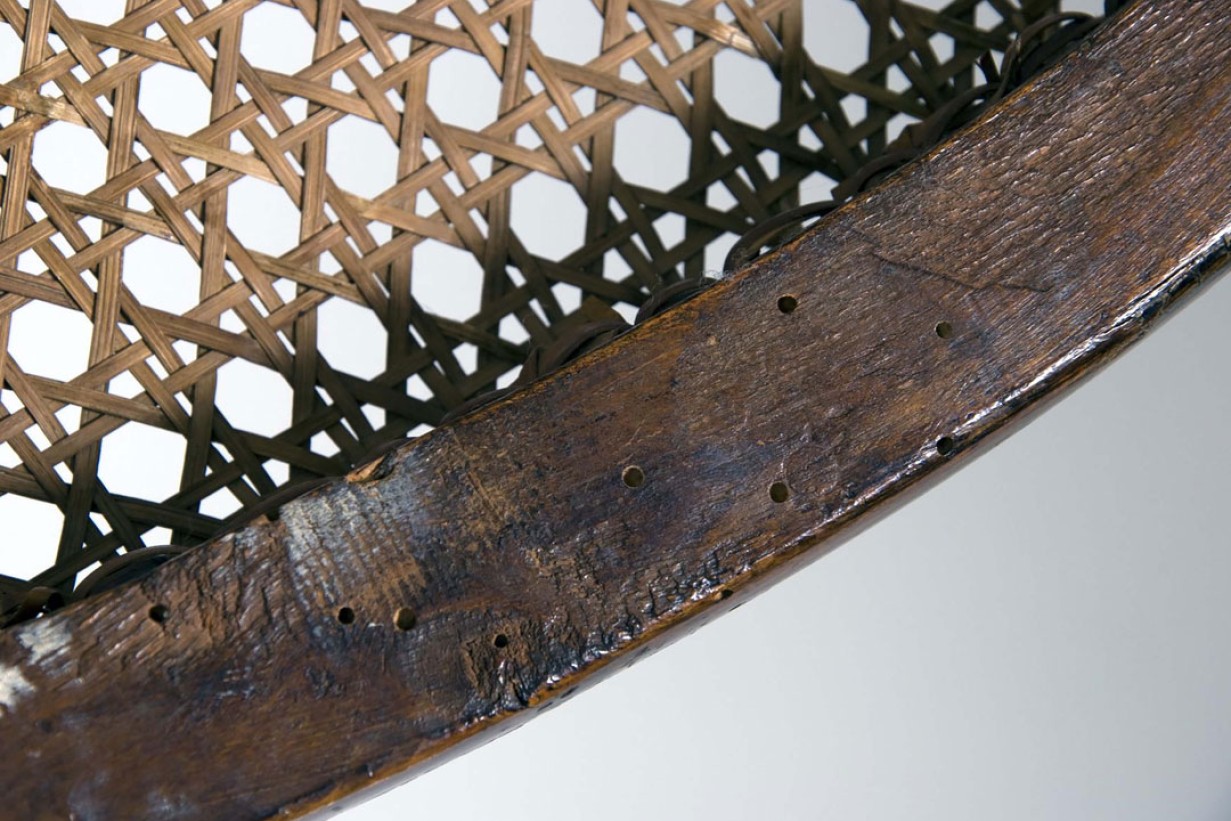
Online Thonet Archive

Project Manager: Sebastian Hackenschmidt, Curator, MAK Furniture and Woodwork Collection, and Kathrin Pokorny-Nagel, Head, MAK Library and Works on Paper Collection/Archive in cooperation with Wolfgang Thillmann

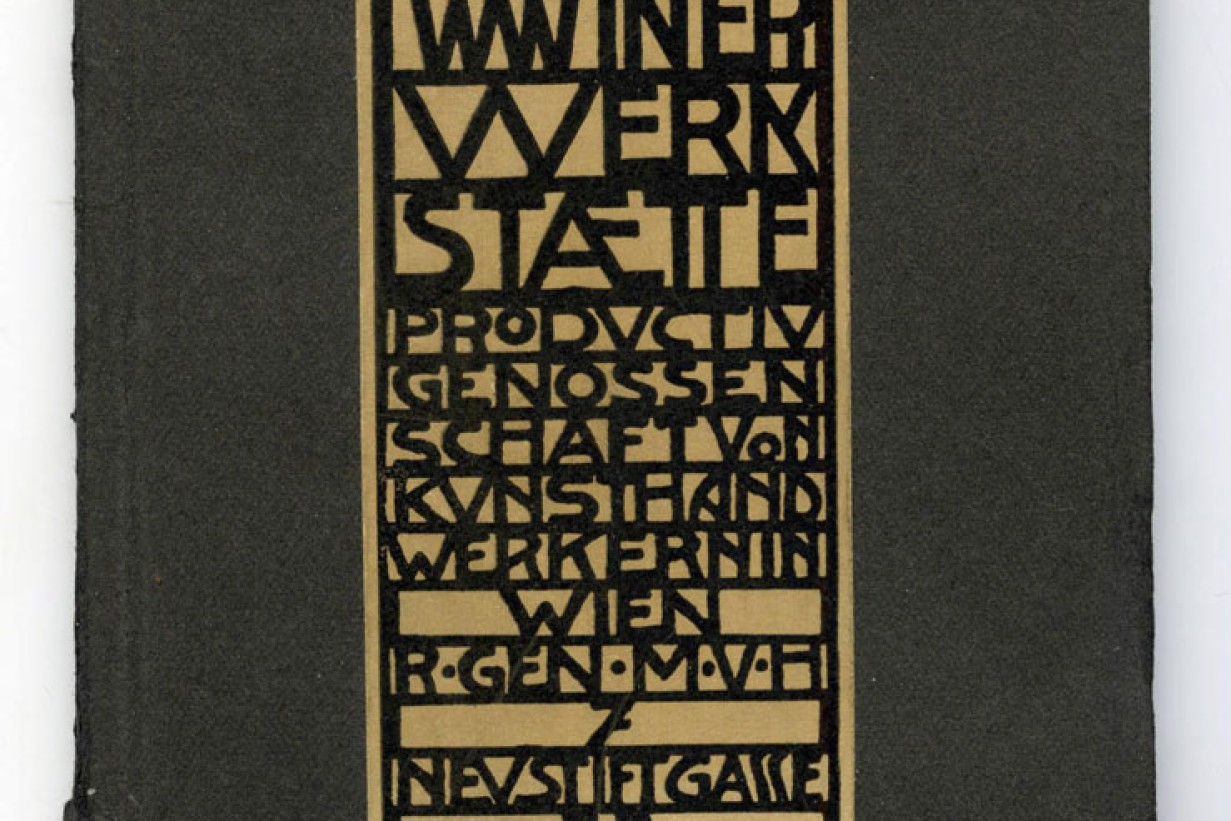
The Commercial Graphic Design of the Wiener Werkstätte

Project Manager: Anne-Katrin Rossberg, Curator, MAK Metal Collection and Wiener Werkstätte Archive 

Women Artists of the Wiener Werkstätte

Project Manager: Anne-Katrin Rossberg, Curator, MAK Metal Collection and Wiener Werkstätte Archive
With the participation of Michael Hölters, Maria-Luise Jesch

Textiles in the Visual Arts

Project Editor: Bärbel Vischer, Curator, MAK Contemporary Art Collection

ART NOUVEAU 2

Art Nouveau Heritage in the Danube Region
Project Management MAK: Kathrin Pokorny-Nagel, Head MAK Library and Works on Paper Collection/Archive
Project Assistant: Helena Grünsteidl
More Research Projects
Based on the Art Restitution Law, the MAK began reviewing the collection in 1998 with regard to objects that had been seized during the Nazi era. In the Nazi era (1938–1945), over 4 200 pieces of art, more than 4 600 works on paper, and around 2 000 books were inventoried at the then State Arts and Crafts Museum in Vienna. Completing the detailed review of these acquisitions is the medium-term goal of the provenance research at the MAK. 
 
In addition, the objects inventoried after 1945 are reviewed with regard to restitutions that were not carried out and potential expropriations during National Socialism. 
 
In 2009, the Art Restitution Law was amended. As a consequence, all seizures during Nazi rule also outside of Austria are now covered by the law. Therefore, the period under review was extended by the years 1933 to 1938. The corresponding investigations have already been implemented by the provenance research at the MAK. 
 
The investigations take place in consultation with the Head of the Commission for Provenance Research. Since 1998, more than 90 dossiers have been created and handed over to the Art Restitution Advisory Board. Based on the respective decisions of the Art Restitution Advisory Board, more than 470 objects have been resituated since 1999. 
MAK Provenance Research Officer: Rainald Franz
T +43 1 711 36-220
 
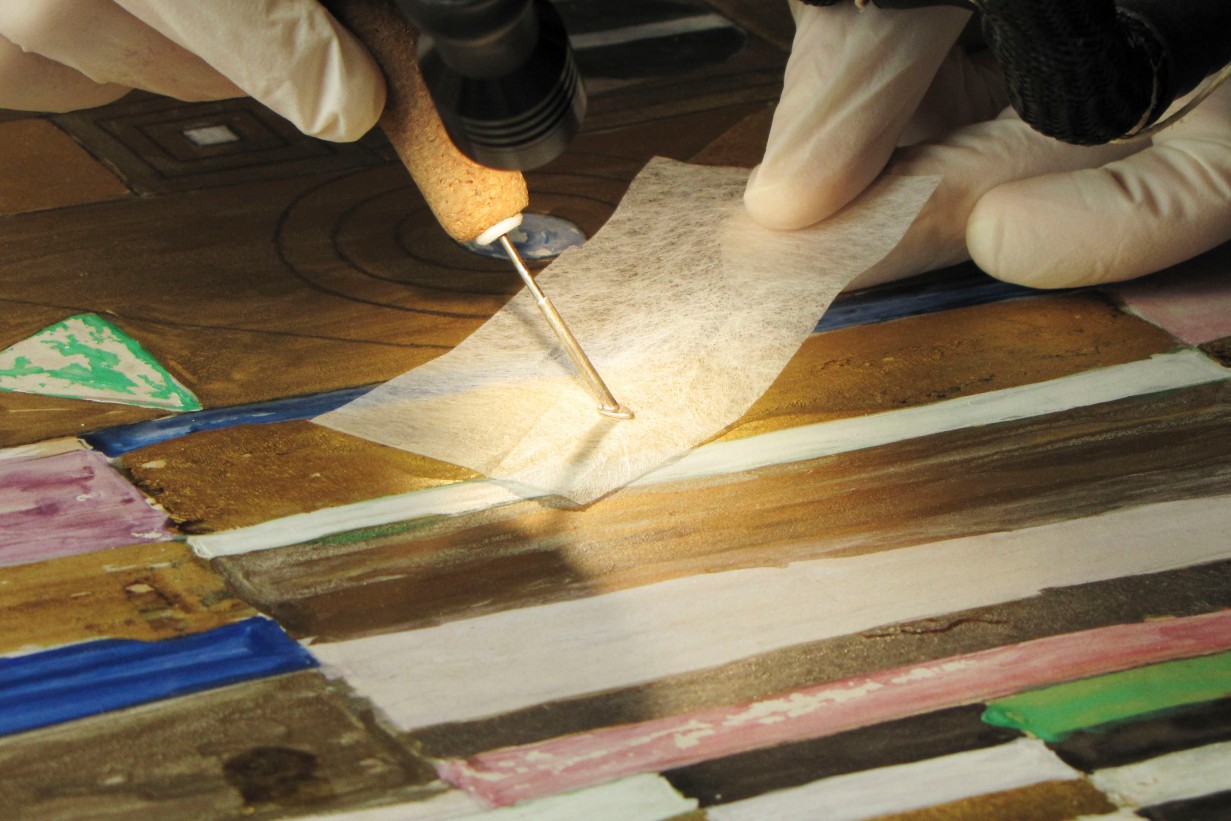
The experts in the MAK workshops restore precious and unique art objects: glass, ceramics and stone, woodwork and furniture, objects and sculptures, paper and graphic art, textiles and upholstery, and clocks and clockwork mechanisms.

Contact: 
MAK Conservation & Workshops
Anne Biber (Head)
T +43 1 711 36-260
The MAK offers expert opinions on the origin and genuineness of an artwork carried out by specialists in the following collection areas.

Book Art and Graphics

Kathrin Pokorny-Nagel

Design

Marlies Wirth
marlies.wirth@MAK.at
T +43 1 71136-305

Glass and Ceramics

Rainald Franz
rainald.franz@MAK.at
T +43-1 71136-220

Metal and Wiener Werkstätte

Anne-Katrin Rossberg
anne-katrin.rossberg@MAK.at
T+43 1 71136-234

Furniture and Woodwork

Sebastian Hackenschmidt
sebastian.hackenschmidt@MAK.at
T +43 1 71136-232

Asia

Mio Wakita-Elis
mio.wakita@mak.at
T +43 1 71136-236

Textiles and Carpets

Lara Steinhäußer
lara.steinhaeusser@MAK.at
T +43 1 71136-230

Fees

Verbal information on the provenance and genuineness of an object: € 50
Written expertise on the provenance and genuineness of an object drawn up in the MAK: € 250
Expert valuation on location (in Vienna), extra charge: € 80/hour
Plus any translation fees which may arise

Please note

Expert opinions can only be given on the basis of the original objects and not of photographs.
The Rights and Reproductions Department is your contact for all image orders and reproduction permissions. You can choose from digital and analog images of all MAK Collection objects as well as exhibition views.
Contact:
Thomas Matyk
T +43 1 711 36-294
repro@MAK.at
Print on Demand:
We offer superlative-quality artistic prints of selected collection highlights: MAK Design Shop

Copyright

All materials made available or published by the MAK are protected by copyright and may only be used after permission by the Rights and Reproductions Department.
 
Personal use of photos of the MAK Collection is permissible.

Publication Fees

Publication of MAK-owned photographic material is subject to a publication fee in an amount dependent upon type of use, circulation and image size.
 
Prices upon request.

Photography

Digitization

Photos of MAK Collection objects are produced at the MAK’s own photo studio. For external customers, we will be happy to produce digital copies for a fee.

MAK Licensing

The exceptionally diverse collection of the MAK represents a source of inspiration for the creative industries. The MAK also cooperates with producers from a wide range of industries in order to develop licensed products from the museum’s own collection.

General Terms

Repro and Photo

The MAK's publications accompany and expand the exhibition program. Another focus is the publication of scholarly reappraisals and documentation of MAK projects.
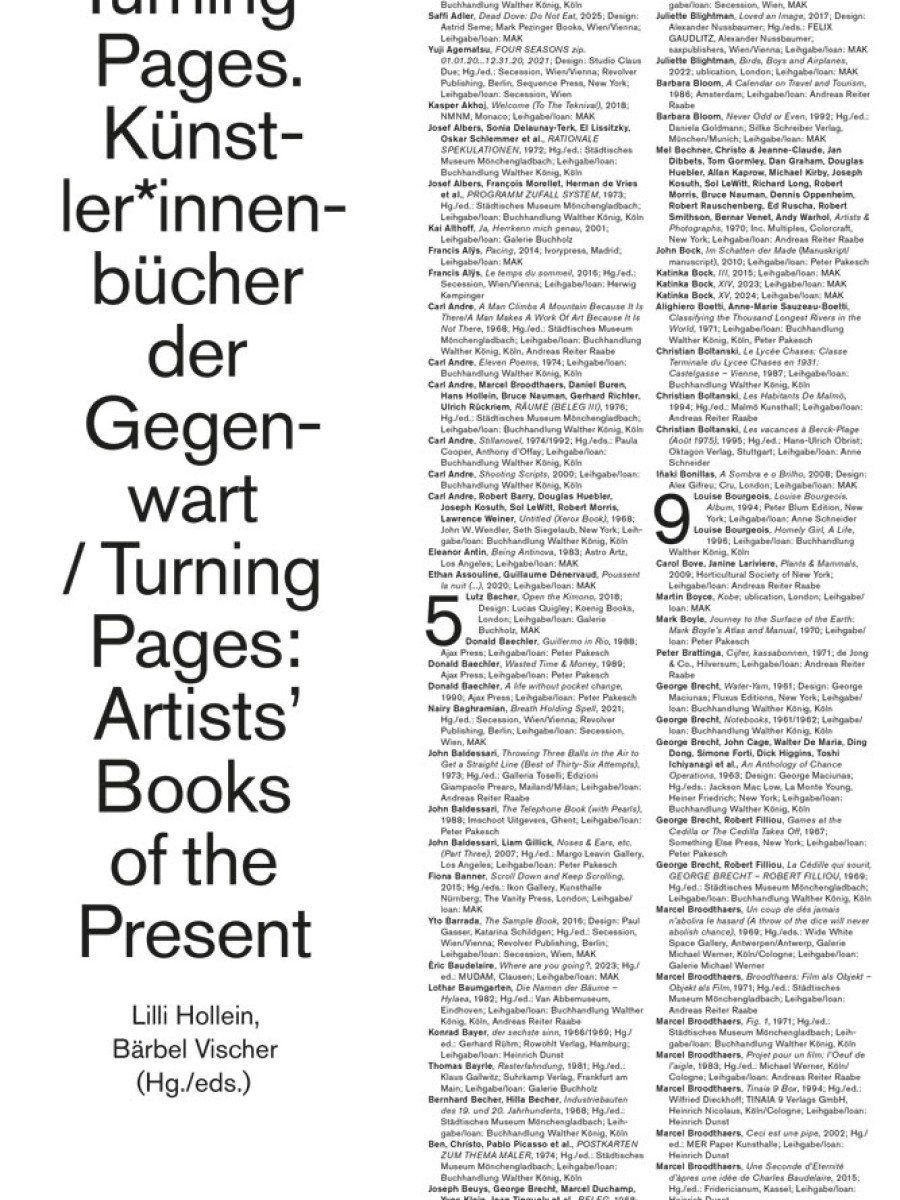
Cover TURNING PAGES

TURNING PAGES: Artists’ Books of the Present

Publication TURNING PAGES: Artists’ Books of the Present, edited and authored by Lilli Hollein and Bärbel Vischer, graphic design by Atelier Dreibholz, Paulus M. Dreibholz & Angelika Mayr. German/English, 72 pages with numerous color illustrations. 

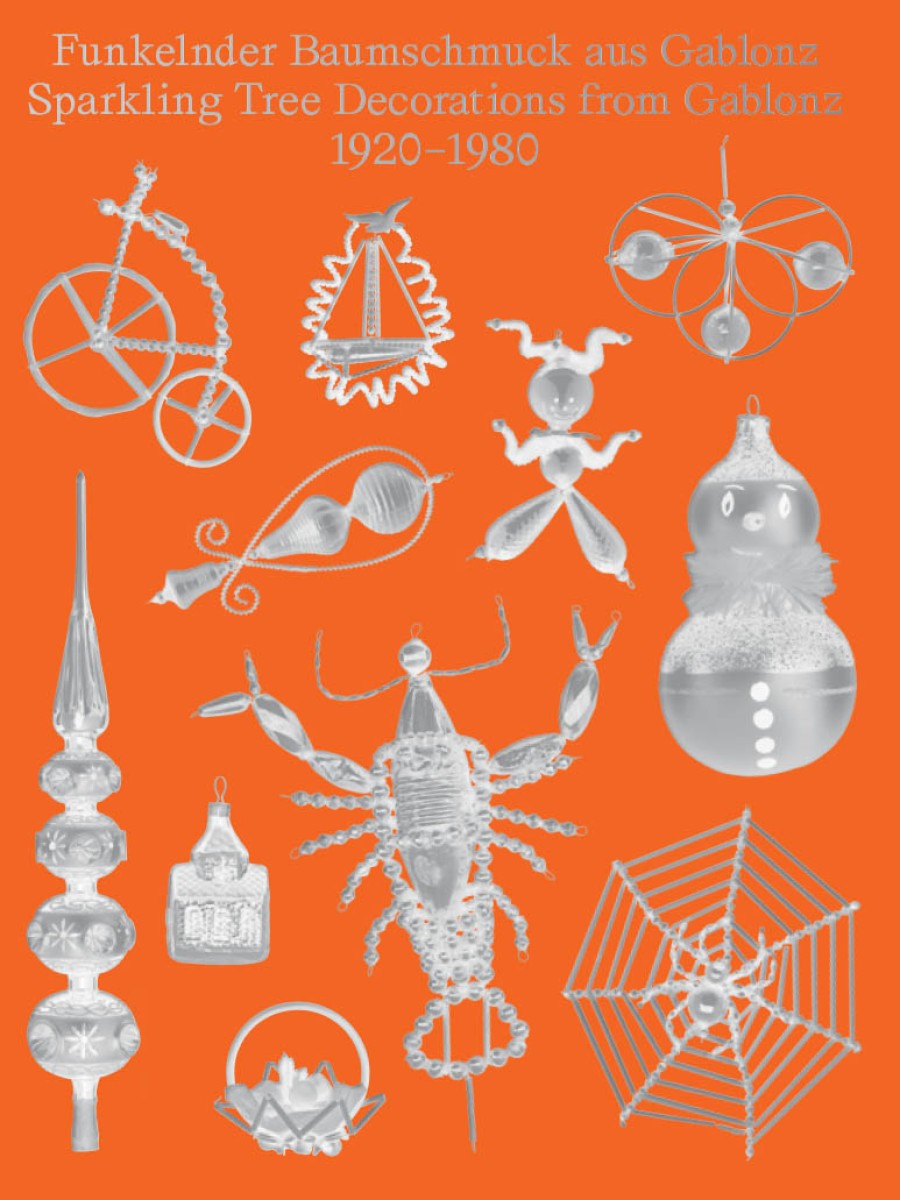
Sparkling Tree Decorations from Gablonz 1920–1980

Edited by Lilli Hollein and Kathrin Pokorny-Nagel, with texts by Lilli Hollein, Petr Nový, Kathrin Pokorny-Nagel, August Ruhs, Nora Witzmann, and an interview with Waltraud Neuwirth. With photos by Christian Mendez and artistic object arrangements by Marlene Mautner.

Published on the occasion of the exhibition at the MAK:

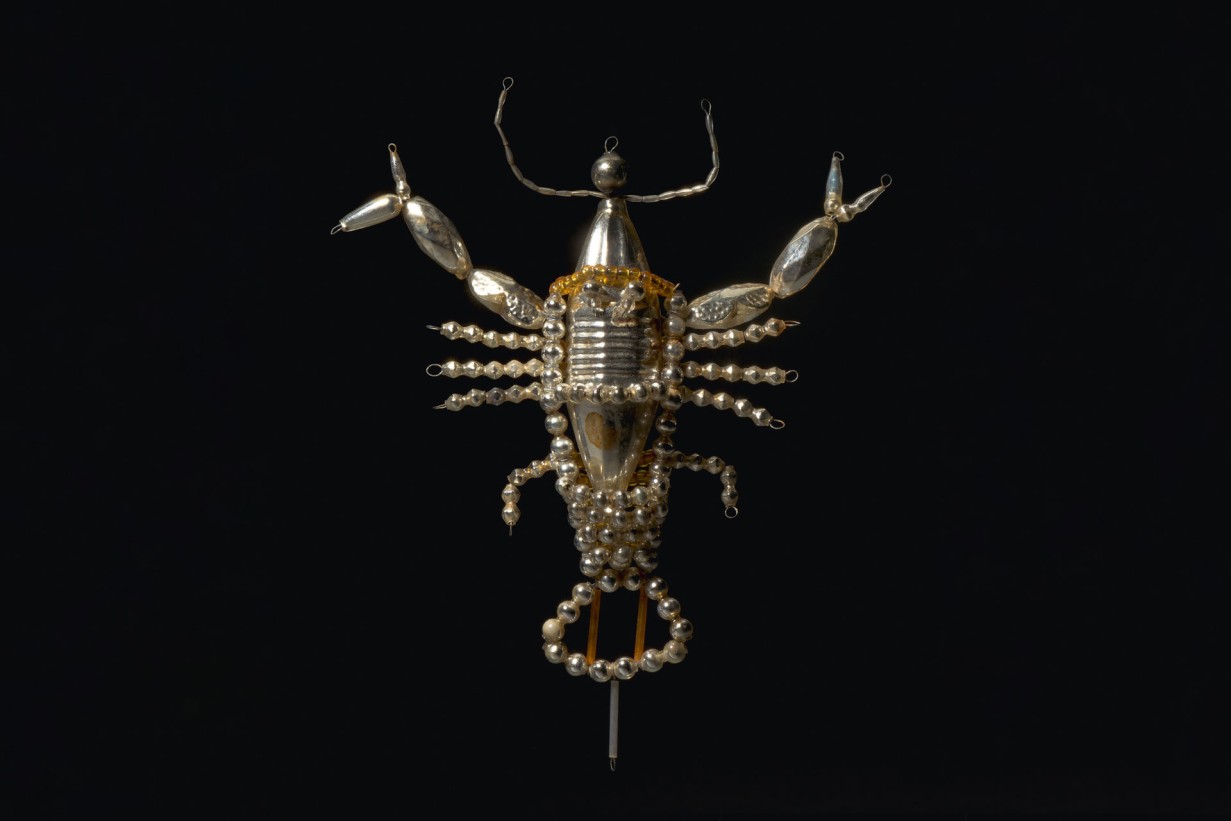
BICYCLE & LOBSTER: Sparkling Tree Decorations From Gablonz

24.9.2025—1.2.2026

German/English, 224 pages with numerous color illustrations.
MAK, Vienna/Verlag der Buchhandlung Walther und Franz König, Cologne 2025.

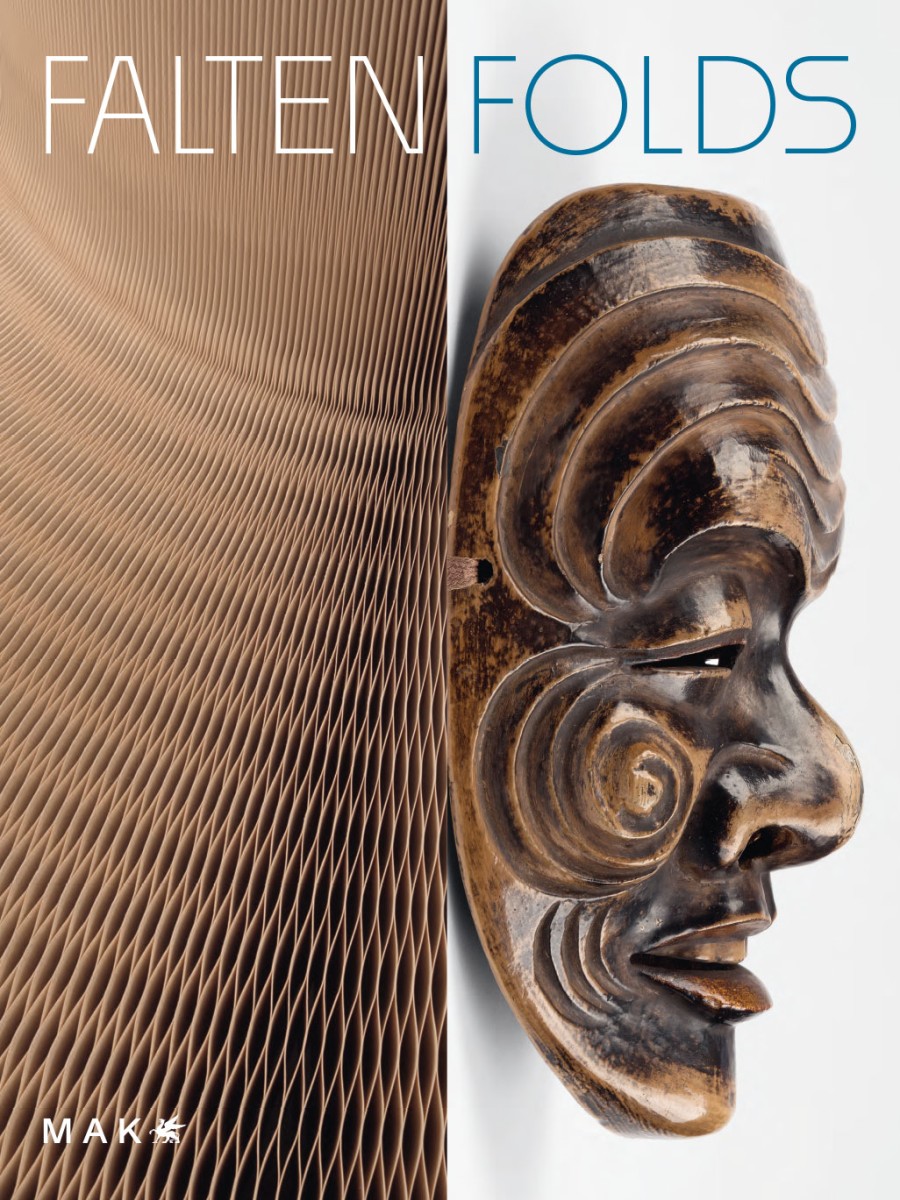
Folds

Edited by: Lilli Hollein, Mio Wakita-Elis

Folds are omnipresent: in fashion, on the biological body, as a basic technique of DIY culture and in many other areas. The publication illuminates the complexity of this universal phenomenon from the perspective of design, culture, art and ideas history as well as cultural anthropology. The catalogue offers a fascinating insight into the subject of folds. Using selected objects from East and West that show great diversity in terms of time, space and material, this book invites you on an intellectual and cultural journey of discovery.

Walter and Franz König, 11/2024
Cover: Paperback / Paperback
Language: German, English
ISBN-13: 9783753307329
Size: 128 pages

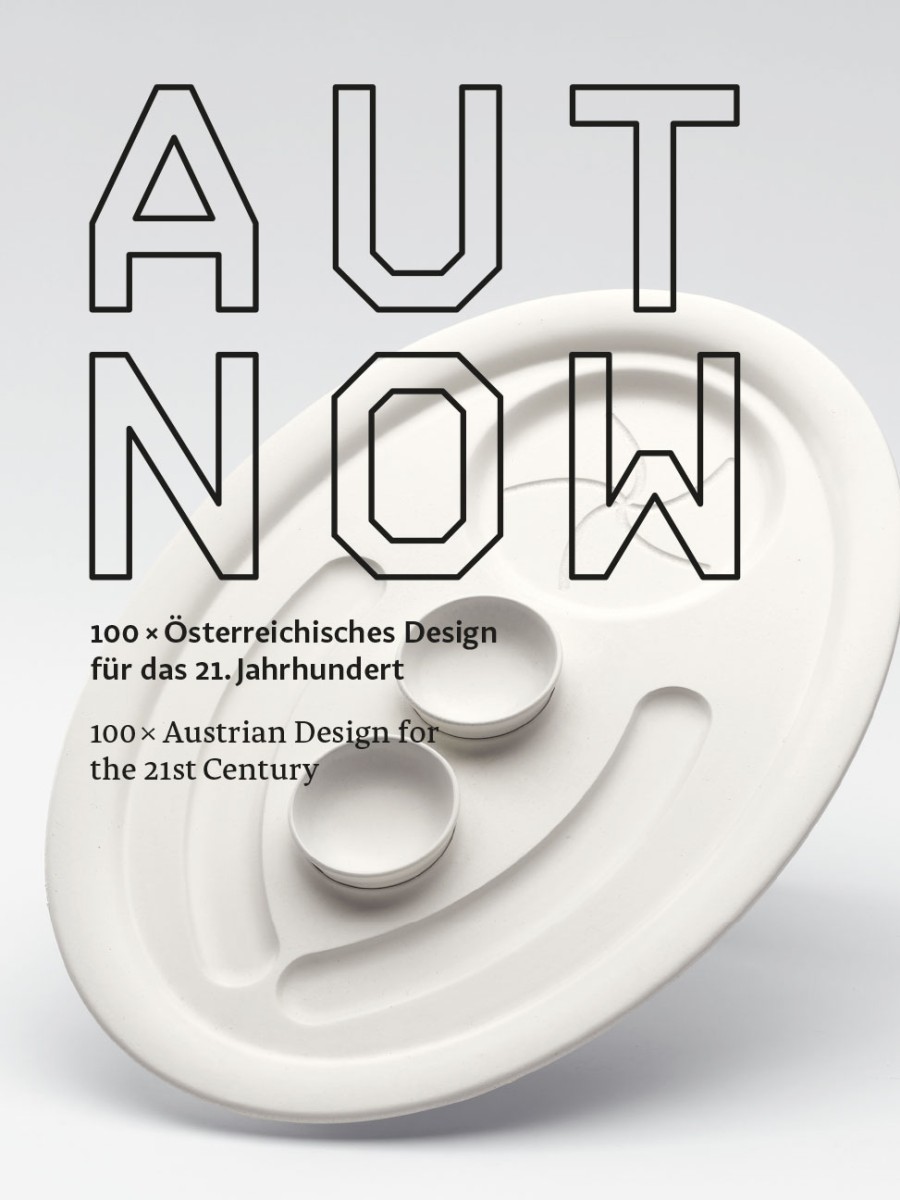
AUT NOW: 100 x Austrian design for the 21st century

Published by: Lilli Hollein, Sebastian Hackenschmidt, Marlies Wirth, Georg Schnitzer, Peter Umgeher.

100 objects, 100 designers – 25 years, 25 categories: Alpine · Design parlant · Do-Easy · Empowerment · Semi-finished product · Craftsmanship · Compact · Concept · Lo-Tek · Luxury · Material as possibility · Man–machine · Possible tools · Participatory · Reduction · Re-typification · Subtle · Super Normal · Tuning · Invisible · Update · Connections · Viennese post-production · Zeitgeist · Circular

Published on the occasion of the exhibition AUT NOW: 100 x Austrian design for the 21st century at the MAK Vienna, 18.9.2024–18.5.2024
Pages: 192
Languages: German, English
17 × 24 cm, brochure
155 color illustrations

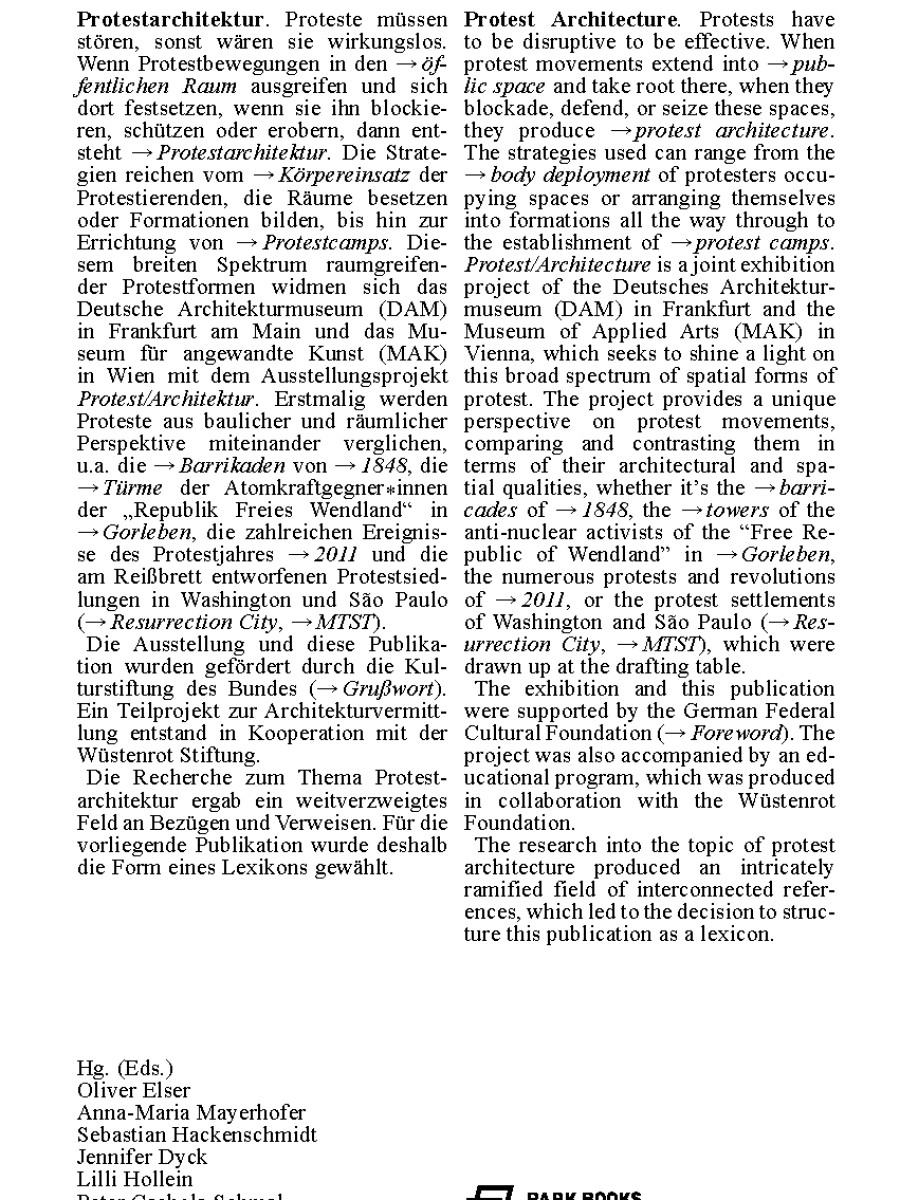
Protest Architecture

Barricades, camps, expansive tactics 1830-2023

Edited by: Oliver Elser, Anna-Maria Mayerhofer, Sebastian Hackenschmidt, Jennifer Dyck, Lilli Hollein, Peter Cachola Schmal.
 

Protest movements shape public space not only through their messages, but in many cases also through their - mostly temporary - buildings. The German Architecture Museum DAM in Frankfurt and the MAK - Museum of Applied Arts in Vienna are pursuing this thesis in an exhibition project funded by the German Federal Cultural Foundation. The topic is discussed using numerous examples from the last 170 years. For the first time, various forms of protest are systematically compared from a structural perspective, including the barricades of the 1848 revolution, the stilt houses of the anti-nuclear power movement in Gorleben (1980), the tent cities of the Arab Spring (2011), and the tree houses in Hambacher and Dannenröder Forst (2018/19) or the fluid, laser-based light spaces of the demonstrators in Hong Kong (2019). Protest Architecture, designed as a lexicon with around 170 entries and 14 longer case studies, is the first international inventory of the architecture of protest and presents it in all its diversity and sometimes ambivalence. The preceding chronology portrays around 50 protest movements and their architectural manifestations on one page and with one illustration.
 

Accompanies the exhibition PROTEST/ARCHITECTURE: Barricades, camps, superglue
An exhibition by the DAM – German Architecture Museum, Frankfurt am Main, and the MAK – Museum of Applied Arts, Vienna (February 14th – August 25th, 2024)
 

Park Books, 2023
German/English, format 17 x 11 cm
528 pages, various colored illustrations


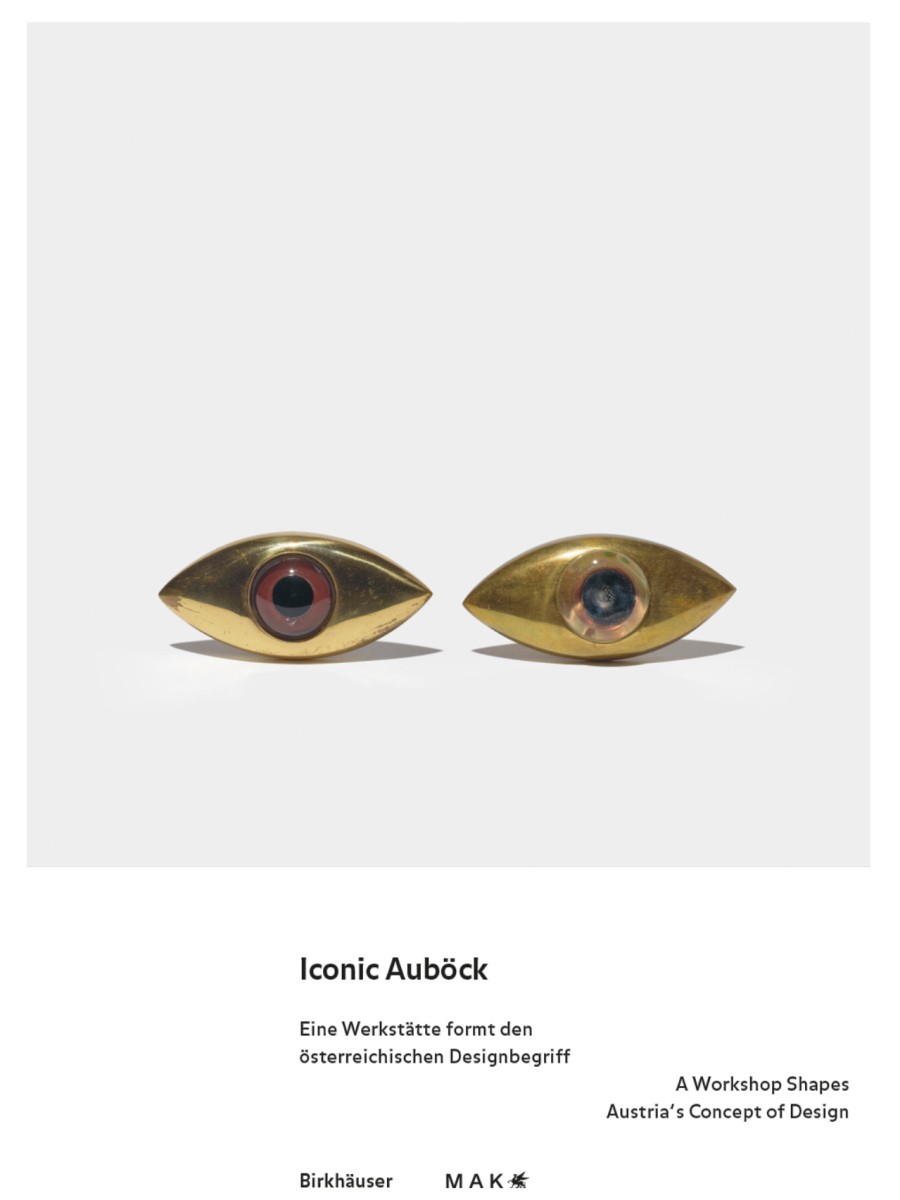
Iconic Auböck

A Workshop Shapes Austria's Concept of Design

Edited by: MAK, Lilli Hollein and Bärbel Vischer
 

The iconic design classics that are still handcrafted today by the Auböck workshop, now in its fourth generation in Vienna, were ahead of their time from the very beginning and have shaped Austrian design across generations.

The exhibition ICONIC AUBÖCK focuses on the style-defining era of the interwar and post-war period through to the experimental 1980s. Inspired by the Bauhaus, Carl Auböck (1900–1957) brought local and international movements together and shaped the characteristic Auböck design, from the paperweight to the tree table or lamp design. He incorporated the concept of the objet trouvé, the found object, into his avant-garde repertoire of forms. The work of sculptor and textile artist Mara Uckunowa (1895–1987), who met and married Auböck at the Bauhaus in Weimar, will be presented for the first time. Their son Carl Auböck (1924–1993) focused on the transformative potential of industrial design and, inspired by his studies in the USA and collaborations with international designers, brought the workshop worldwide recognition.

Published on the occasion of the exhibition at the MAK: ICONIC AUBÖCK, at the MAK Central Room,
15.5.2024—13.10.2024.

Birkhäuser Publishing, Basel 2024
German/English, Size 24 x 17 cm
186 pages, paperback

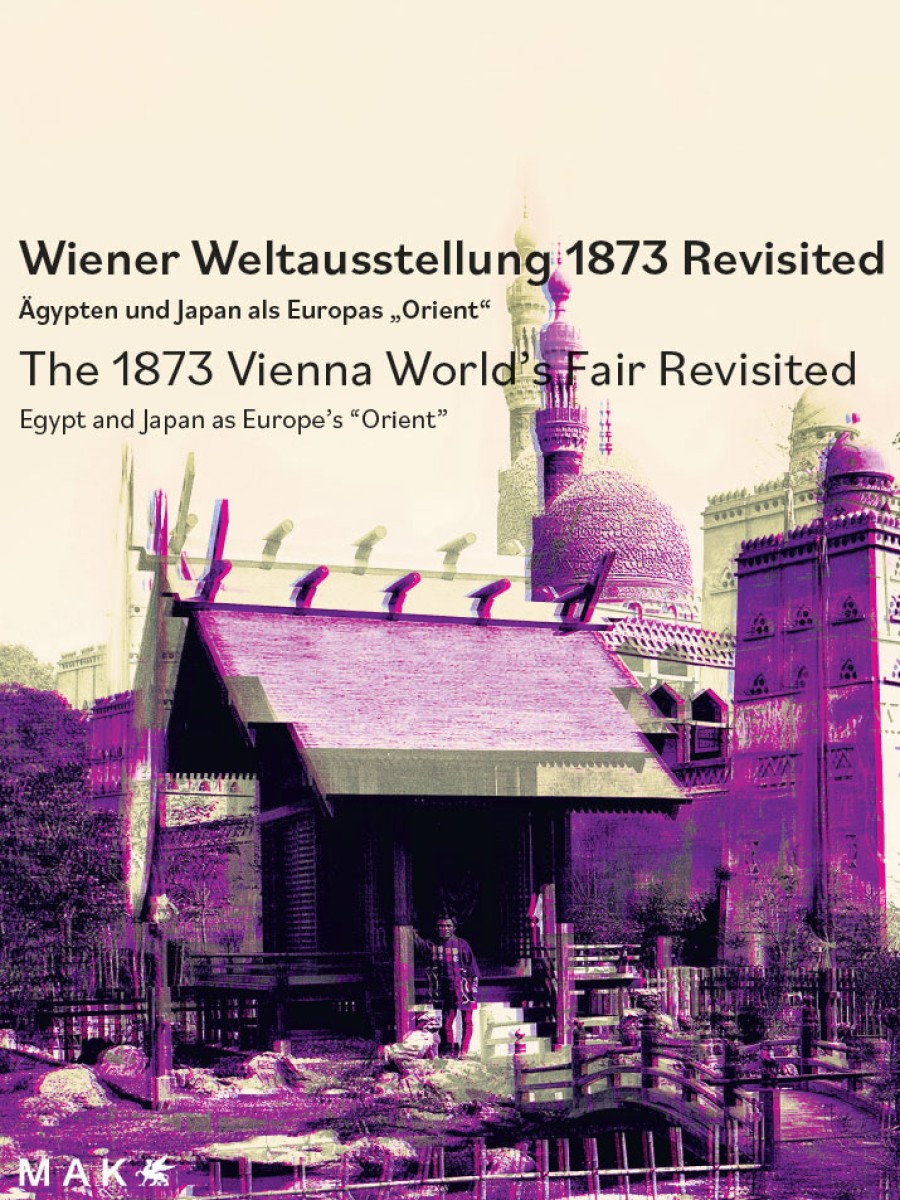
The 1873 Vienna World’s Fair Revisited

Egypt and Japan as Europe’s “Orient”
On the occasion of the 150th anniversary of the Vienna World Exhibition of 1873, the MAK is addressing a critical aspect of this prestigious international show: the presentation of the Orient as an orientalist construct of the 19th century. Using the example of Egypt and Japan, which were often categorized as "Orient" according to the cultural geography of the time, the exhibition WIENER WELTAUSSTELLUNG 1873 REVISITED. Egypt and Japan as Europe's "Orient" highlights different facets of this phenomenon.

German/English, format 25 x 13 cm
62 pages, various color illustrations
2024 MAK, Vienna

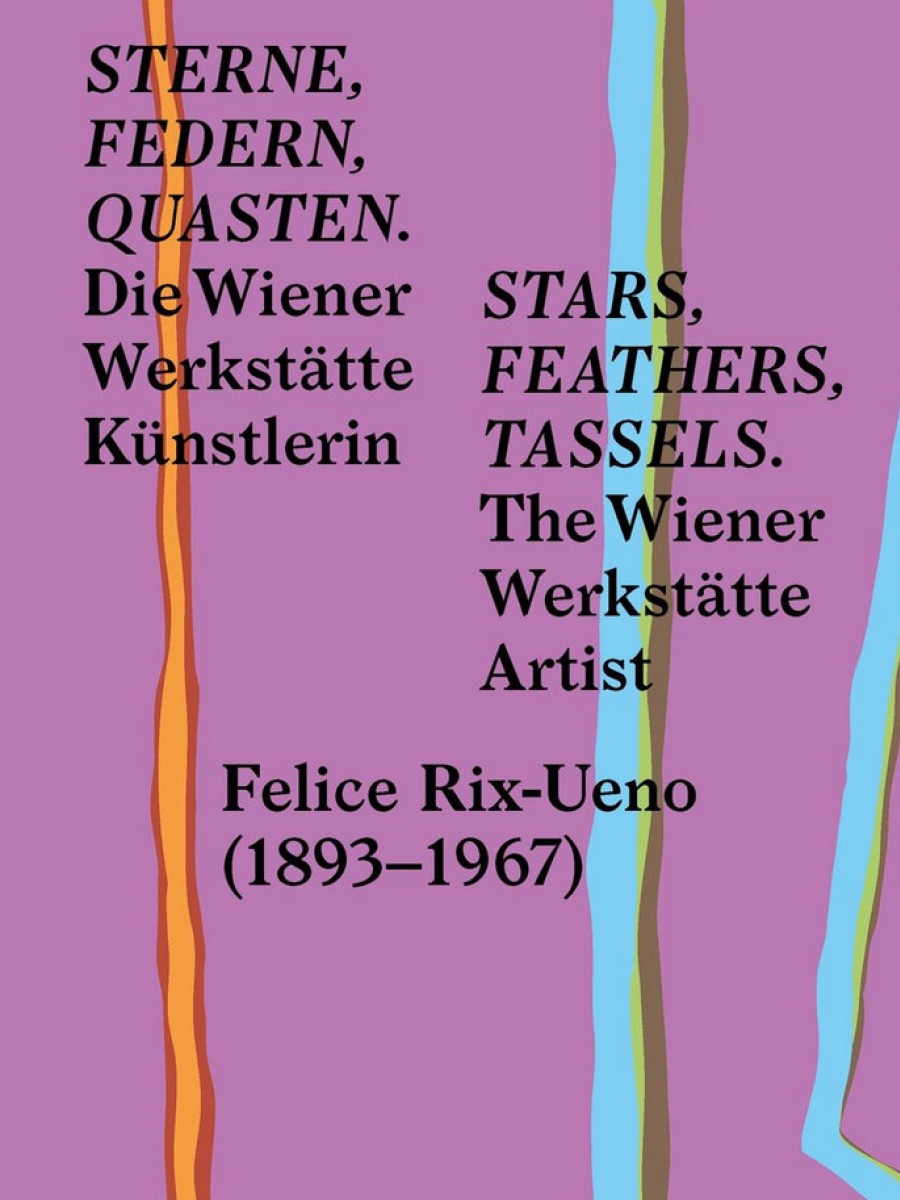
Stars, Feathers, Tassels

The Wiener Werkstätte Artist Felice Rix-Ueno (1893–1967)
Edited by: MAK, Lilli Hollein and Anne-Katrin Rossberg

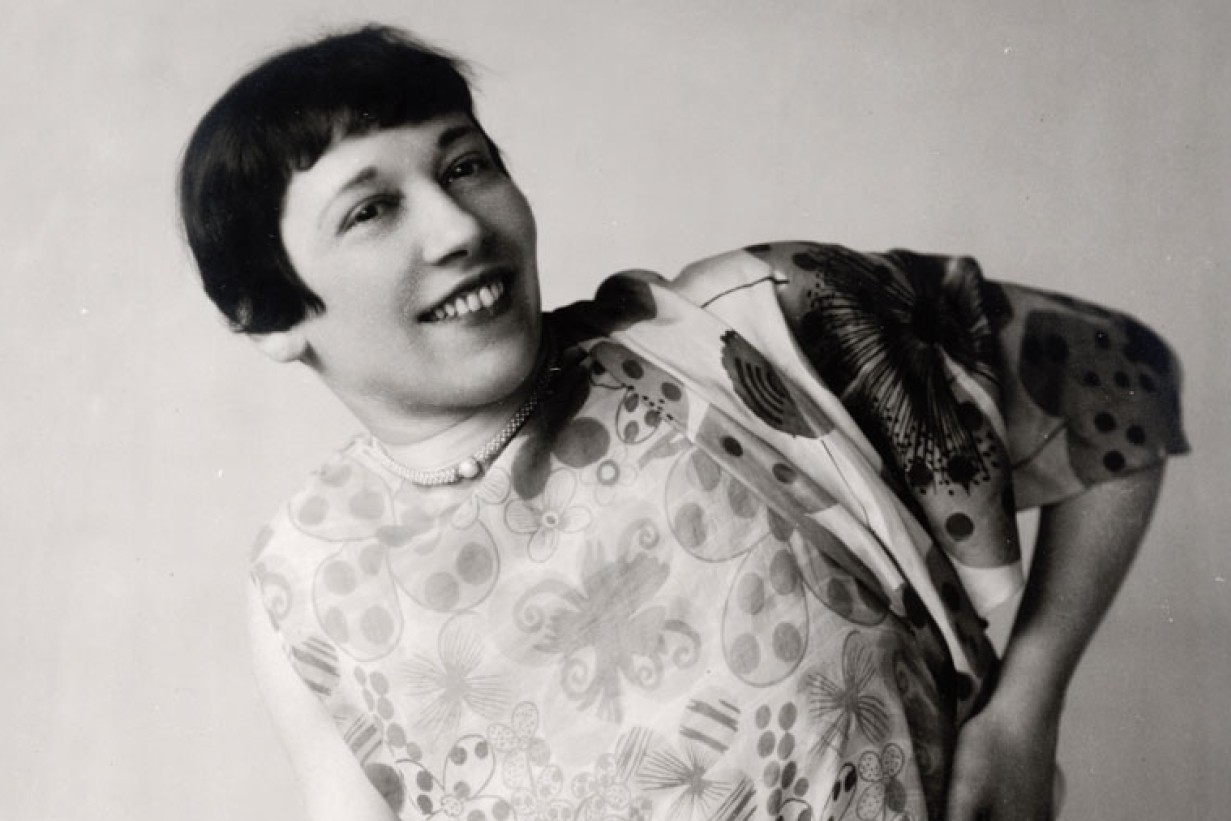
Felice Rix-Ueno studied under Josef Hoffmann, a co-founder of the Wiener Werkstätte (1903–1932). Inspired by the Japanese formal language, she formed her own style, which was expressed in particularly imaginative fabric and wallpaper patterns, fashion and home accessories, and wall paintings. After her marriage to the Japanese architect Isaburo Ueno, she moved to Japan in 1926. There they created joint works that received much attention, such as the Star Bar in Kyoto, which was shown in the famous exhibition Modern Architecture in New York’s MoMa in 1932. Felice Rix-Ueno, who was already prominently represented in the successful MAK exhibition Women Artists of the Wiener Werkstätte, is given a substantial monographic treatment for the first time outside Japan with this catalog.

Published accompanying the MAK exhibition
22.11.2023—21.4.2024

Birkhäuser Verlag, Basel 2023
German/English, Format 24 x 17 cm
192 pages, 119 Coloured Illustrations

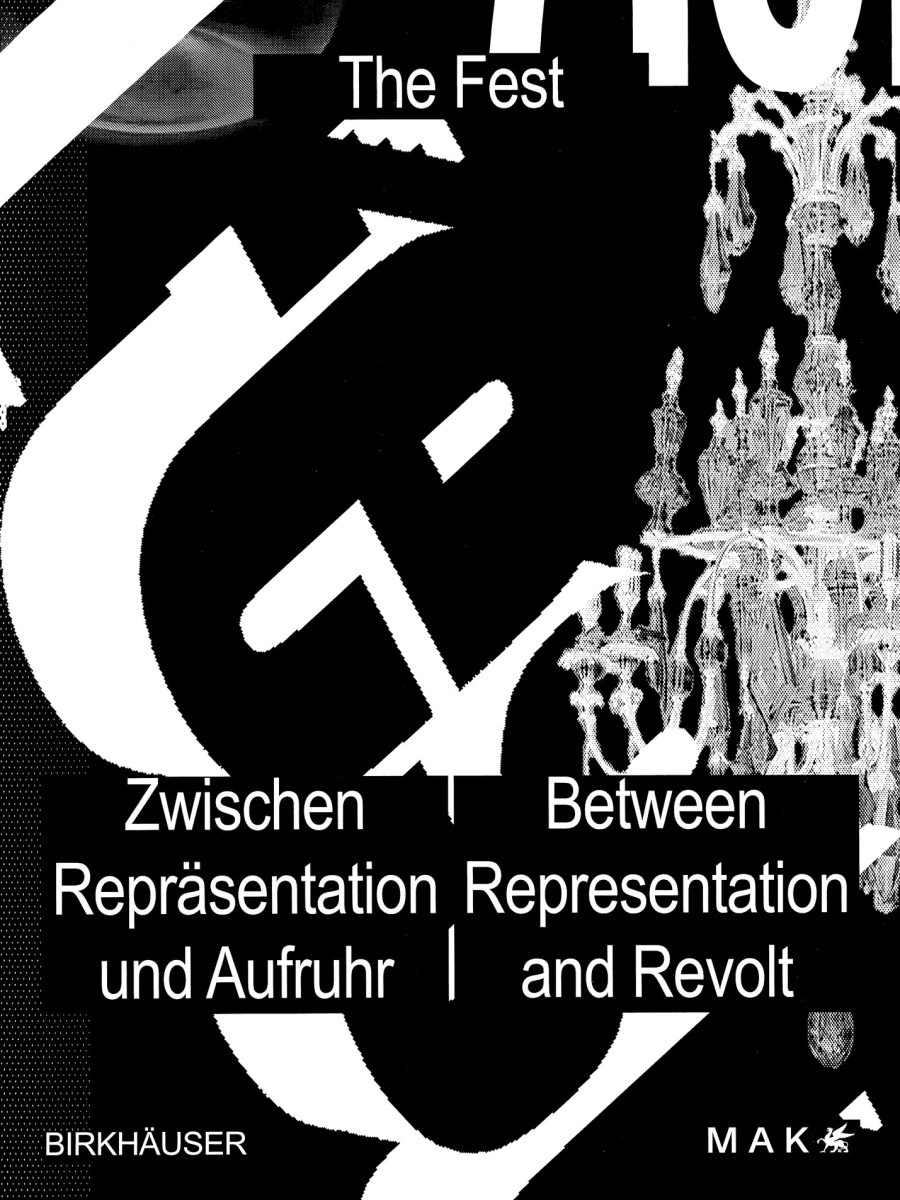
The Fest

Between Representation and Revolt
Published on the occasion of the exhibition of the same title.

Edited by Lilli Hollein, Brigitte Felderer, Anne-Katrin Rossberg, with contributions by Chiara Baldini, Bogomir Doringer; Brigitte Felderer, Rainald Franz, Sebastian Hackenschmidt, Lilli Hollein, Werner Oechslin, Kathrin Pokorny-Nagel, Anne-Katrin Rossberg, Peter Sandbichler, Lara Steinhäußer, Bärbel Vischer, Mio Wakita-Elis, Marlies Wirth. German/English, ca. 432 pages with numerous illustrations. MAK, Vienna/Birkhäuser Verlag, Basel 2023.

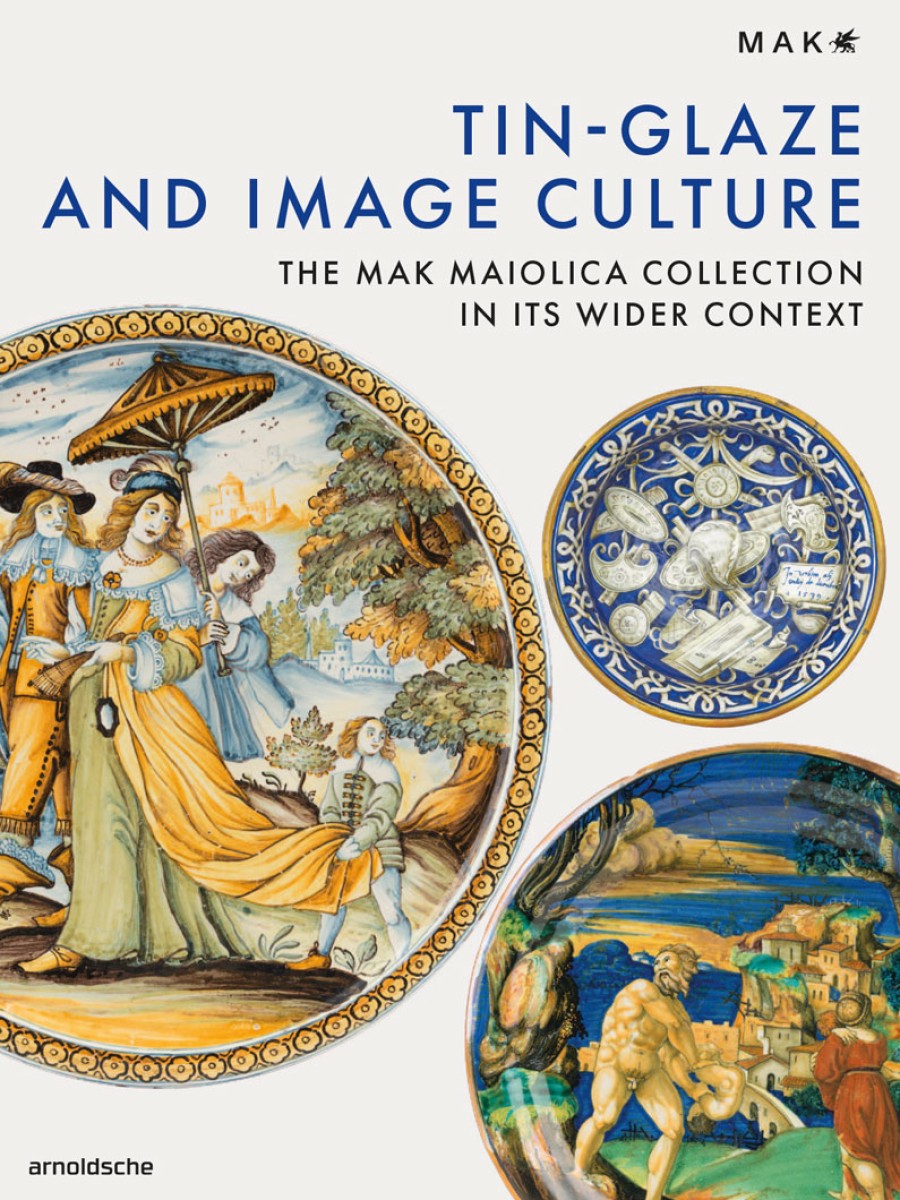
Tin-Glaze and Image Culture

The MAK’s Maiolica Collection in Its Wider Context
Published on the occasion of the exhibition of the same title.

Edited by Lilli Hollein, Rainald Franz, and Timothy Wilson, with contributions by Rainald Franz, Michael Göbl, Nikolaus Hofer, Lilli Hollein, and Timothy Wilson. English, 288 pages with numerous color illustrations. MAK, Vienna/arnoldsche Art Publishers, Stuttgart 2022.

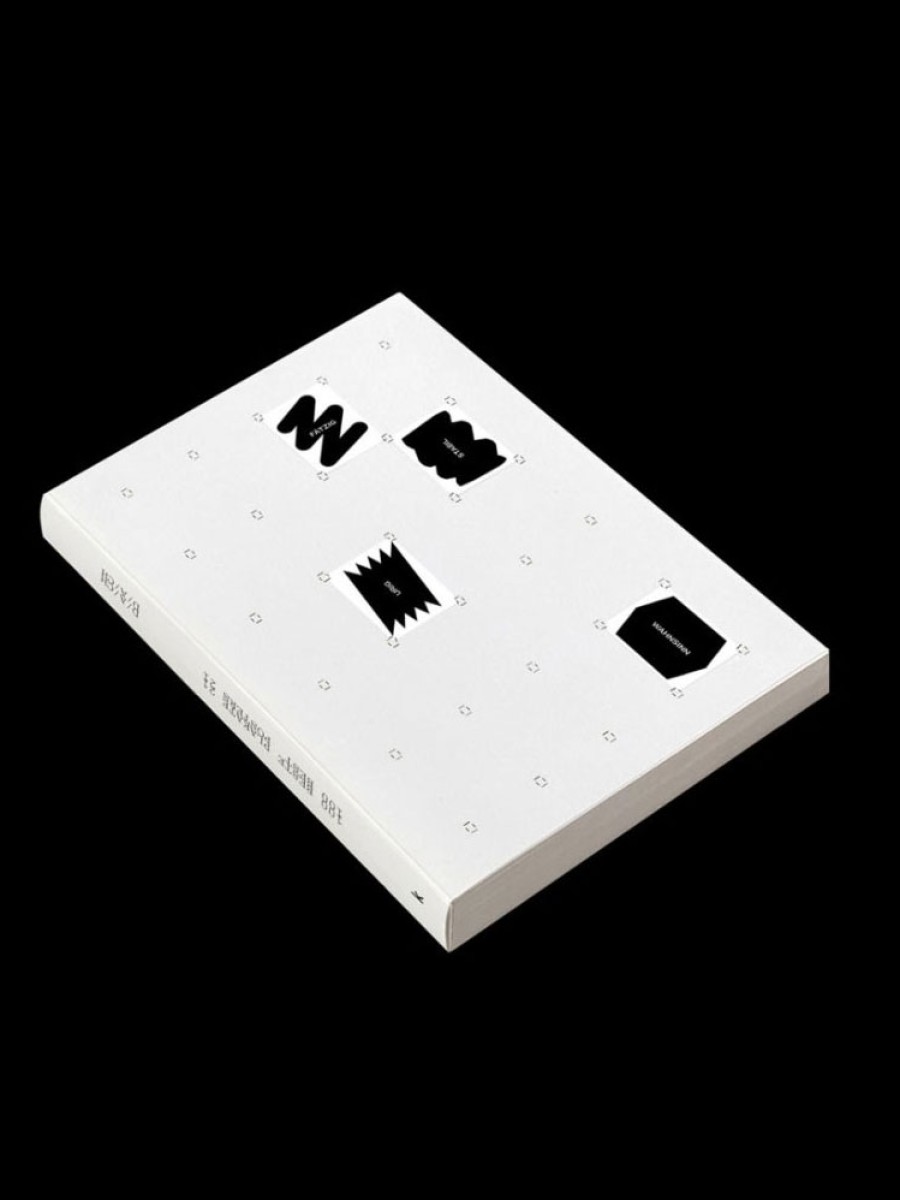
100 Best Posters 21

Germany Austria Switzerland
Published on the occasion of the exhibition of the same title.
 
704 pages
16,5 × 24 cm, Softcover
Verlag Kettler, Dortmund, 2022 
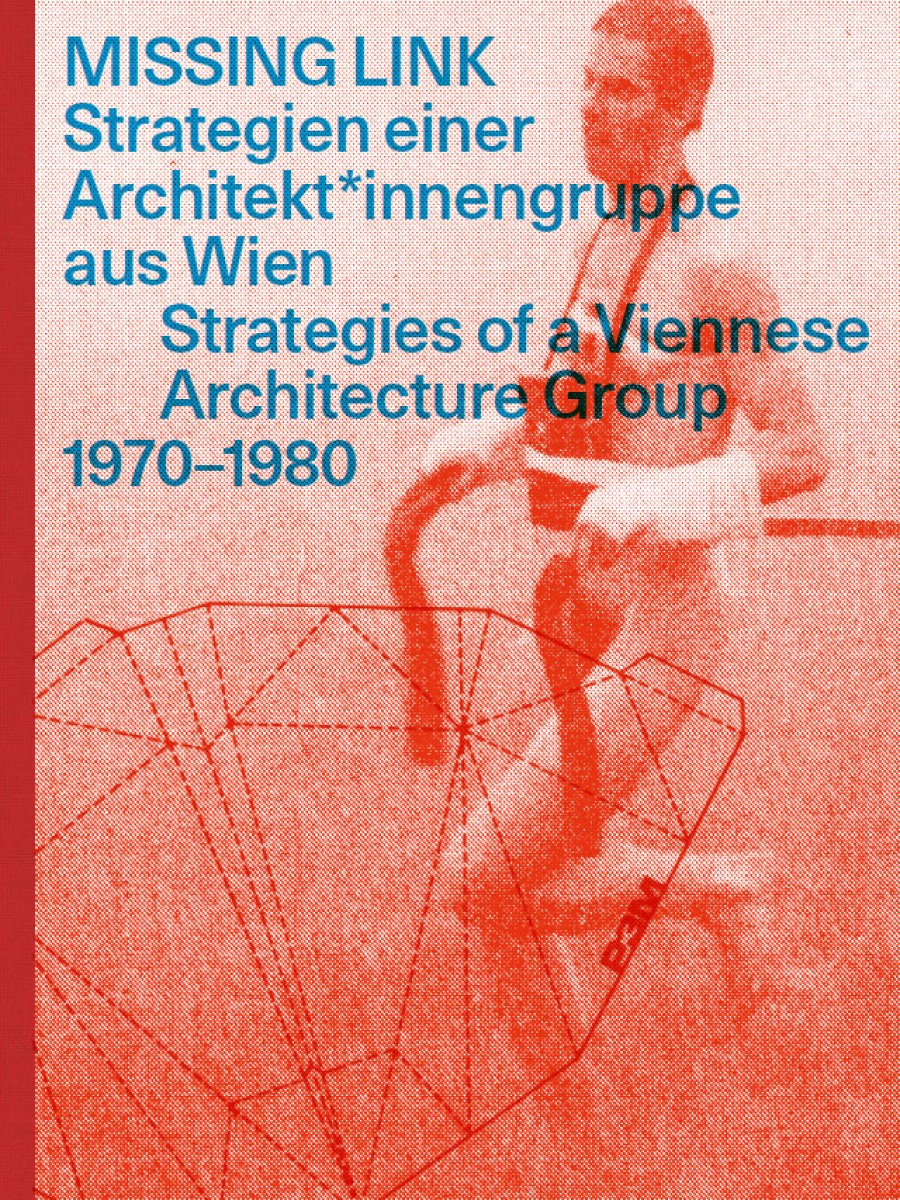
Cover Missing Link

Missing Link

Strategies of a Viennese Architecture Group 1970–1980
Published on the occasion of the exhibition of the same title. 

By Anna Dabernig and Sebastian Hackenschmidt, edited by Lilli Hollein and Sebastian Hackenschmidt. German/English, 332 pages with a comprehensive catalogue raisonné and numerous illustrations, most of which are published here for the first time. MAK, Vienna/Birkhäuser Verlag, Basel 2022.
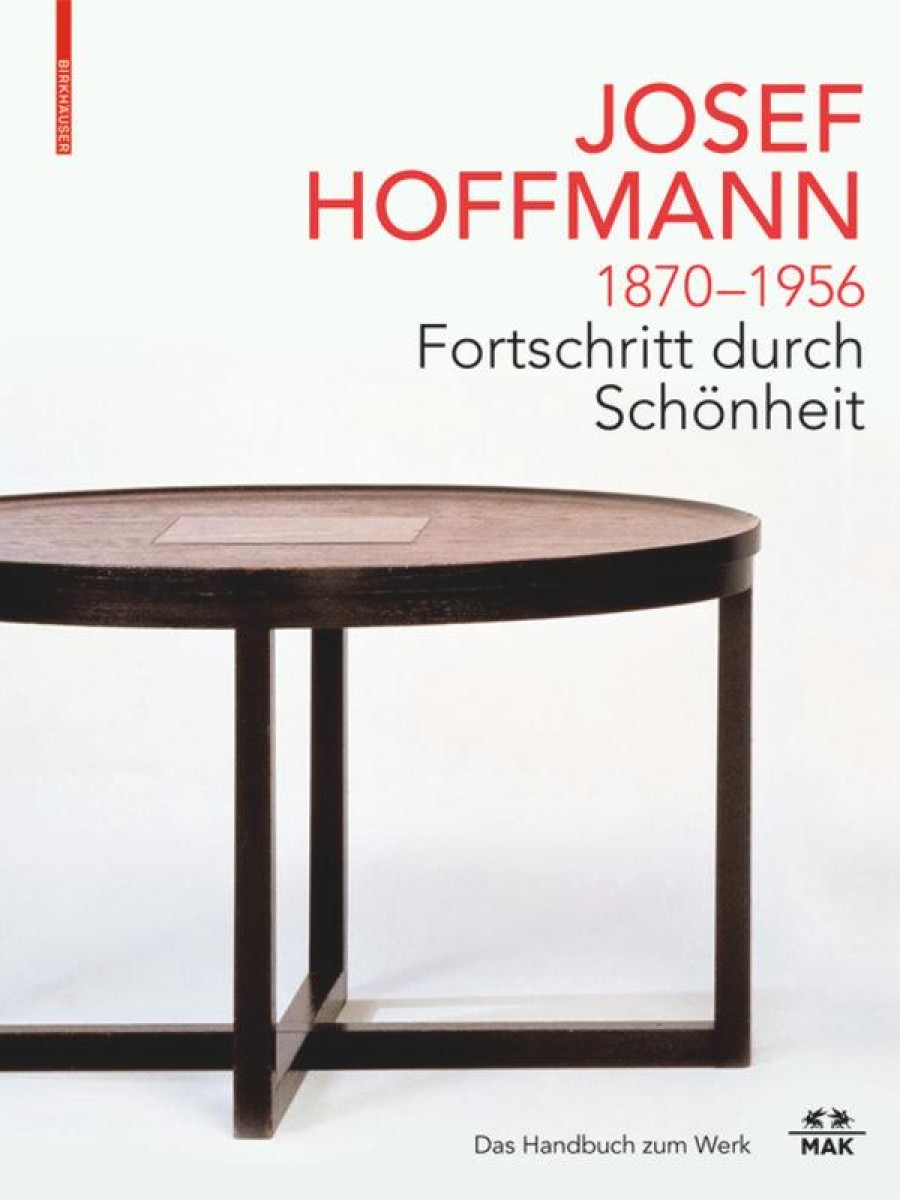
Cover Josef Hoffmann 1870–1956

Josef Hoffmann 1870–1956

Progress Through Beauty
Published for the exhibition of on the same title (2021/2022).

Edited by Christoph Thun-Hohenstein, Matthias Boeckl, Rainald Franz, and Christian Witt-Dörring, with contributions by Matthias Boeckl, Elisabeth Boeckl-Klamper, Rainald Franz, Anette Freytag, Sebastian Hackenschmidt, Otto Kapfinger, Markus Kristan, Christopher Long, Klára Němečková, Andreas Nierhaus, Jan Norrman, Eva-Maria Orosz, Adrián Prieto Fernandez, Ursula Prokop, Lara Steinhäußer, Valerio Terraroli, Wolfgang Thillmann, Christoph Thun-Hohenstein, and Christian Witt-Dörring. English, 448 pages with numerous color illustrations. MAK, Vienna/Birkhäuser Verlag, Basel 2021. 
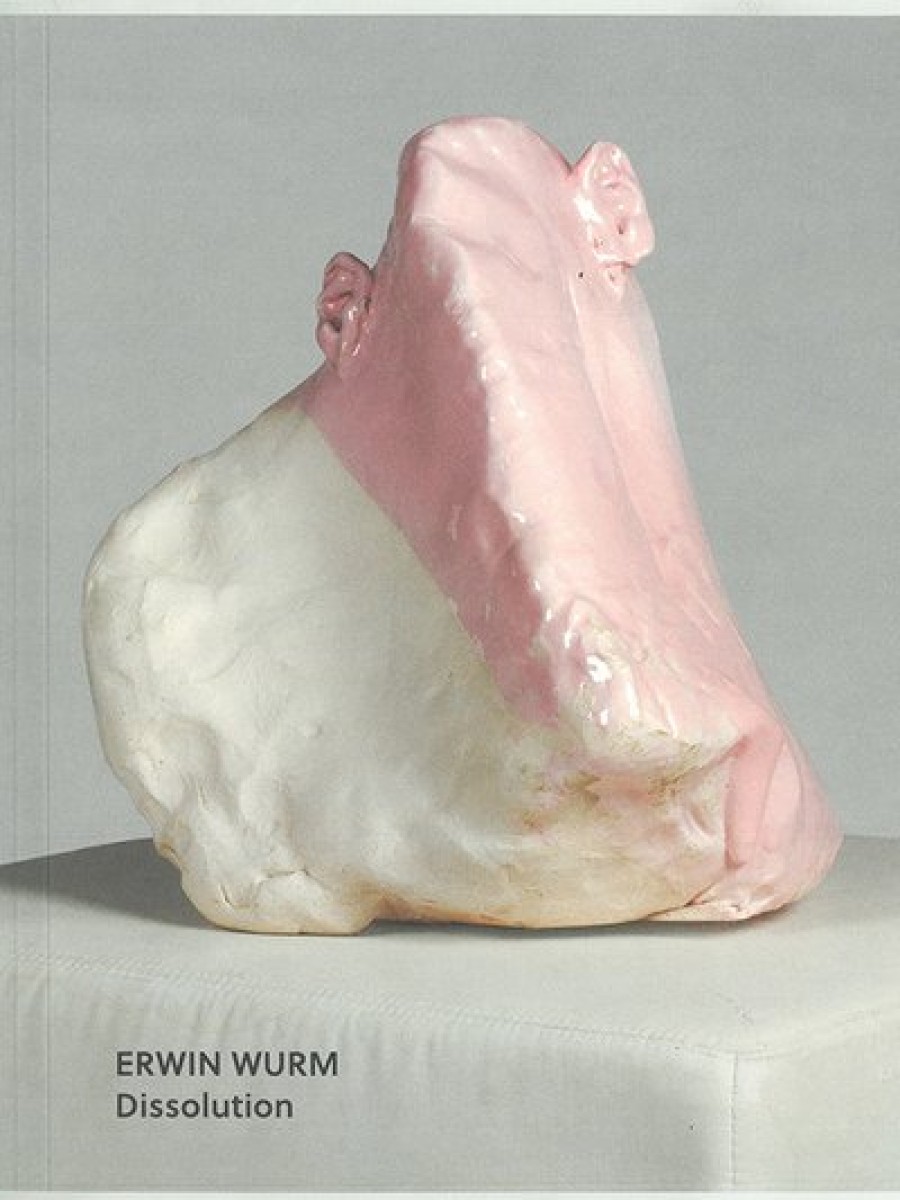
Cover Erwin Wurm. Dissolution

Erwin Wurm

Dissolution
Published on the occasion of the exhibition of the same title.

Edited by Christoph Thun-Hohenstein, Rainald Franz, and Bärbel Vischer. With contributions by Christoph Thun-Hohenstein, Rainald Franz, and Bärbel Vischer as well as an interview with the artist. German/English, 64 pages with numerous color illustrations. MAK, Vienna/arnoldsche Art Publishers, Stuttgart 2021.

Vienna Biennale for Change 2021 Guide

On the occasion of the  Vienna Biennale for Change 2021: Planet Love. Climate Care in the Digital Age a guide under the same title will be published, edited by the MAK, German/English, 192 pages with numerous color illustrations, MAK Vienna/Verlag für moderne Kunst, Vienna 2021. 
Scientific research enables substantiated, constantly updated discussion of the MAK Collection. In this context, a wide range of online collaborations with museums, institutions, and online projects develop. Access to the MAK Collection is thus made available to an international public.

MWNF

Museum with no Frontiers

CERL

Consortium of European Research Libraries

Partage Plus

Digitising and Enabling Art Nouveau for Europeana

Hochschule Luzern

Produkt & Textil Forschungsgruppe
Silk History since 1800
One of the MAK Library and Works on Paper Collection’s central tasks is the rigorous scholarly processing and digitalisation of the collection’s inventory. At sammlung.MAK.at more than 160 000 image and data records can thus be accessed by researchers and the broader public. The exceptionally high number of page views and a constantly increasing volume of requests for object loans and reproduction rights bear witness to the positive reception of these efforts, fostering dialogue between the collection and its users.
 
Numerous research projects, some of them supported by outside funding, place the collection’s holdings in ever-new contexts, the results of these projects eventually finding their way into exhibitions and publications.
 
In 2001, the museum’s tradition of regular publishing was successfully revived: MAK Studies, a series of publications initiated by the Library and Works on Paper Collection, casts an interdisciplinary light as well as opens up new perspectives on the MAK Collection. To date, 28 MAK Studies have been published. Special mention should be made of the 2017 publication Ephemera, that reproduces from a range of scholarly perspectives the unique body of commercial graphic works in the MAK Library and Works on Paper Collection. The publication received the European Design Award.  
 
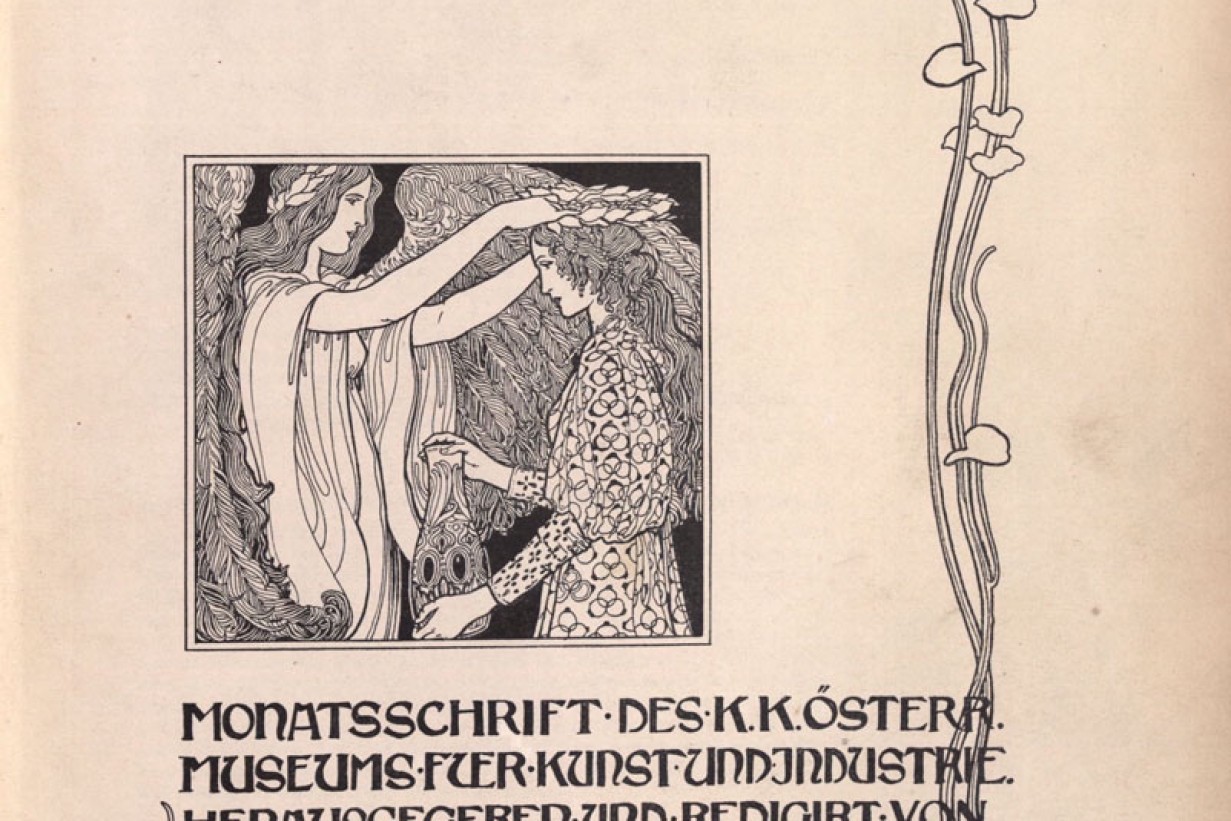
Starting in 2012, the Journals published by the MAK—Mittheilungen des k. k. Österreichischen Museums für Kunst und Industrie (1863–1897), Kunst und Kunsthandwerk (1898–1926) and Alte und Moderne Kunst (1956–1985)—have been scanned and indexed and their full text made available online. This abundant resource for researchers has been further enriched since 2018 by the successive digitalization of the MAK in-house catalogs, providing a comprehensive history of the museum’s exhibitions.
 
Through its projects, the MAK Library and Works on Paper Collection underscores the MAK’s prominent position in the world of museum scholarship.