© Graphic Design: Theresa Hattinger
Previous Image
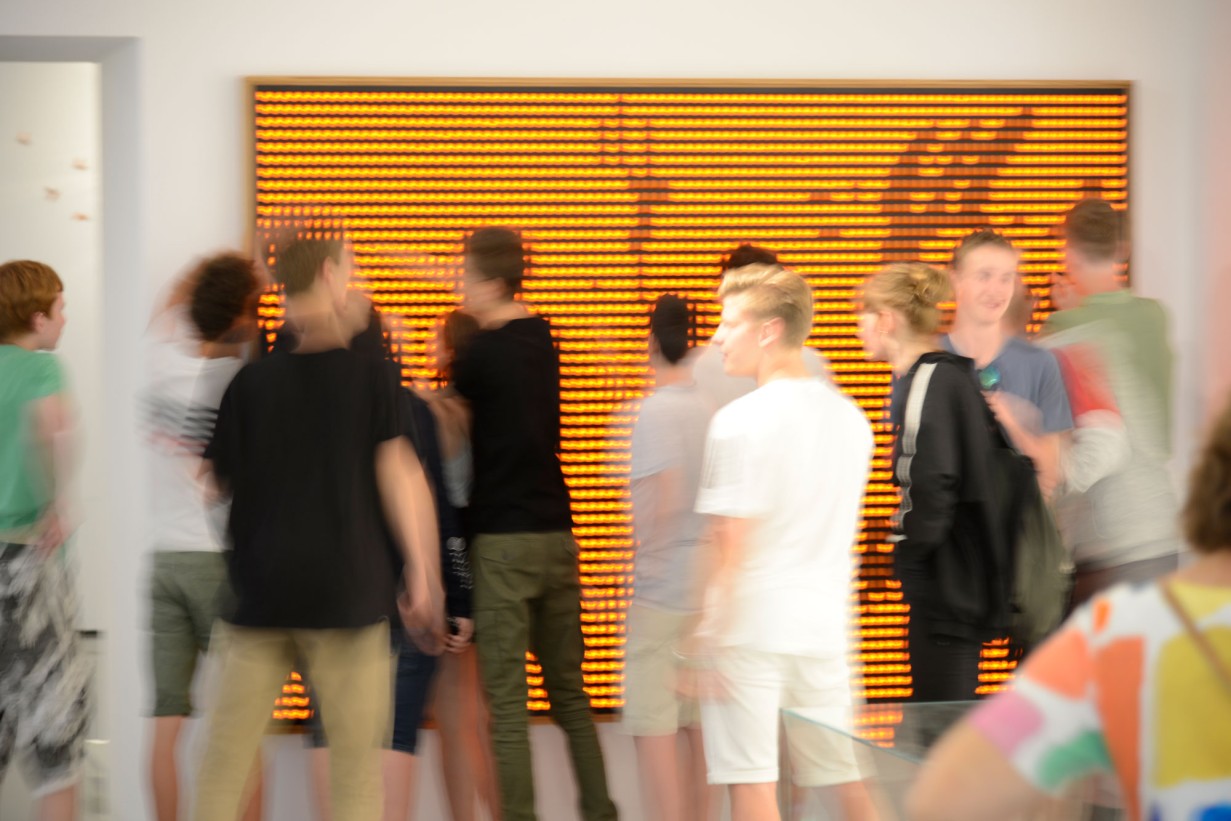
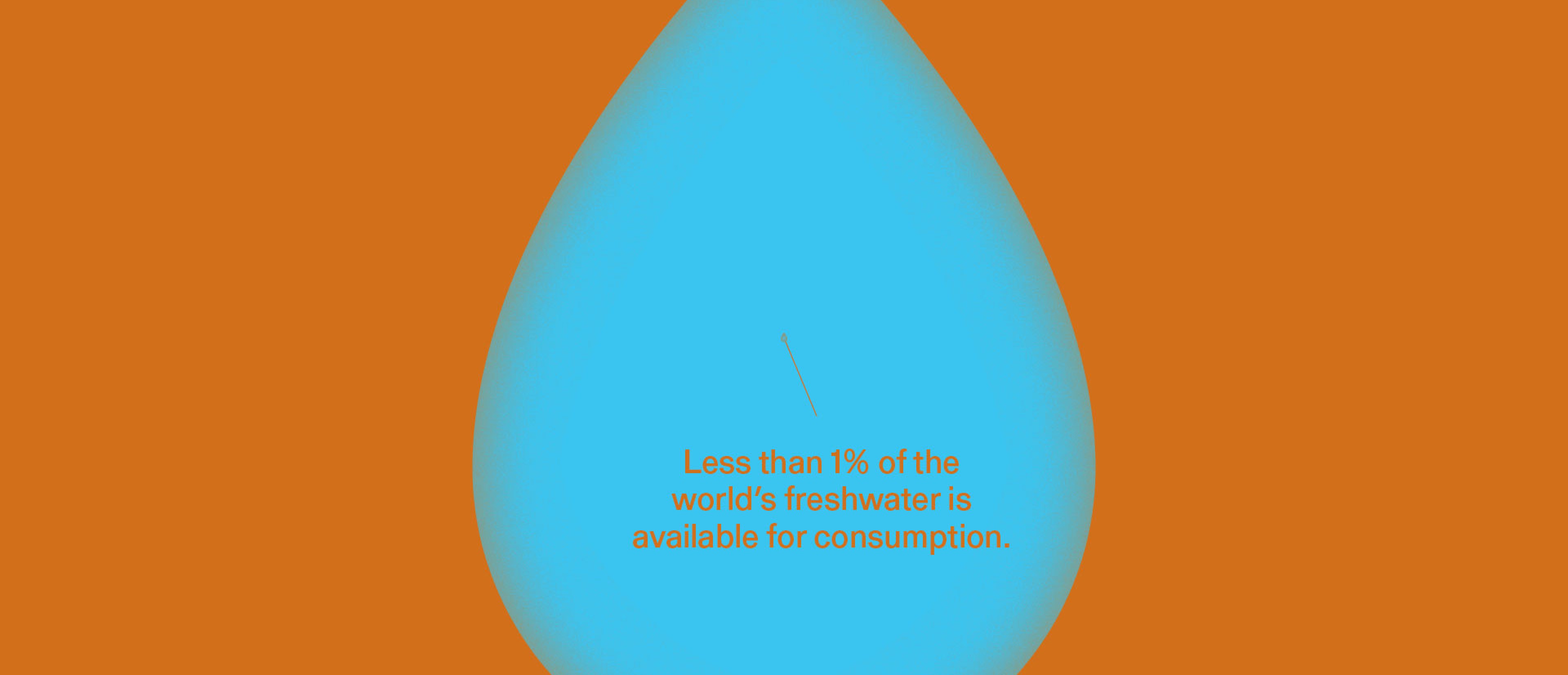
The exhibition WATER PRESSURE: Designing for the Future focuses on water as a resource between scarcity and excess; it combines the creative power of design, art, and architecture with visionary concepts from science to address the global challenge of not only preserving the unique and vital substance of water but also using it more sustainably and equitably in the long term.
21.5.2025—7.9.2025
Upper Exhibition Hall
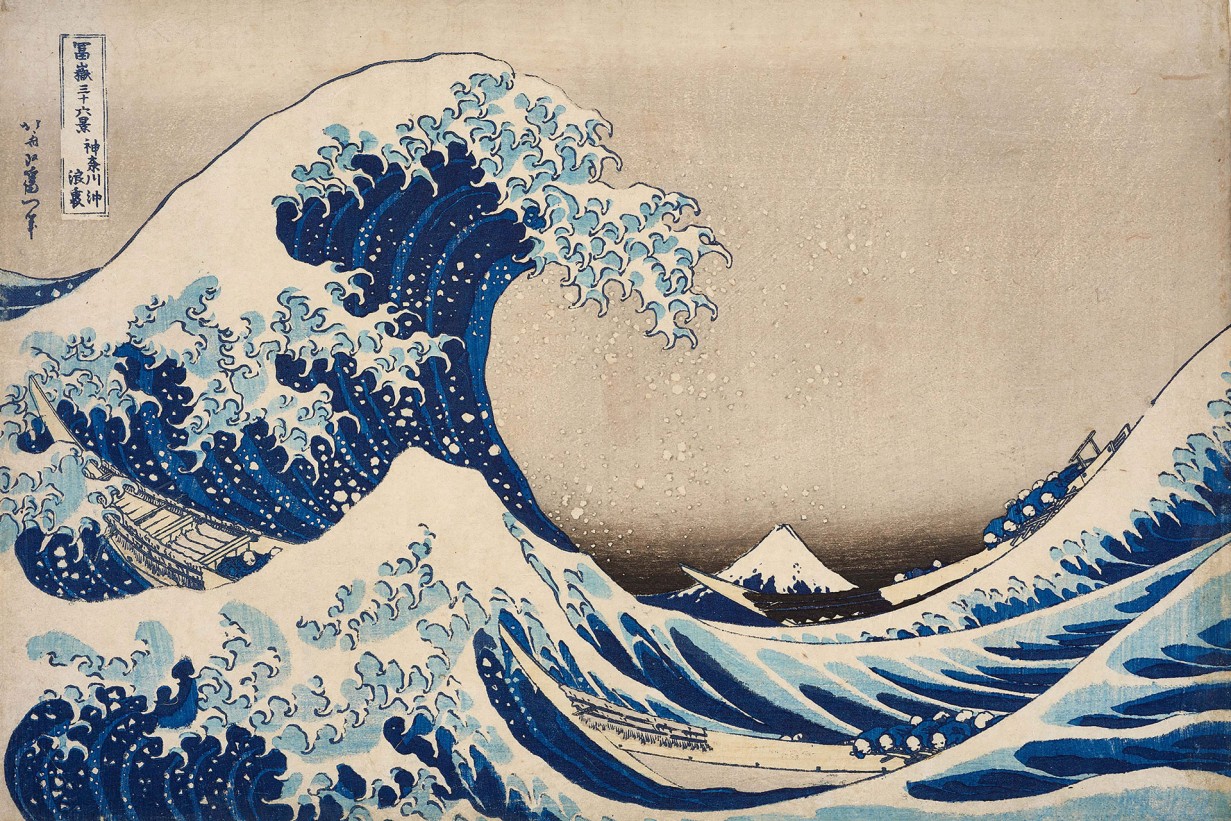
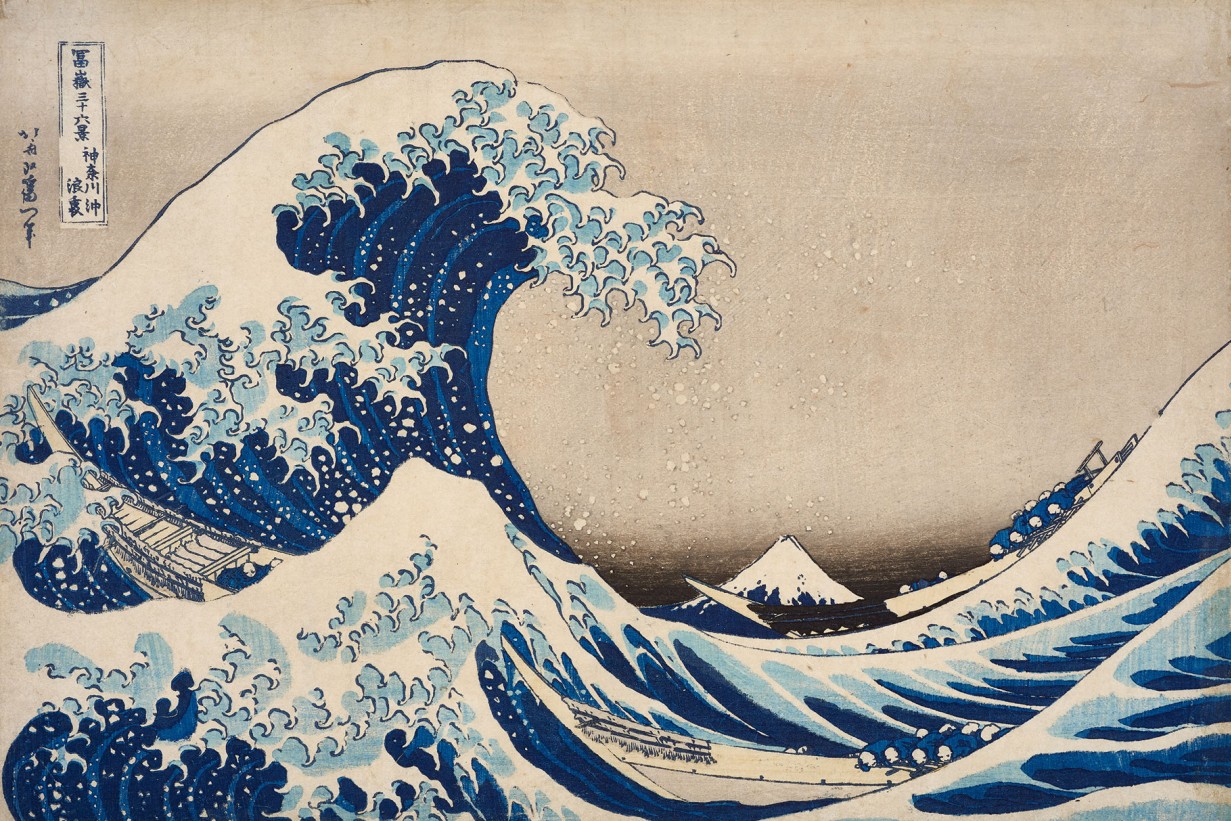
From 23.8.2025: For two weeks, visitors will once again have the rare opportunity to see the original version of the world-famous color woodblock print UNDER THE WAVE AT KANAGAWA (Japan, ca. 1830) by Katsushika Hokusai (1760–1849), known as The Great Wave. The print is one of the most famous graphic works in the world and is among the most frequently reproduced works of art internationally—the wave has even been given its own emoji. On display from August 23 to September 7, 2025, in the exhibition WATER PRESSURE.
_________
Water is the only substance on Earth that exists in nature in all three states of matter—liquid as water, solid in the form of ice, and gaseous as water vapor. This unique property influences the climate, the water cycle, and the living conditions of all organisms.
Although access to water is recognized as a human right, around two billion people worldwide lack access to clean drinking water, and approximately 3.5 billion have to live without basic sanitation. Overexploitation of water resources as well as the drying up and pollution of rivers, lakes, and groundwater reserves exacerbate this crisis.
Across five chapters, WATER PRESSURE presents scenarios that look into the future, raising awareness about the vital resource of water and aiming to improve water justice:
Water Stories offers a narration on the cultural significance of water in a diverse collage of ideas and examples from different eras and cultures and aims to reawaken a connection to water and an understanding of its place in the ecosystem.
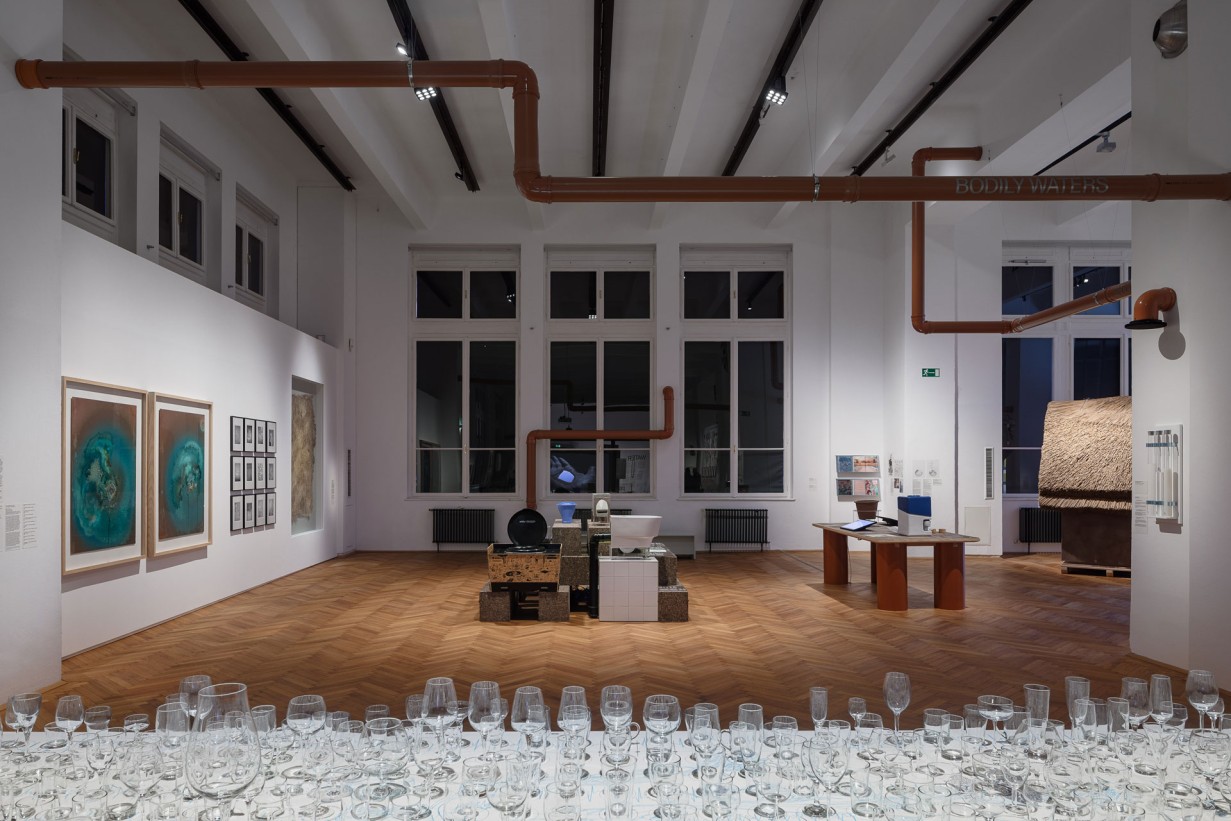
Bodily Waters explores water’s intimate connection to human and non-human bodies. The focus here is on the global inequalities in access to safe drinking water, and on alternative scenarios for sanitation and wastewater management.
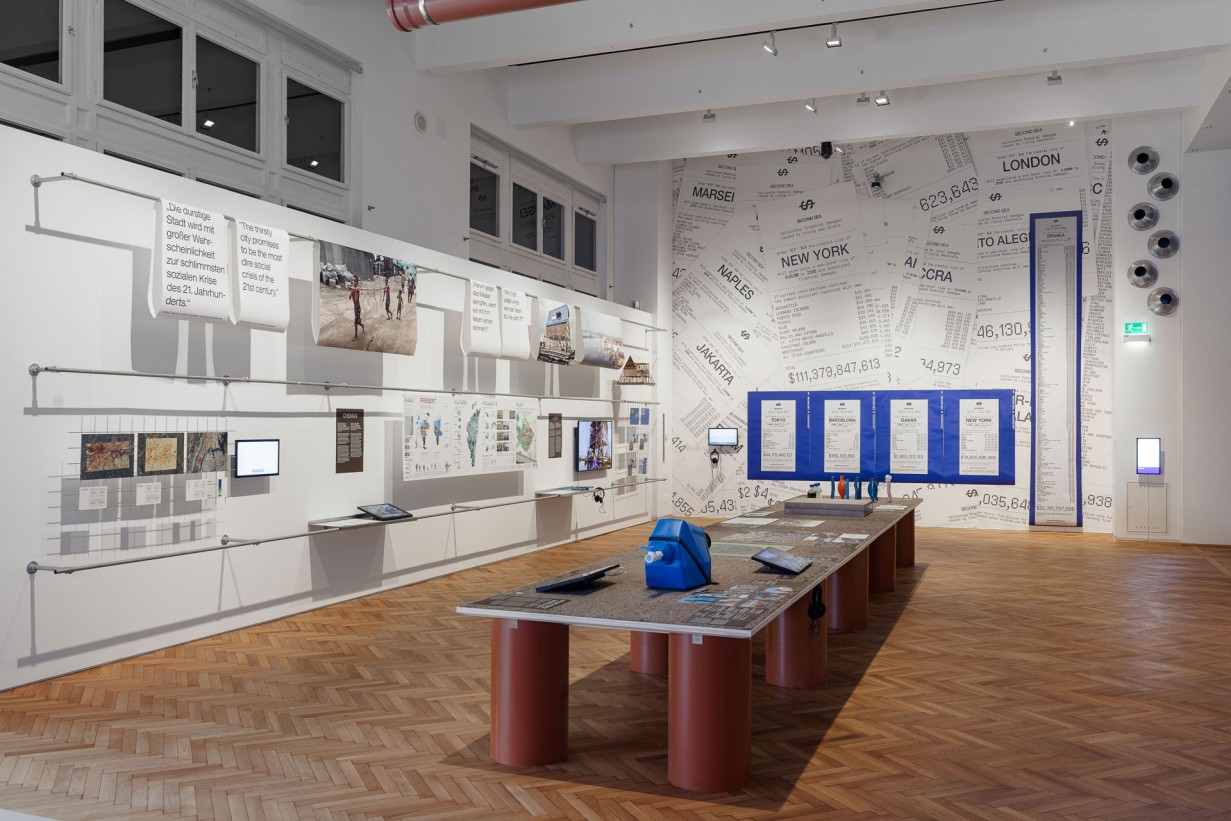
Thirsty Cities shows innovative solutions for the water crisis in international metropolises such as Chennai, London, Mexico City, Copenhagen, and Lagos, addressing water scarcity, pollution, and flooding—from wastewater treatment with the help of plants to swimming architecture.
Invisible Water highlights the water footprint of agriculture and industry, outlining new ways to reduce water consumption and pollution.
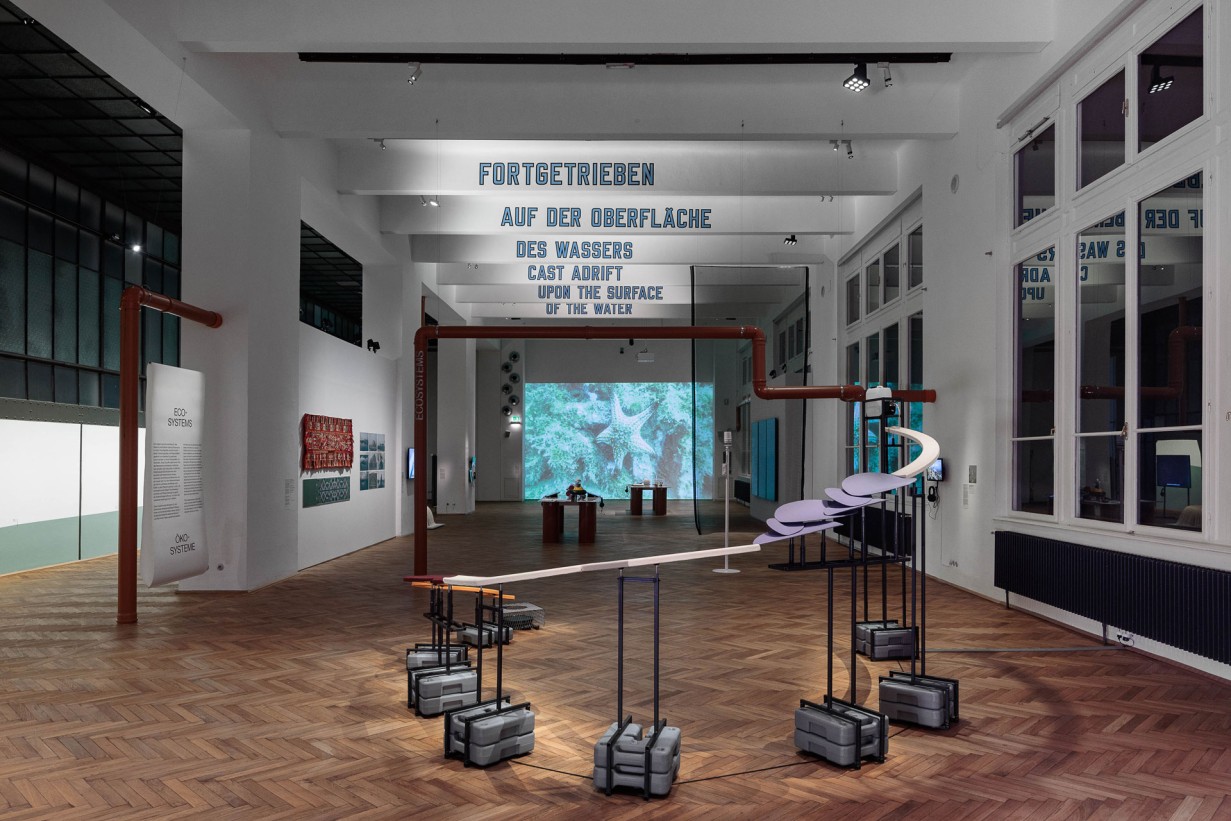
Ecosystems presents alternative scenarios for restoring the balance between humans and nature, emphasizing the role of rivers and oceans in preserving biodiversity. Here, local and indigenous knowledge is activated for the vision of a creative and more resilient water culture.
In Vienna, the exhibition has been expanded with large-scale installations by contemporary artists and designers, historical objects from the MAK Collection, and projects relevant to Austria.
SUPPORTING PROGRAMME
The diverse supporting programme invites you to a pool party without a pool, a hydrofeminist choreographic walk along the Wien River, interdisciplinary talks, inspiring discussion games, a curator guided tour with Jane Withers (21 May, 4.30 pm), and much more.
Children and students can explore the exhibition on a playful water journey, dip stories in color, and have a vibrant watercolor river flow through the DIREKTION FÜR ALLE!
At guide.MAK.at, the free audio guide takes you from the exhibition out into the city, bringing Vienna’s water stories into the MAK.
Regular Tours take place in May, June, and July on Sundays at 4.30 pm
_________
Water is the only substance on Earth that exists in nature in all three states of matter—liquid as water, solid in the form of ice, and gaseous as water vapor. This unique property influences the climate, the water cycle, and the living conditions of all organisms.
Although access to water is recognized as a human right, around two billion people worldwide lack access to clean drinking water, and approximately 3.5 billion have to live without basic sanitation. Overexploitation of water resources as well as the drying up and pollution of rivers, lakes, and groundwater reserves exacerbate this crisis.
Across five chapters, WATER PRESSURE presents scenarios that look into the future, raising awareness about the vital resource of water and aiming to improve water justice:
Water Stories offers a narration on the cultural significance of water in a diverse collage of ideas and examples from different eras and cultures and aims to reawaken a connection to water and an understanding of its place in the ecosystem.
Bodily Waters explores water’s intimate connection to human and non-human bodies. The focus here is on the global inequalities in access to safe drinking water, and on alternative scenarios for sanitation and wastewater management.
Thirsty Cities shows innovative solutions for the water crisis in international metropolises such as Chennai, London, Mexico City, Copenhagen, and Lagos, addressing water scarcity, pollution, and flooding—from wastewater treatment with the help of plants to swimming architecture.
Invisible Water highlights the water footprint of agriculture and industry, outlining new ways to reduce water consumption and pollution.
Ecosystems presents alternative scenarios for restoring the balance between humans and nature, emphasizing the role of rivers and oceans in preserving biodiversity. Here, local and indigenous knowledge is activated for the vision of a creative and more resilient water culture.
In Vienna, the exhibition has been expanded with large-scale installations by contemporary artists and designers, historical objects from the MAK Collection, and projects relevant to Austria.
SUPPORTING PROGRAMME
The diverse supporting programme invites you to a pool party without a pool, a hydrofeminist choreographic walk along the Wien River, interdisciplinary talks, inspiring discussion games, a curator guided tour with Jane Withers (21 May, 4.30 pm), and much more.
Children and students can explore the exhibition on a playful water journey, dip stories in color, and have a vibrant watercolor river flow through the DIREKTION FÜR ALLE!
At guide.MAK.at, the free audio guide takes you from the exhibition out into the city, bringing Vienna’s water stories into the MAK.
Regular Tours take place in May, June, and July on Sundays at 4.30 pm
You can find the free audio guide to the exhibition at guide.mak.at
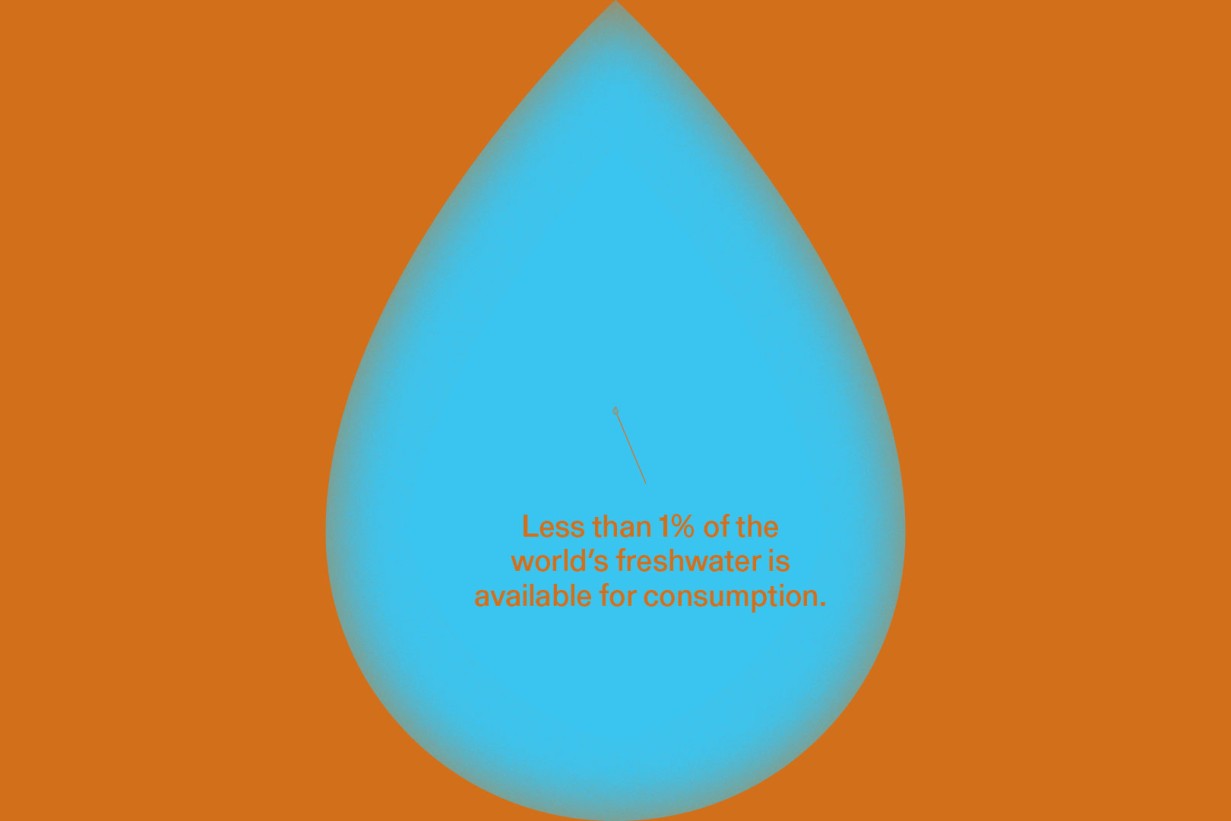
© Graphic Design: Theresa Hattinger
© Graphic Design: Theresa Hattinger
© kunst-dokumentation.com/MAK
© kunst-dokumentation.com/MAK
© kunst-dokumentation.com/MAK
© kunst-dokumentation.com/MAK
© kunst-dokumentation.com/MAK
© kunst-dokumentation.com/MAK
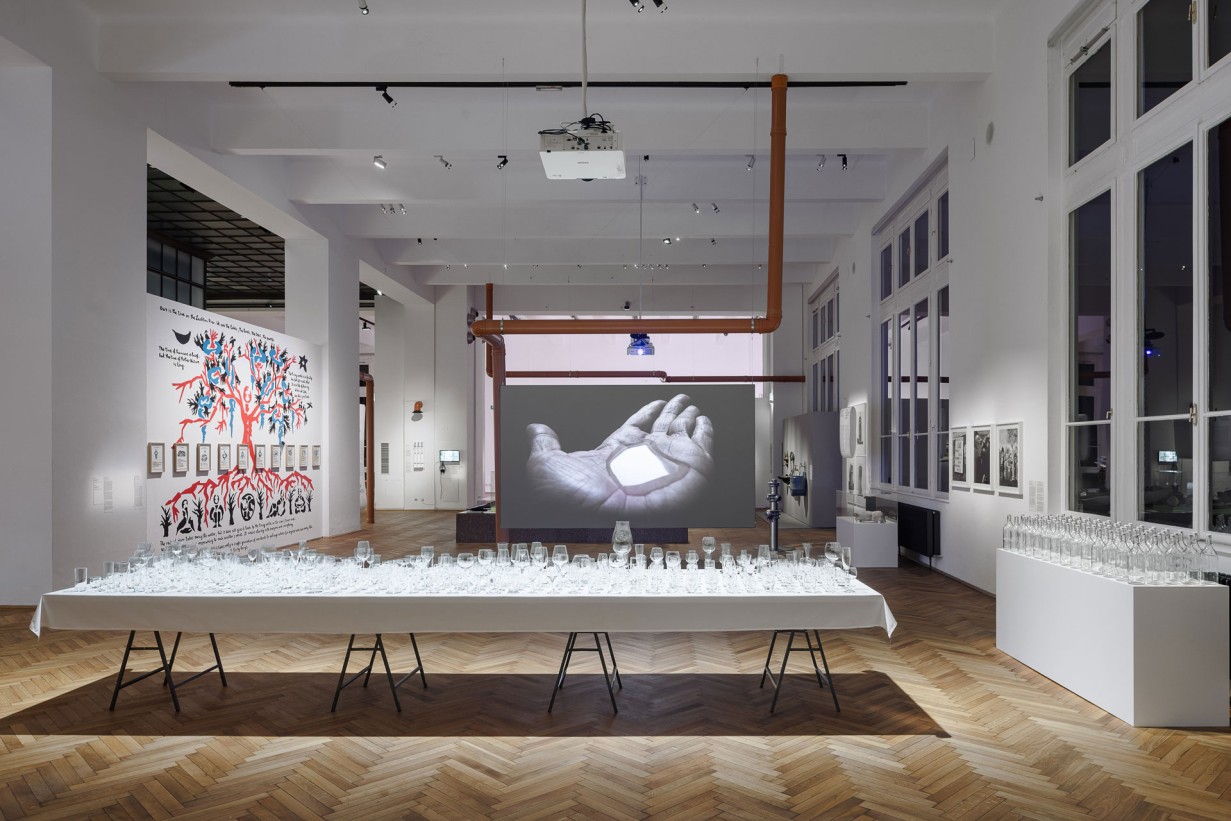
© kunst-dokumentation.com/MAK
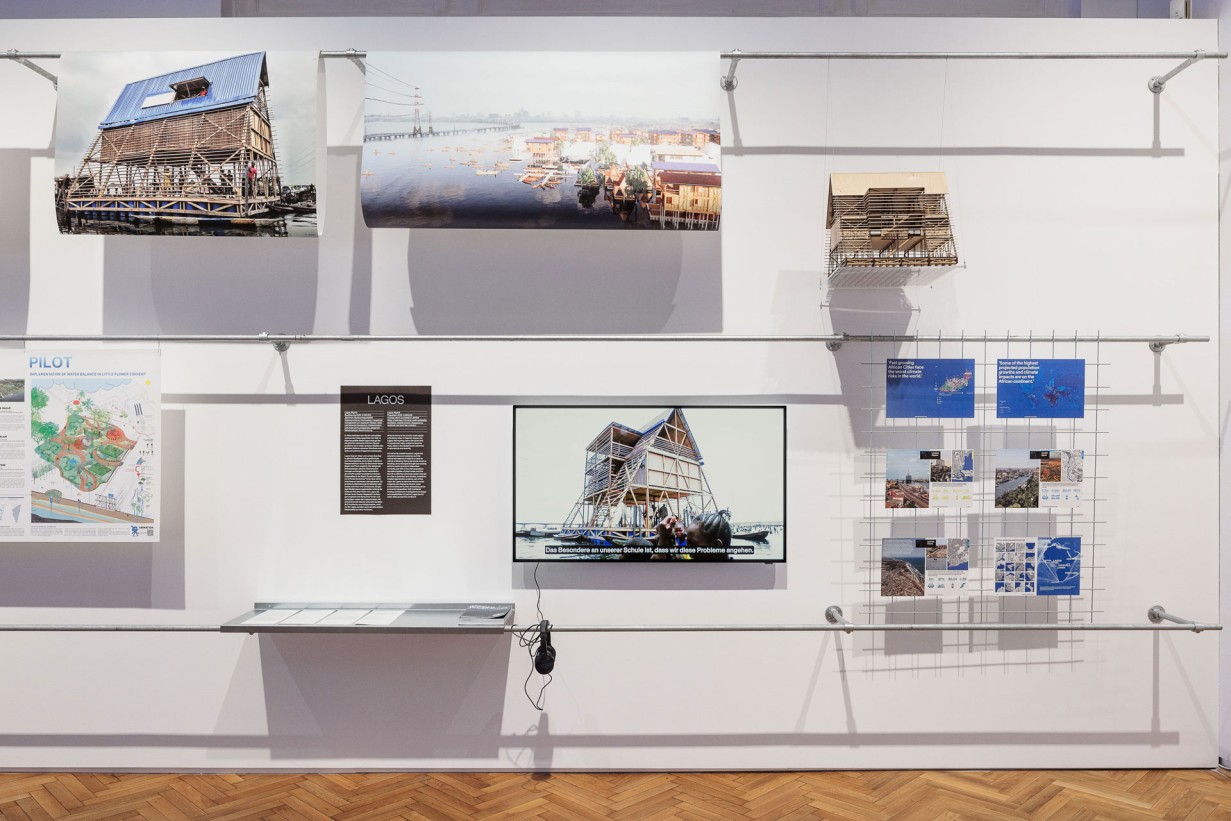
© kunst-dokumentation.com/MAK
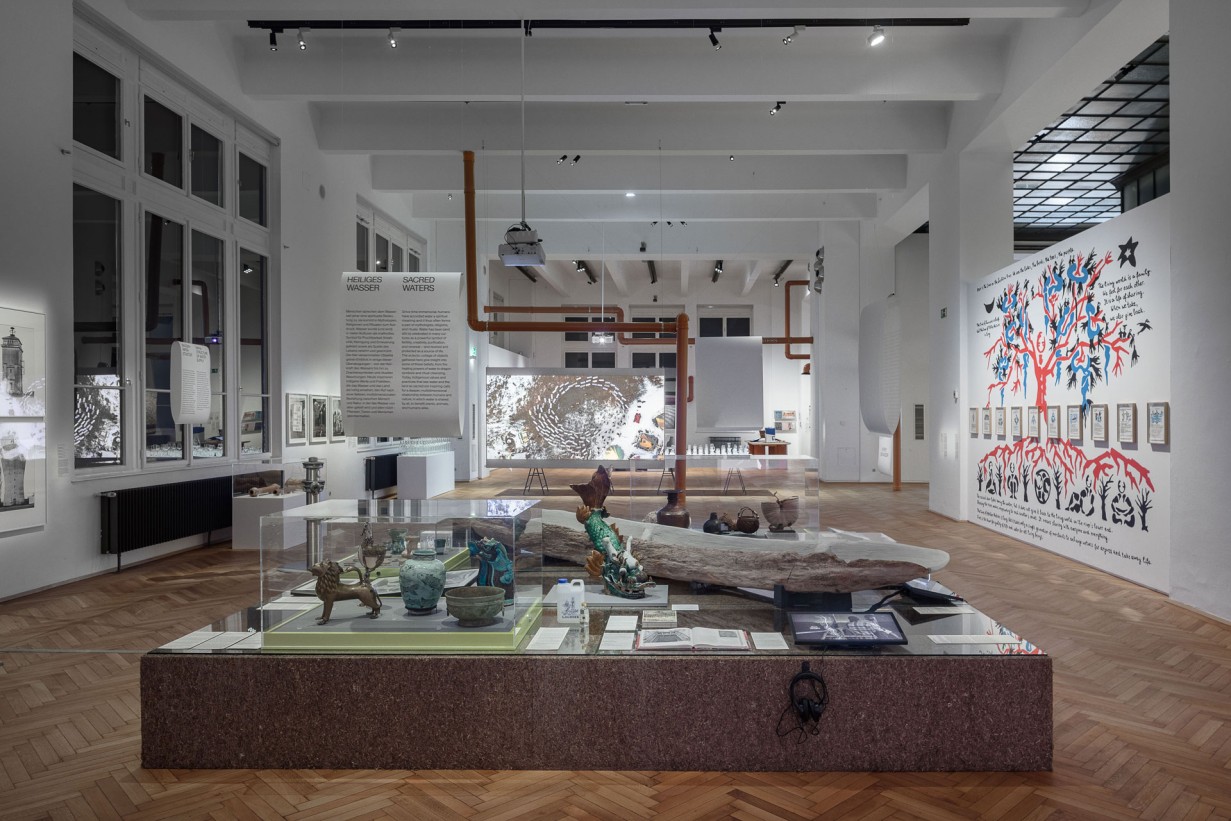
© kunst-dokumentation.com/MAK
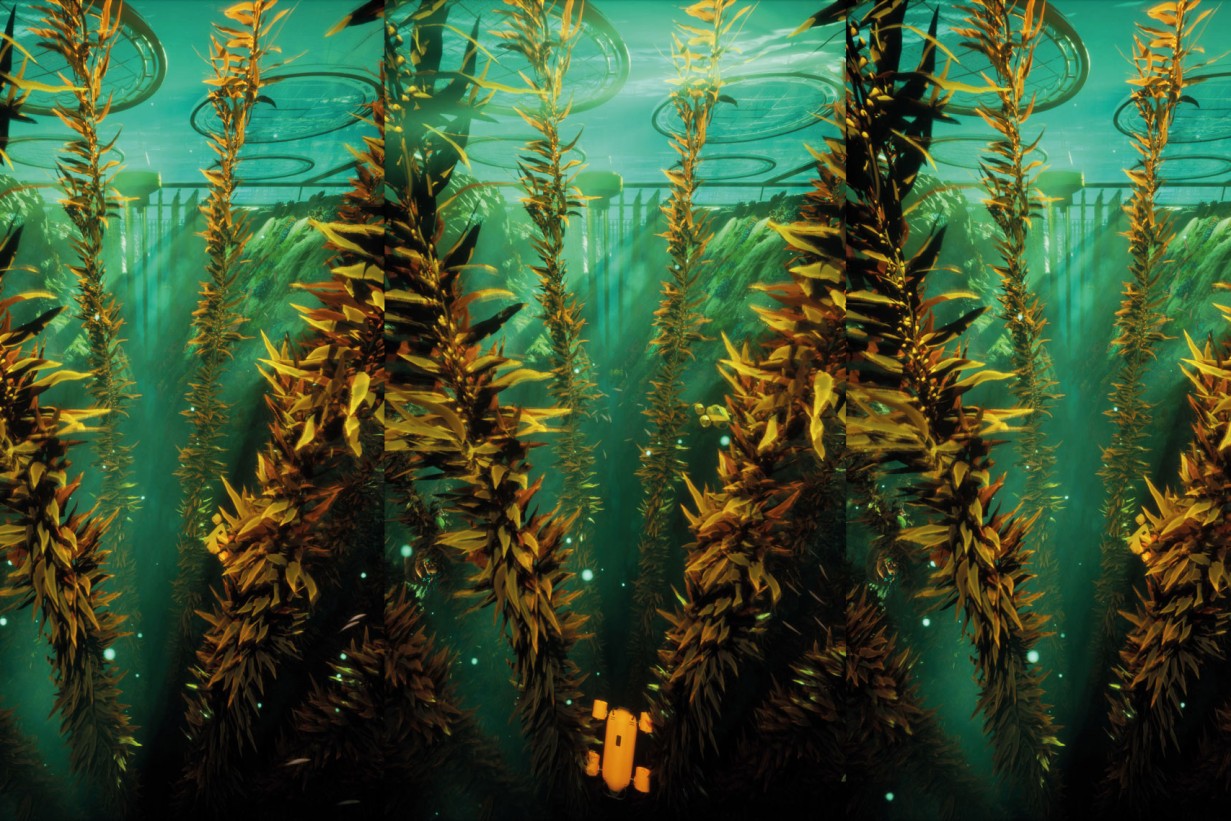
© Superflux
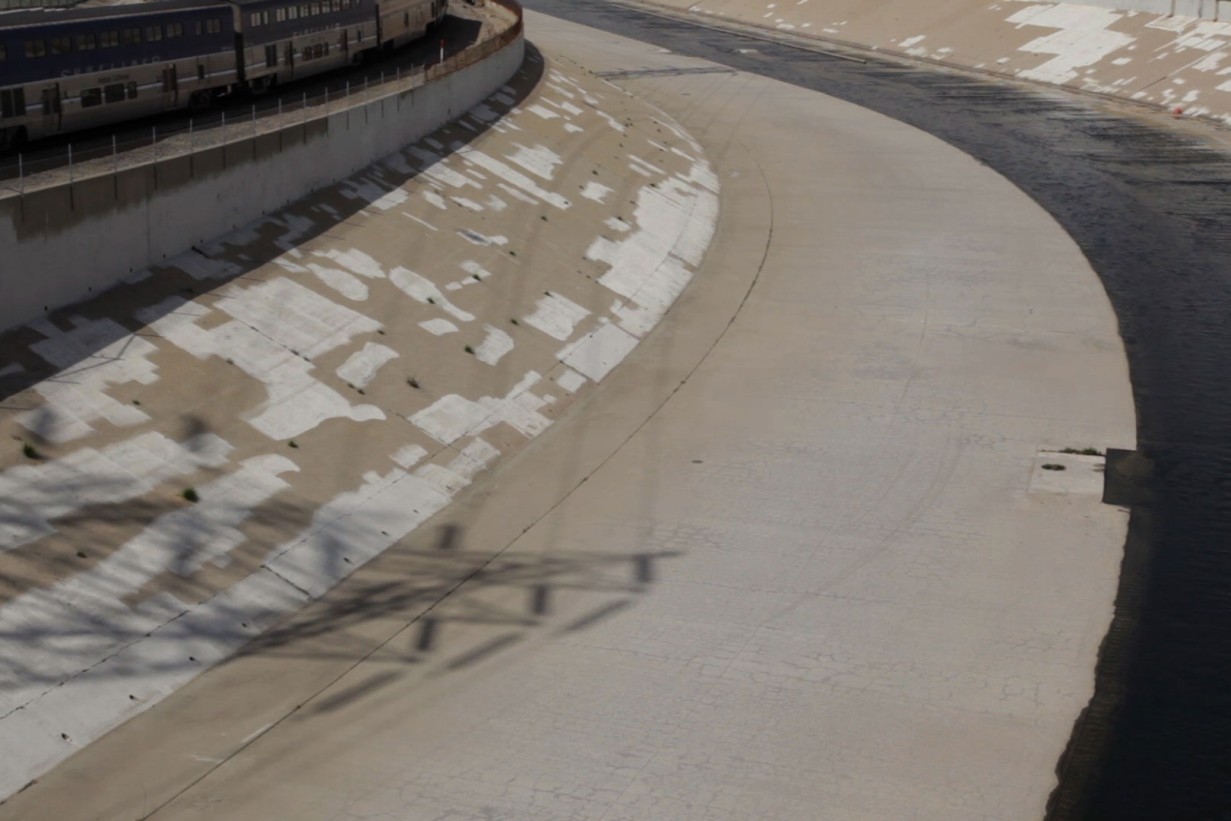
© Björn Segschneider, Bildrecht
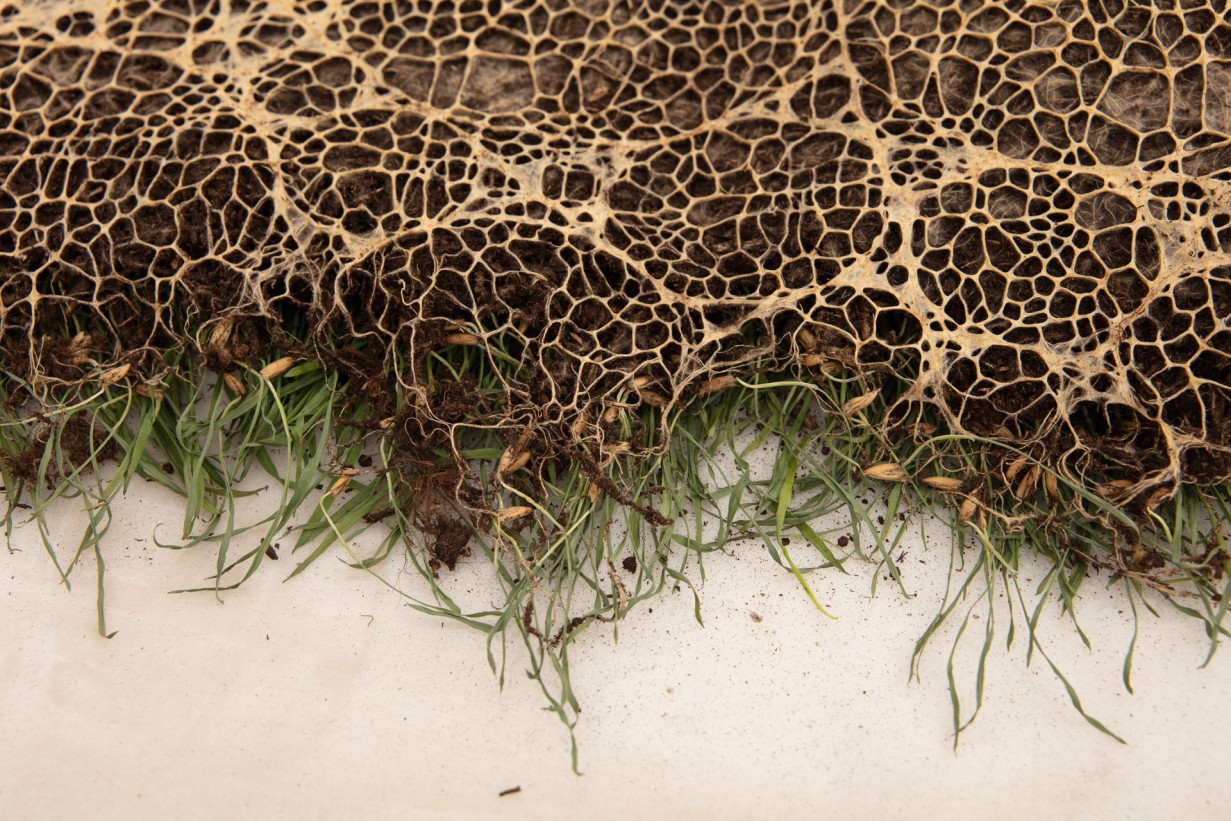
© Diana Scherer
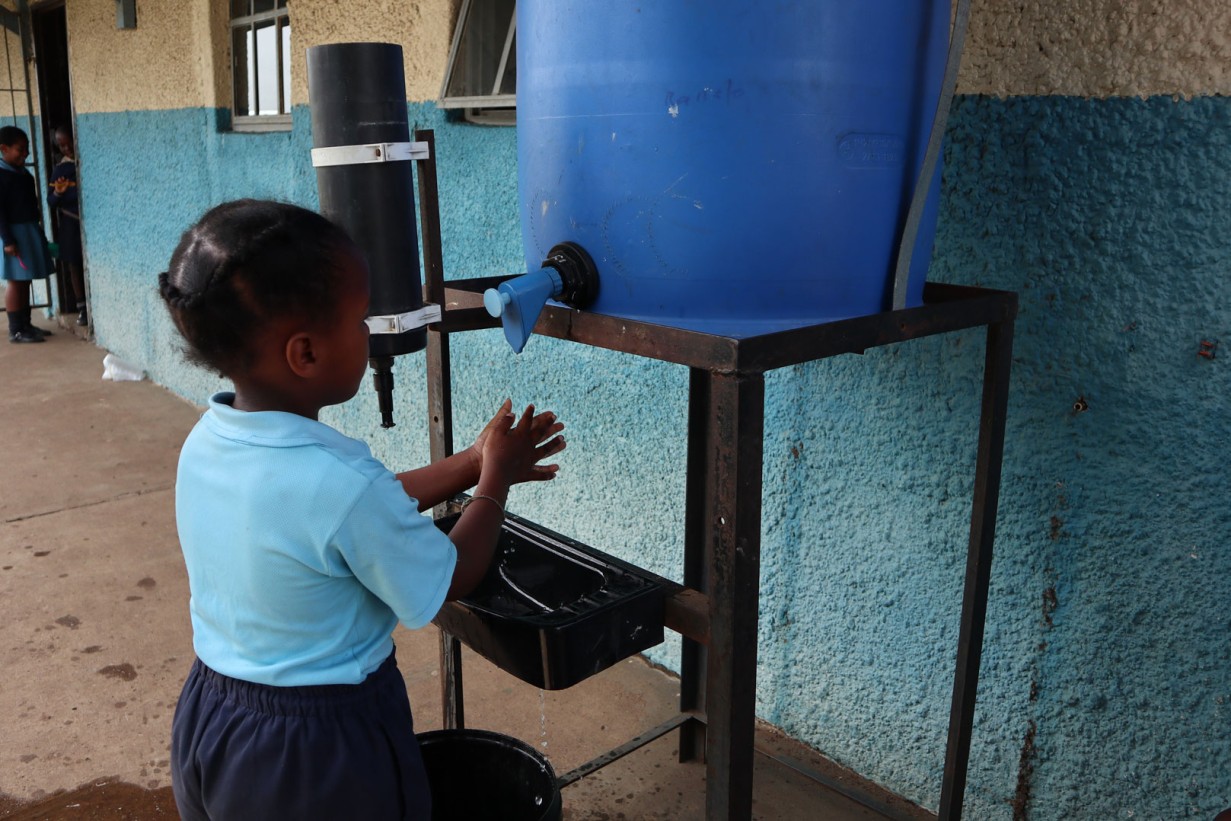
© EOOS, Photo: Lucky Lugogwana
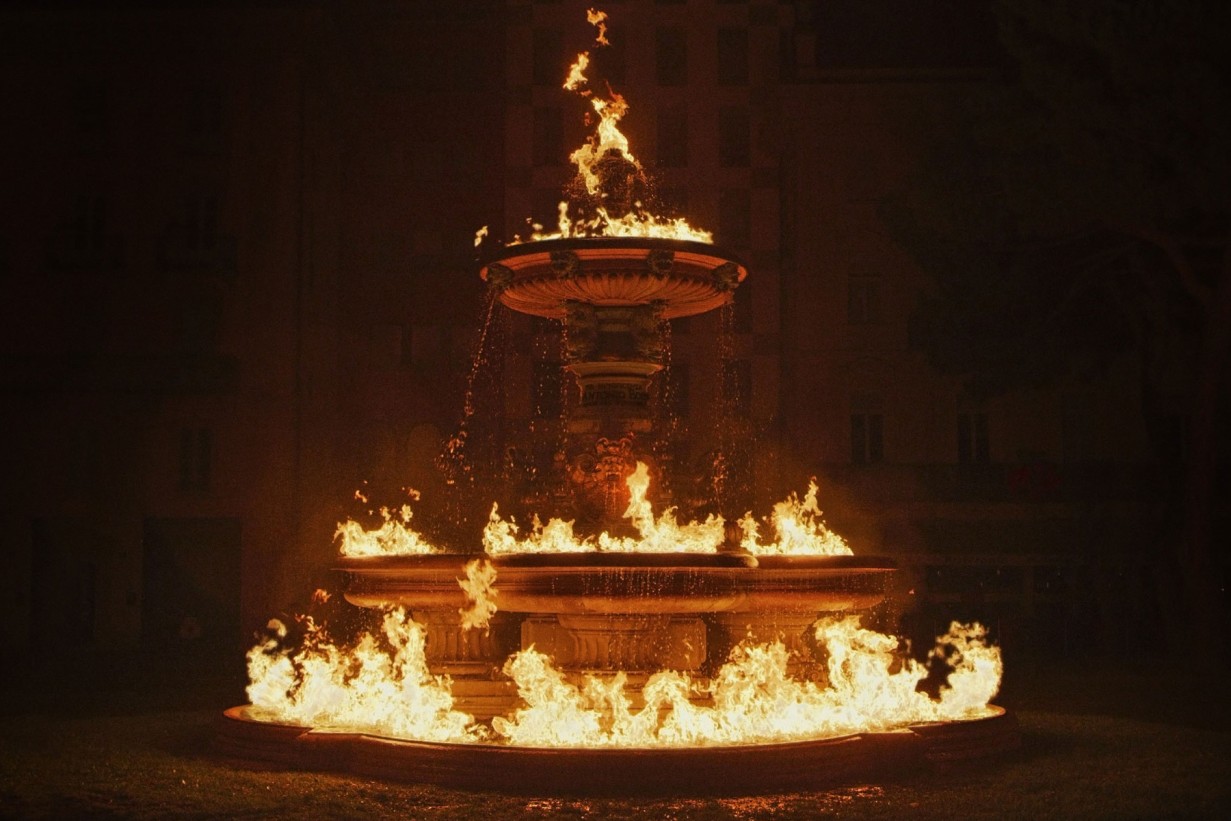
© The artist; VG Bild-Kunst, Bonn, Germany
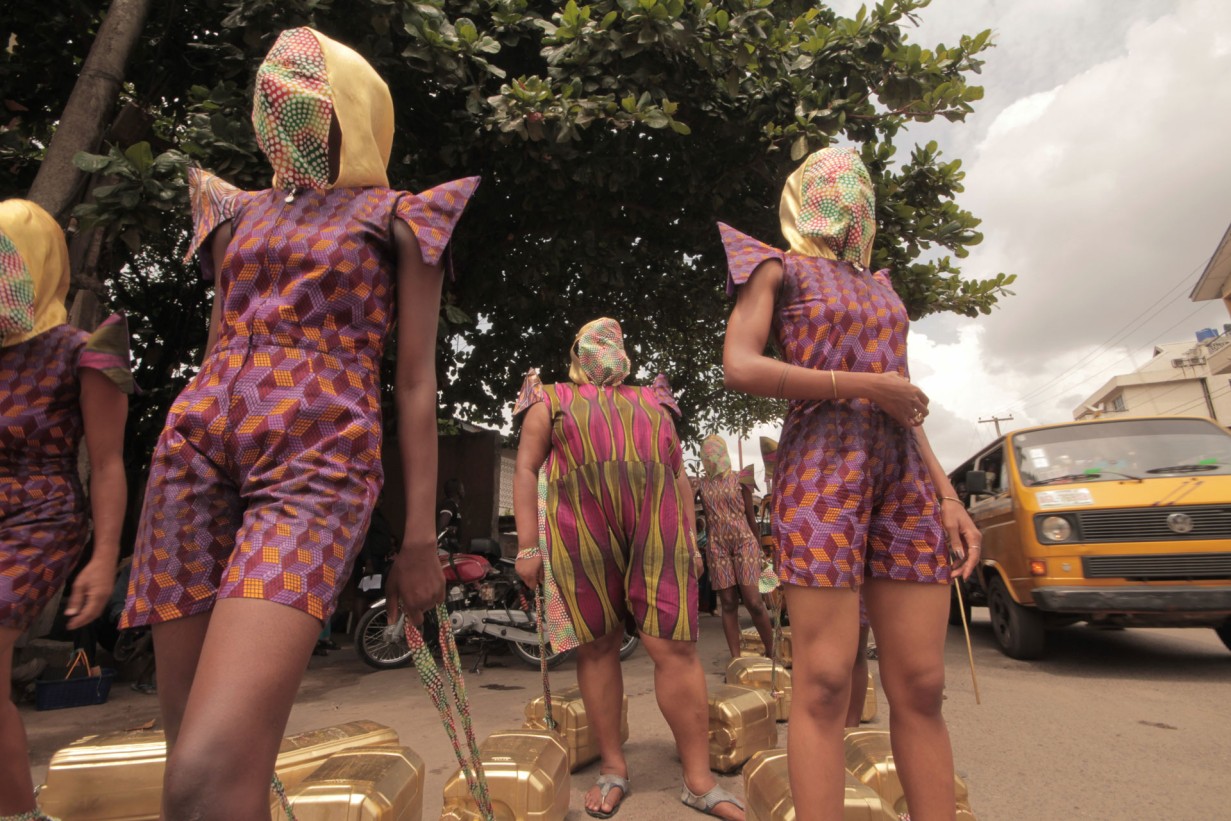
© Emamode Edosio
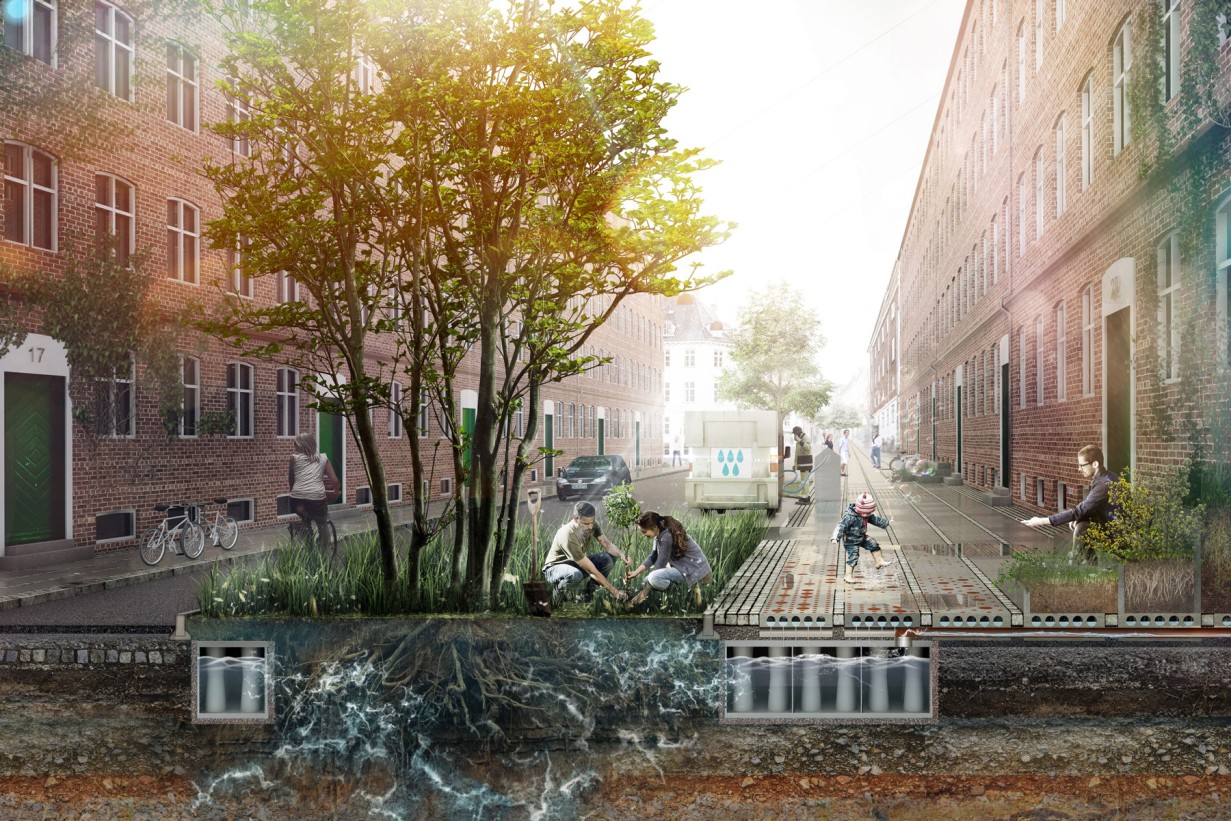
© THIRD NATURE
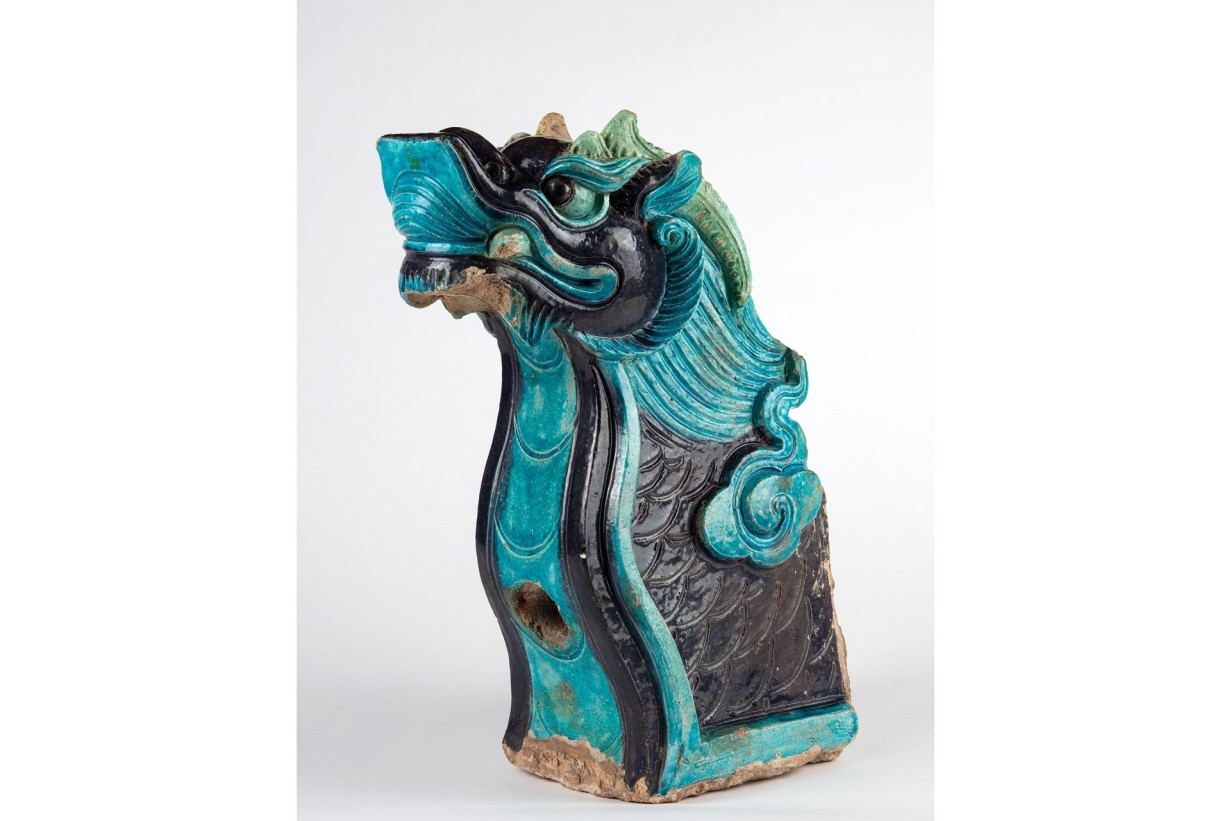
© MAK/Kristina Wissik
© MAK/Georg Mayer
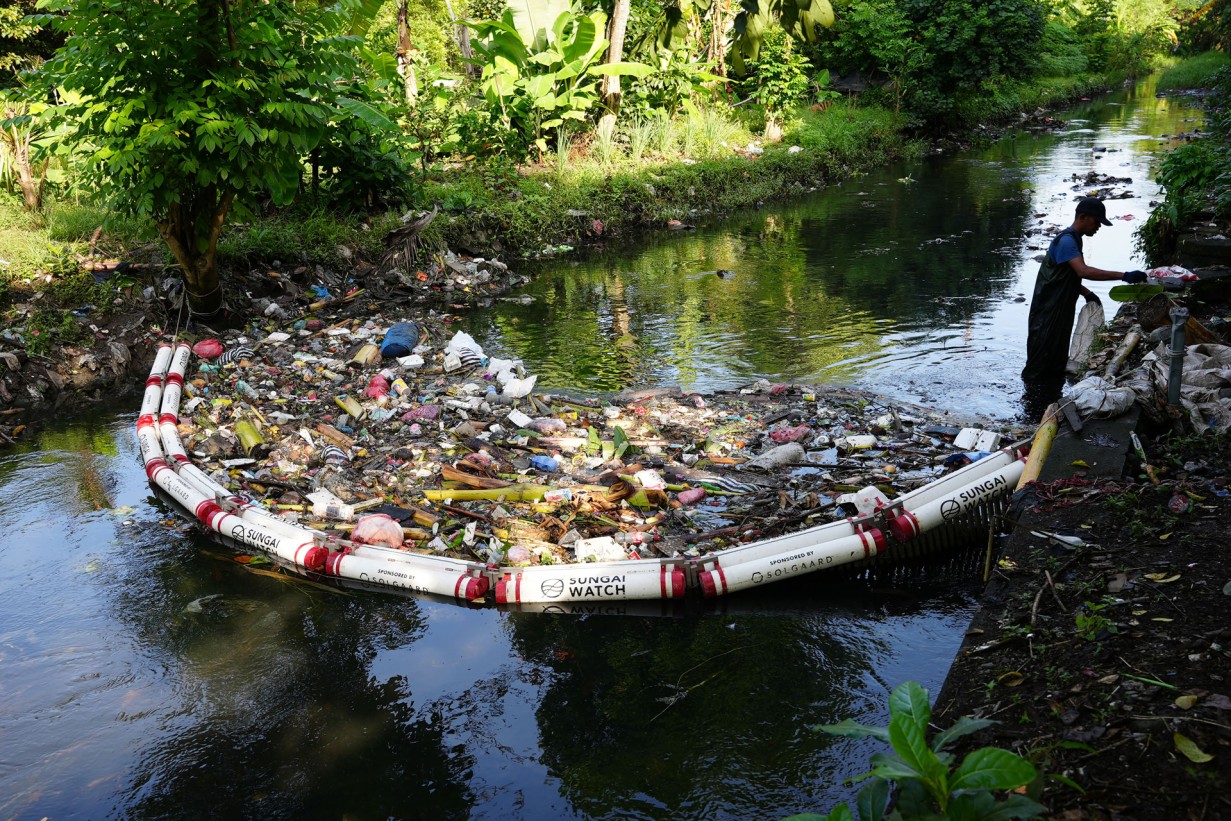
© Sungai Watch
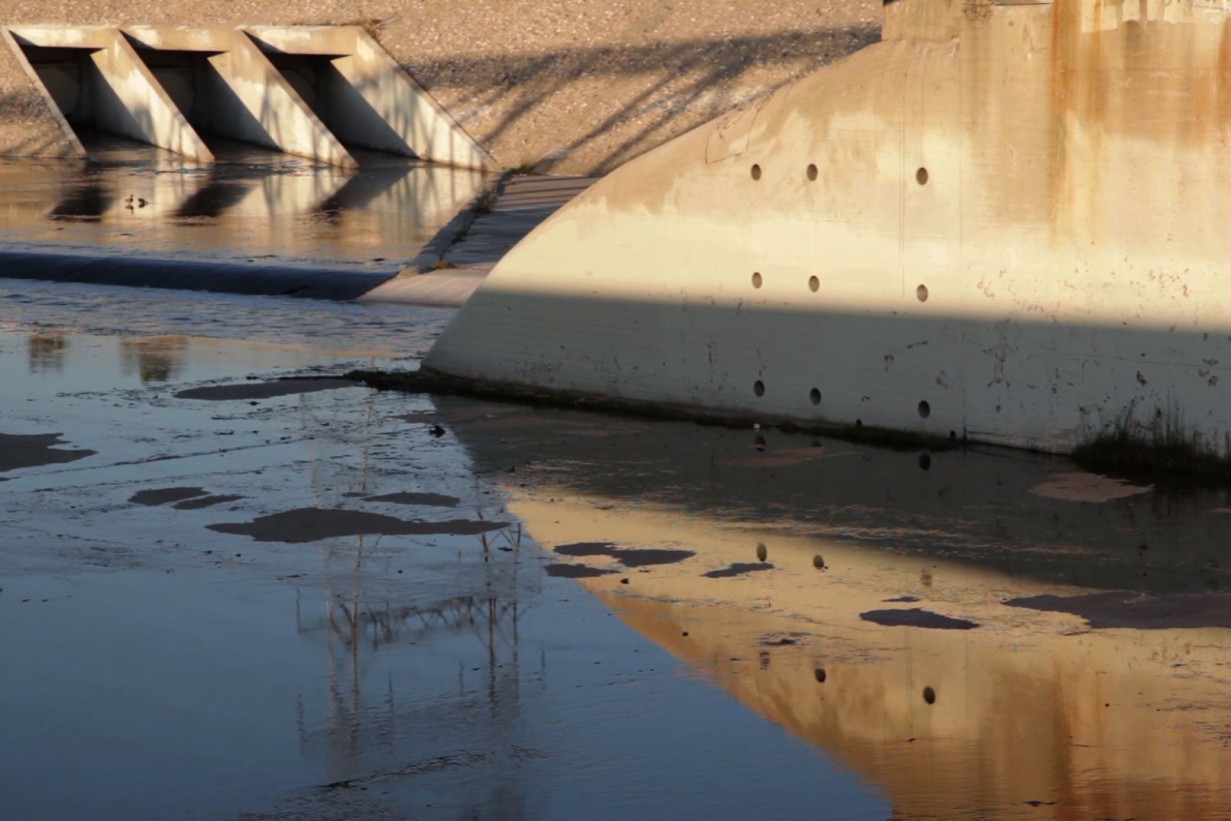
© Björn Segschneider, Bildrecht
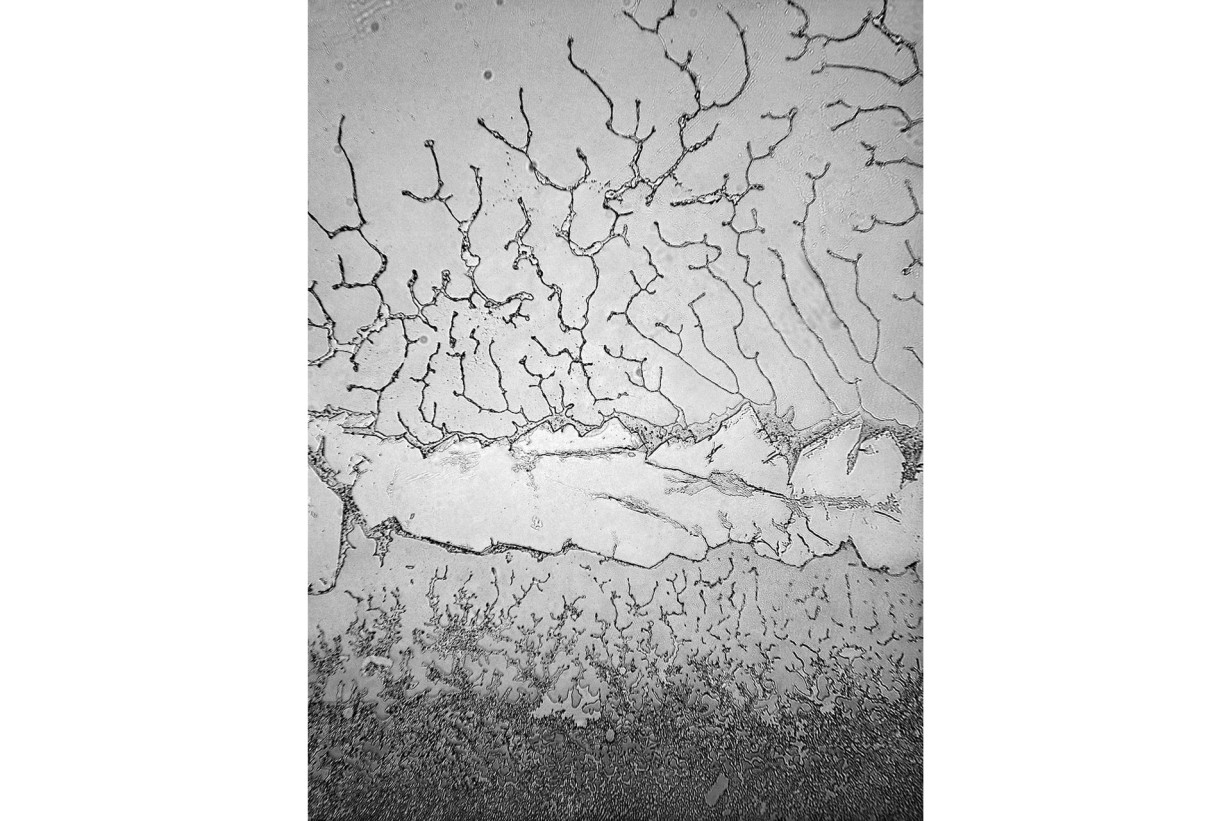
© Rose-Lynn Fisher
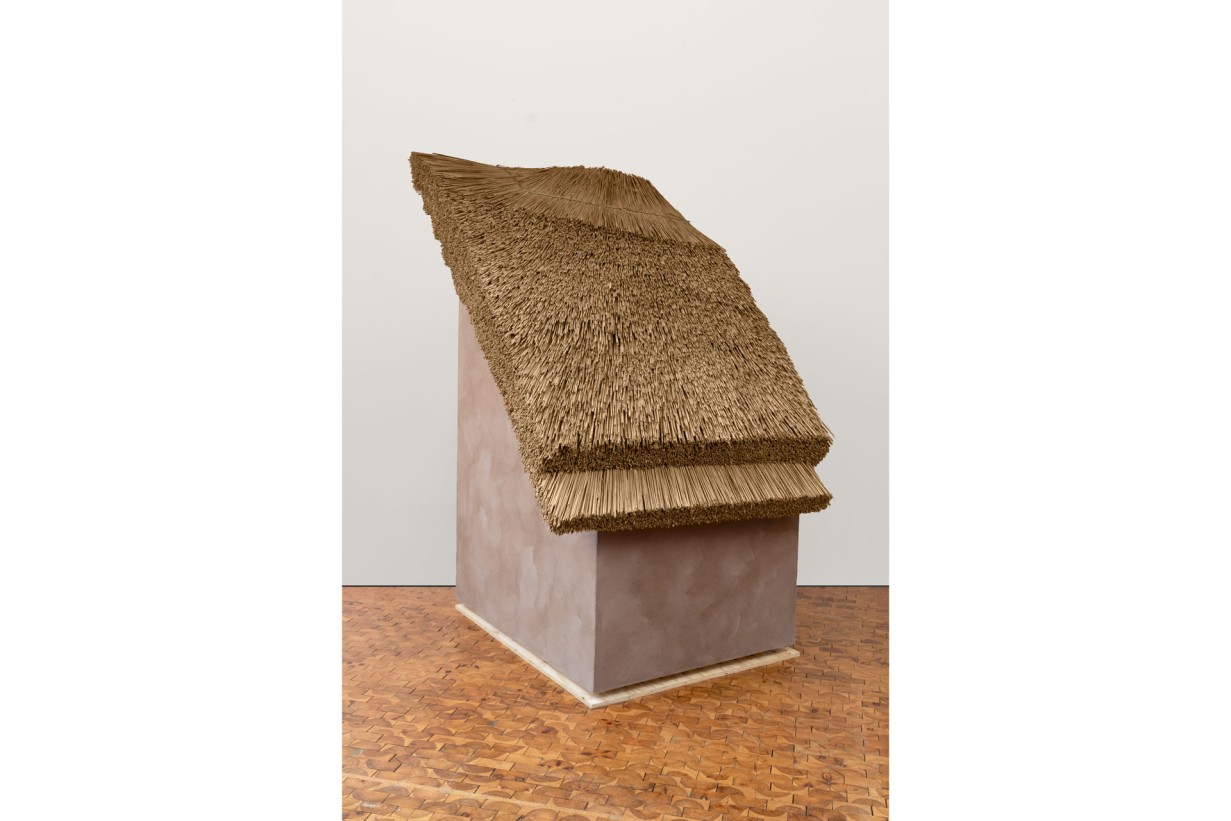
© Joanna Wilk
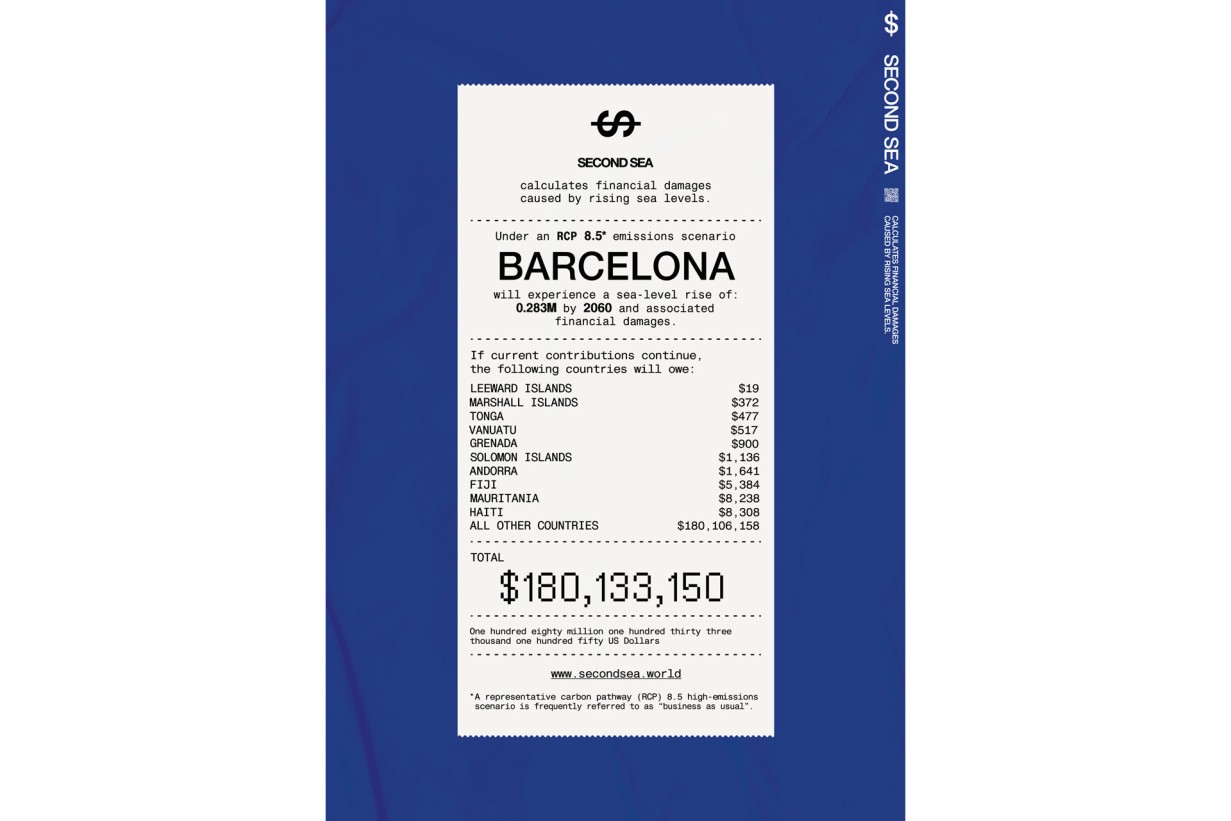
© Second Sea by Dr. Adrian Lahoud, Prof. Sam Jacoby, Benjamin Mehigan, Accept & Proceed and ON
Previous Image
An exhibition by the MAK in cooperation with the Museum für Kunst und Gewerbe Hamburg (MK&G) and Jane Withers Studio, London
CURATORS TOURING EXHIBITION
Jane Withers Studio (Jane Withers, Ria Hawthorn), Erika Pinner (MK&G Hamburg)
CURATOR MAK EXHIBITION
Marlies Wirth, Curator, Digital Culture and MAK Design Collection
Represented in the exhibition are: 350.org; Amazon Sacred Headwaters; Andrew Esiebo; Anna-Lülja Praun / Franz Josef Altenburg; Arthur Guilleminot; Arup; Atelier LUMA; AusBlau Studio; Bauhaus-Universität Weimar; Bernd und Hilla Becher; Bjoern Segschneider; Cannupa Hanska Luger; Colorifix; Cristina Iglesias; Diana Scherer; Dutch Invertuals & Edhv; EOOS; Epic Cleantec; Fee Schlapper; Fernando Laposse; Goldeimer; H+N+S Landschapsarchitecten; Hamam magazine; Hamburg Wasser; Hydraloop; Isla Urbana; Jack’s Solar Garden; Jane Withers Studio; Julia Watson; Julian Charrière; Kari Korkman; Karl Troels Sandegård; Katsushika Hokusai; Klarenbeek & Dros; LaToya Ruby Frazier; LAUFEN GmbH; Lawrence Weiner; Leonard Koren; LIXIL; Luisa Jane Charles; Lumo Inc.; Margarida Mendes und Pedro Neves Marques; Mari Yamazaki; Marjetica Potrč; Material Cultures mit Bauhaus Earth; Meridel Rubenstein; MIT – Massachusetts Institute of Technology; Morna Livingston; NLÉ; Oliver Niewiadomski; OOZE Architects and Urbanists; Pauline Hafsia M’Barek, Pnat, Potters for Peace, raumlaborberlin; Regierung Tuvalu; Rose-Lynn Fisher; Sanivation; SCAPE Landscape Architecture; Second Sea mit Accept & Proceed; SOURCE; Studio Makkink & Bey; Sungai Watch; Superflux; Synchronicity Earth; TAHMO – Trans-African Hydro-Meteorological Observatory; Taller Capital; The Dry Collective; The Monkeys; The World Around; Tom Hegen; TREDJE NATUR; University of Cape Town; Utagawa Hiroshige; Utagawa Kuniyoshi; Veditum India Foundation (Shridhar Sudhir); waiwai Research & Design Agency; WASHKING Limited; WasserStiftung; Werner Bischof; Wilding Radio; Wirtschaftsministerium der Republik Fidschi in Zusammenarbeit mit der Deutschen Gesellschaft für Internationale Zusammenarbeit (GIZ); Wura-Natasha Ogunji.
PARTNER

MEDIA PARTNER

CURATORS TOURING EXHIBITION
Jane Withers Studio (Jane Withers, Ria Hawthorn), Erika Pinner (MK&G Hamburg)
CURATOR MAK EXHIBITION
Marlies Wirth, Curator, Digital Culture and MAK Design Collection
Represented in the exhibition are: 350.org; Amazon Sacred Headwaters; Andrew Esiebo; Anna-Lülja Praun / Franz Josef Altenburg; Arthur Guilleminot; Arup; Atelier LUMA; AusBlau Studio; Bauhaus-Universität Weimar; Bernd und Hilla Becher; Bjoern Segschneider; Cannupa Hanska Luger; Colorifix; Cristina Iglesias; Diana Scherer; Dutch Invertuals & Edhv; EOOS; Epic Cleantec; Fee Schlapper; Fernando Laposse; Goldeimer; H+N+S Landschapsarchitecten; Hamam magazine; Hamburg Wasser; Hydraloop; Isla Urbana; Jack’s Solar Garden; Jane Withers Studio; Julia Watson; Julian Charrière; Kari Korkman; Karl Troels Sandegård; Katsushika Hokusai; Klarenbeek & Dros; LaToya Ruby Frazier; LAUFEN GmbH; Lawrence Weiner; Leonard Koren; LIXIL; Luisa Jane Charles; Lumo Inc.; Margarida Mendes und Pedro Neves Marques; Mari Yamazaki; Marjetica Potrč; Material Cultures mit Bauhaus Earth; Meridel Rubenstein; MIT – Massachusetts Institute of Technology; Morna Livingston; NLÉ; Oliver Niewiadomski; OOZE Architects and Urbanists; Pauline Hafsia M’Barek, Pnat, Potters for Peace, raumlaborberlin; Regierung Tuvalu; Rose-Lynn Fisher; Sanivation; SCAPE Landscape Architecture; Second Sea mit Accept & Proceed; SOURCE; Studio Makkink & Bey; Sungai Watch; Superflux; Synchronicity Earth; TAHMO – Trans-African Hydro-Meteorological Observatory; Taller Capital; The Dry Collective; The Monkeys; The World Around; Tom Hegen; TREDJE NATUR; University of Cape Town; Utagawa Hiroshige; Utagawa Kuniyoshi; Veditum India Foundation (Shridhar Sudhir); waiwai Research & Design Agency; WASHKING Limited; WasserStiftung; Werner Bischof; Wilding Radio; Wirtschaftsministerium der Republik Fidschi in Zusammenarbeit mit der Deutschen Gesellschaft für Internationale Zusammenarbeit (GIZ); Wura-Natasha Ogunji.
PARTNER
MEDIA PARTNER
Media
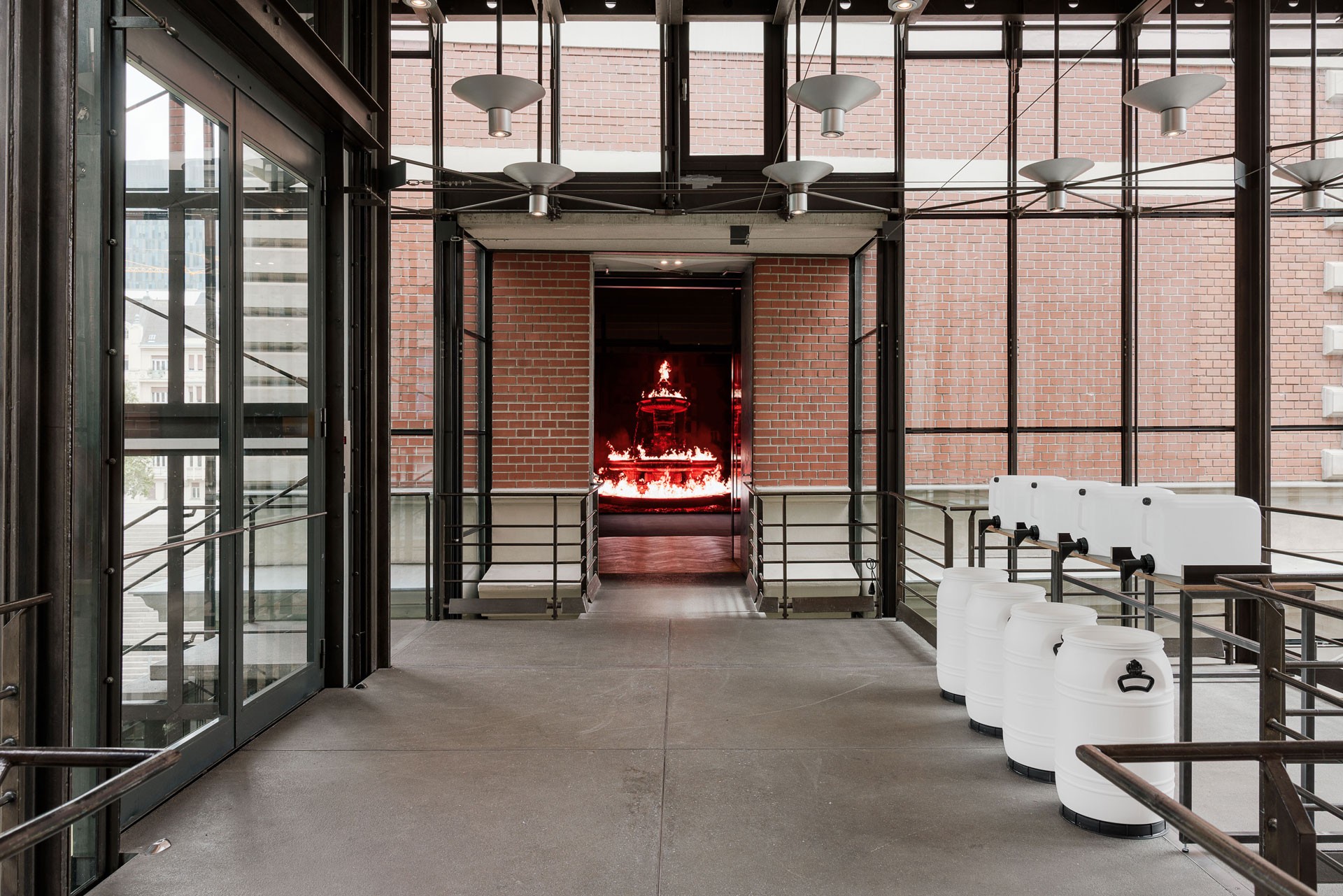
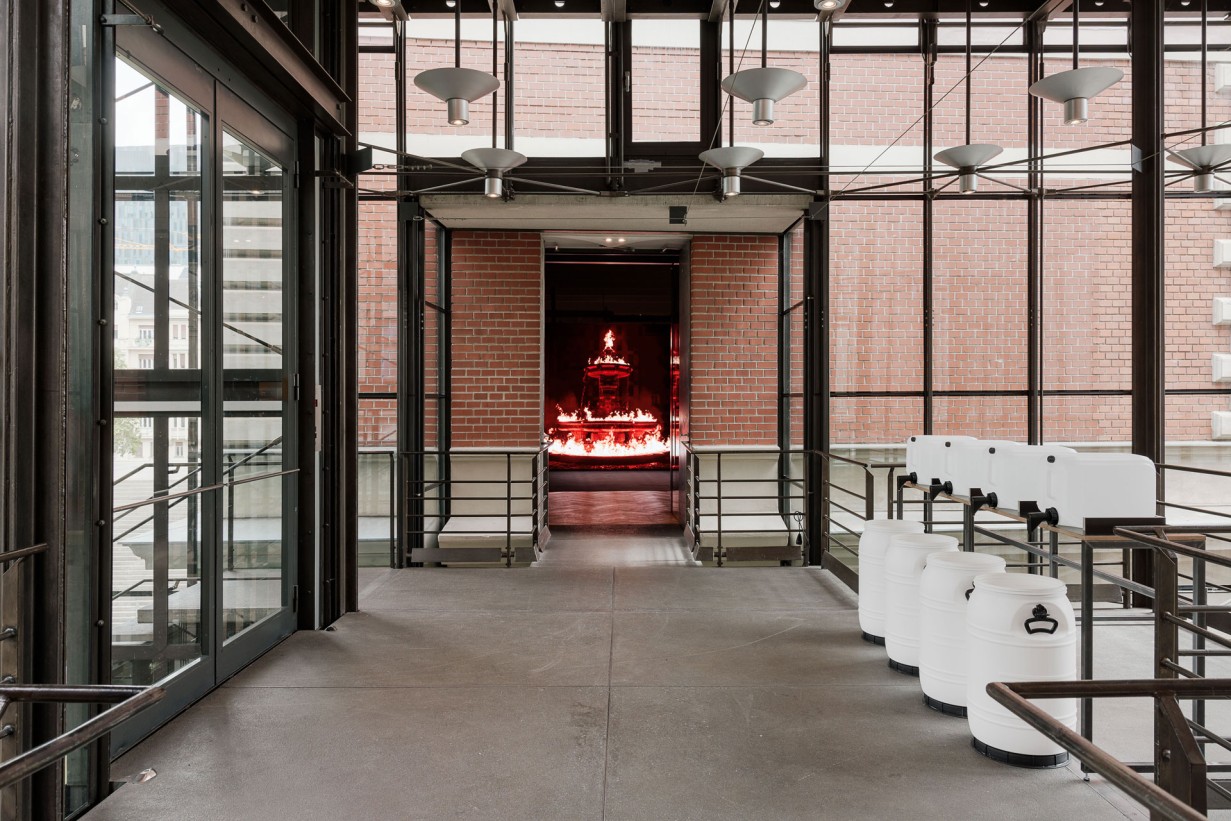
WATER PRESSURE. Designing for the Future centre: Julian Charrière, And Beneath It All Flows Liquid Fire, 2019 right: EOOS, SafeTap, 2024–ongoing © kunst-dokumentation.com/MAK
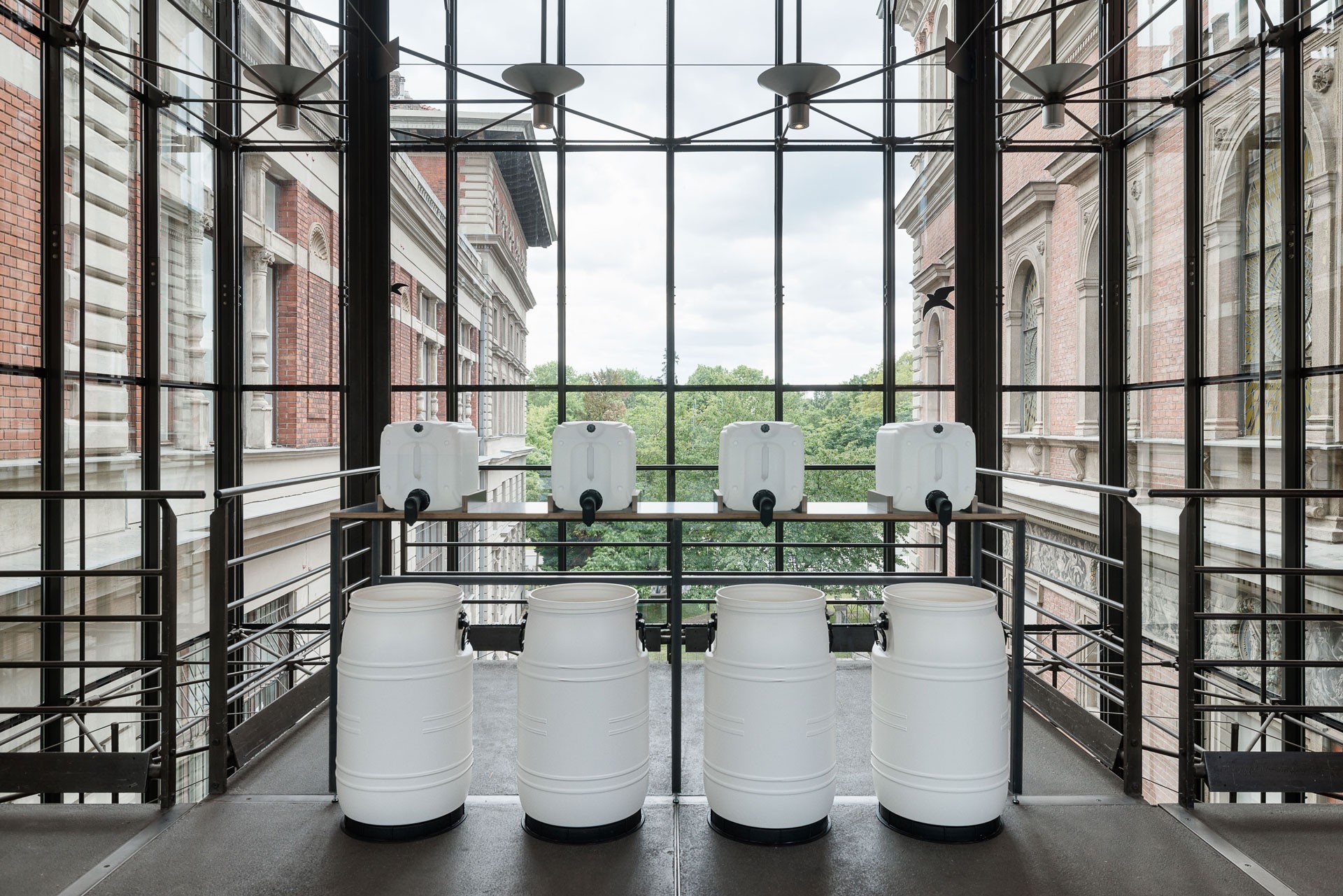
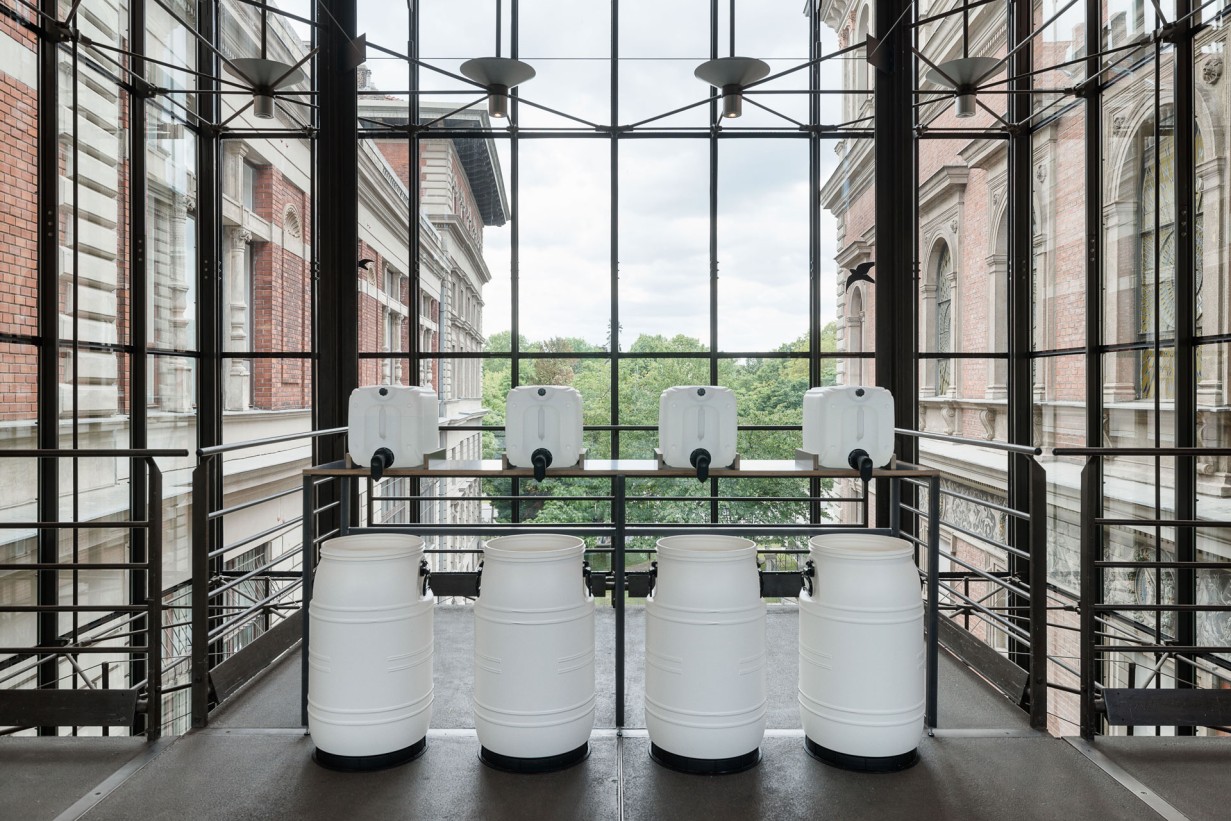
WATER PRESSURE. Designing for the Future EOOS, SafeTap, 2024–ongoing © kunst-dokumentation.com/MAK
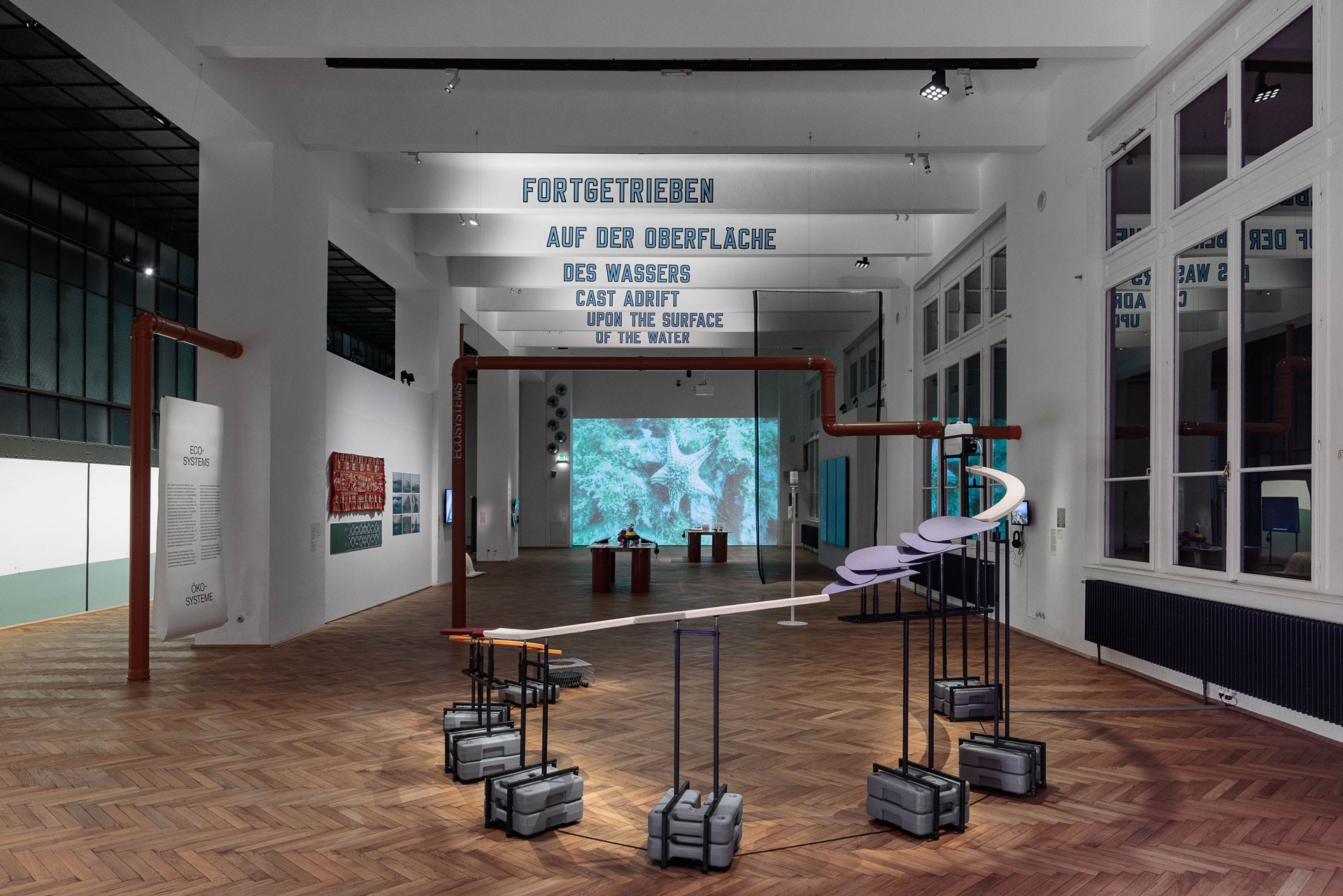
WATER PRESSURE. Designing for the Future in the front: Dutch Invertuals & Edhv, FLOW, 2025 Lawrence Weiner, CAST ADRIFT UPON THE SURFACE OF THE WATER, 2018 © kunst-dokumentation.com/MAK
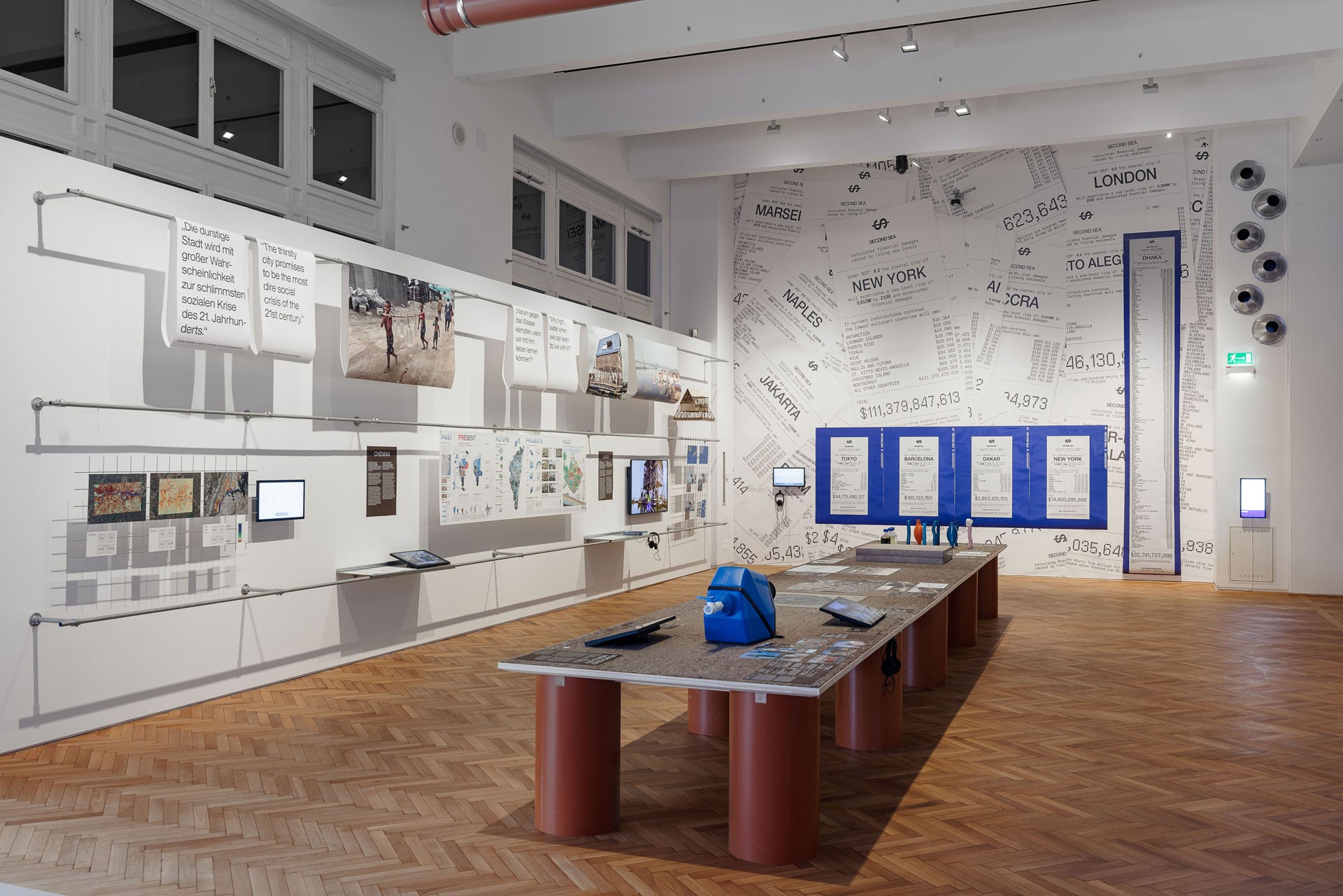
WATER PRESSURE. Gestaltung für die Zukunft © kunst-dokumentation.com/MAK
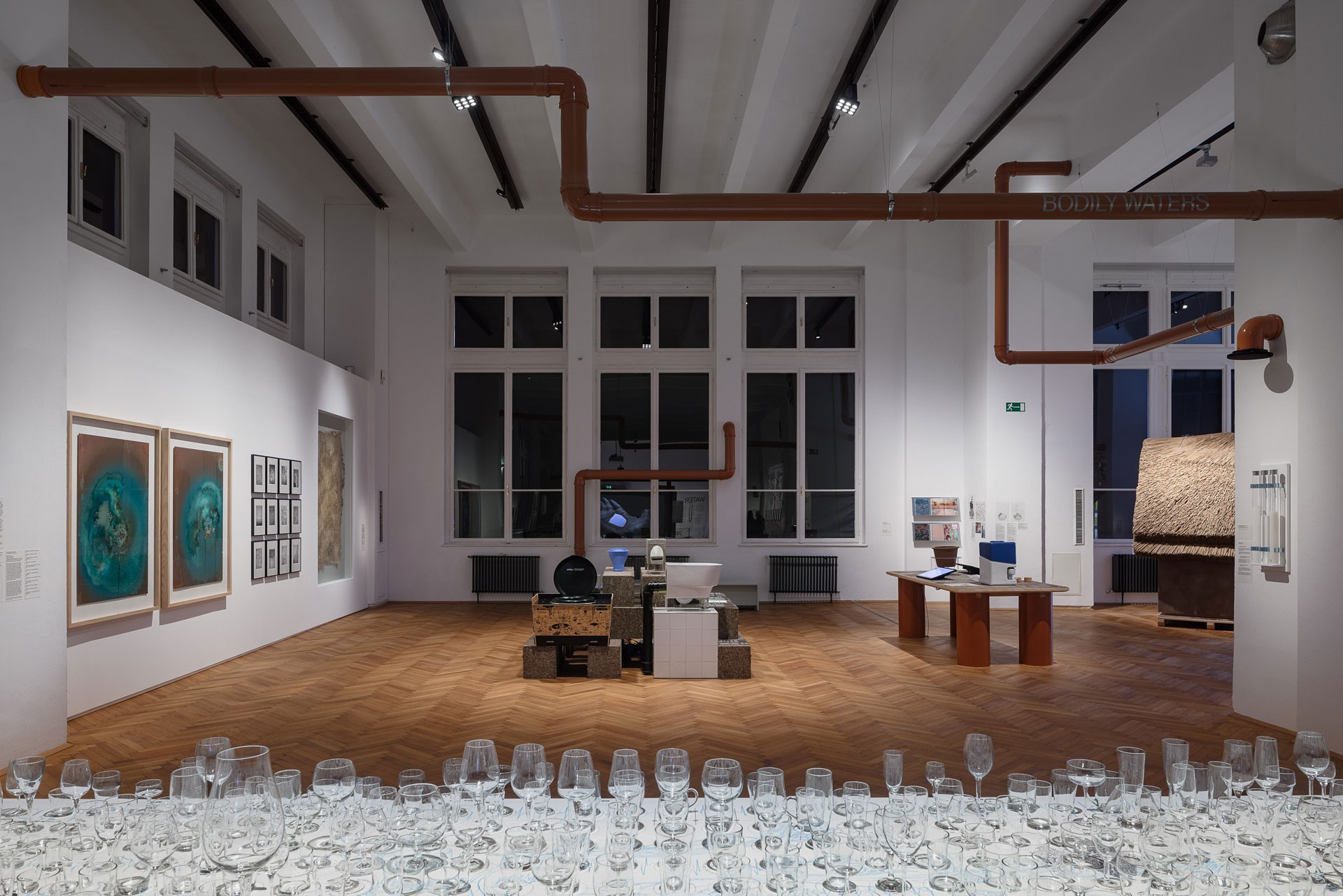
WATER PRESSURE. Designing for the Future © kunst-dokumentation.com/MAK
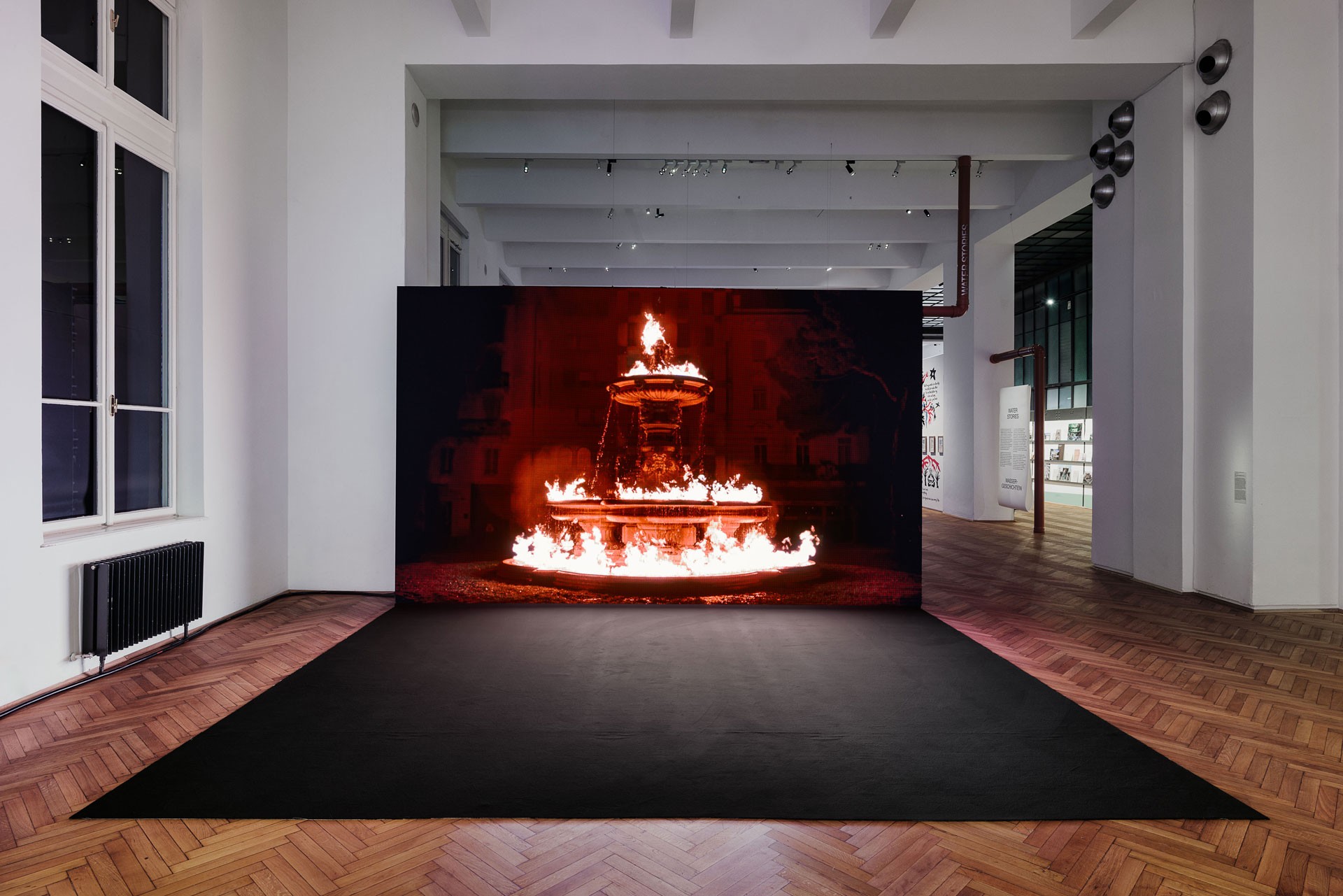
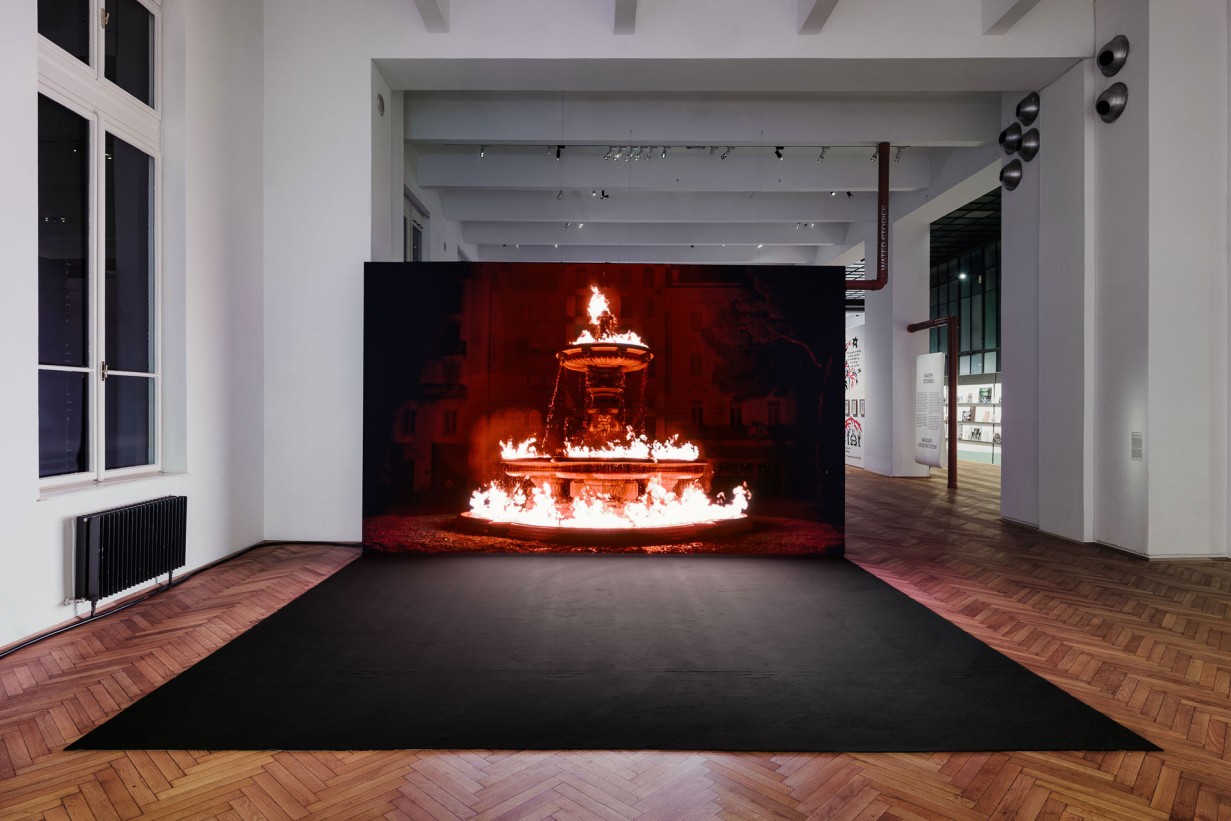
WATER PRESSURE. Designing for the Future Julian Charrière, And Beneath It All Flows Liquid Fire, 2019 © kunst-dokumentation.com/MAK
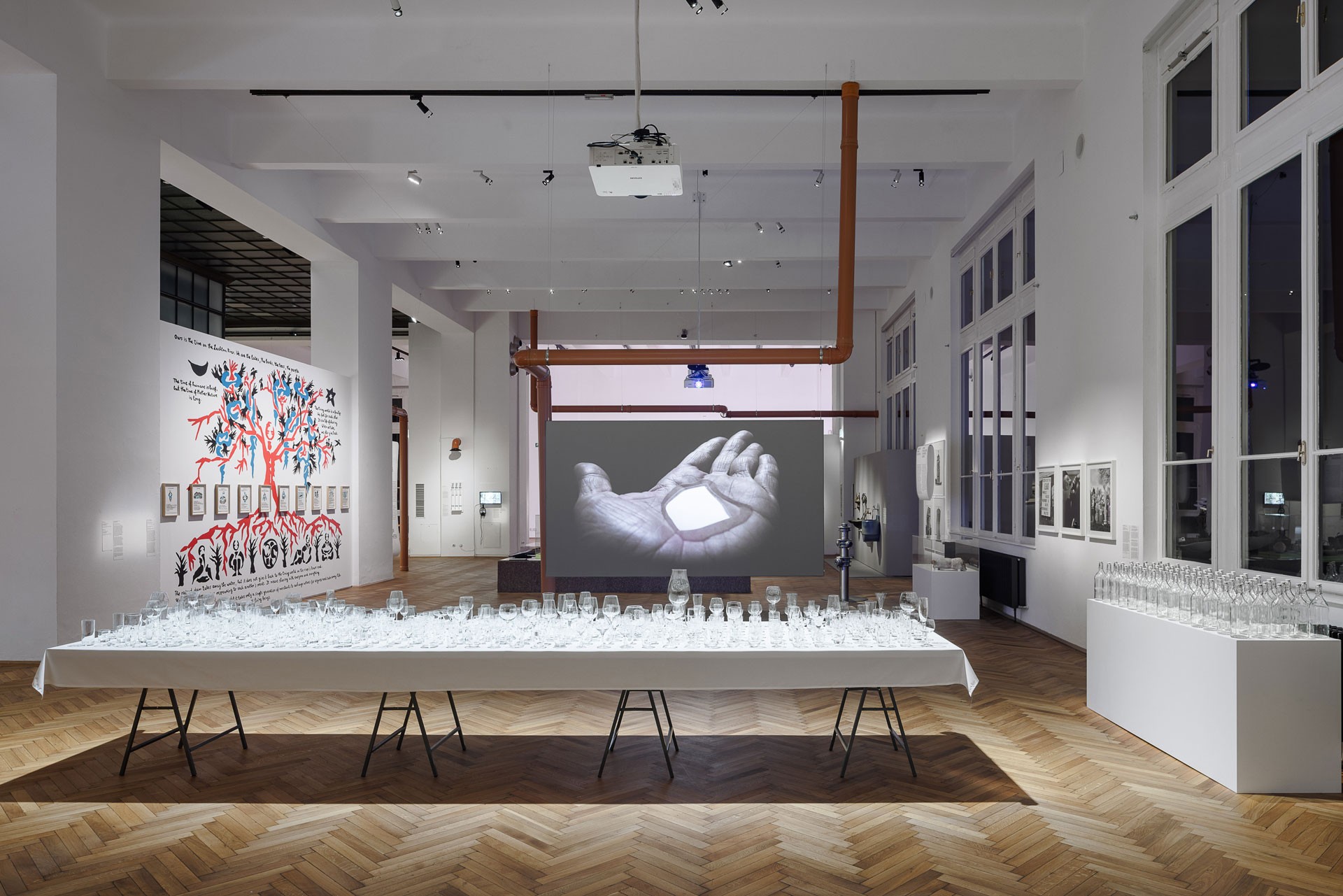
WATER PRESSURE. Designing for the Future © kunst-dokumentation.com/MAK
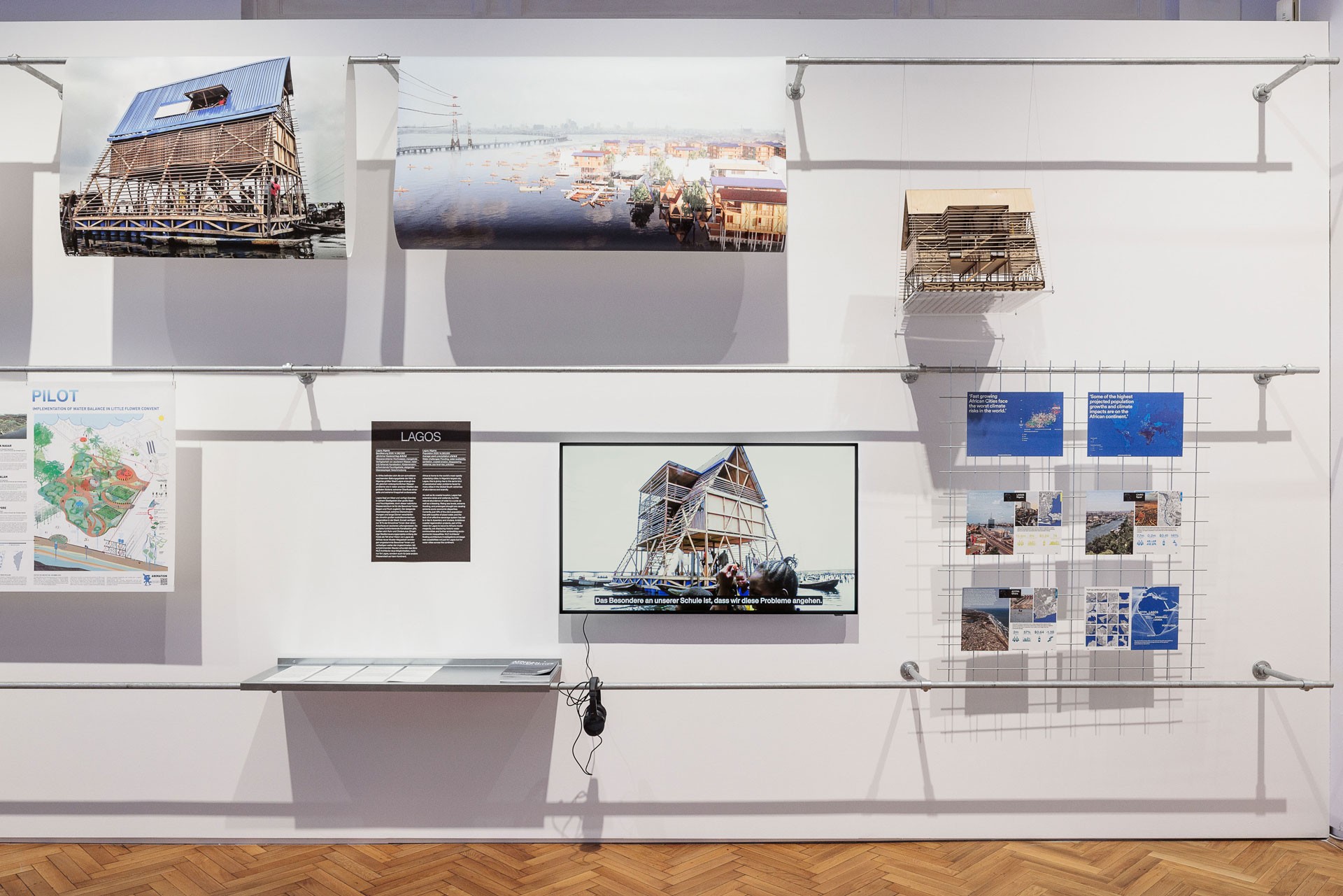
WATER PRESSURE. Designing for the Future NLE Architects, Makoko Floating System, Lagos (Nigeria), 2011–ongoing © kunst-dokumentation.com/MAK
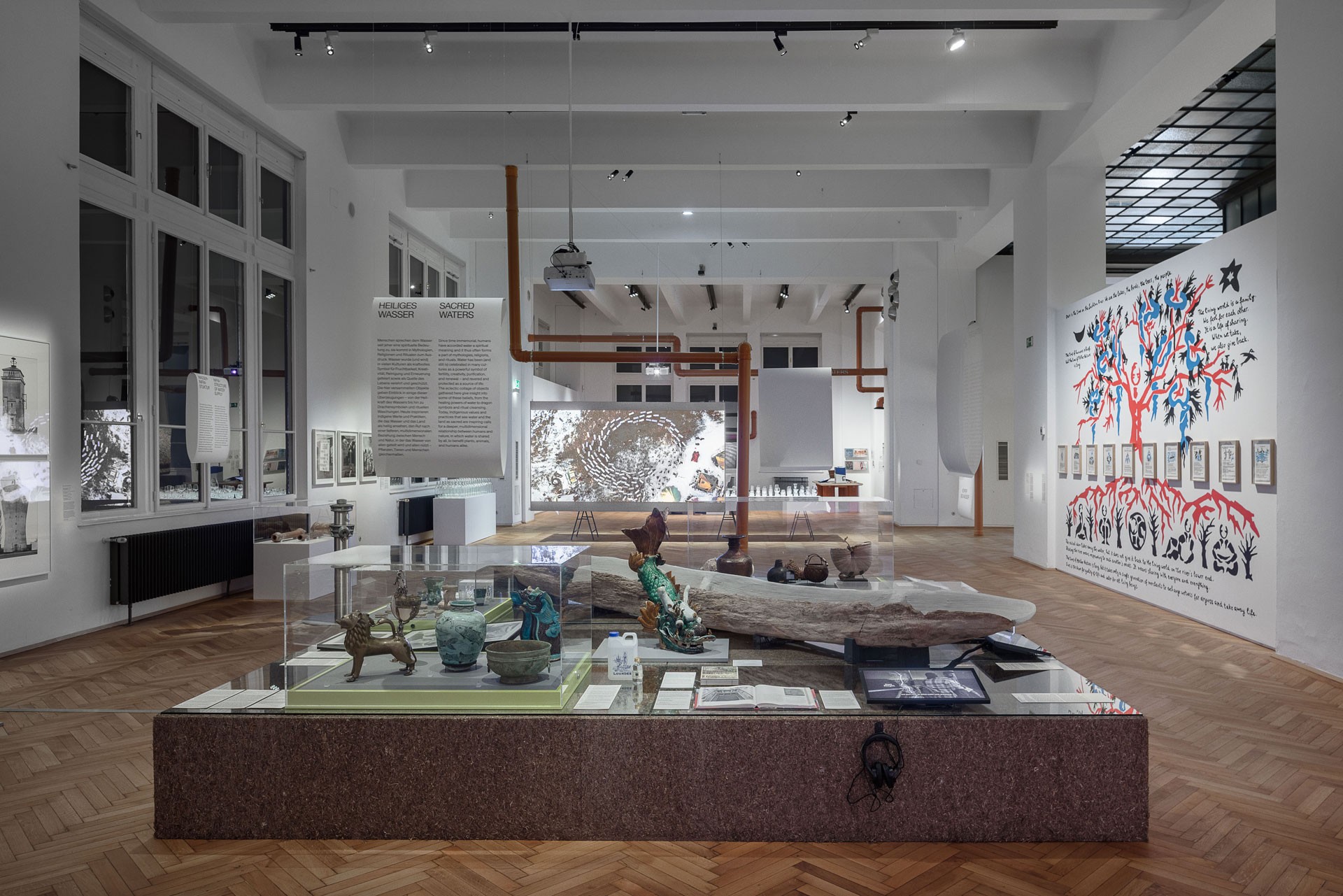
WATER PRESSURE. Designing for the Future © kunst-dokumentation.com/MAK
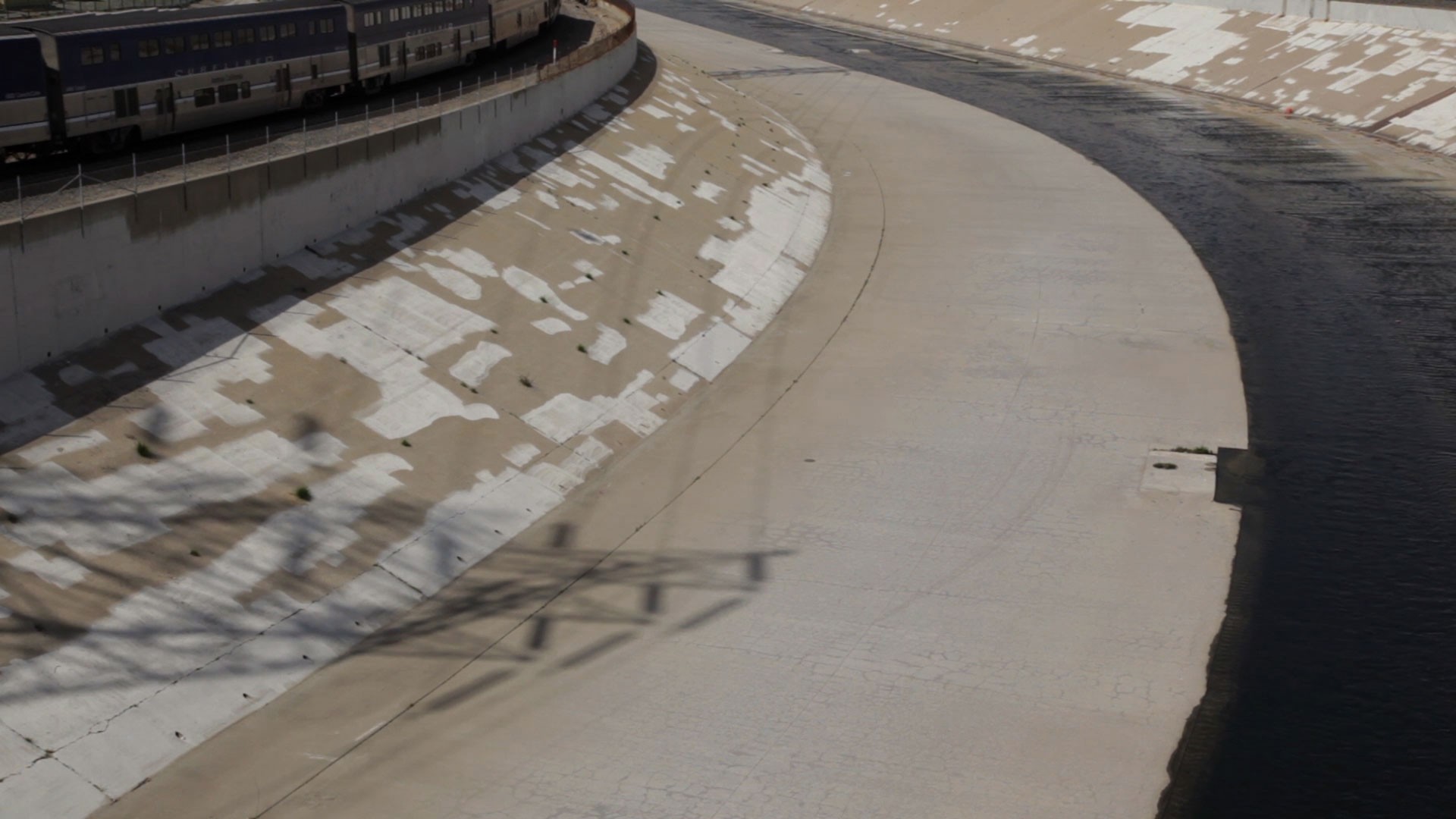
Bjoern Segschneider, Los Angeles River, Los Angeles/Frankfurt/Vienna, 2014 Film still © Björn Segschneider, Bildrecht
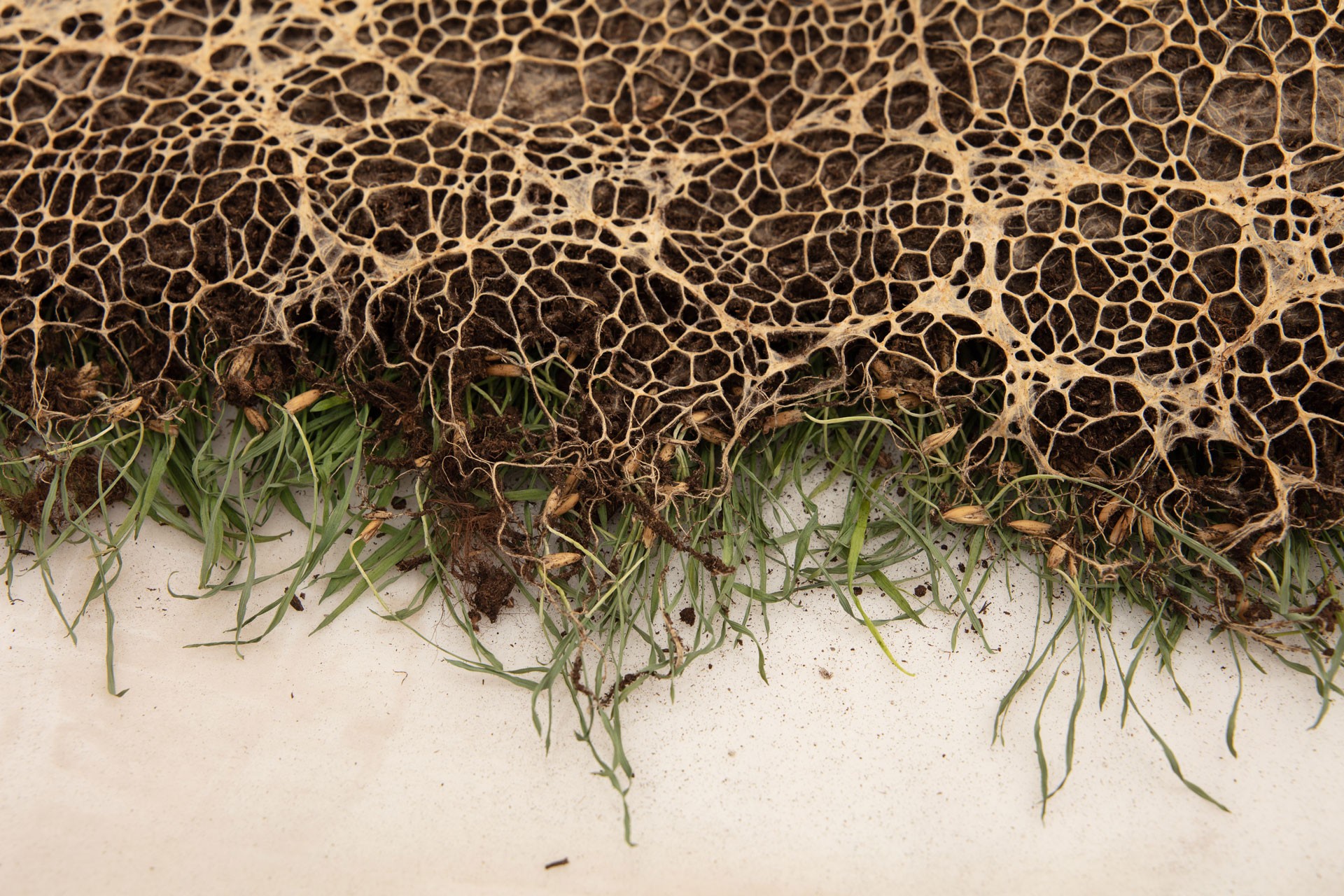
Diana Scherer, Interwoven, 2023 © Diana Scherer
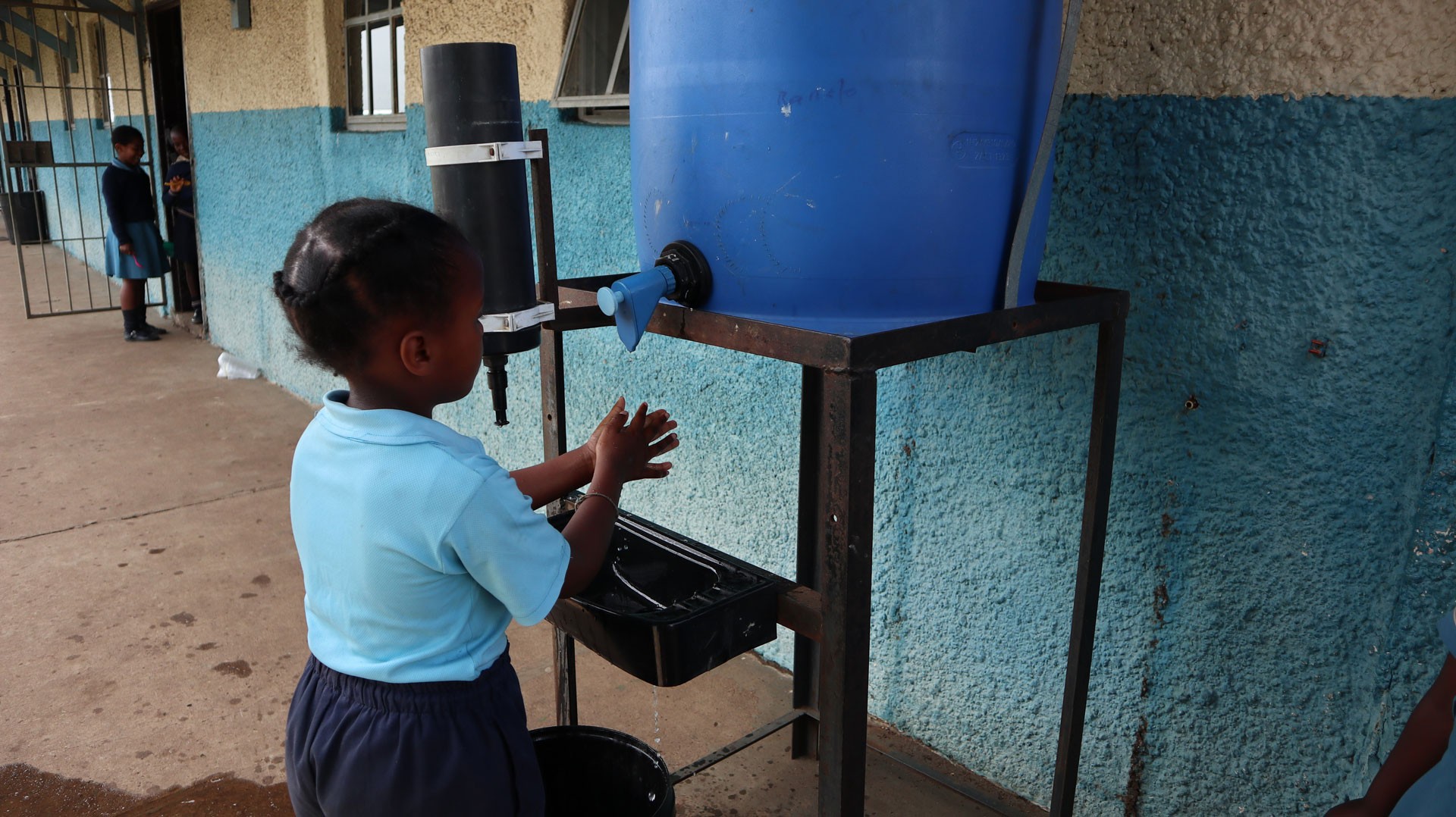
EOOS, SafeTap, since 2024 Field test in a school in Durban, South Africa © EOOS, Photo: Lucky Lugogwana
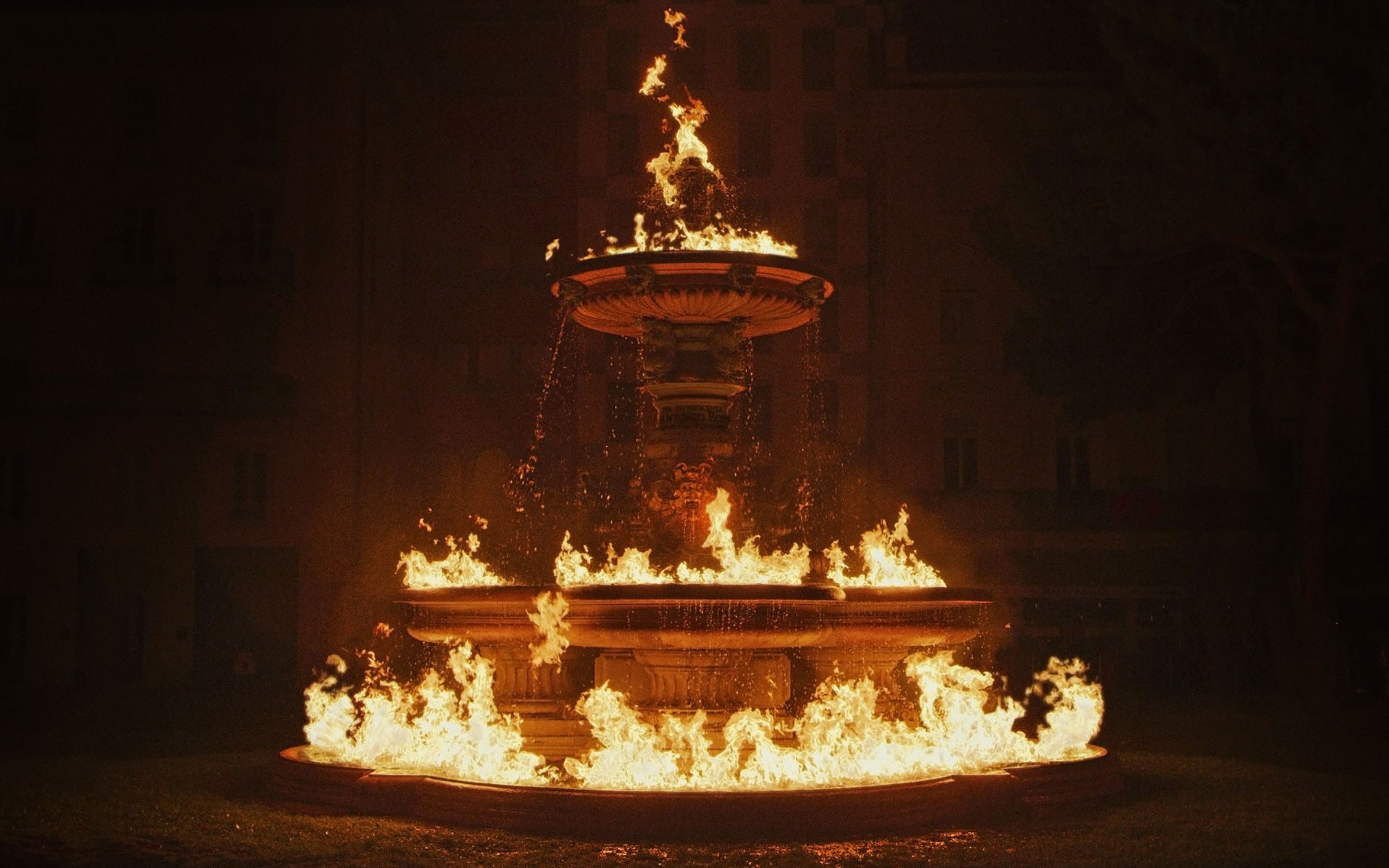
Julian Charrière, And Beneath It All Flows Liquid Fire, 2019 Video still © The artist; VG Bild-Kunst, Bonn, Germany
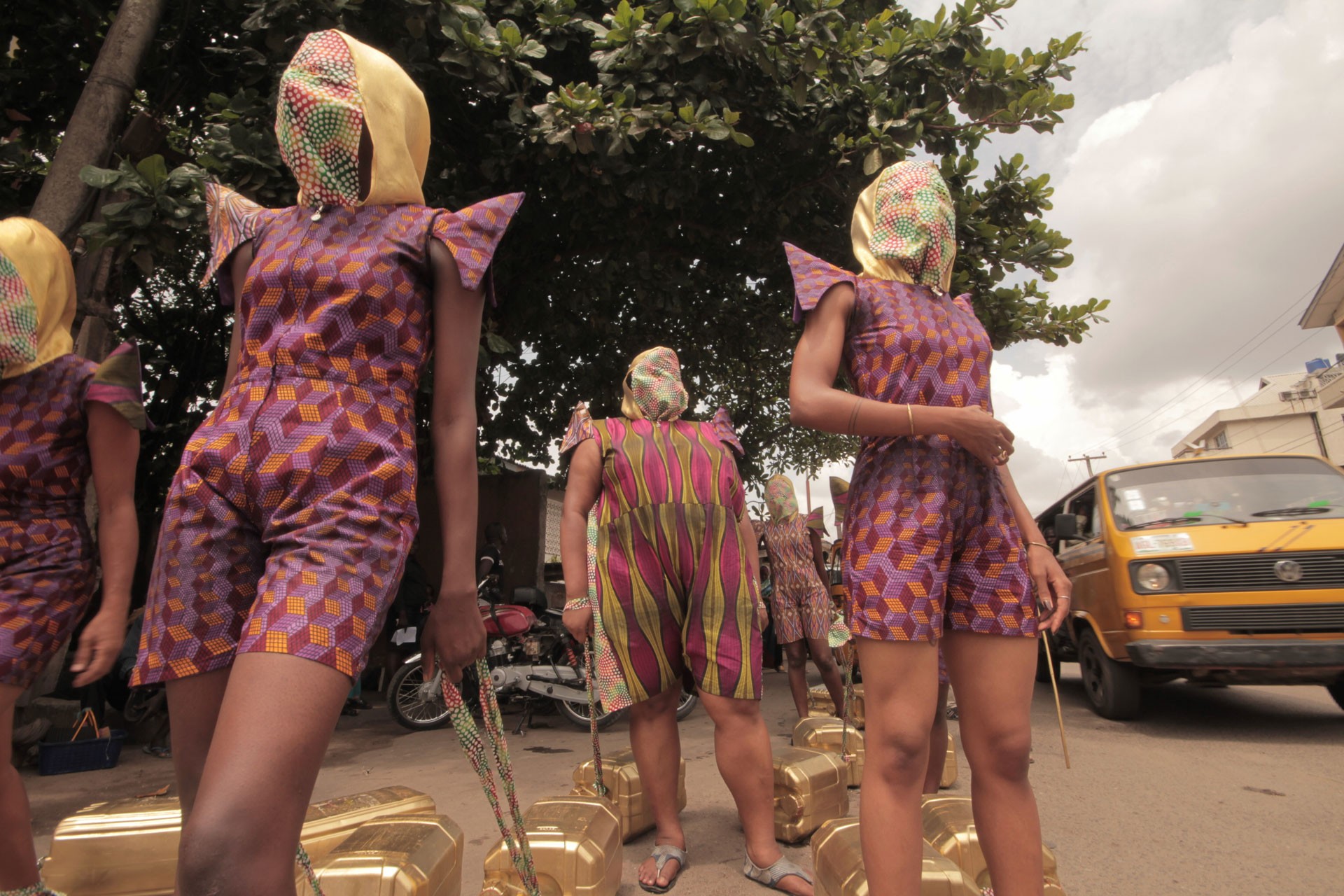
Wura-Natasha Ogunji, Will I still carry water when I am a dead woman?, 2013 © Emamode Edosio
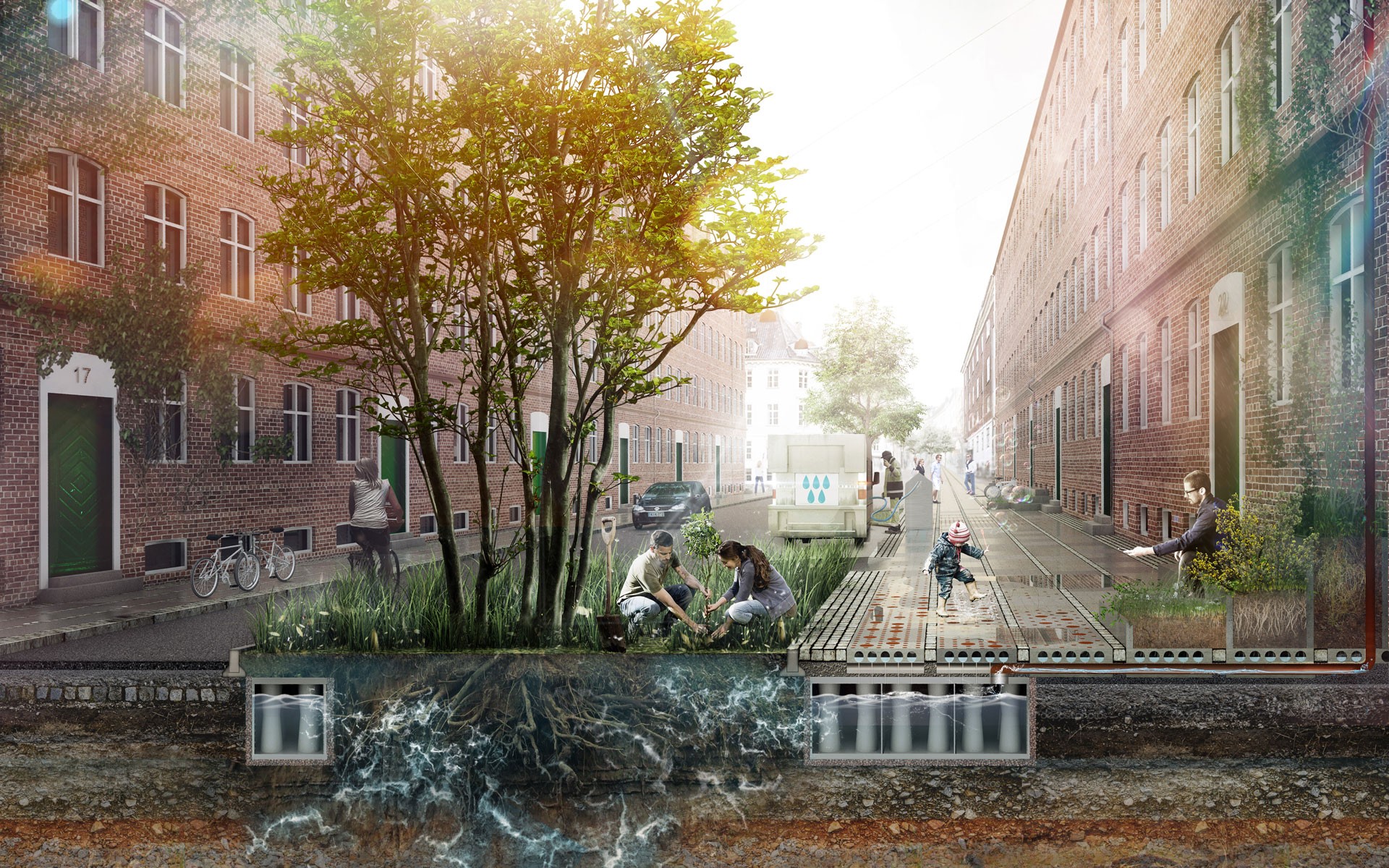
THIRD NATURE, Climate Tile, since 2014 Surface-based water management system, visualization © THIRD NATURE
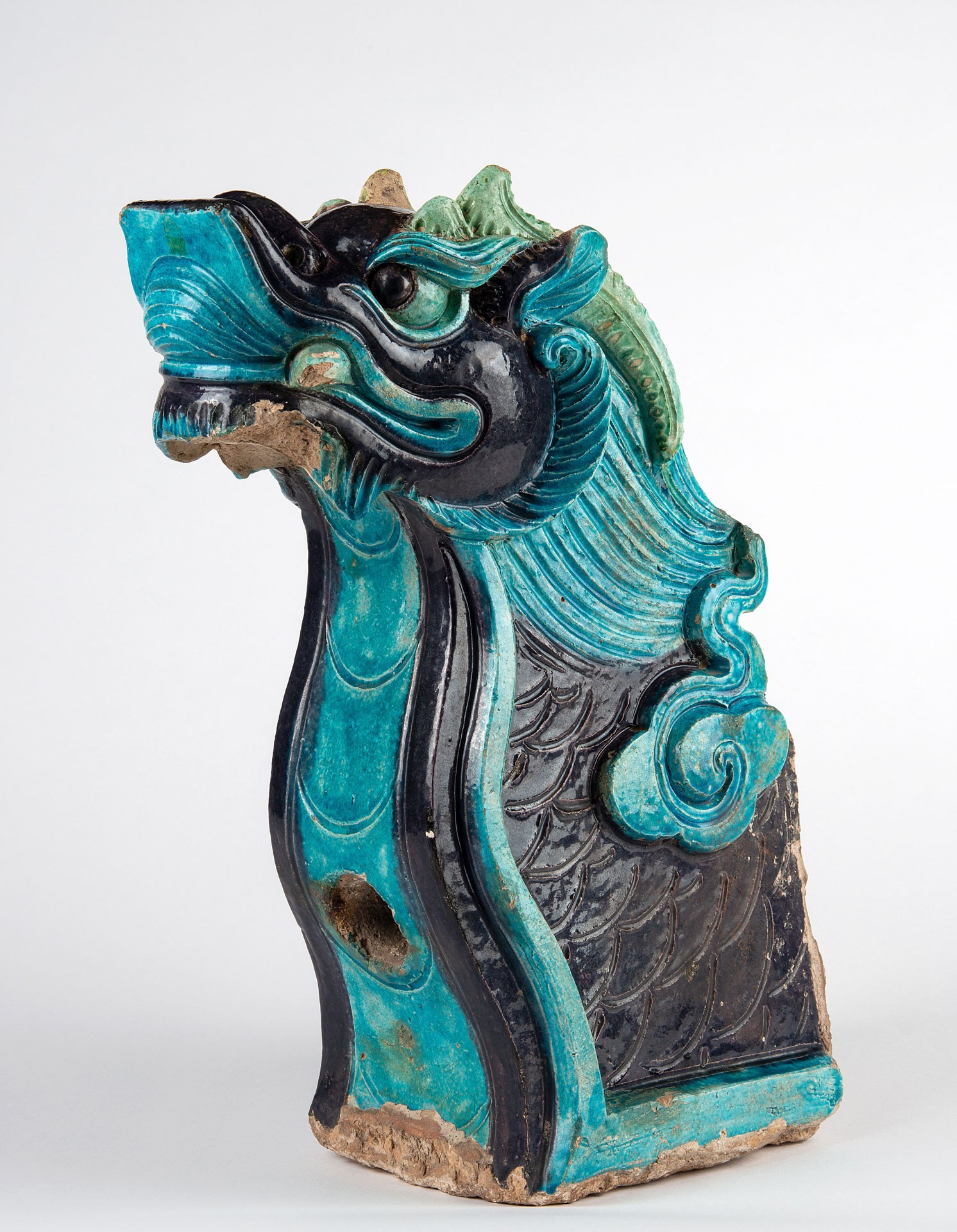
Part of a roof ridge shaped like a dragon’s head, 1644–1911 Construction ceramics MAK, KE 8609 © MAK/Kristina Wissik
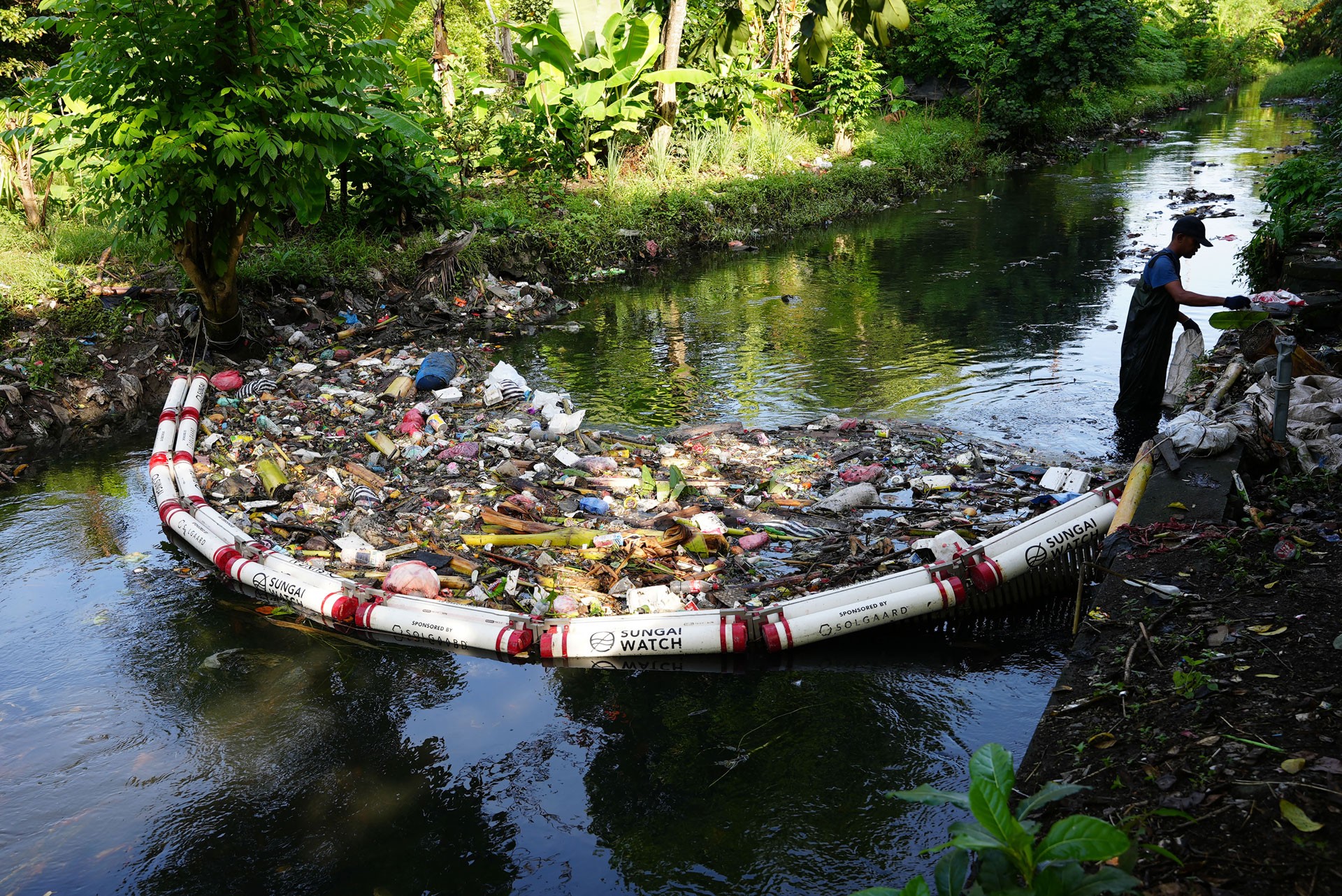
Sungai Watch, Trash barrier for river clean-up in Bali, Indonesia, since 2022 © Sungai Watch
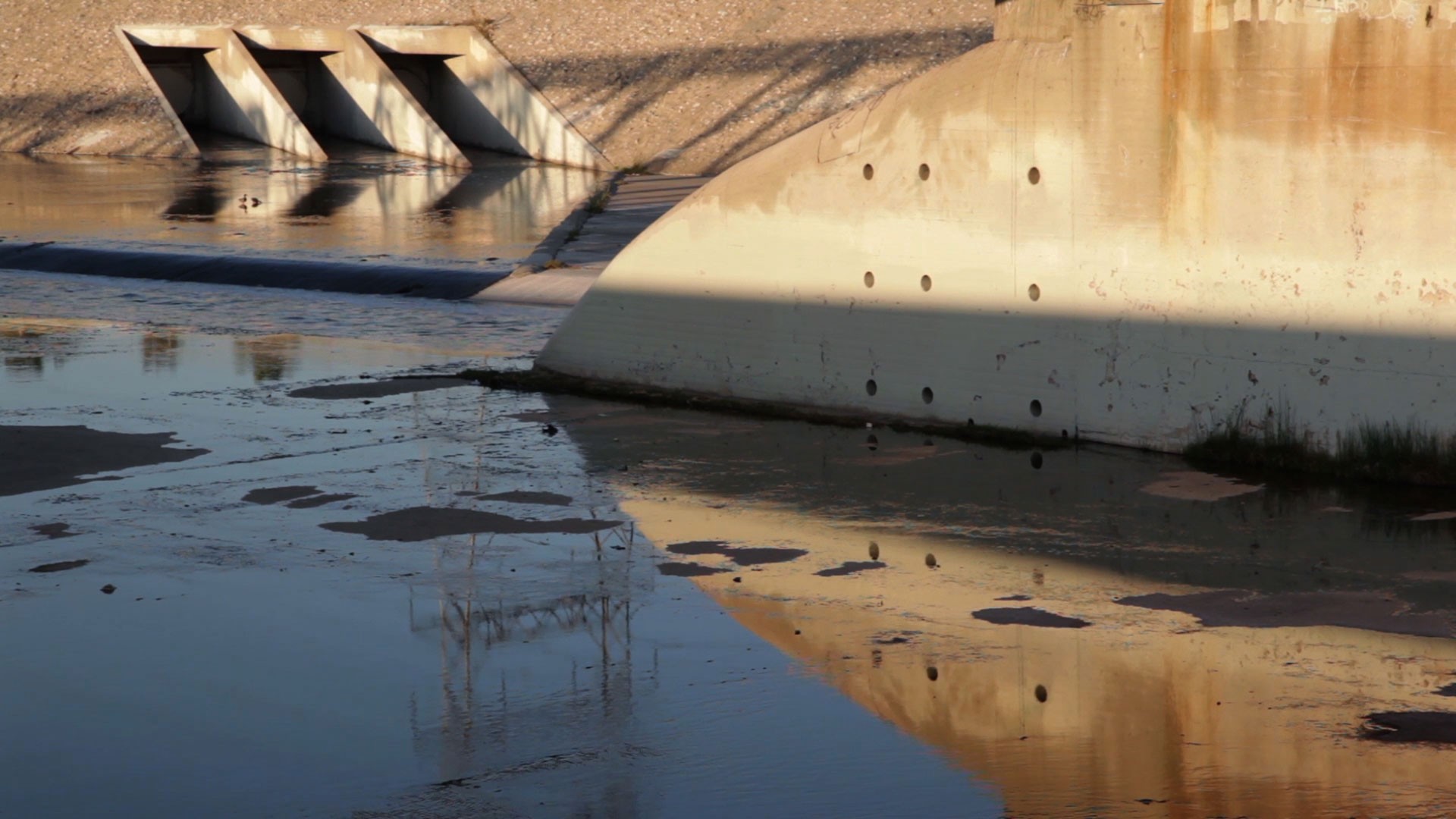
Bjoern Segschneider, Los Angeles River, Los Angeles/Frankfurt/Vienna, 2014 Film still © Björn Segschneider, Bildrecht
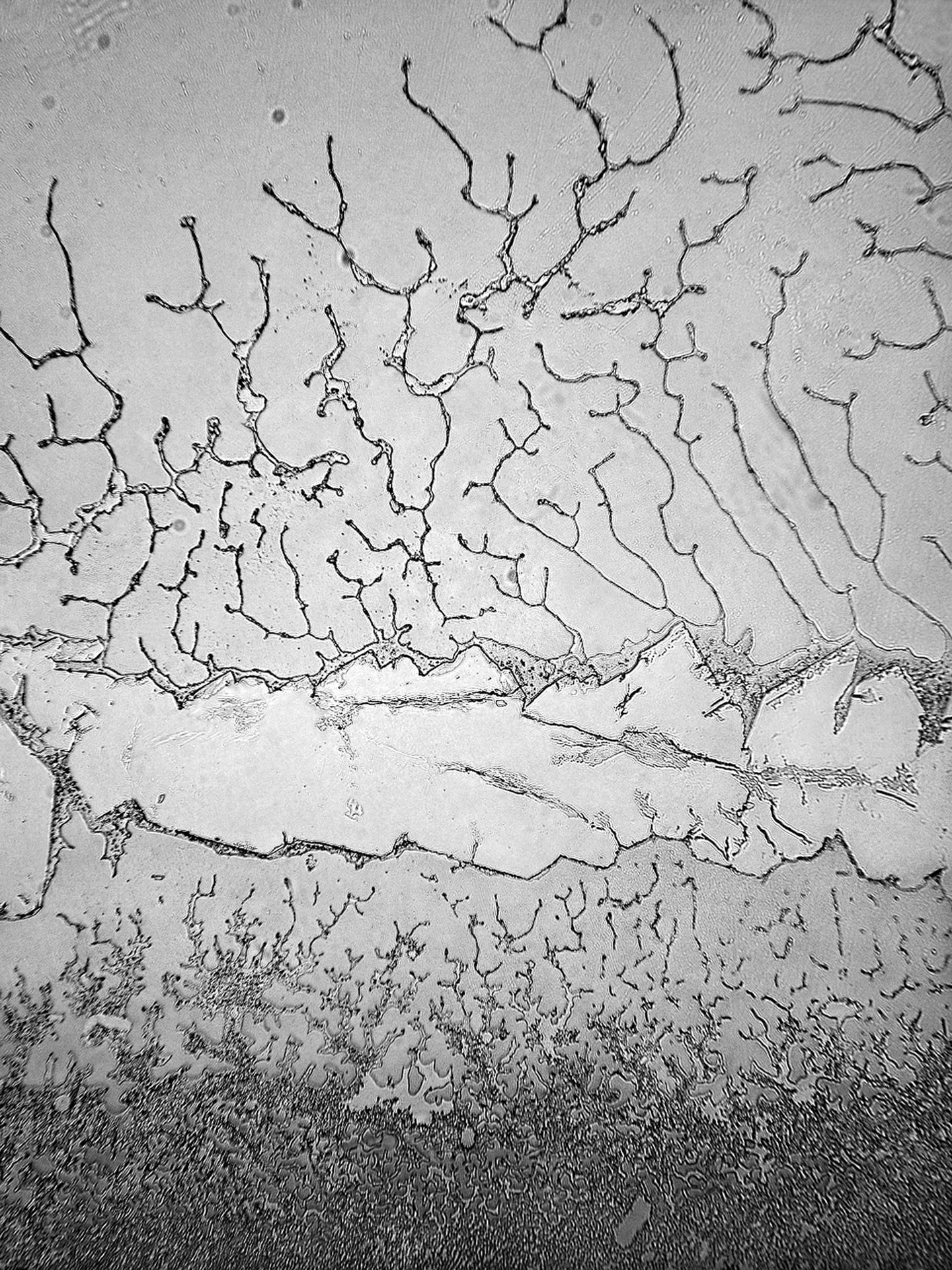
Rose-Lynn Fisher, Watery eyes: a micro climate, 2008 From the series Topography of Tears Courtesy of Craig Krull Gallery, Los Angeles © Rose-Lynn Fisher
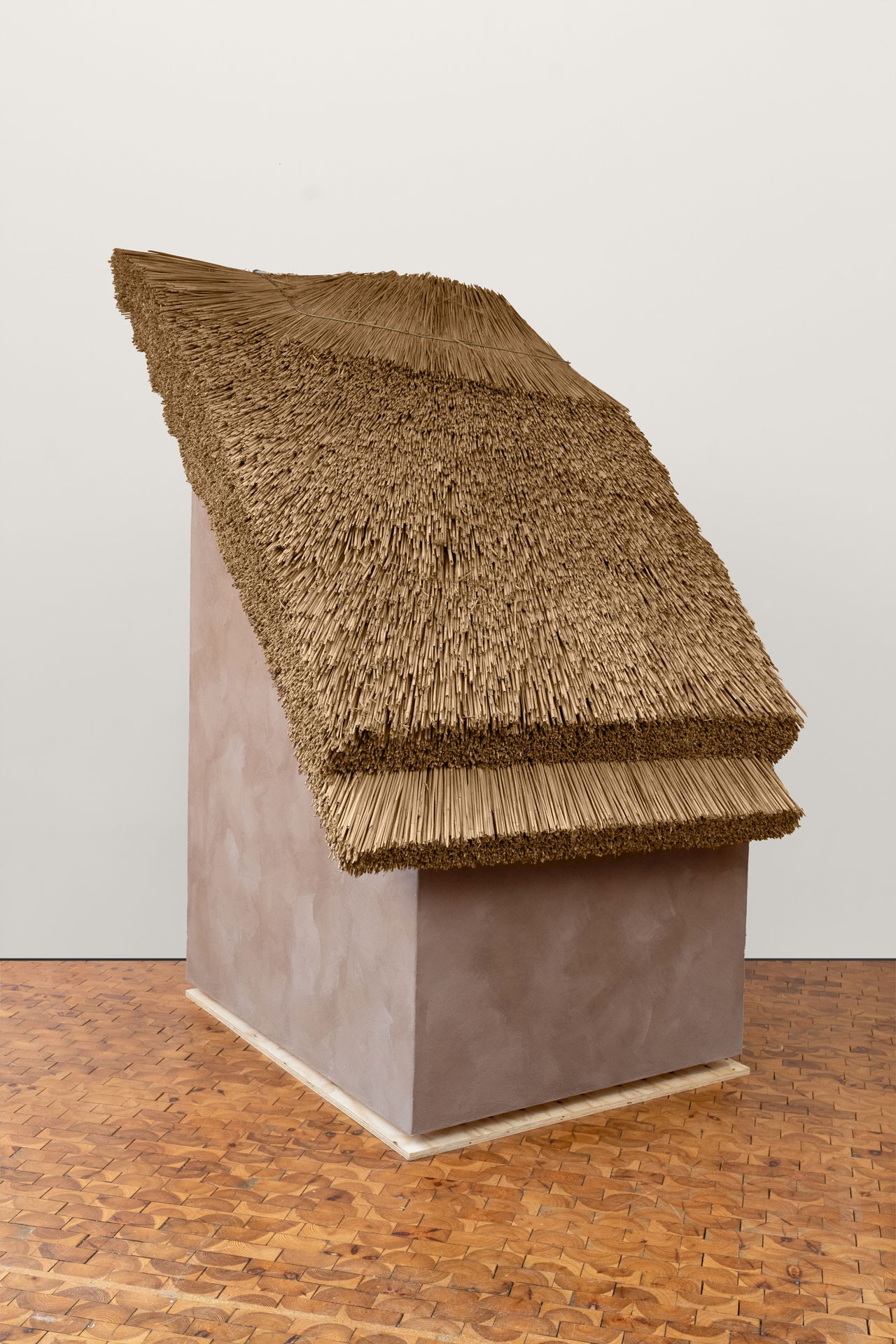
Material Cultures with Bauhaus Earth & Experimental Foundation, Paludiculture Construction Fragment, 2023 Wall and roof structure 1:1 © Joanna Wilk
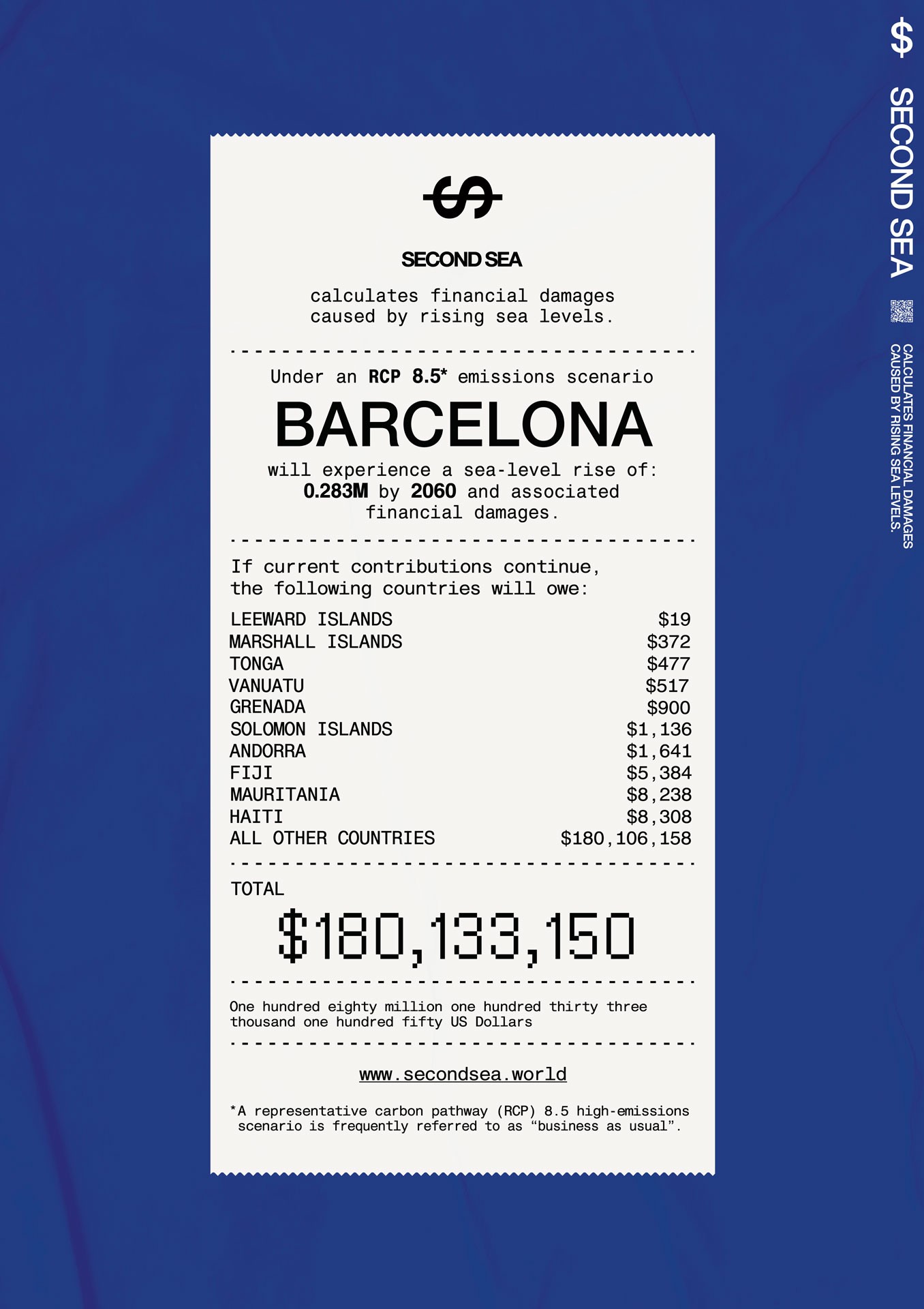
Second Sea, Second Sea Calculator, since 2022 © Second Sea by Dr. Adrian Lahoud, Prof. Sam Jacoby, Benjamin Mehigan, Accept & Proceed and ON
Exhibitions