© MAK/Georg Mayer
© MAK/Georg Mayer
© MAK/Georg Mayer
© MAK/Georg Mayer
© MAK/Georg Mayer
© MAK/Georg Mayer
© MAK/Georg Mayer
Previous Image
Dear Visitors, we are currently preparing the redesign of the permanent collections Vienna 1900 and Carpets. The rooms will be closed, and the Stoclet Frieze cartoons by Gustav Klimt are also not on display at the moment. We hope you share our excitement about the redisplays that—as per our tradition here at the MAK—are being jointly developed with artists.
MAK – Museum of Applied Arts
Vienna 1900: Toward Modernism with Markus Schinwald
Opening: Tue, 24 February 2026, 7 pm
Textiles and Carpets with Studio FormaFantasma
Opening: Tue, 24 March 2026, 7 pm
________________
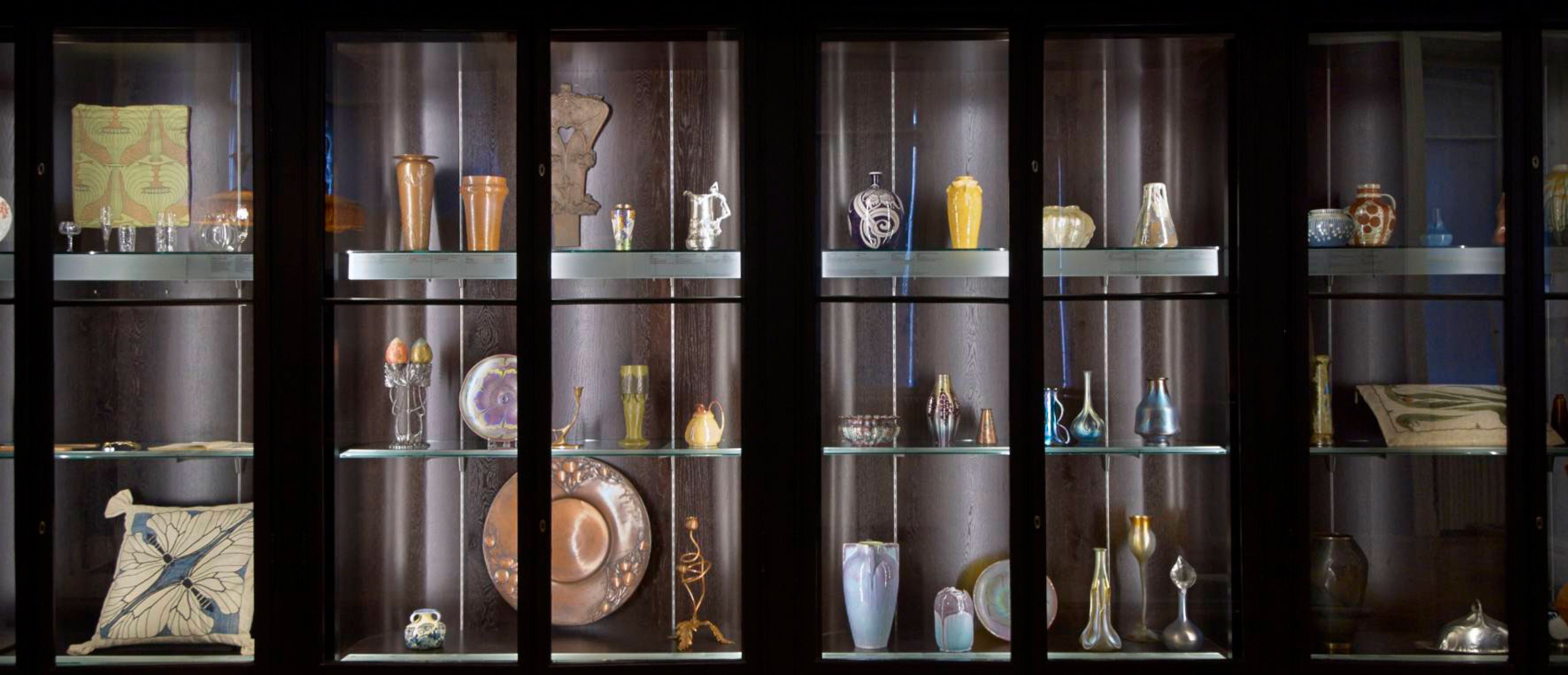
As a fascinatingly complex cultural epoch, Viennese Modernism has long become legendary. The MAK focuses on the equally multifaceted and momentous design and arts and crafts of this period in its Permanent Collection Vienna 1900 and, in addition to many other works, also presents those by Koloman Moser, Gustav Klimt, and Dagobert Peche.
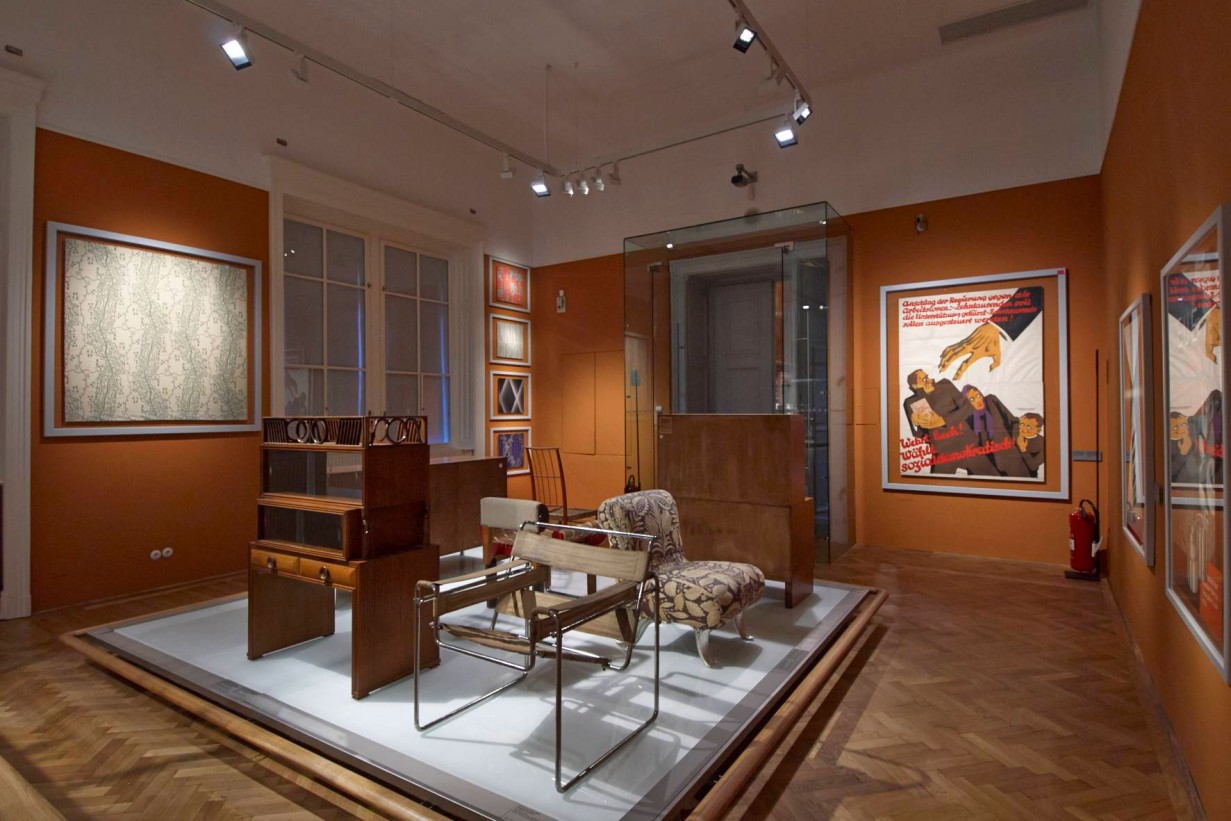
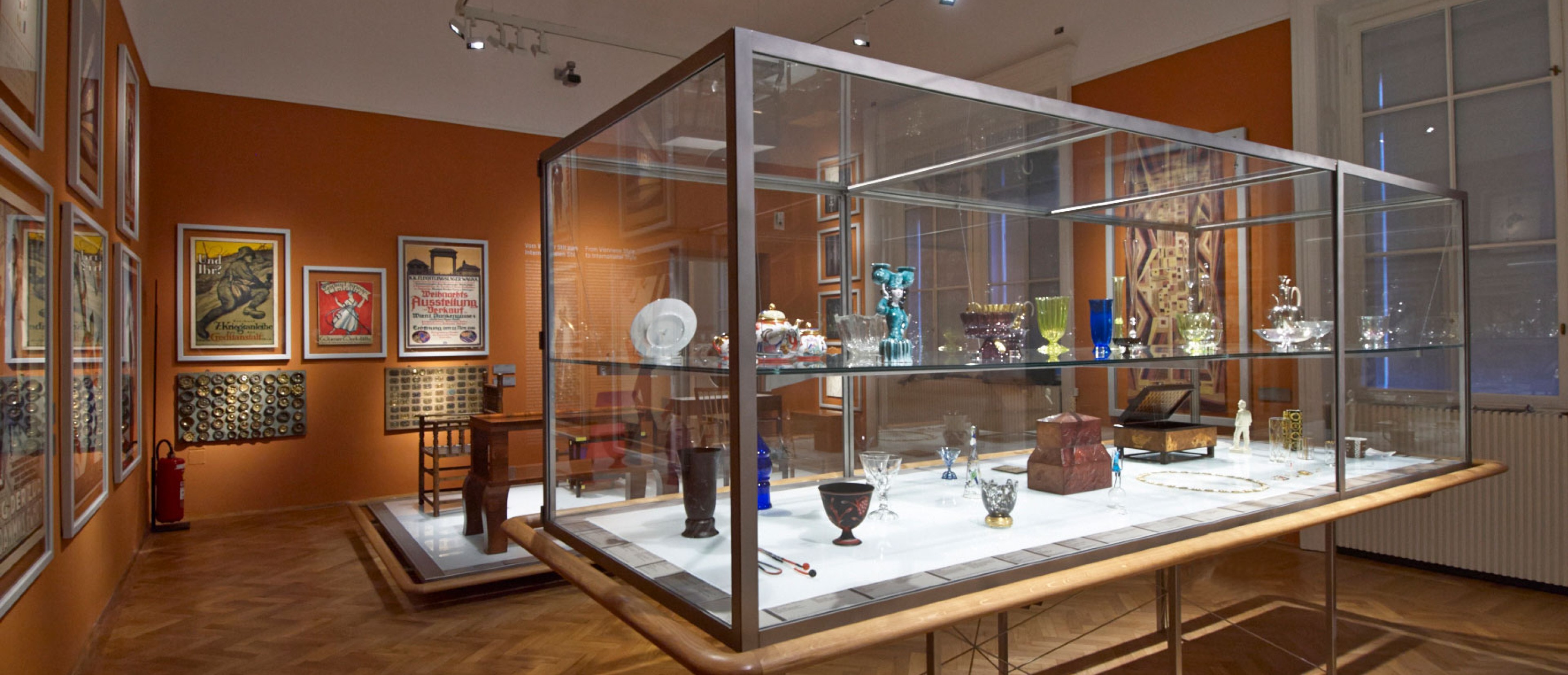
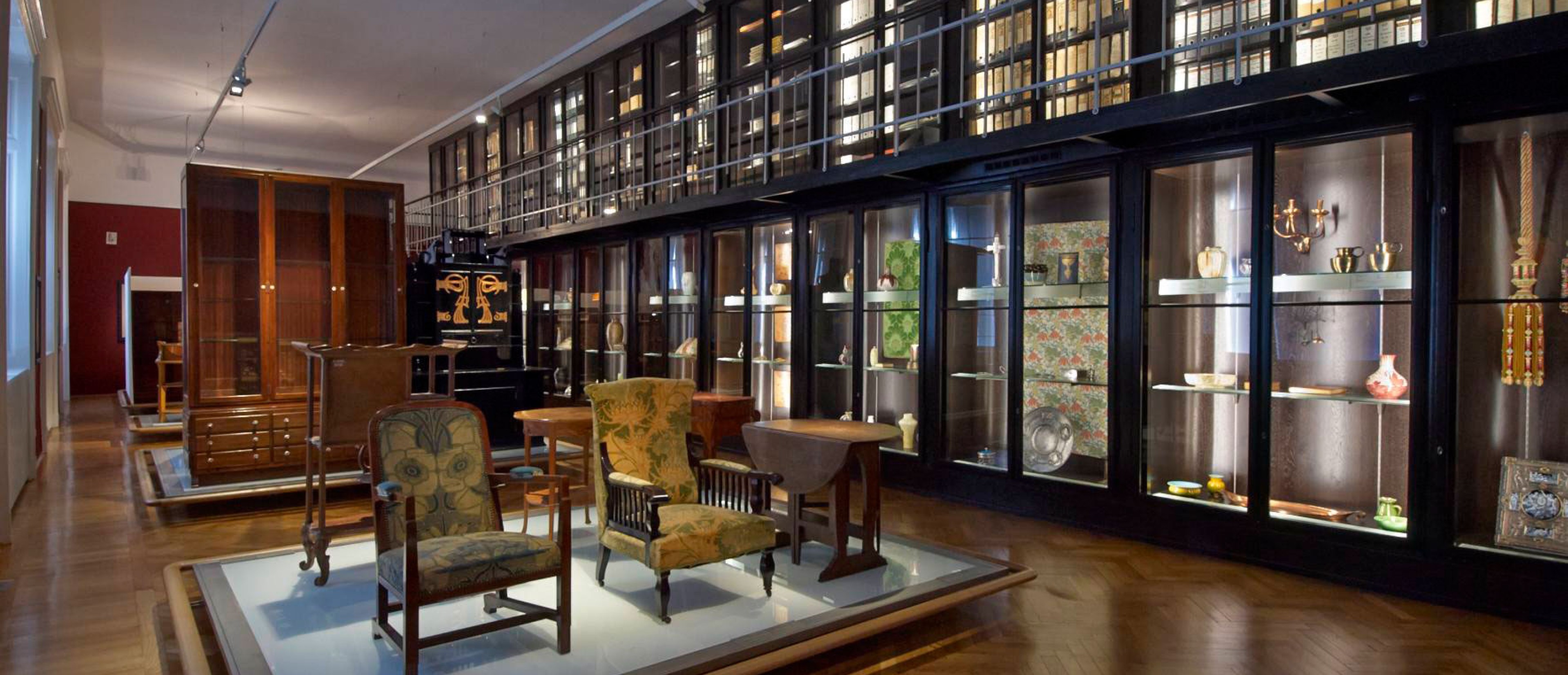
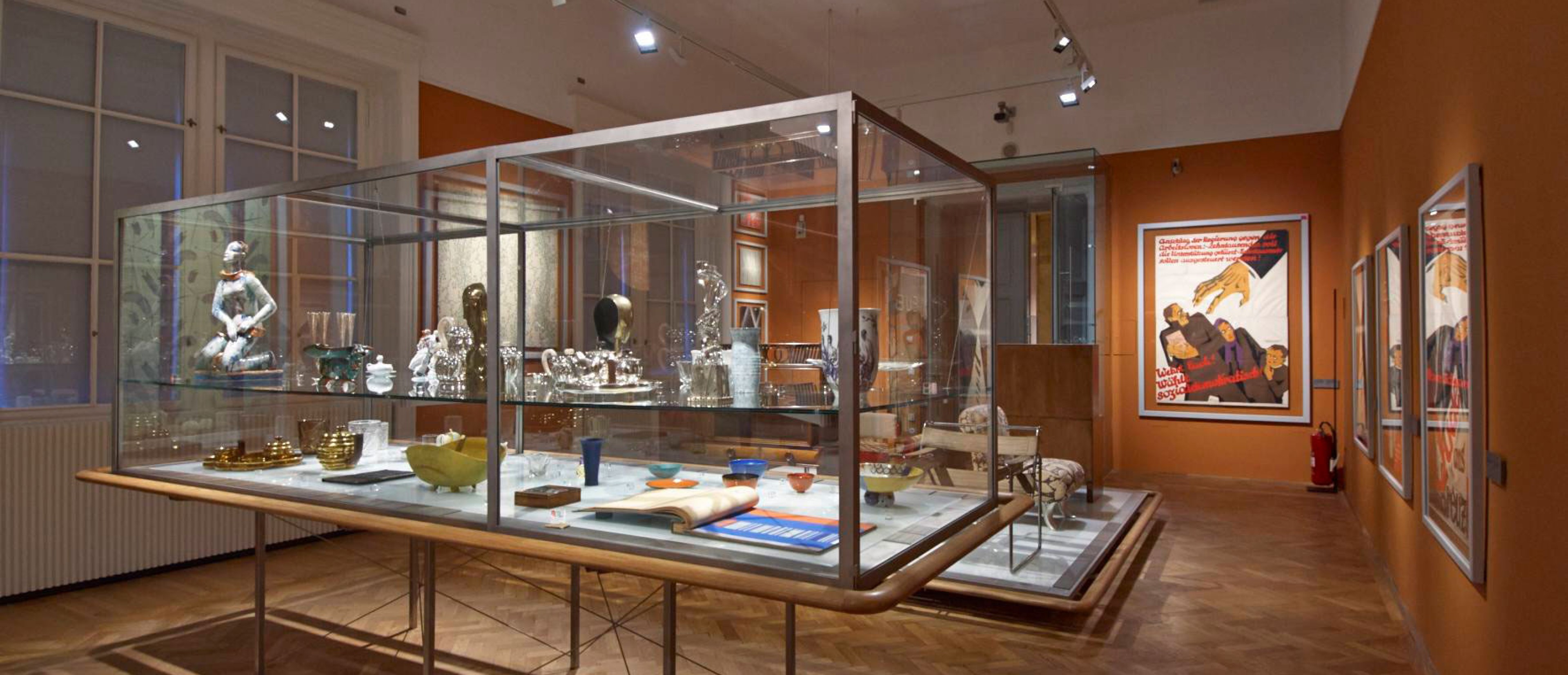
Three large exhibition rooms on the first floor are comprehensively dedicated to the phenomenon VIENNA 1900. Design/Arts and Crafts 1890–1938. The presentation, which has existed since 2013 and was designed by architect Michael Embacher, follows a chronological structure: from overcoming Historicism at the end of the 19th century to the Nazi’s rise to power in 1938.
The first room focuses on the search for a modern, democratic style. Furniture designs by Otto Wagner, Koloman Moser, and Adolf Loos make it possible to follow the steps of this search, accompanied by the international influences of Viennese Modernism: arts and crafts from England, France, and Japan.
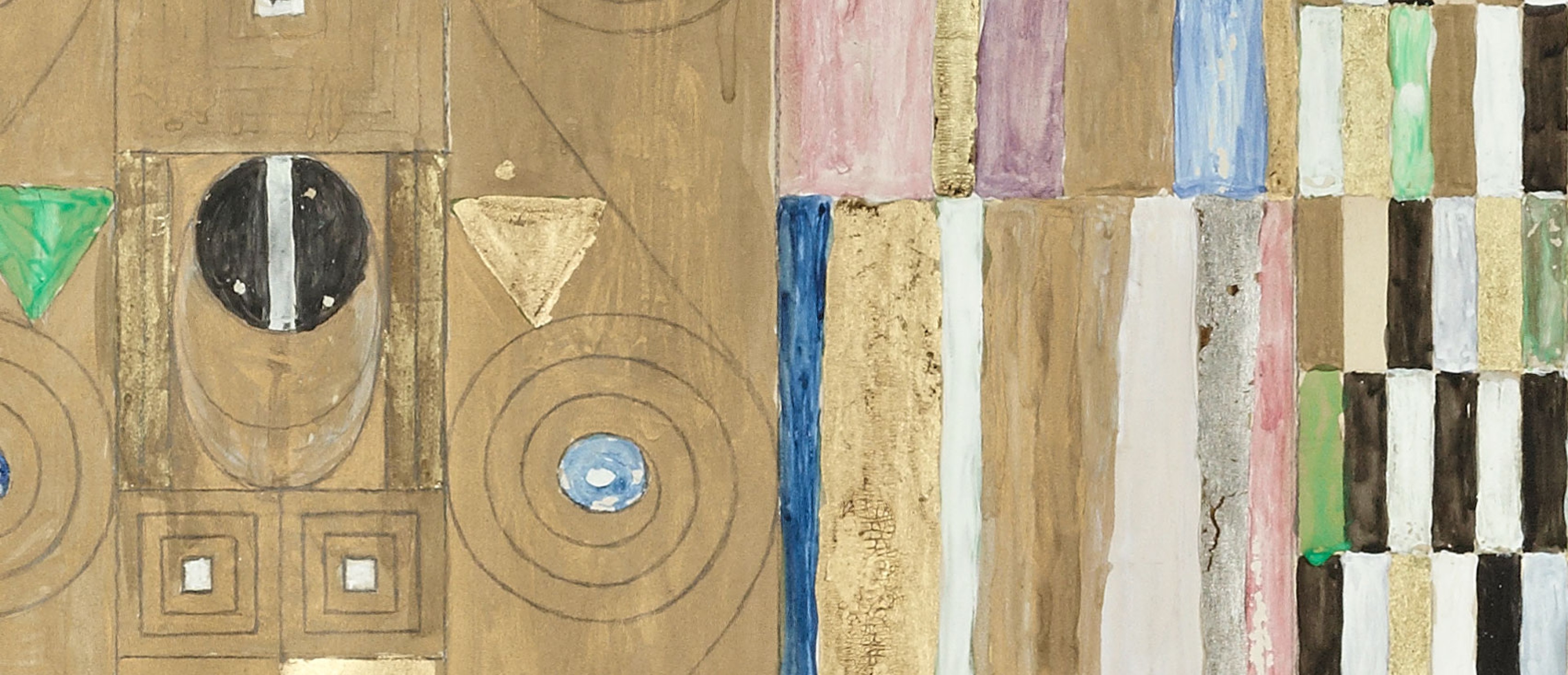
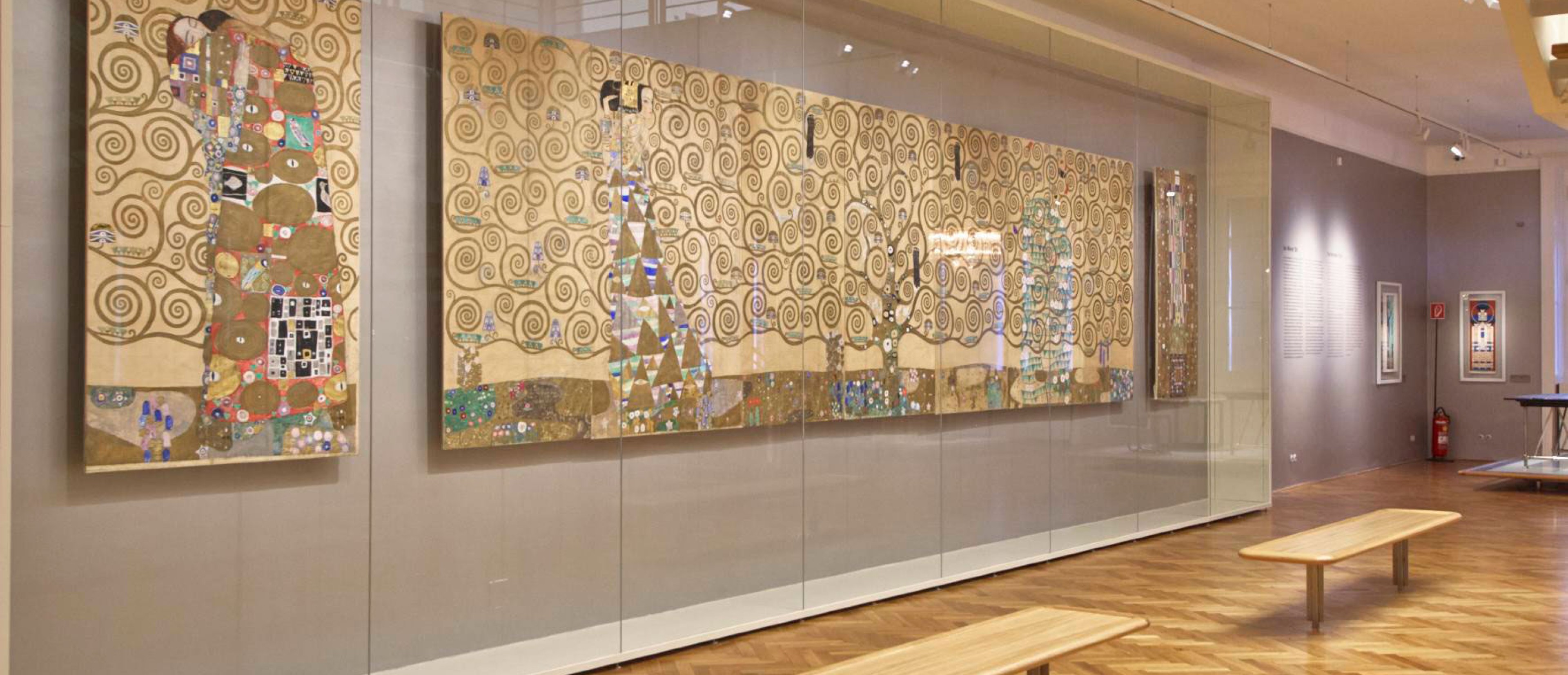
The second room looks into the idea of a Gesamtkunstwerk (total work of art) and the height of Viennese Modernism with its central characteristic of a desire for individual expression, which gave birth to particularly radical solutions. In addition to the iconic designs by the Wiener Werksätte, for example the Waerndorfer flatware by Josef Hoffmann, Gustav Klimt’s work drawing for a wall mosaic in Stoclet House in Brussels, which spans eight meters, is a highlight of the room.
Opening: Tue, 24 February 2026, 7 pm
Textiles and Carpets with Studio FormaFantasma
Opening: Tue, 24 March 2026, 7 pm
________________
As a fascinatingly complex cultural epoch, Viennese Modernism has long become legendary. The MAK focuses on the equally multifaceted and momentous design and arts and crafts of this period in its Permanent Collection Vienna 1900 and, in addition to many other works, also presents those by Koloman Moser, Gustav Klimt, and Dagobert Peche.
Three large exhibition rooms on the first floor are comprehensively dedicated to the phenomenon VIENNA 1900. Design/Arts and Crafts 1890–1938. The presentation, which has existed since 2013 and was designed by architect Michael Embacher, follows a chronological structure: from overcoming Historicism at the end of the 19th century to the Nazi’s rise to power in 1938.
The first room focuses on the search for a modern, democratic style. Furniture designs by Otto Wagner, Koloman Moser, and Adolf Loos make it possible to follow the steps of this search, accompanied by the international influences of Viennese Modernism: arts and crafts from England, France, and Japan.
The second room looks into the idea of a Gesamtkunstwerk (total work of art) and the height of Viennese Modernism with its central characteristic of a desire for individual expression, which gave birth to particularly radical solutions. In addition to the iconic designs by the Wiener Werksätte, for example the Waerndorfer flatware by Josef Hoffmann, Gustav Klimt’s work drawing for a wall mosaic in Stoclet House in Brussels, which spans eight meters, is a highlight of the room.
Christian Witt-Dörring
Vienna 1900 / Focus Tours
Come with us on a journey through the glamorous world of Viennese Modernism. In guided tours whose themes change weekly, we offer fascinating insights into the Vienna of 100 years ago. In our tours through this fascinatingly complex era, we immerse ourselves in historical contexts in the history of the Wiener Werkstätte and its products and personalities making them shine with fresh brilliance.
every Sunday 4.30 pm
The MAK/GUIDE published on the occasion of the reinstallation of the MAK Permanent Collection VIENNA 1900 is edited by Christoph Thun-Hohenstein, with contributions by Rainald Franz, Sebastian Hackenschmidt, Barbara Karl, Peter Klinger, Kathrin Pokorny-Nagel, Elisabeth Schmuttermeier, Christoph Thun-Hohenstein, Johannes Wieninger and Christian Witt-Dörring. German/English, 224 pages, 100 color illustrations, 24 x 12,5 cm, paperback, MAK Vienna / Prestel Verlag, 2013. Available at the MAK Design Shop and at makdesignshop.at
Experience the MAK by listening! Explore the MAK with the digital MAK Guide. Audio pieces and high-resolution images offer you an entirely new access to MAK objects and their stories. Free of charge and without download on your mobile at guide.MAK.at
© MAK/Katrin Wißkirchen
© MAK/Nathan Murrell
© MAK/Katrin Wißkirchen
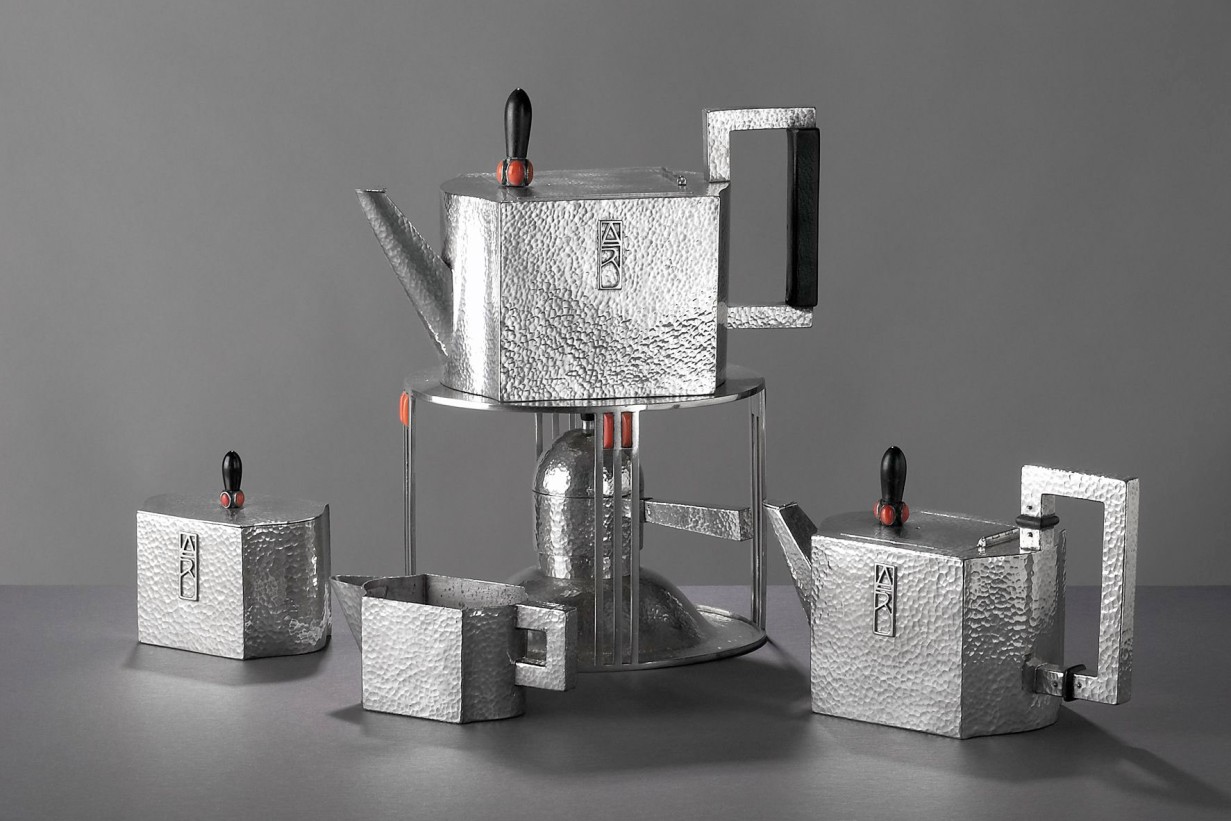
© MAK/Georg Mayer
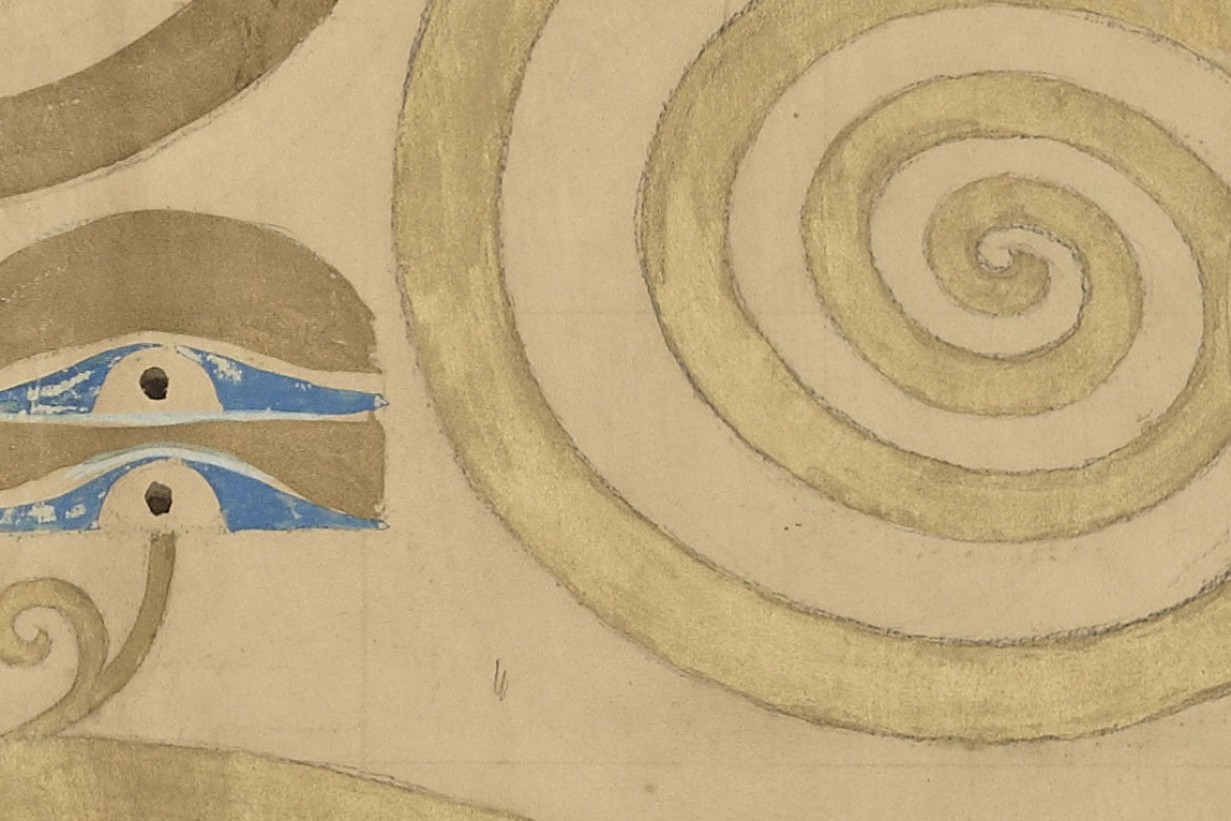
© MAK/Georg Mayer
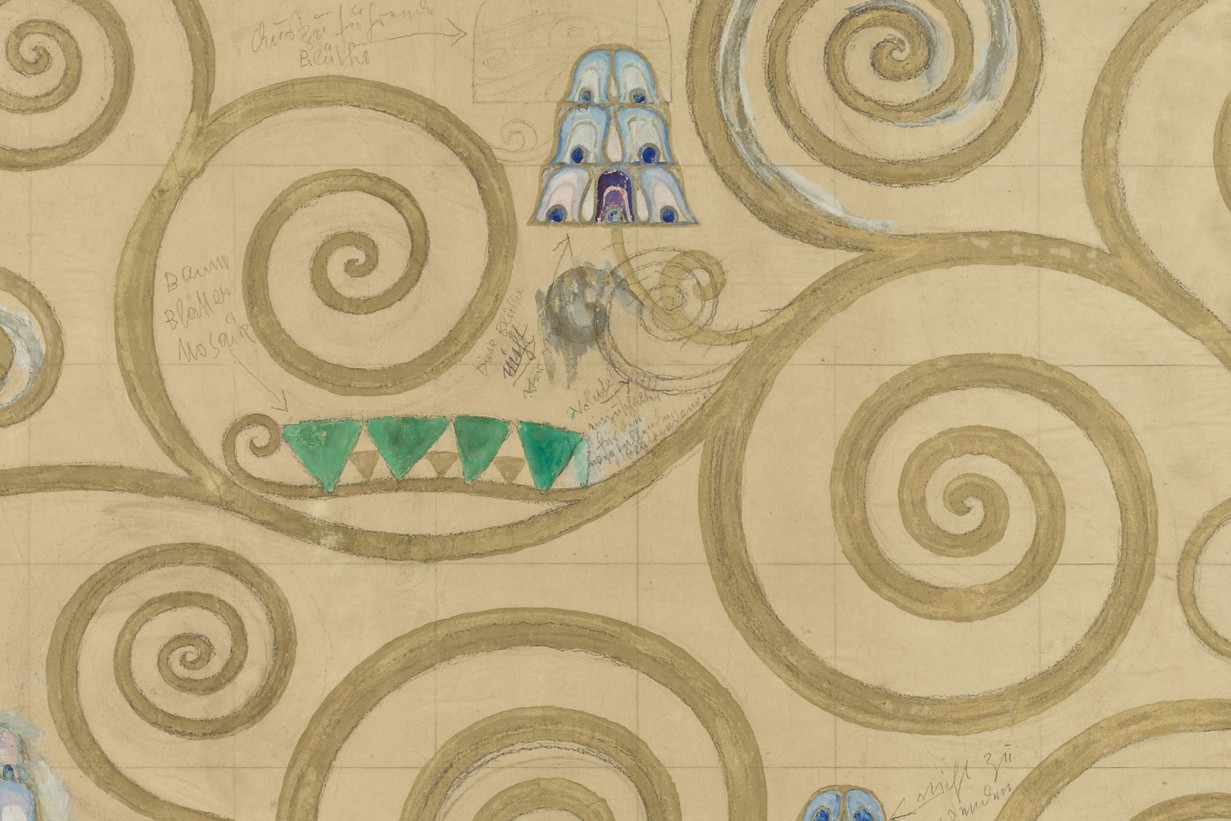
© MAK/Georg Mayer
Previous Image
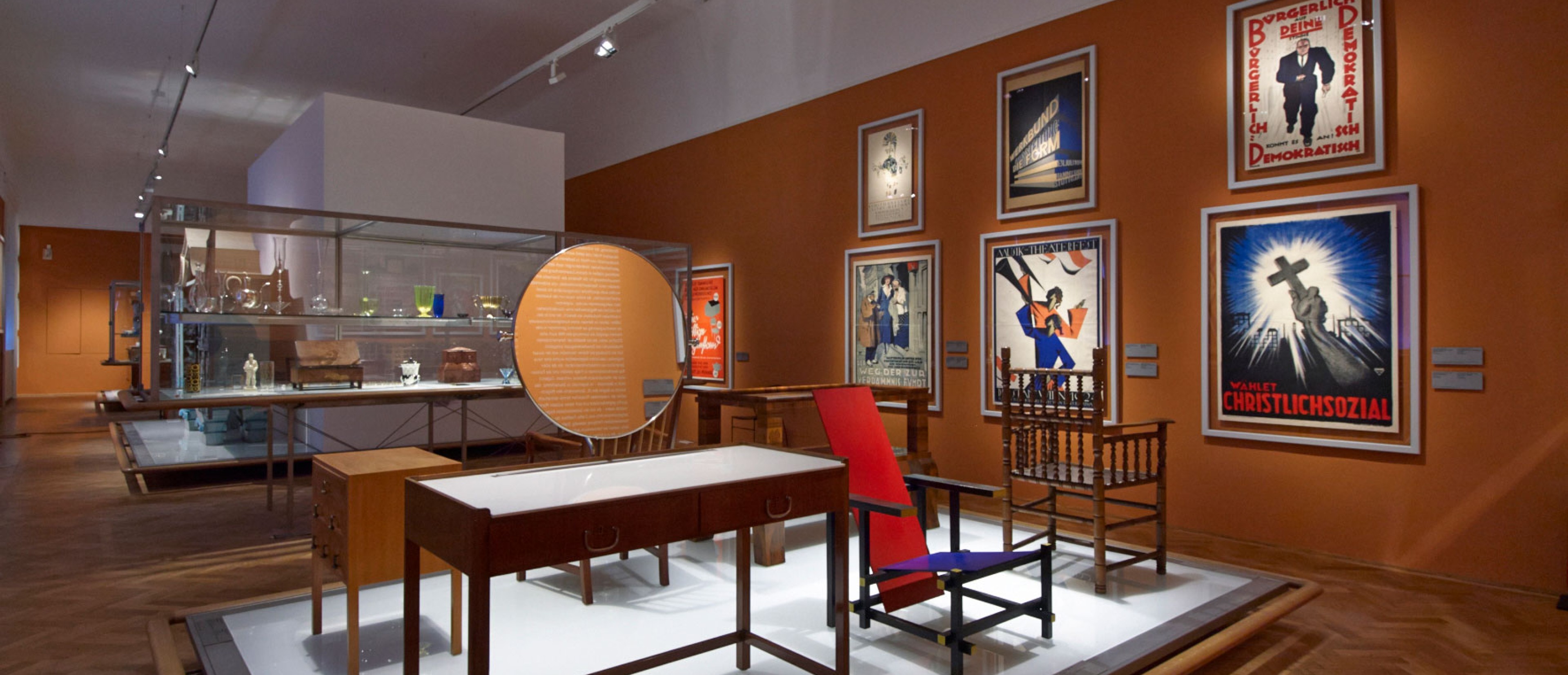
The third room traces the path to the International Style. The, by now, established Viennese Style is presented in combination with international design classics from the years between the wars.
Vienna around 1900 was a vibrating metropolis characterized by contrasts and a cultural center in Europe. In their designs, the architects, artists, and designers represented in the exhibition rooms explored the question how people at the beginning of the 20th century wanted to reside, work, and live (together). Their answers range from avant-garde new creations to fallbacks to the Biedermeier era. Crossing the rooms gives visitors the chance of gaining a fundamental historical understanding of this influential epoch.
Coined Secessionism and Art Nouveau, design and arts and crafts from this vibrant era serve the creation of an Austrian identity in an unparalleled way. Taking this into account while also raising new questions will be the starting point for the new concept of the Permanent Collection Vienna 1900 in the next years.
Vienna around 1900 was a vibrating metropolis characterized by contrasts and a cultural center in Europe. In their designs, the architects, artists, and designers represented in the exhibition rooms explored the question how people at the beginning of the 20th century wanted to reside, work, and live (together). Their answers range from avant-garde new creations to fallbacks to the Biedermeier era. Crossing the rooms gives visitors the chance of gaining a fundamental historical understanding of this influential epoch.
Coined Secessionism and Art Nouveau, design and arts and crafts from this vibrant era serve the creation of an Austrian identity in an unparalleled way. Taking this into account while also raising new questions will be the starting point for the new concept of the Permanent Collection Vienna 1900 in the next years.
Media
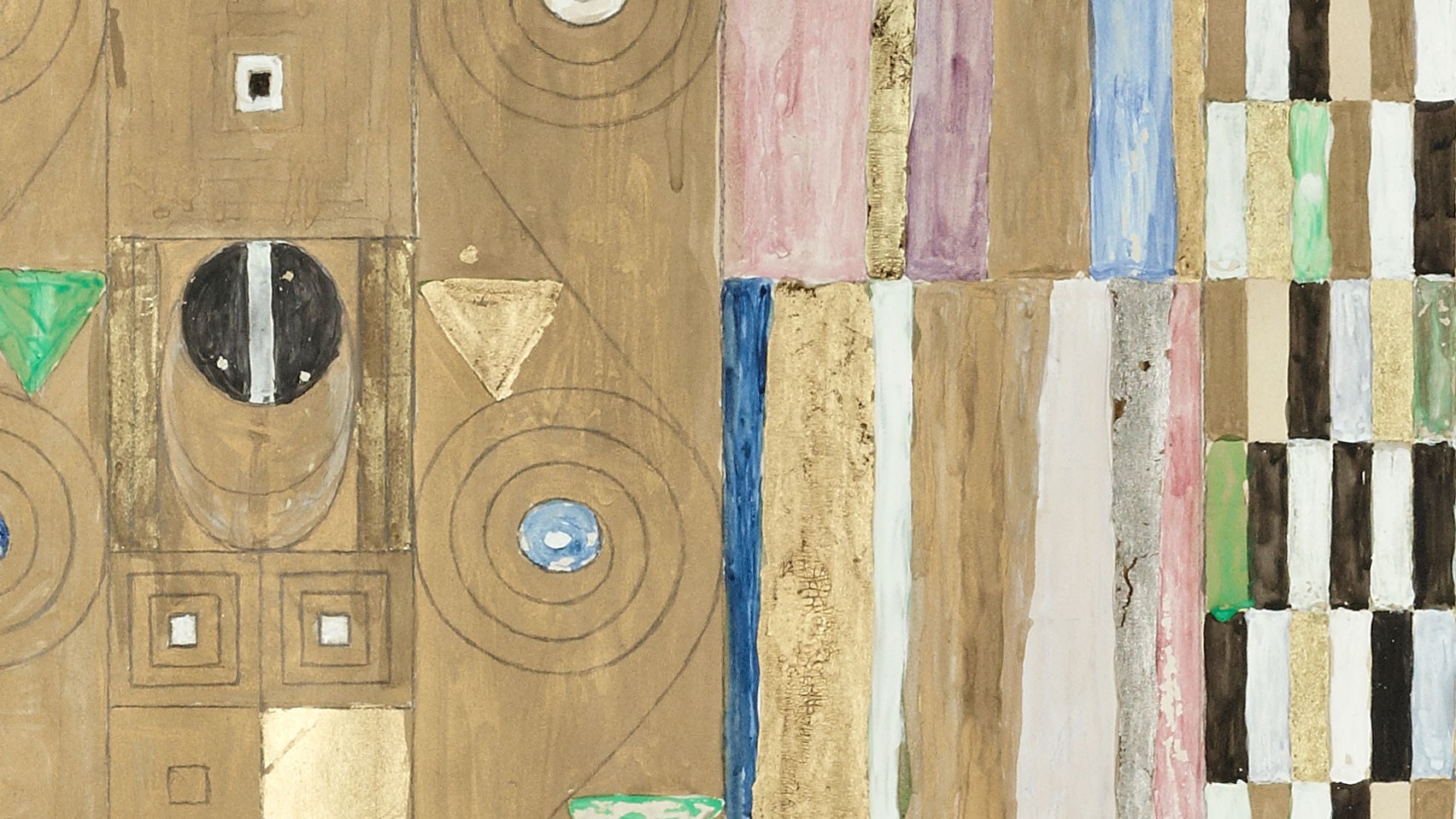
Gustav Klimt, Cartoon “Knight” (detail), 1910/11 © MAK/Georg Mayer
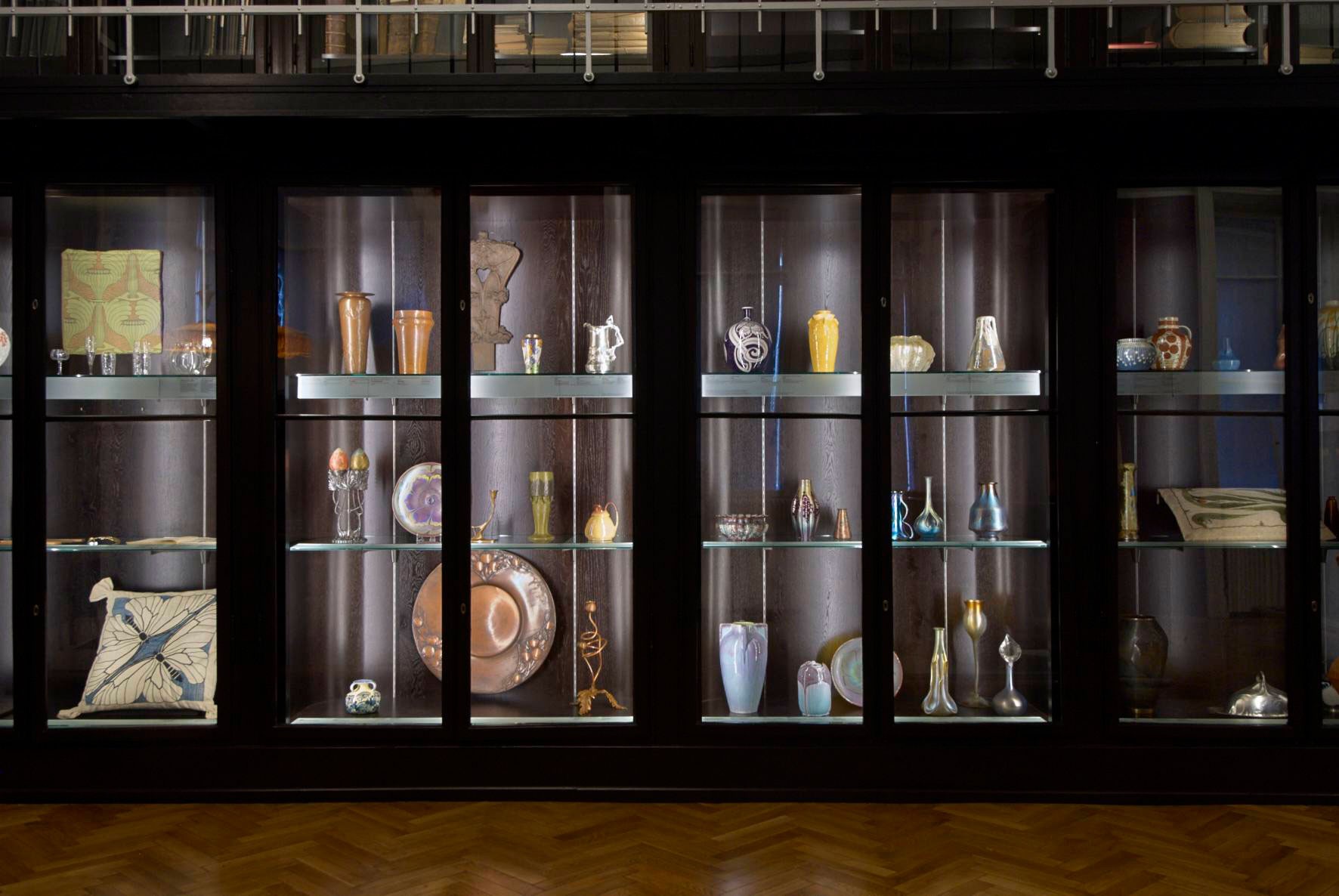
MAK Permanent Collection Vienna 1900 © MAK/Georg Mayer
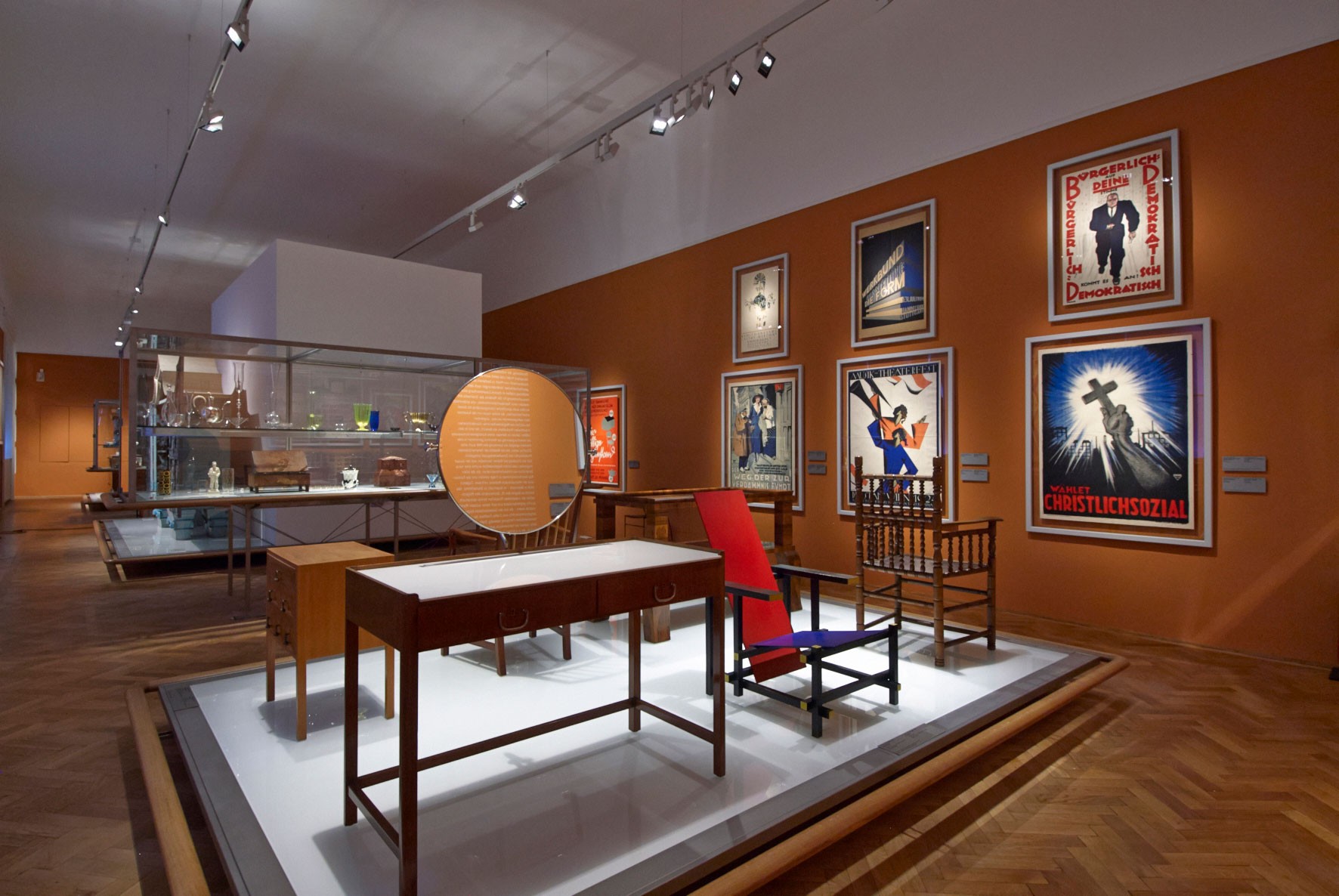
MAK Permanent Collection Vienna 1900 © MAK/Georg Mayer
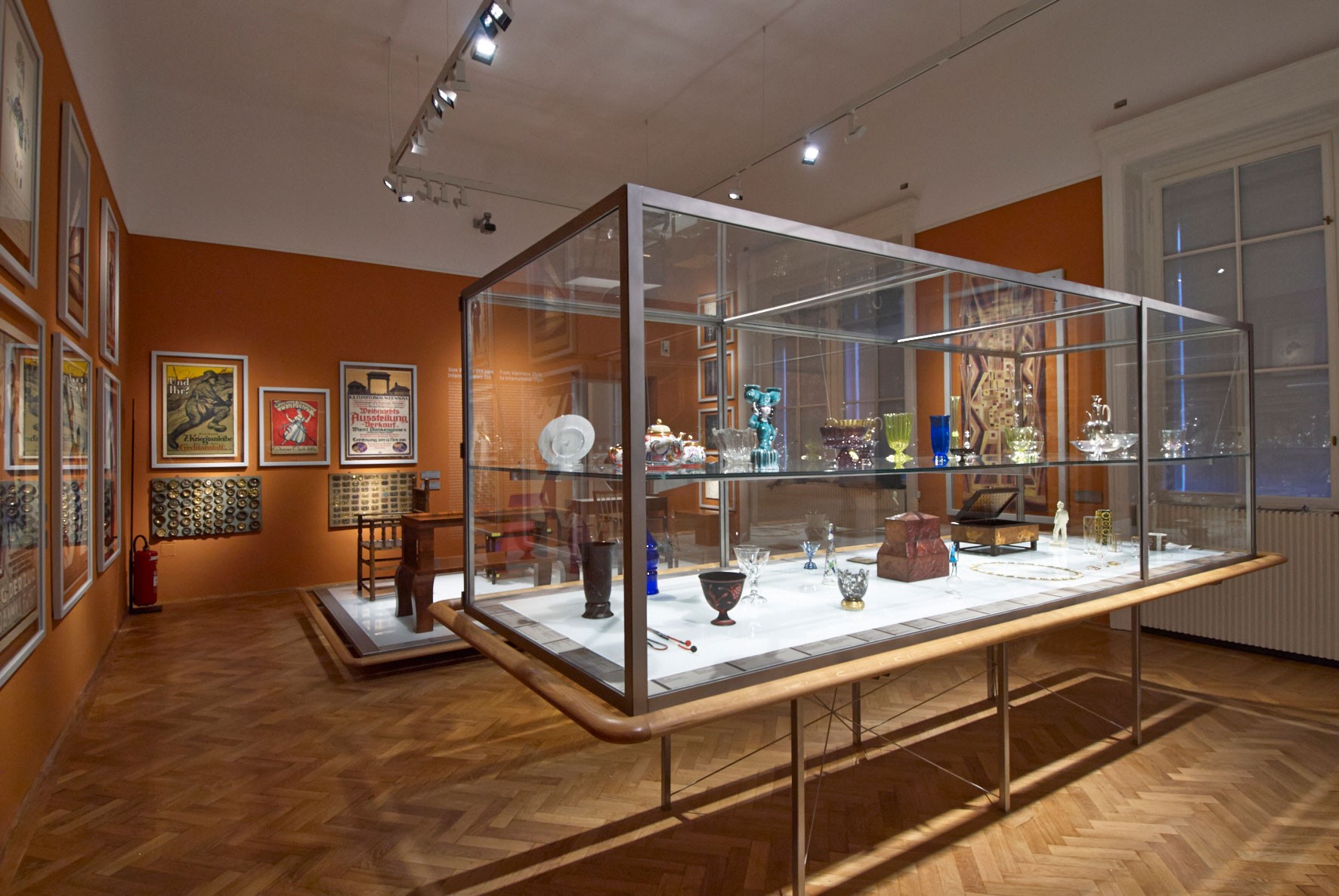
MAK Permanent Collection Vienna 1900 © MAK/Georg Mayer
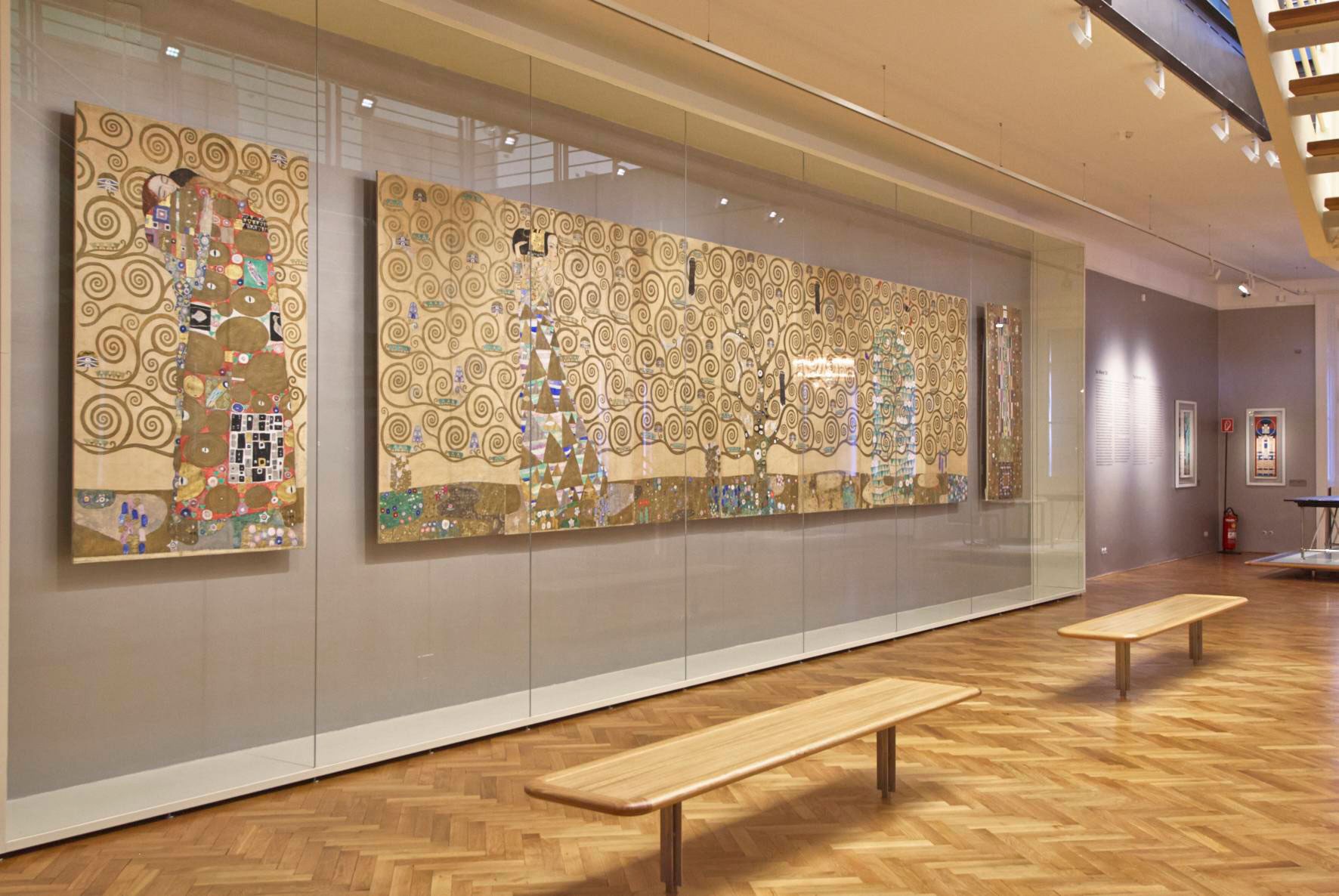
MAK Permanent Collection Vienna 1900 © MAK/Georg Mayer
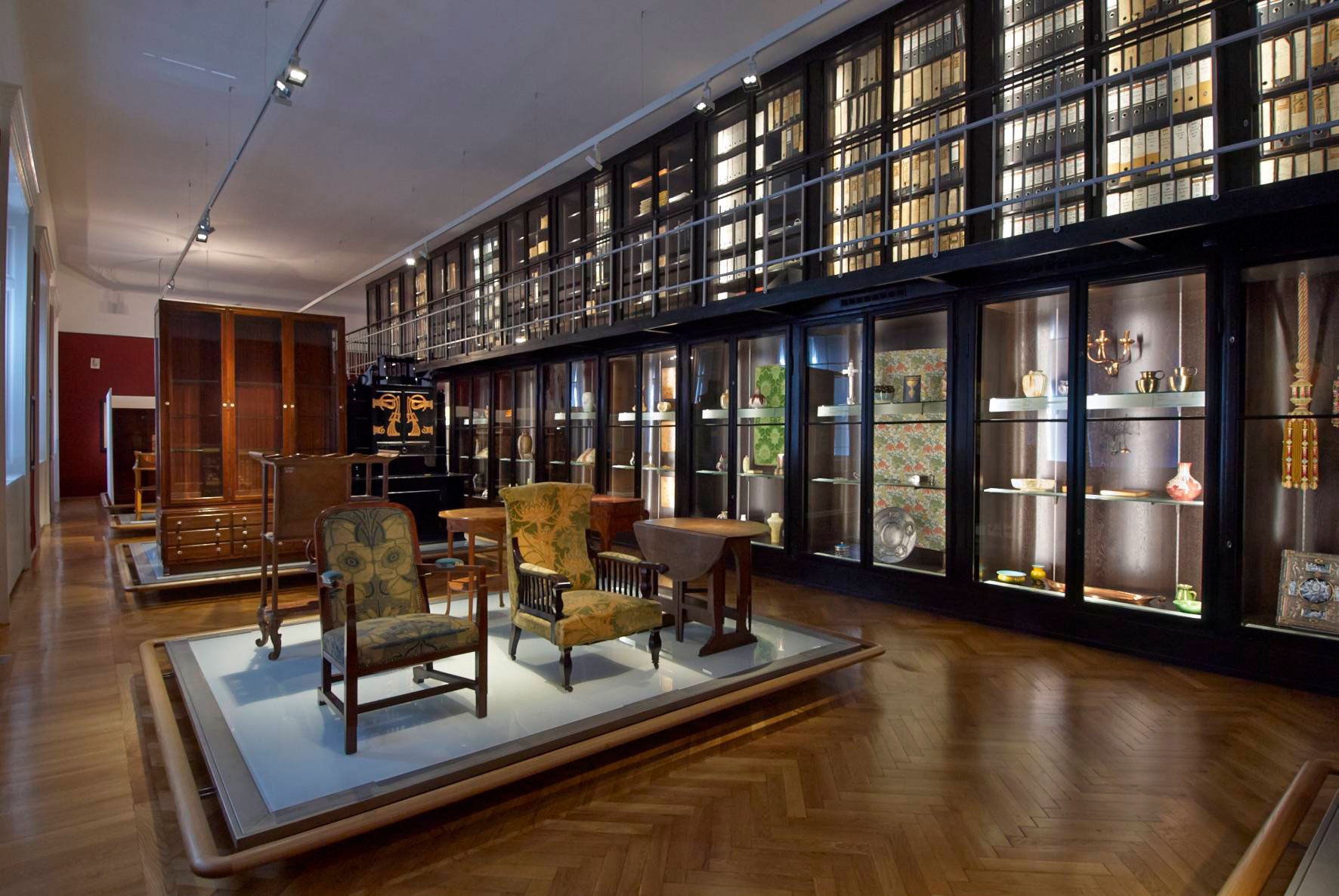
MAK Permanent Collection Vienna 1900 © MAK/Georg Mayer
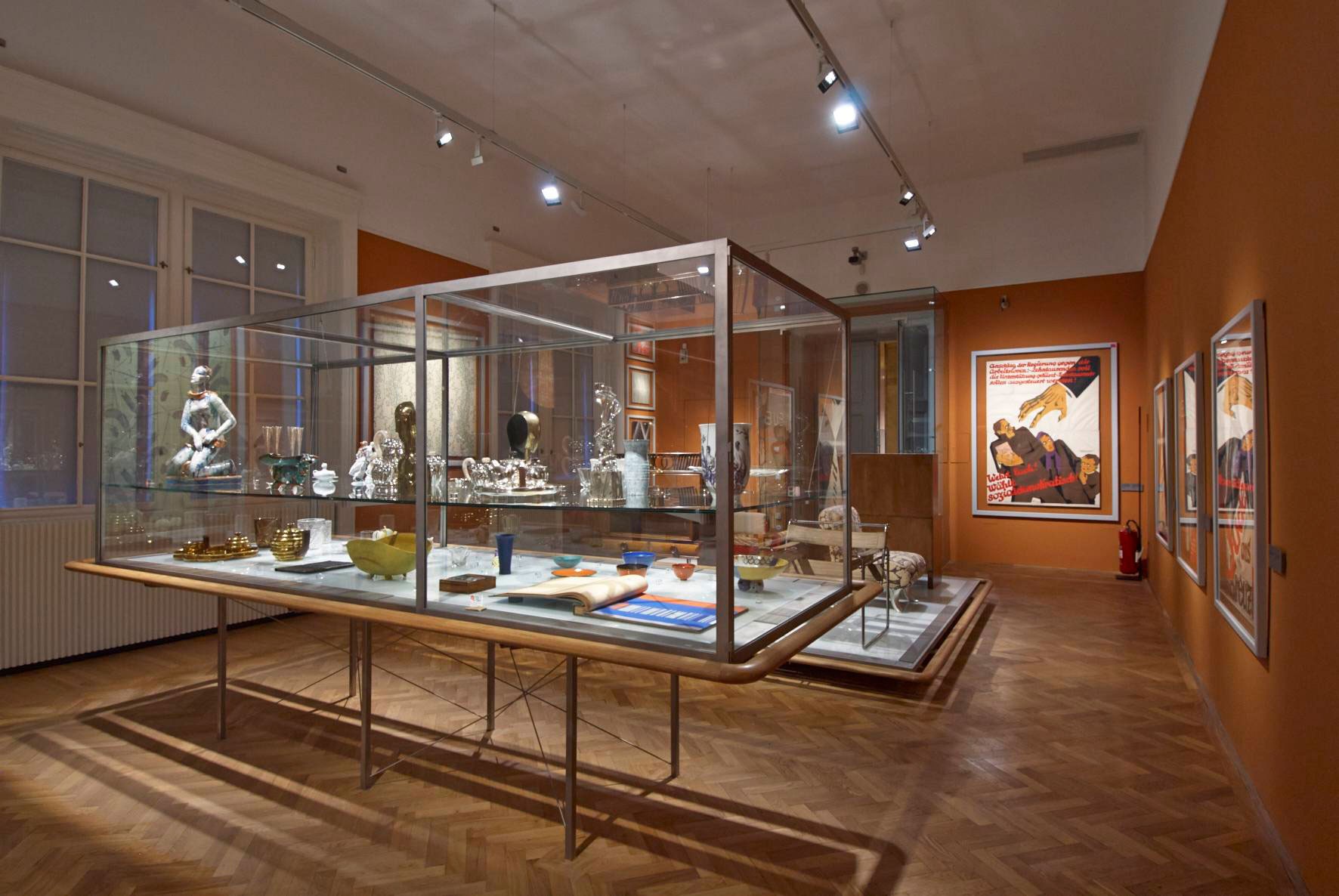
MAK Permanent Collection Vienna 1900 © MAK/Georg Mayer
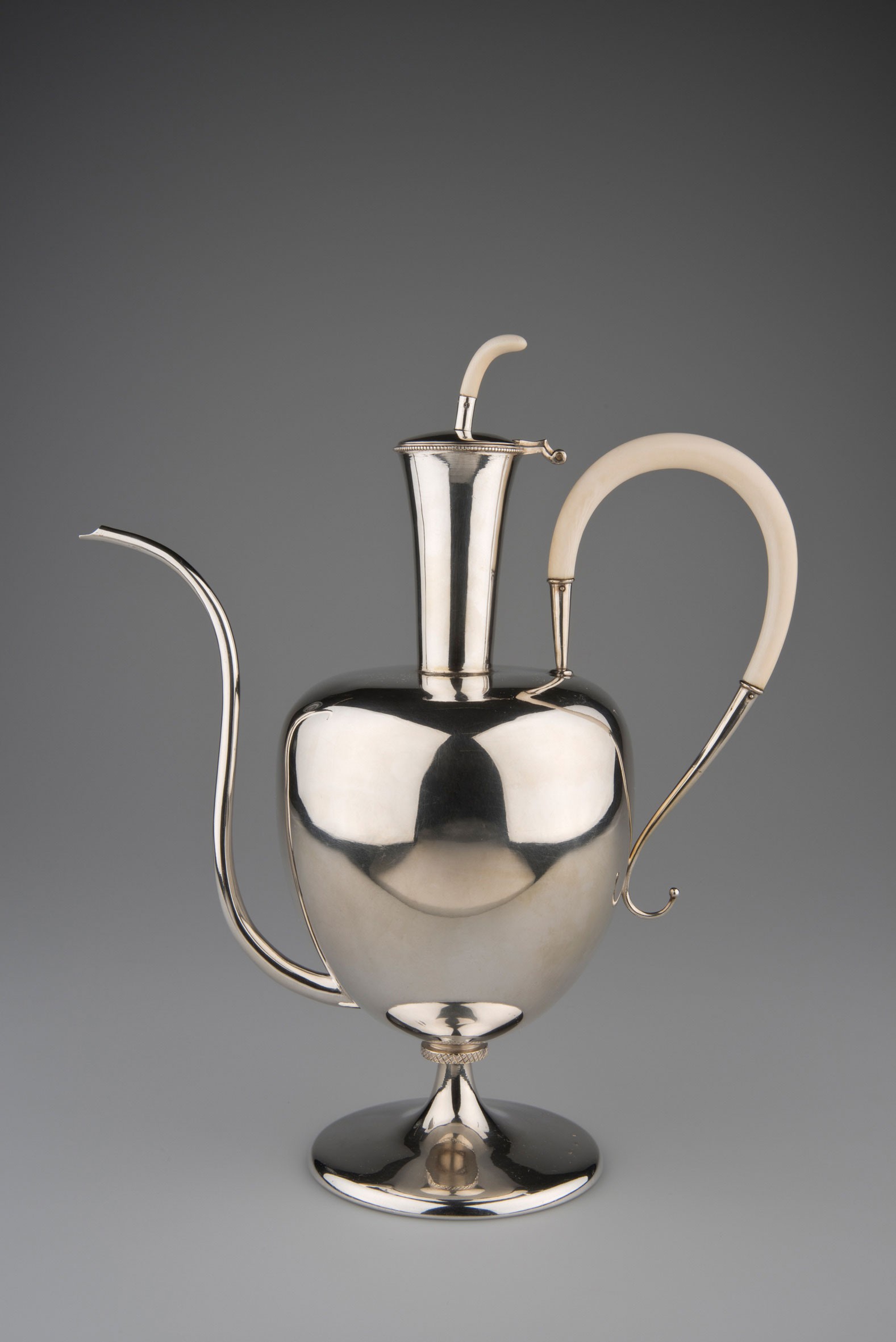
Ernst Lichtblau, Mocha Pot, Vienna, ca. 1924 © MAK/Katrin Wißkirchen
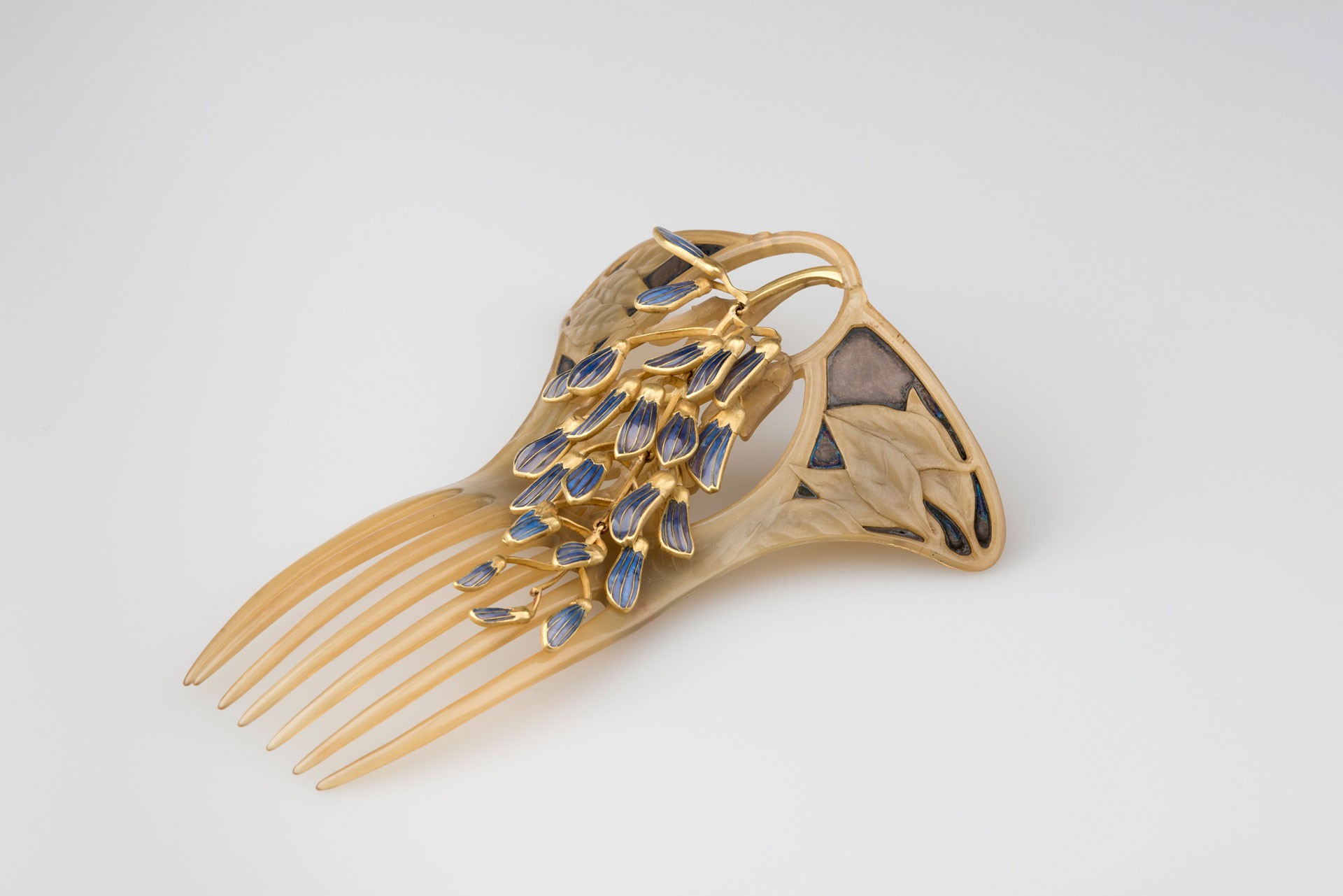
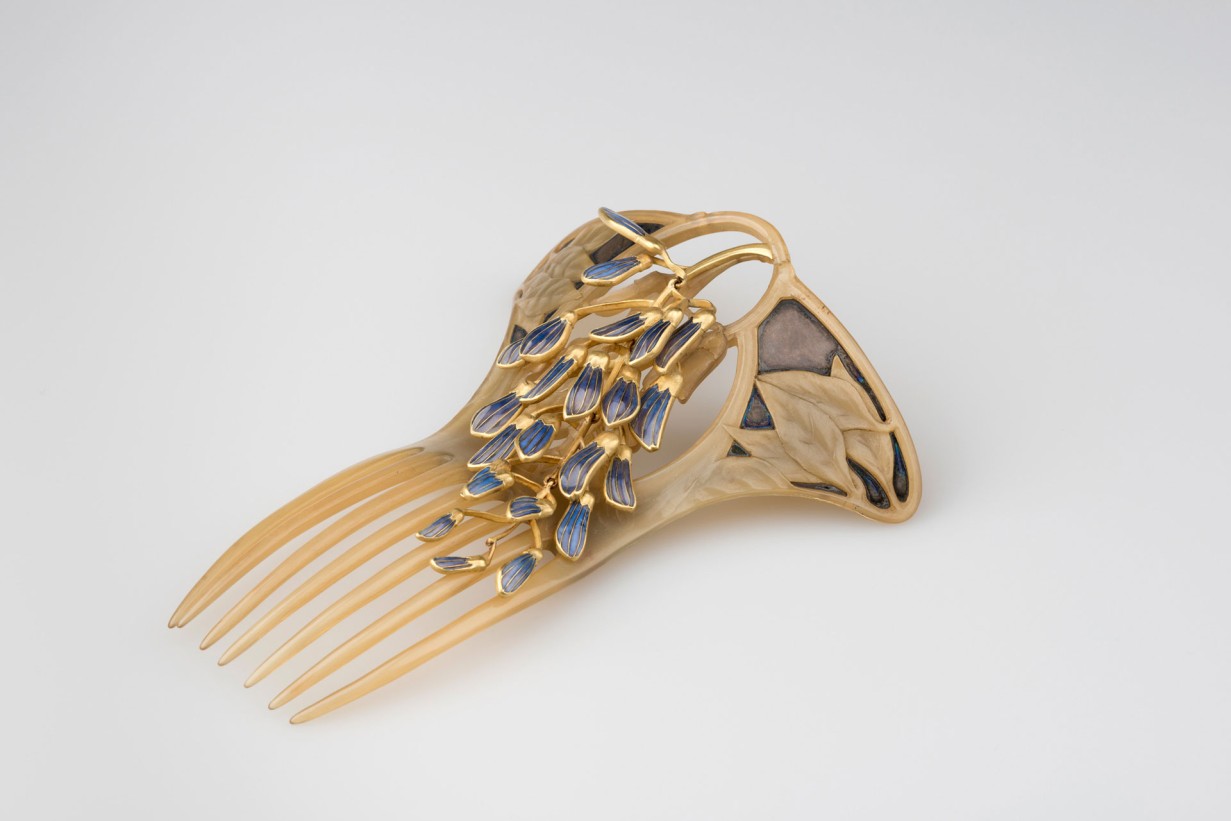
René Lalique, Ornamental Comb with Wisteria Blossoms, Paris, 1899/1900 © MAK/Katrin Wißkirchen
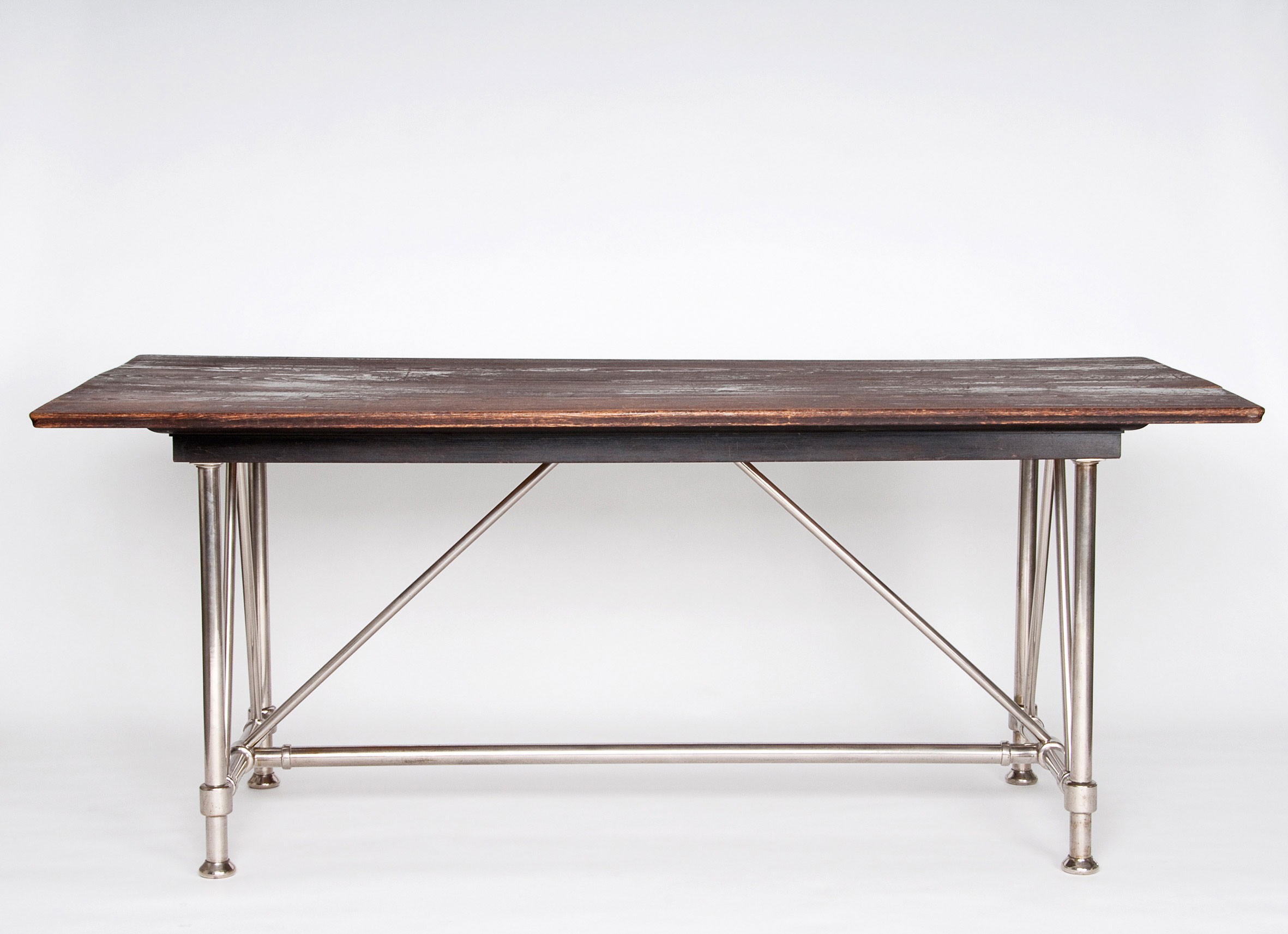
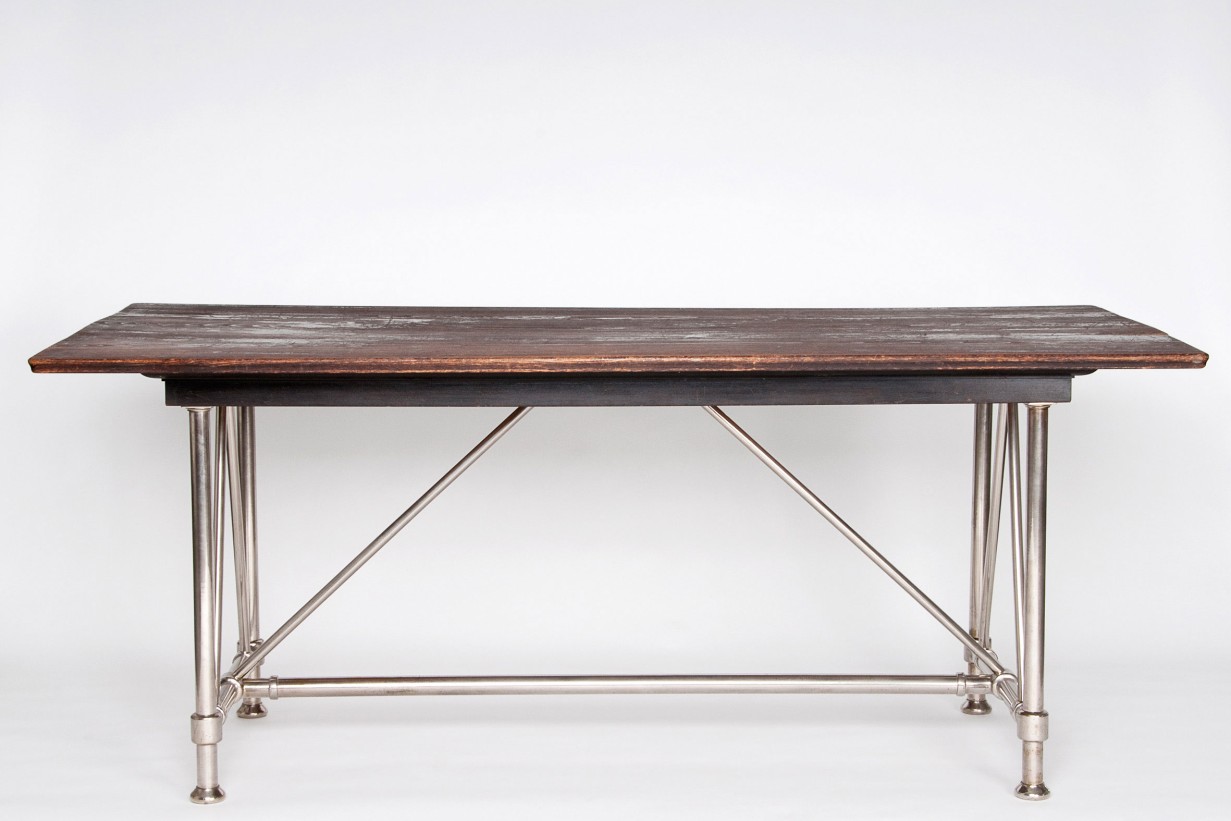
Otto Wagner, Table for the Telegram Office of the “Zeit” in Vienna, 1902 © MAK/Nathan Murrell
![<BODY><div>Felice Rix-Ueno, Fabric Length [“Hat Feather”], Vienna, ca. 1922 </div><div>© MAK/Georg Mayer</div></BODY>](/jart/prj3/mak-resp/images/cache/87a73d0bd2b22d80fd7b9f7ecc4e5f09/0xF1F3AC4F32C158F04869986217599E01.jpeg "Felice Rix-Ueno, Fabric Length [“Hat Feather”], Vienna, ca. 1922")
Felice Rix-Ueno, Fabric Length [“Hat Feather”], Vienna, ca. 1922 © MAK/Georg Mayer
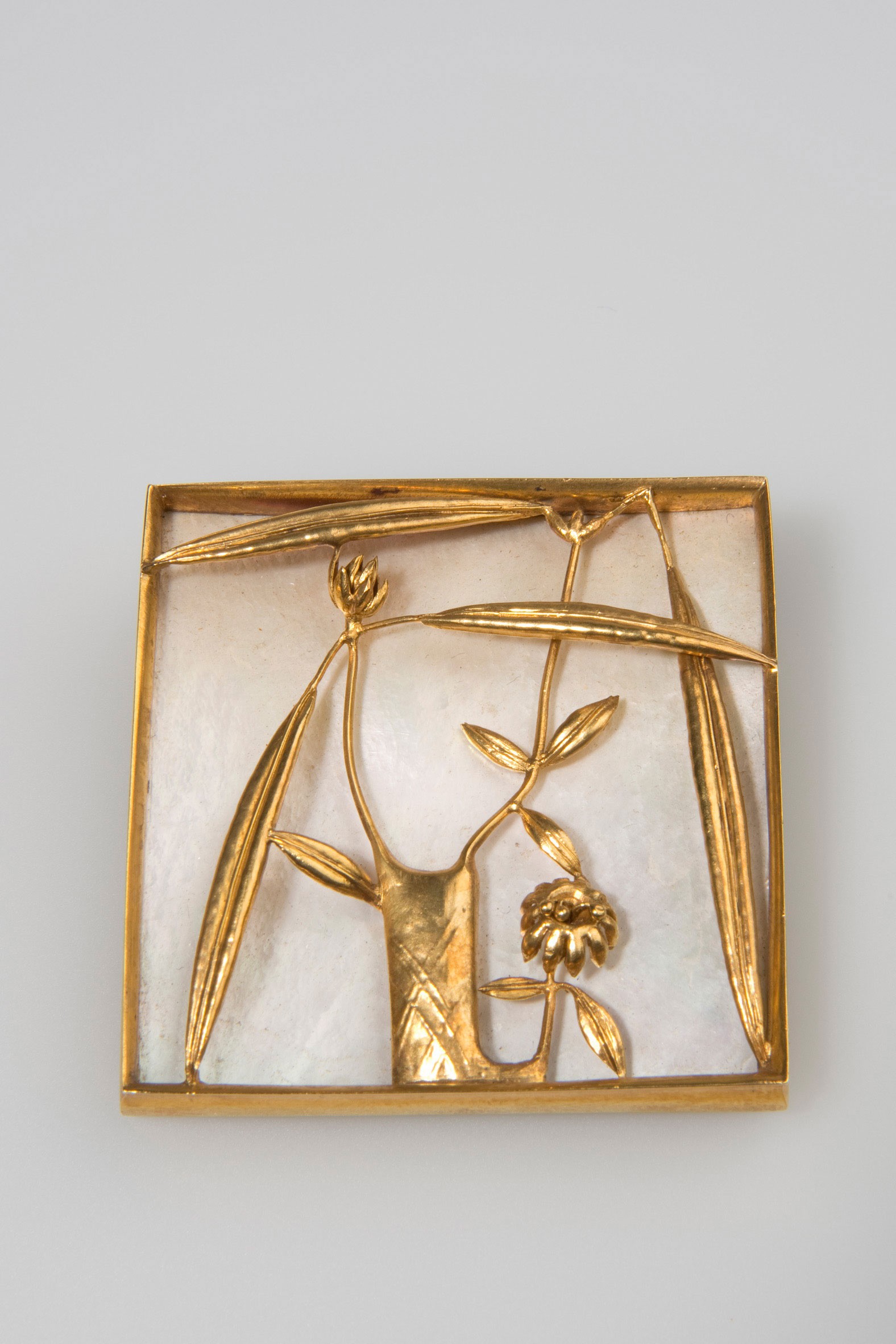
Dagobert Peche, Brooch, Zurich, 1919 © MAK/Katrin Wißkirchen
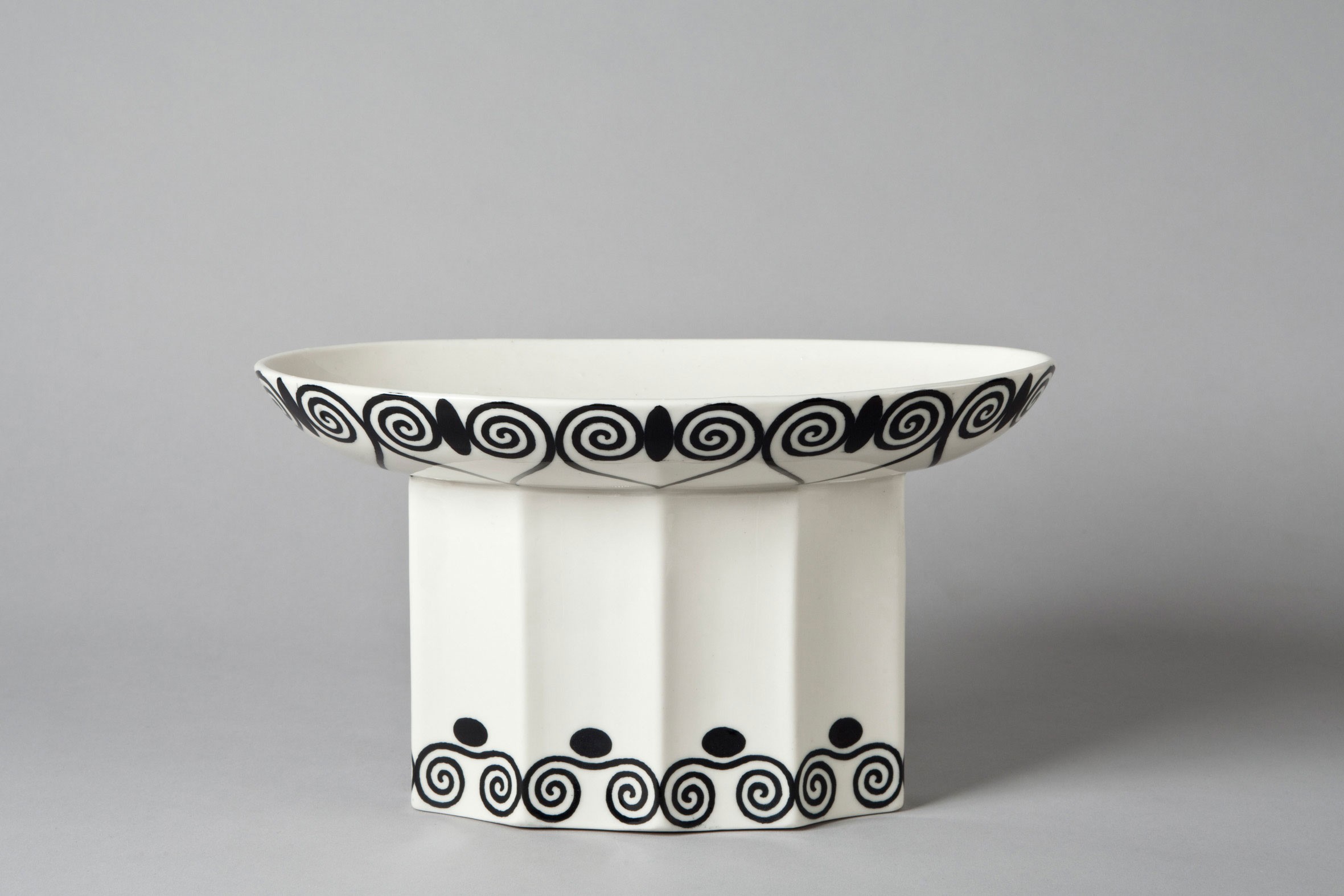
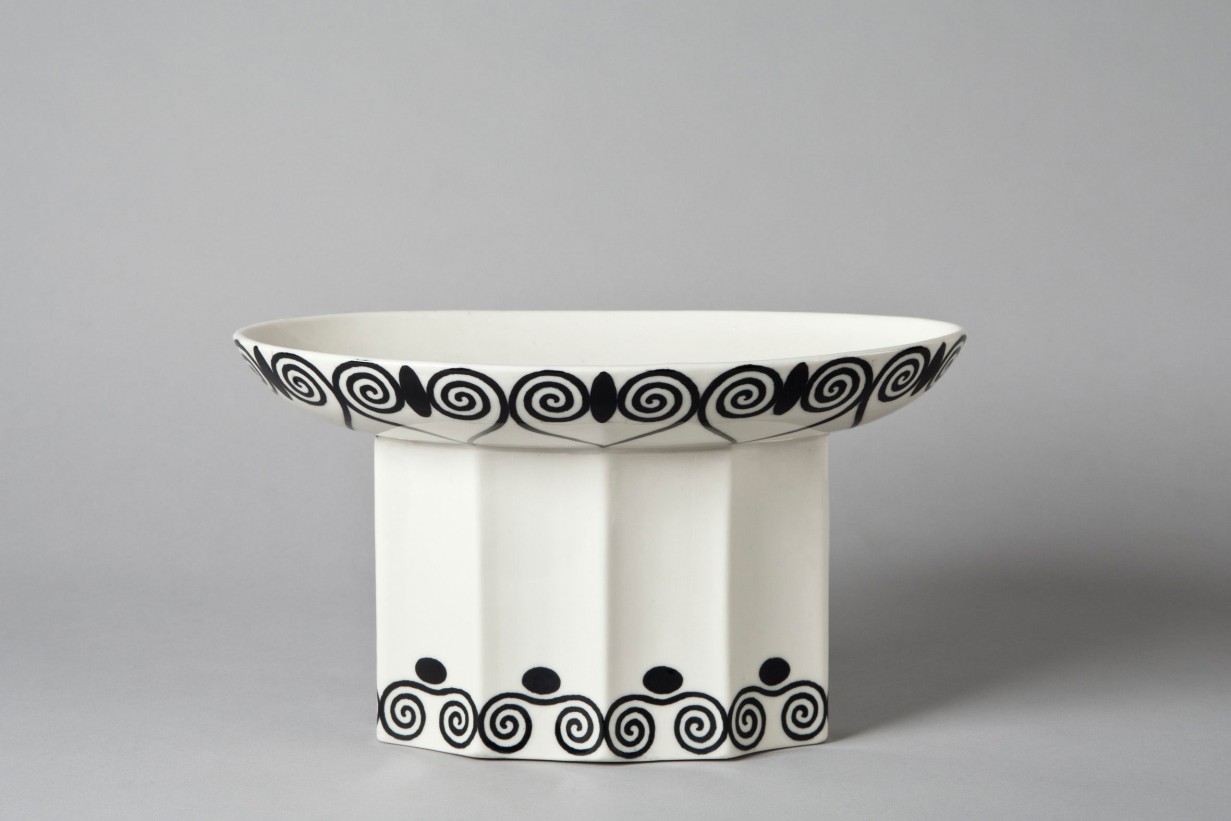
Hugo F. Kirsch, Centerpiece, after 1906 © MAK/Katrin Wißkirchen
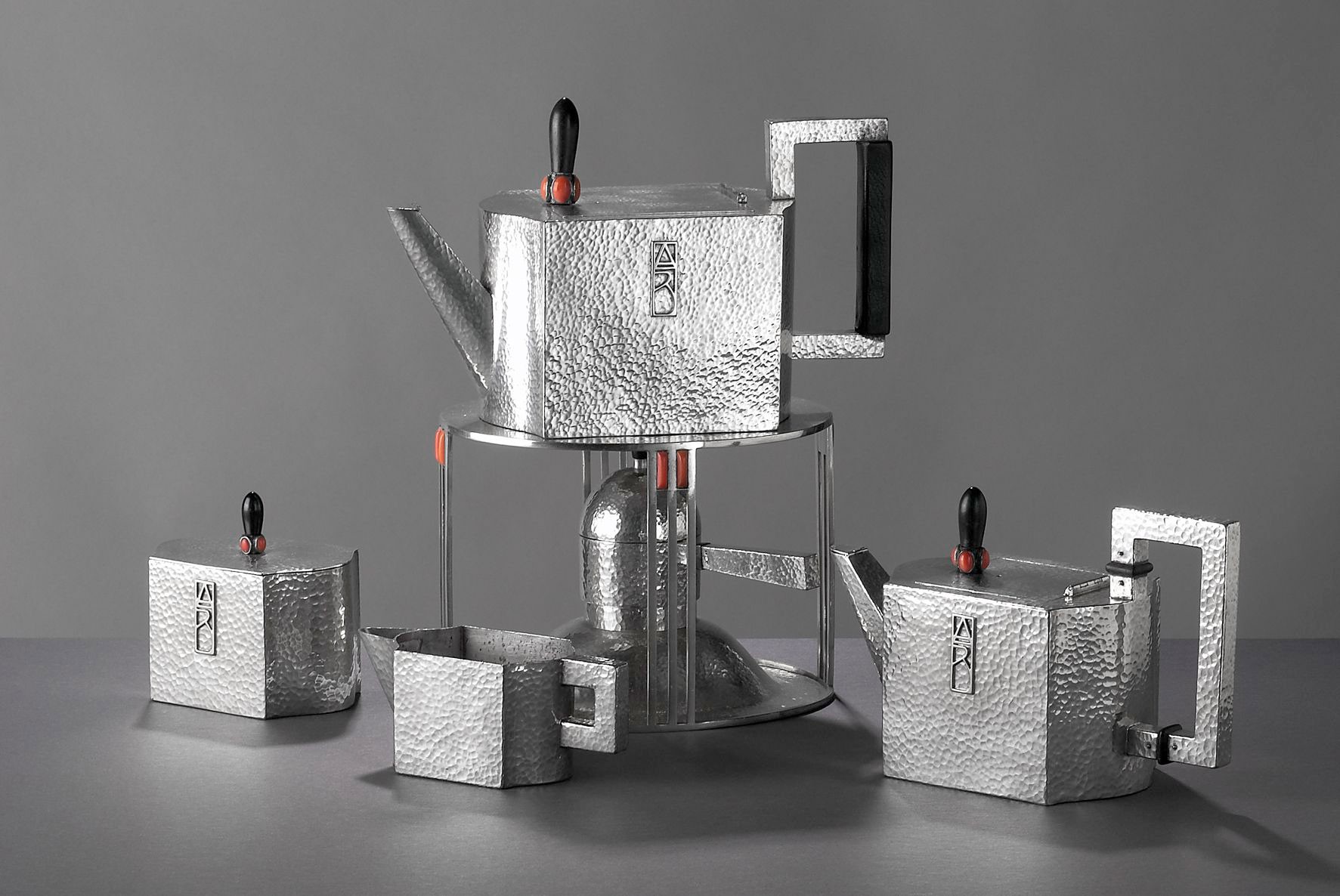
Josef Hoffmann, Tea Set, 1903 © MAK/Georg Mayer
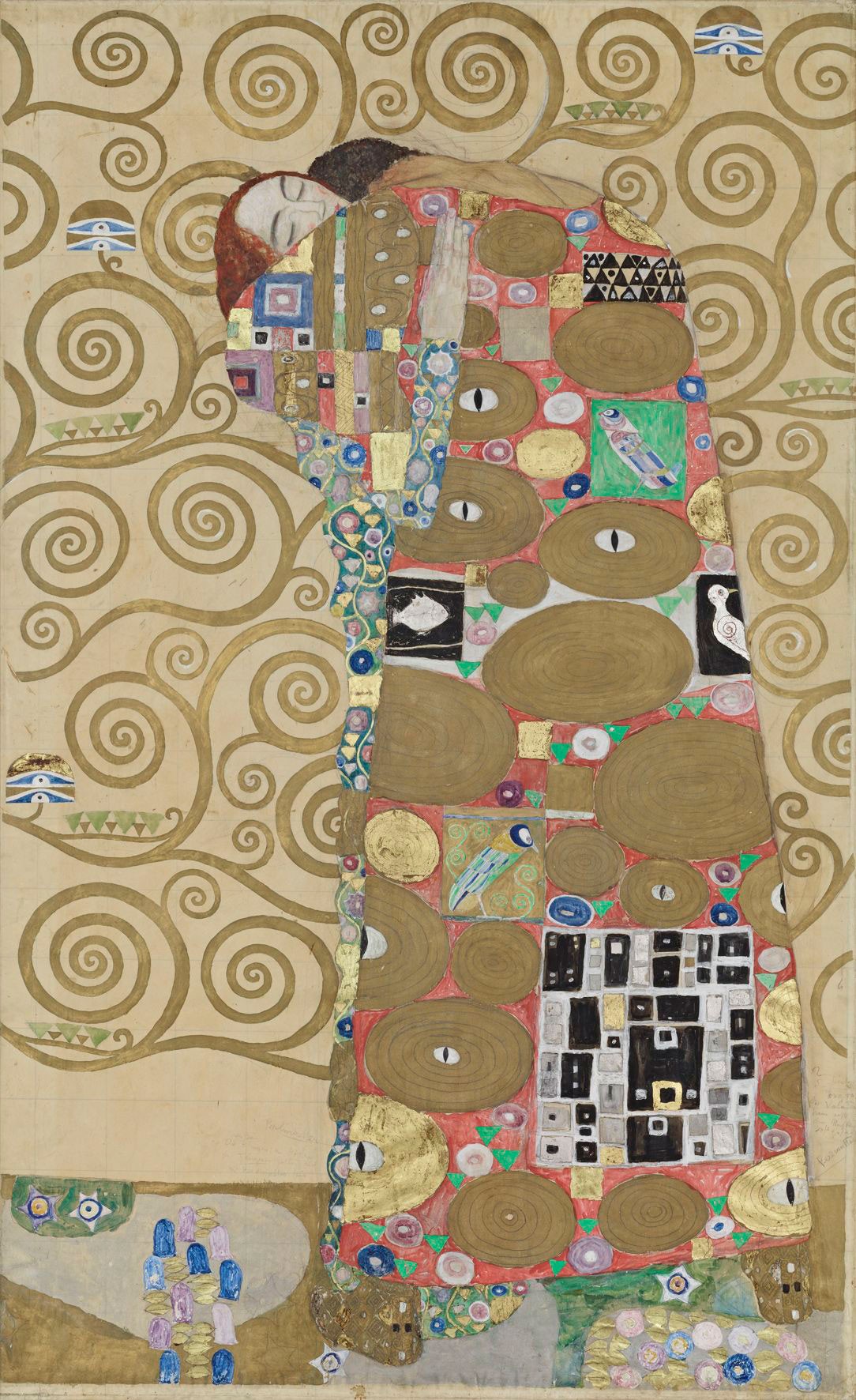
Gustav Klimt, Cartoon “Fulfillment”, 1910/11 © MAK/Georg Mayer
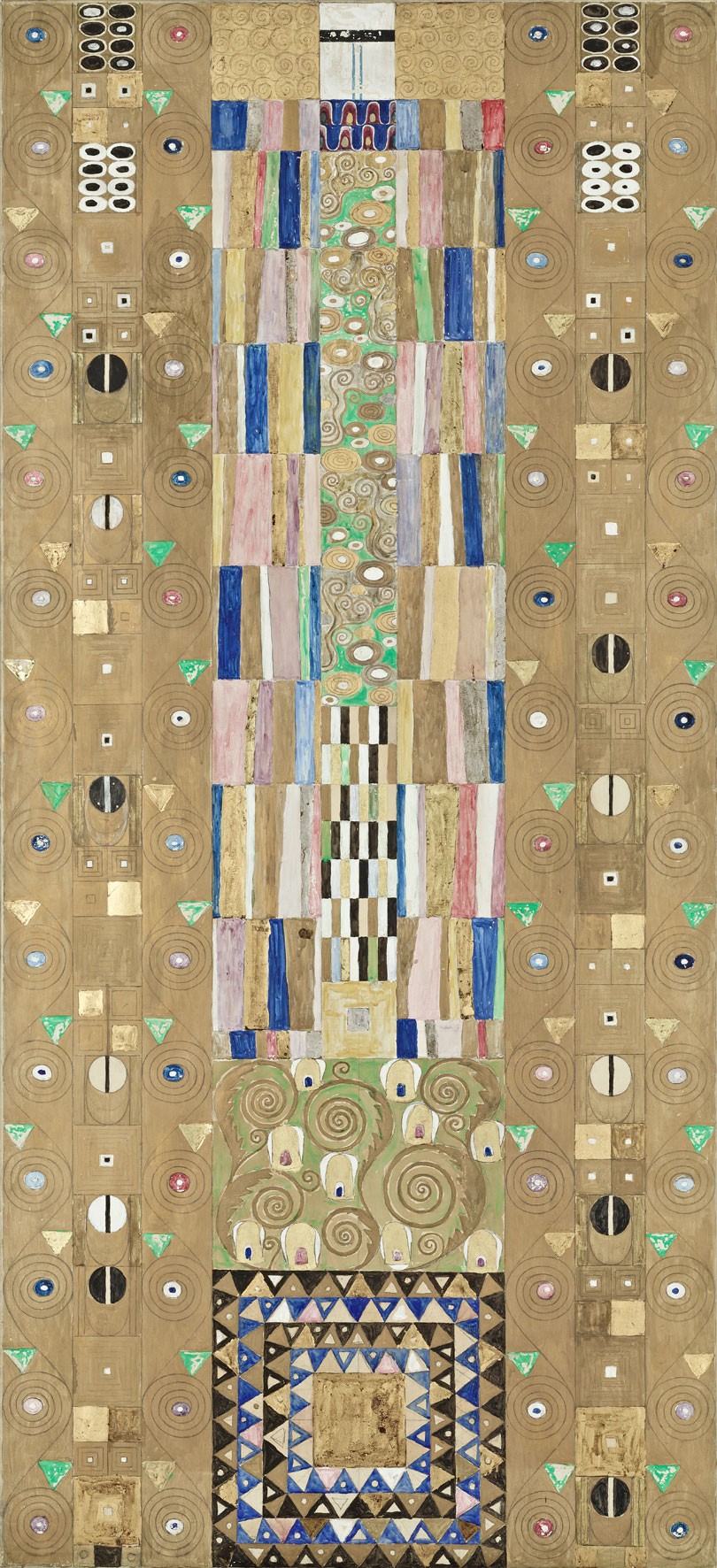
Gustav Klimt, Cartoon “Knight”, 1910/11 © MAK/Georg Mayer
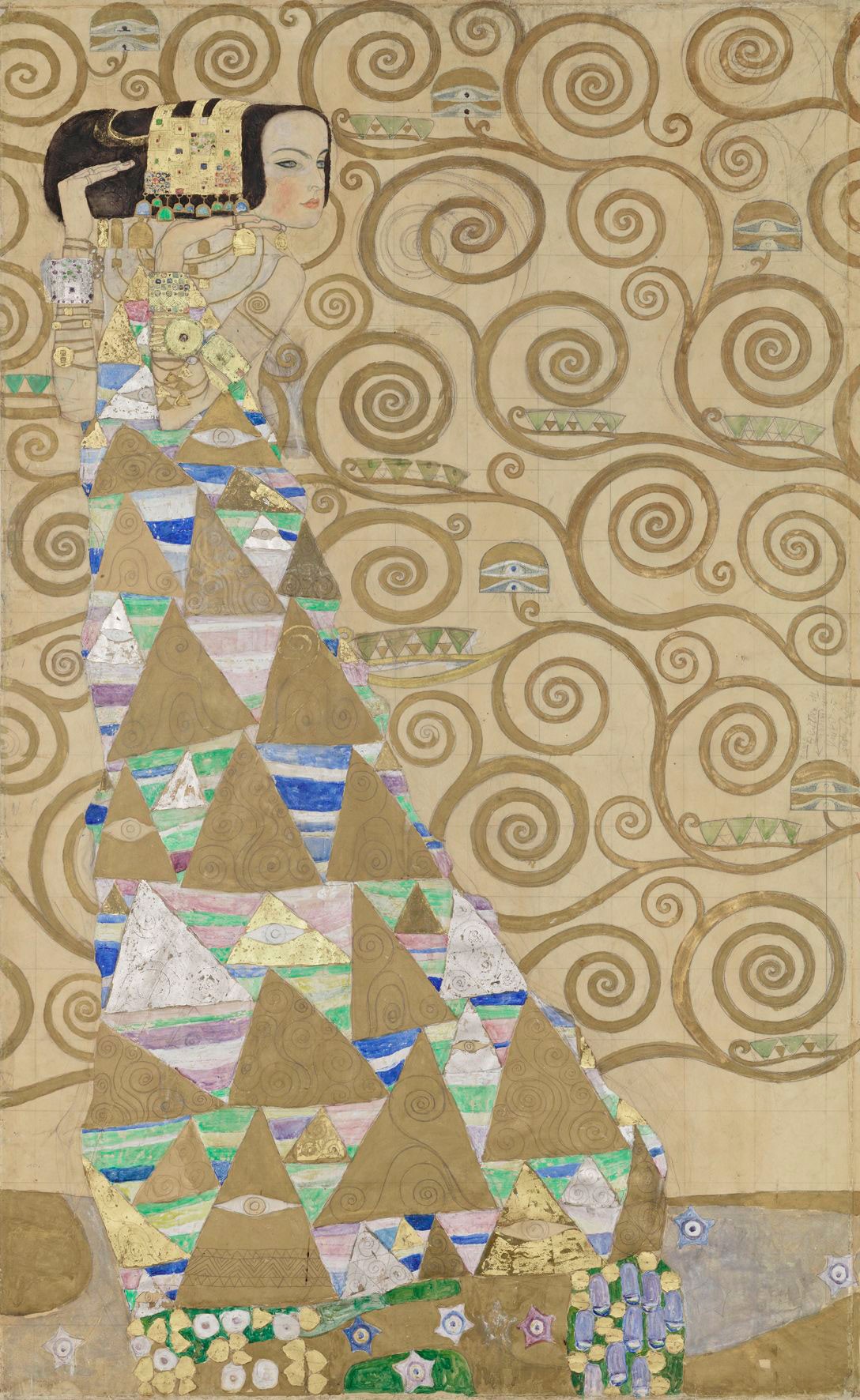
Gustav Klimt, Cartoon „Erwartung“, 1910/11 © MAK/Georg Mayer
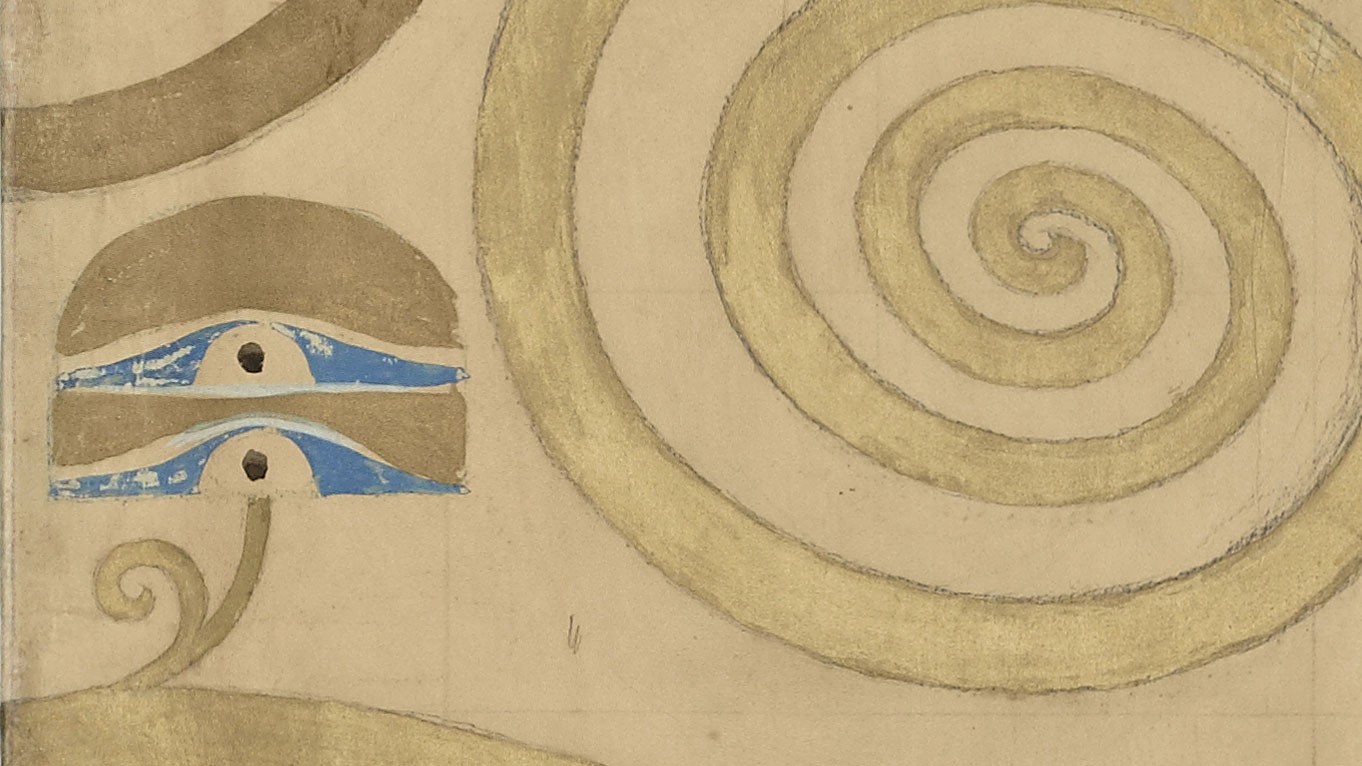
Gustav Klimt, Cartoon, 1910/11 © MAK/Georg Mayer
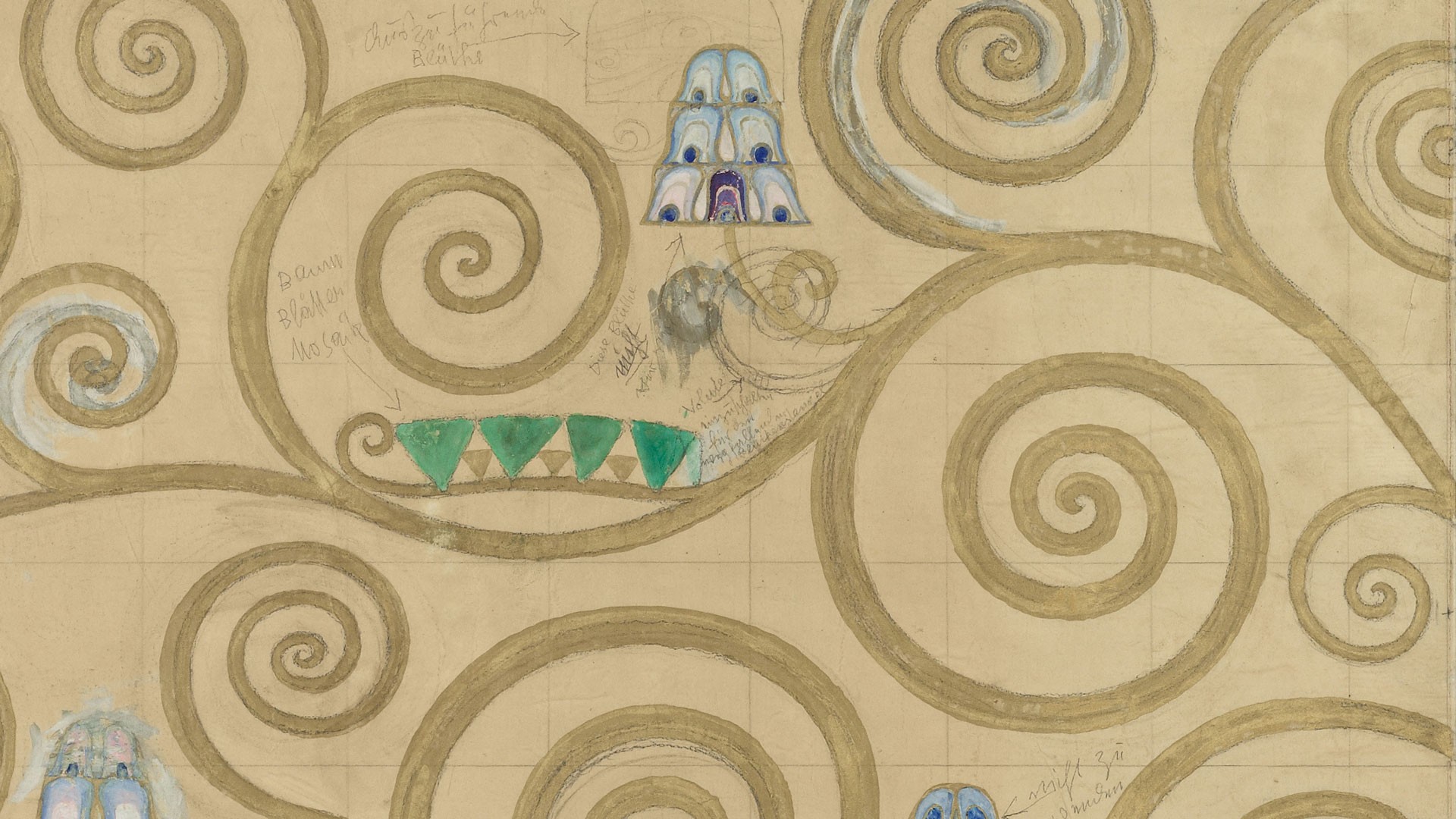
Gustav Klimt, Cartoon, 1910/11 © MAK/Georg Mayer
Related
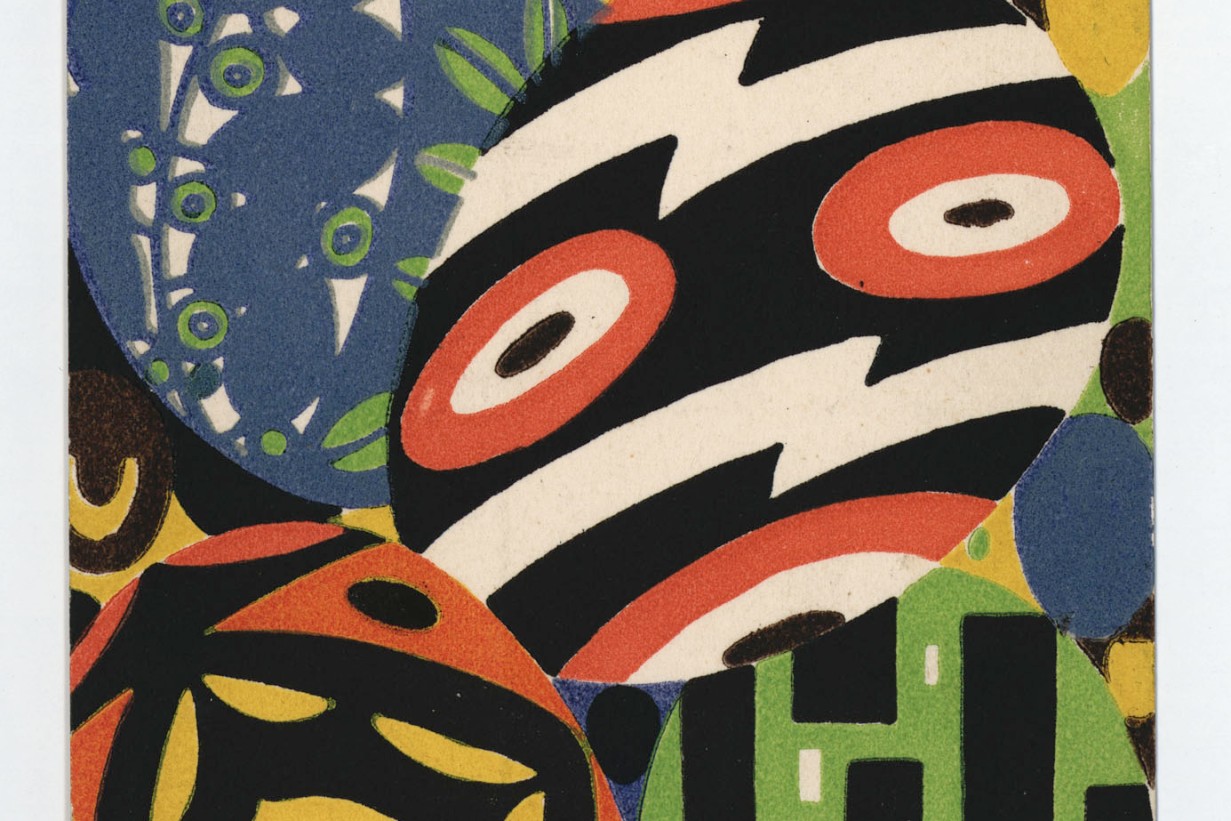
Wiener Werkstätte Archive
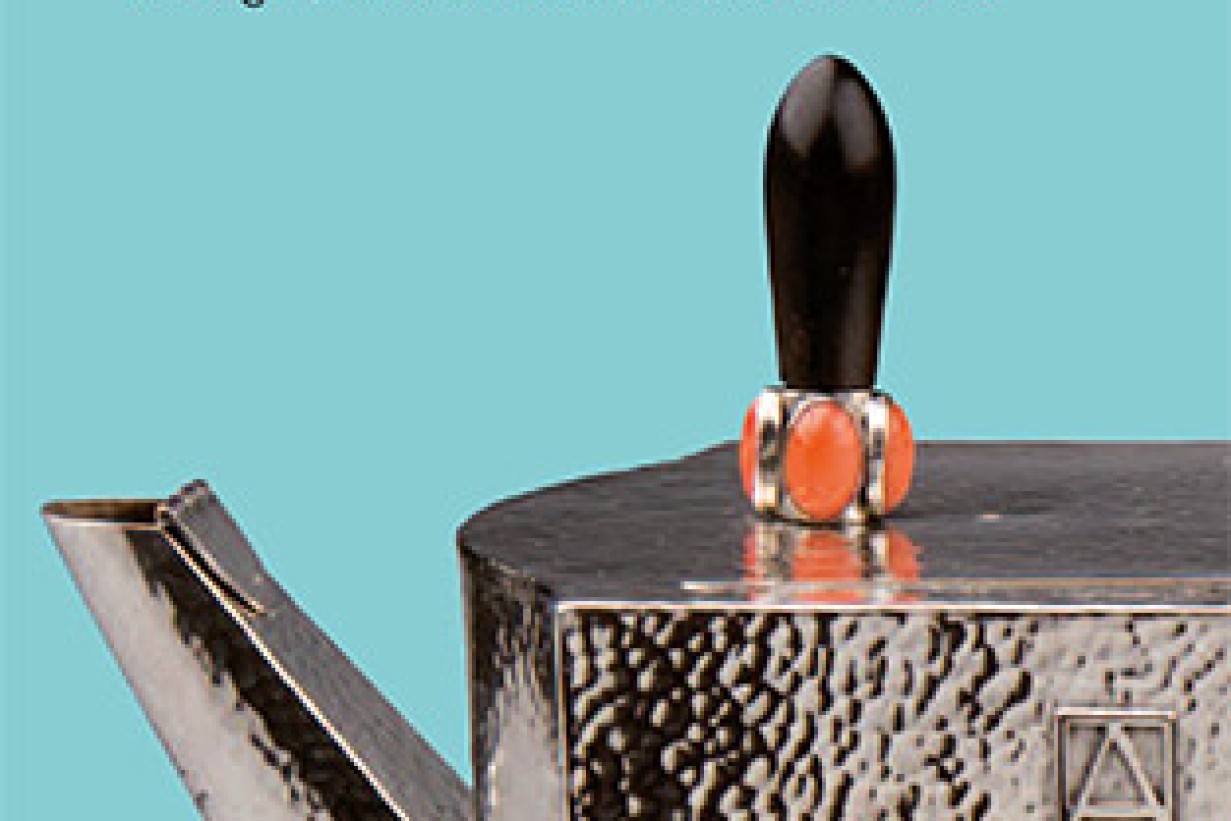
Publication
MAK/Guide Vienna 1900
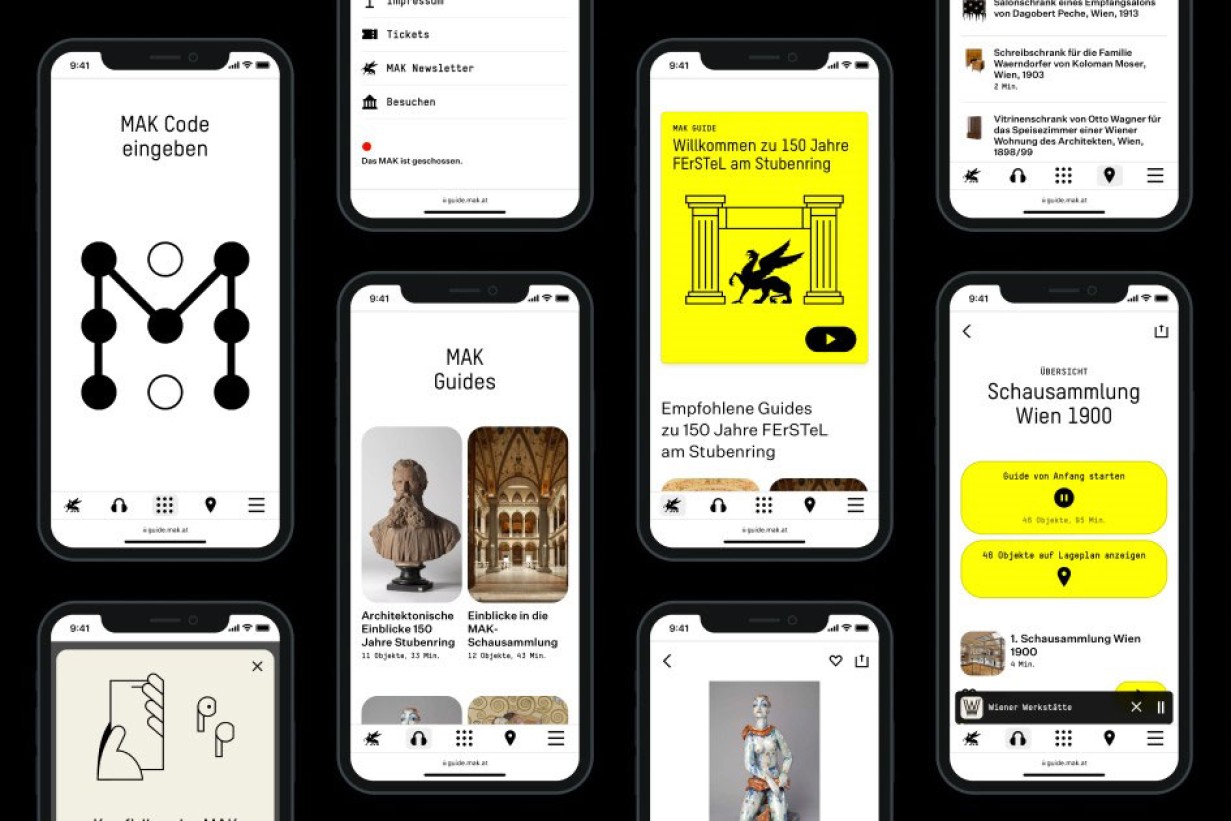
Experience the MAK by listening!
MAK Guide
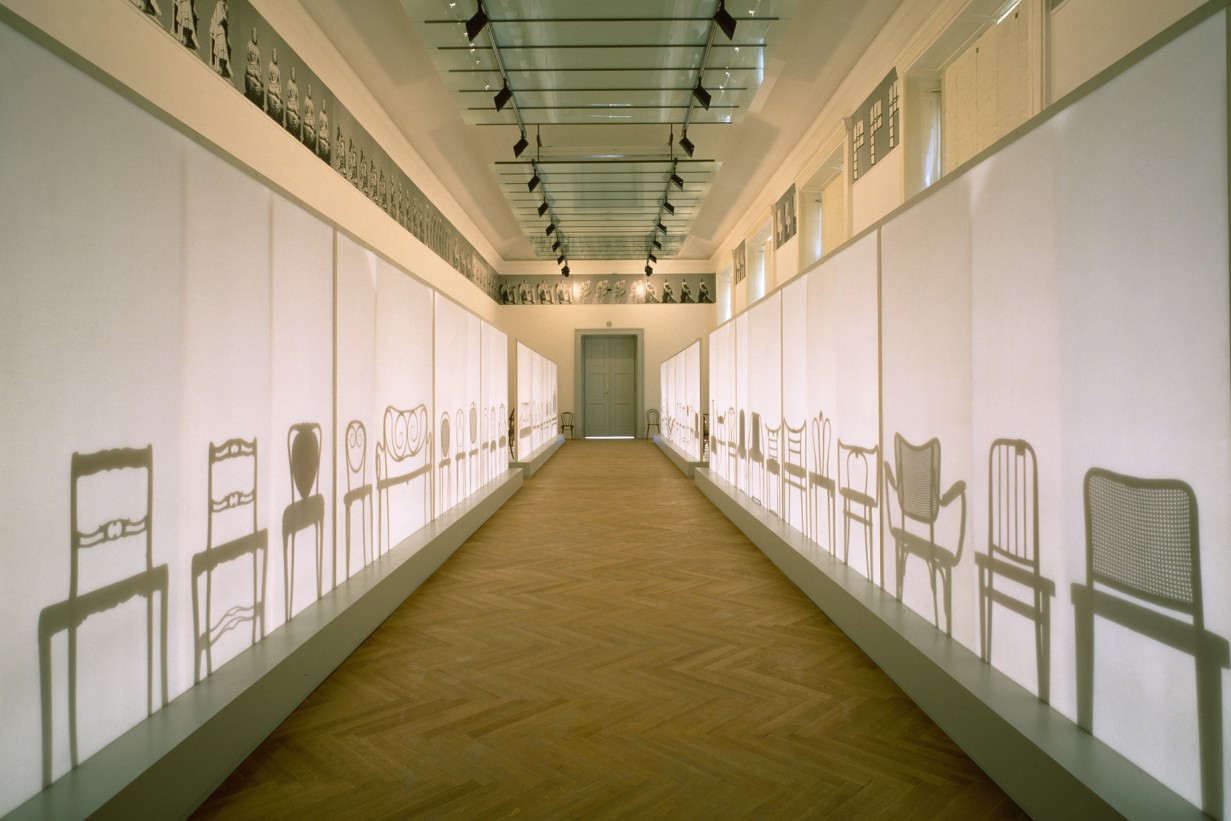
MAK Permanent Collection
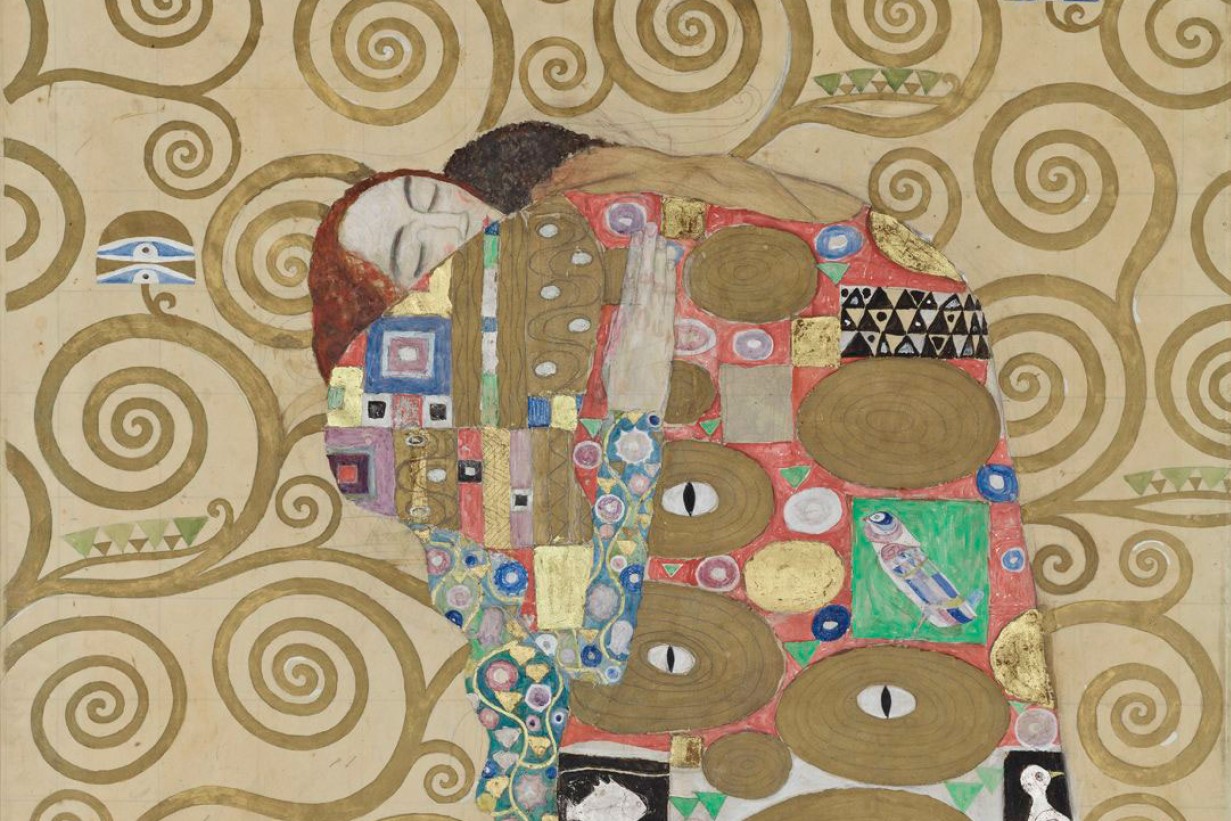
Klimt's Expectation and Fulfillment on Google Arts & Culture
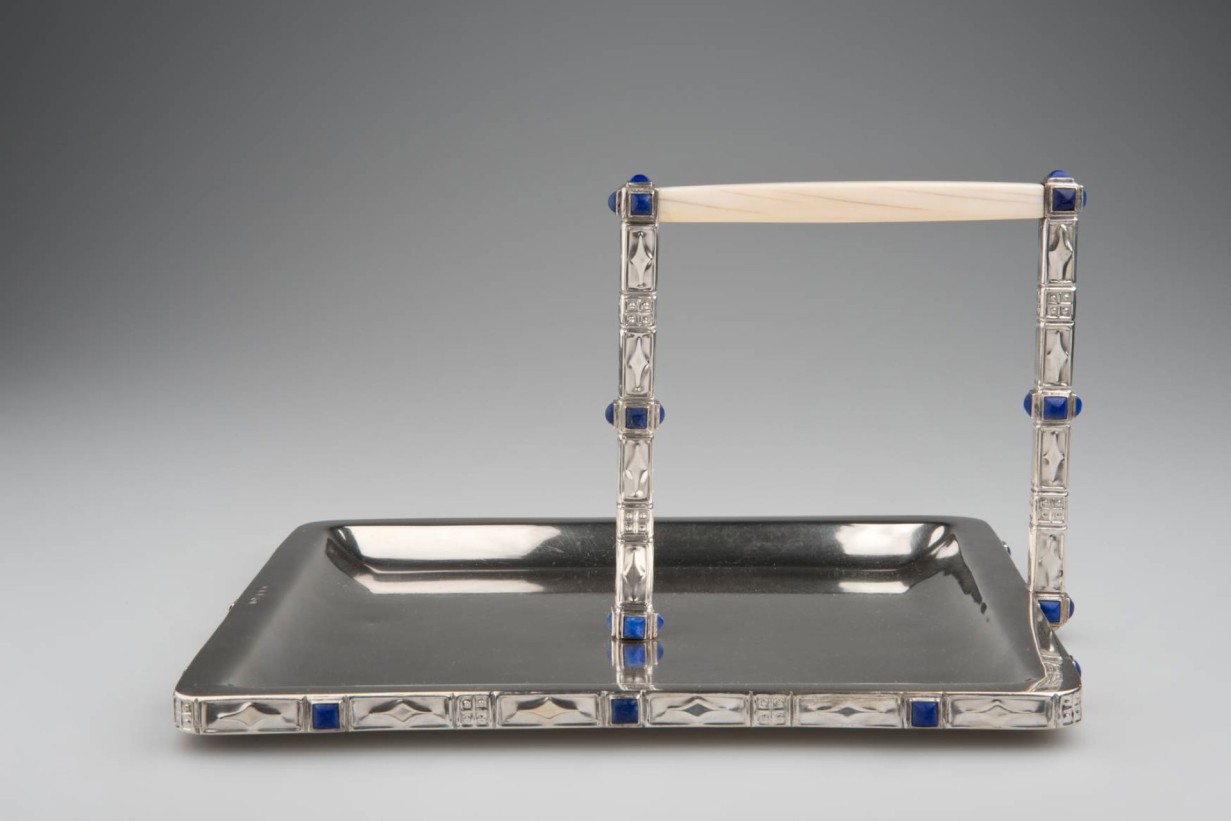
Metal Collection and Wiener Werkstätte Archive
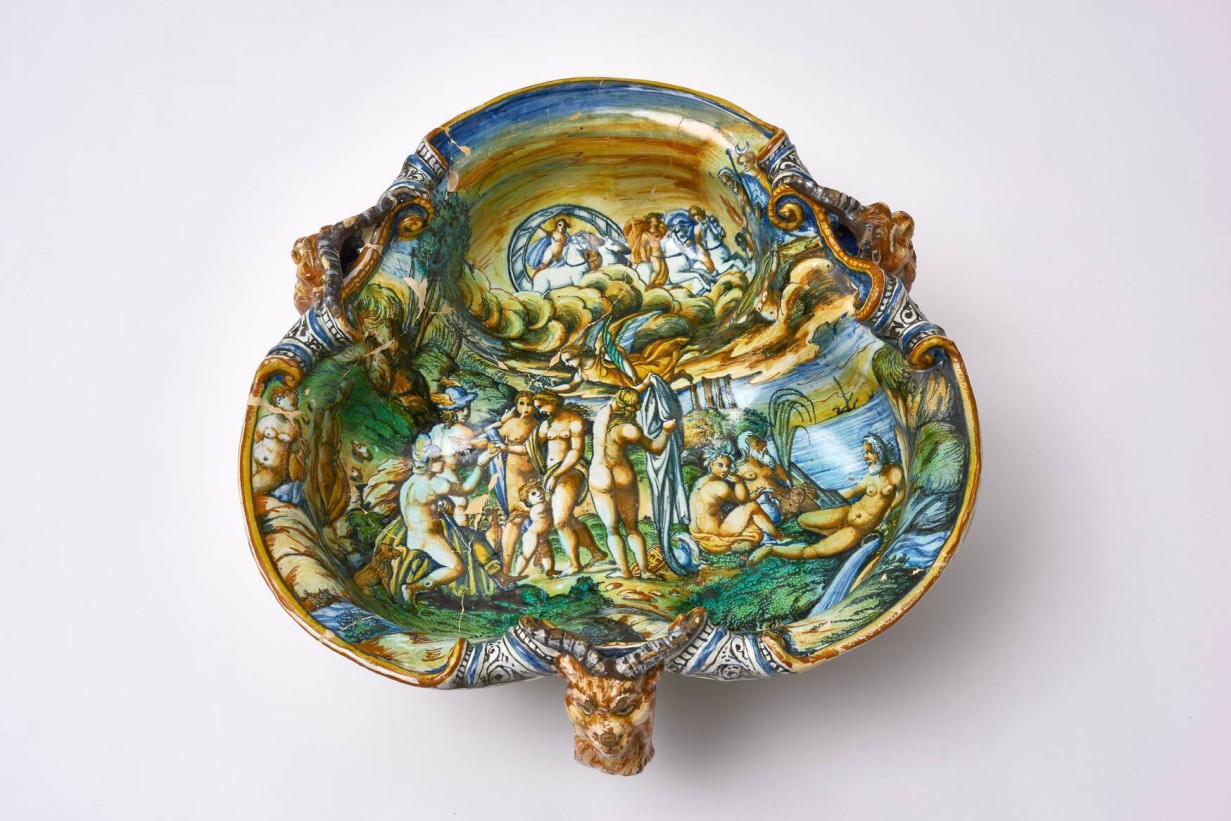
Glass and Ceramics Collection
Furniture and Woodwork Collection
Objects from the Permanent Collection Vienna 1900 in the MAK Collection Online