© Hanne Brandt
Previous Image
Topics around “housing” and interior design played a decisive role in the redefinition of Vienna’s and Austria’s cultural identity after the First World War.
16.12.2026—2.5.2027
Lower Exhibition Hall
Broadly debated, they influenced the sociopolitical discourse of the era through lectures, exhibitions, and publications. The central question concerned not only which forms of habitation were suitable for the newly constituted democratic republic, but also how a social housing approach could alleviate the shortage of residential units.
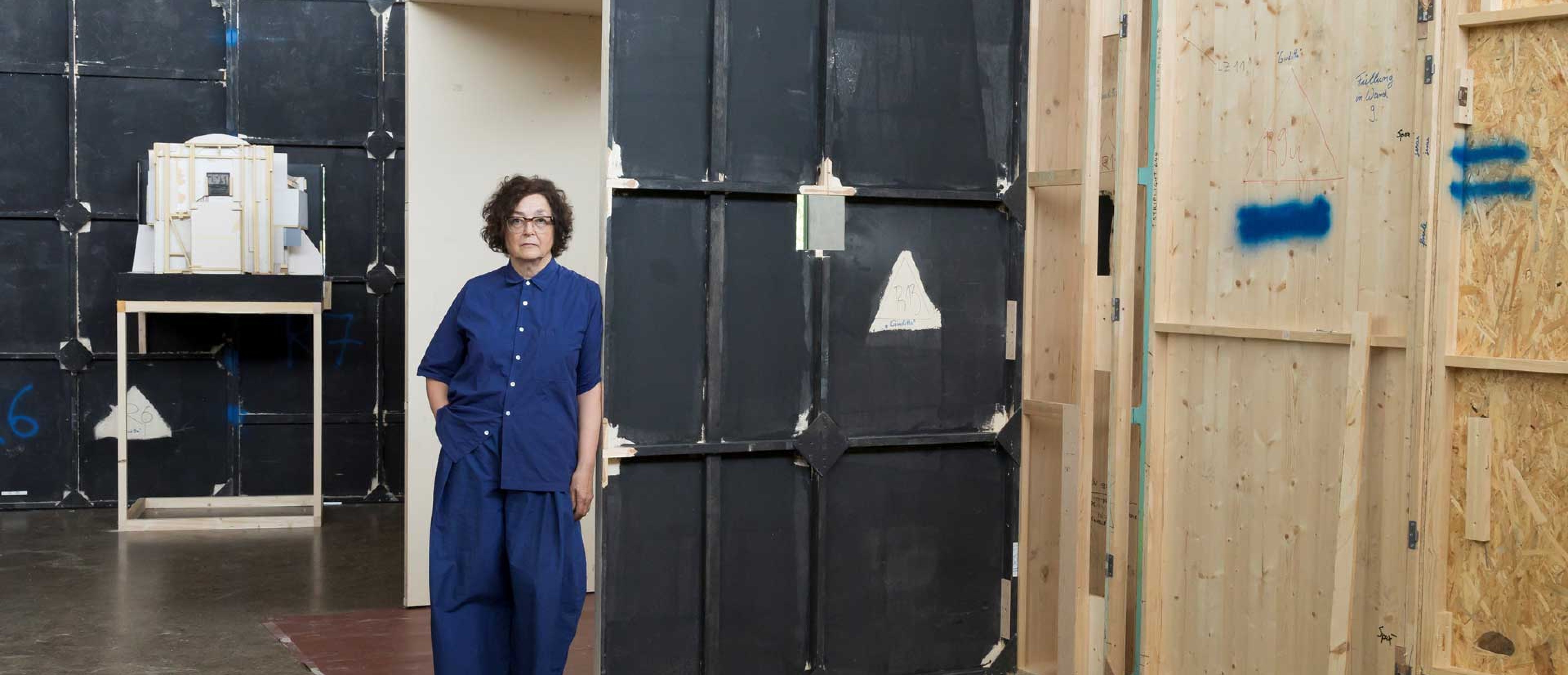
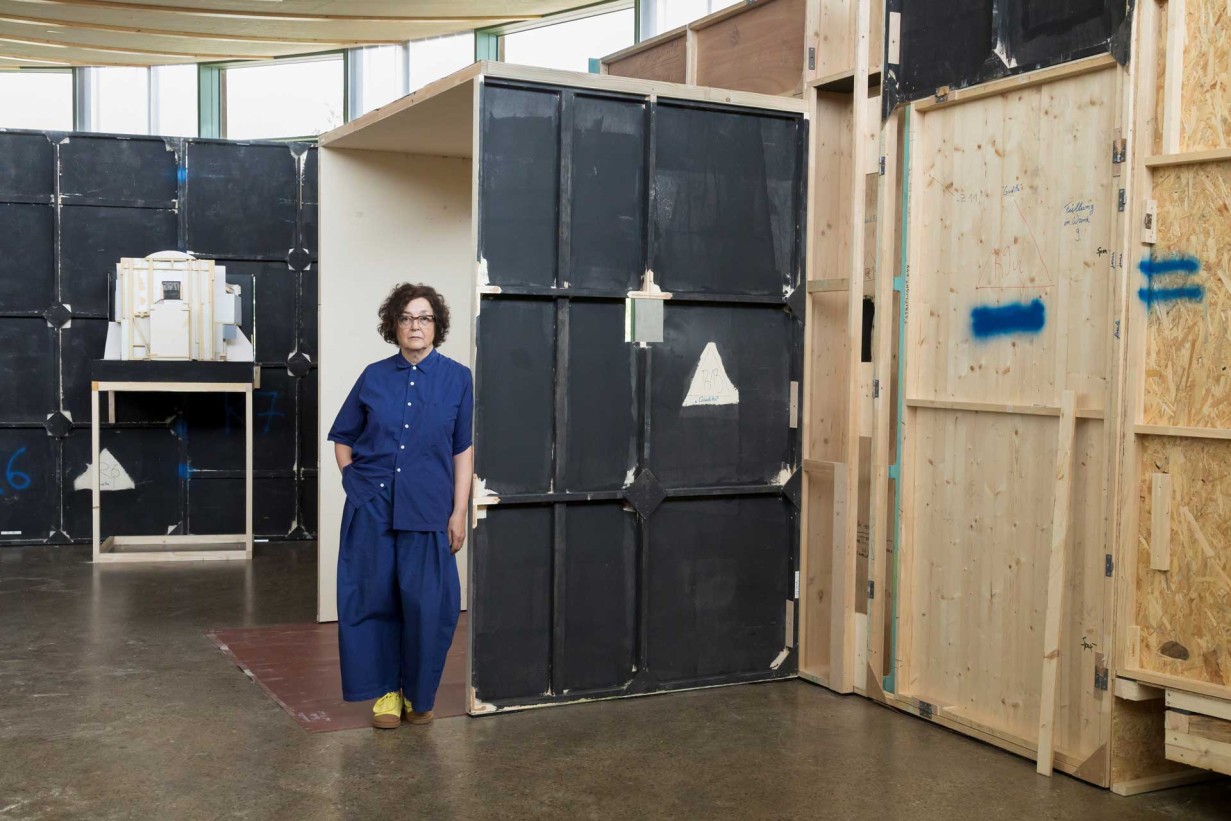
Through an innovative exhibition project, the MAK makes it possible to experience the sociocultural interior design challenge posed in Vienna during the Interwar Period. Known for creating memorable spaces to steer our gaze to the past and recall the unfinished into the present, renowned set designer Anna Viebrock was commissioned with staging this “domicile experiment.”
Through an innovative exhibition project, the MAK makes it possible to experience the sociocultural interior design challenge posed in Vienna during the Interwar Period. Known for creating memorable spaces to steer our gaze to the past and recall the unfinished into the present, renowned set designer Anna Viebrock was commissioned with staging this “domicile experiment.”
© Hanne Brandt
© MAK
Previous Image
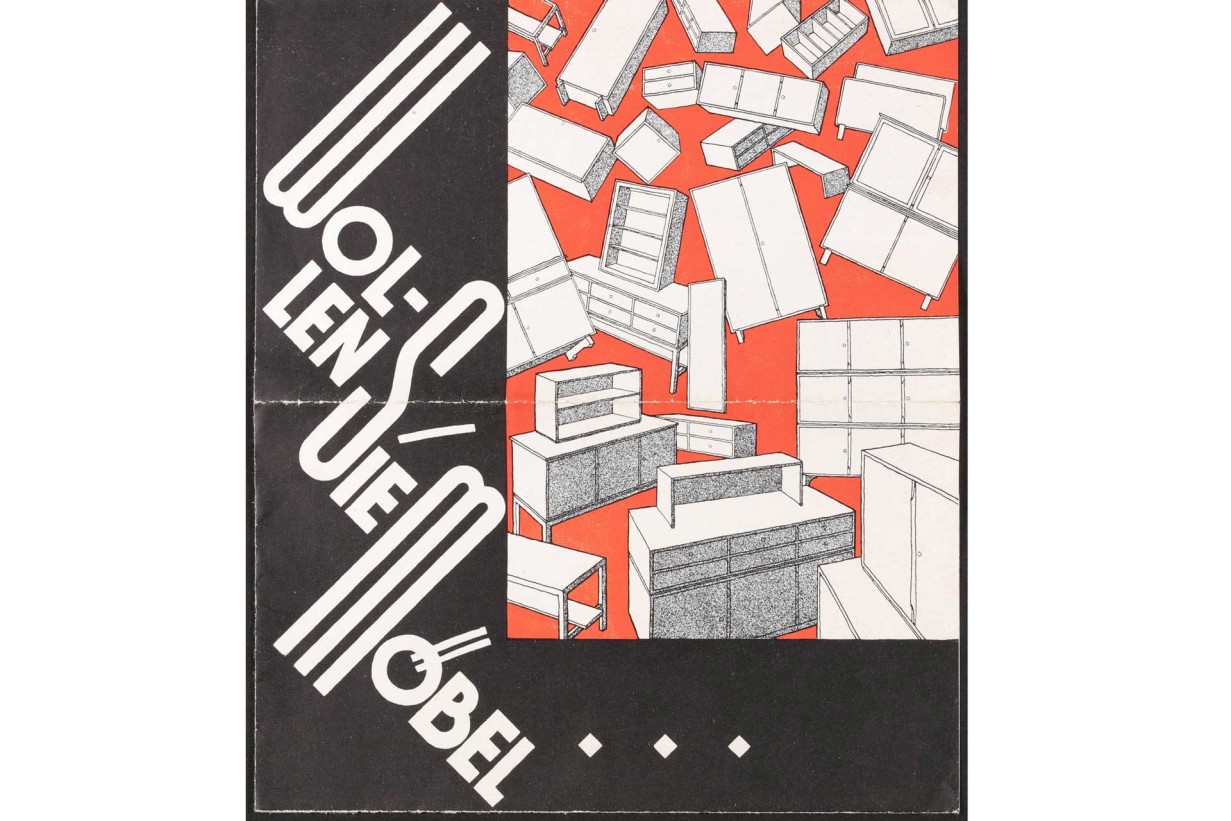
In a large-scale installation in the MAK Exhibition Hall, she will set the stage with the MAK’s extensive collection of objects from the politically charged time of the First Austrian Republic (1918–1934) and the Austrofascist Federal State of Austria (1934–1938), thereby creating an experiential space that calls for profound sensitivity. For, even before Austria’s incorporation into the National Socialist German Reich in 1938, Austrofascism already had ushered in the end of the Viennese interior design culture specific to the Interwar Period, upon which Jewish architects such as Josef Frank, Oskar Wlach, Hugo Gorge, and Oskar Strnad had made such an indelible impression.
Whereas the immediate need after the First World War mainly concerned affordable furnishings for a war-affected populace and the proletariat; as the 1920s progressed, middle- and upper-class interior design concepts increasingly came up for debate as well. Vienna’s New Wohnkultur (domestic culture) differed markedly from the turn-of-the-century Gesamtkunstwerk, also from the contemporary approaches trending in other European centers. The main driver for it was the new humanism, where the emphasis was less on considerations of form or economics, but much more on the comfort and individual needs of the occupants.
The role of the Austrian Museum of Art and Industry—today’s MAK—can scarcely be overstated. It oriented the public in questions of interior design and positioned the Viennese Arts and Crafts movement in national and international exhibitions. In addition to the designers previously mentioned, notable practitioners of Vienna Wohnkultur include Viktor Lurje, Ernst Plischke, Walter Sobotka, Ernst Lichtblau, Fritz Gross, Ernst Schwadron, Josef Hoffmann, Oswald Haerdtl, and Dagobert Peche—and for the first time, women designers such as Margarete Schütte-Lihotzky, Ella Briggs, Friedl Dicker, Jutta Sika, Liane Zimbler, Maria Likarz, Mathilde Flögl, Felice Rix-Ueno, Vally Wie-selthier, and Gudrun Baudisch.
The exhibition will be accompanied by a com-prehensive publication.
Curator: Sebastian Hackenschmidt, Curator, MAK Furniture and Woodwork Collection Artistic Concept: Anna Viebrock
Whereas the immediate need after the First World War mainly concerned affordable furnishings for a war-affected populace and the proletariat; as the 1920s progressed, middle- and upper-class interior design concepts increasingly came up for debate as well. Vienna’s New Wohnkultur (domestic culture) differed markedly from the turn-of-the-century Gesamtkunstwerk, also from the contemporary approaches trending in other European centers. The main driver for it was the new humanism, where the emphasis was less on considerations of form or economics, but much more on the comfort and individual needs of the occupants.
The role of the Austrian Museum of Art and Industry—today’s MAK—can scarcely be overstated. It oriented the public in questions of interior design and positioned the Viennese Arts and Crafts movement in national and international exhibitions. In addition to the designers previously mentioned, notable practitioners of Vienna Wohnkultur include Viktor Lurje, Ernst Plischke, Walter Sobotka, Ernst Lichtblau, Fritz Gross, Ernst Schwadron, Josef Hoffmann, Oswald Haerdtl, and Dagobert Peche—and for the first time, women designers such as Margarete Schütte-Lihotzky, Ella Briggs, Friedl Dicker, Jutta Sika, Liane Zimbler, Maria Likarz, Mathilde Flögl, Felice Rix-Ueno, Vally Wie-selthier, and Gudrun Baudisch.
The exhibition will be accompanied by a com-prehensive publication.
Curator: Sebastian Hackenschmidt, Curator, MAK Furniture and Woodwork Collection Artistic Concept: Anna Viebrock