Opening New Presentation: MAK PERMANENT COLLECTION TEXTILES AND CARPETS

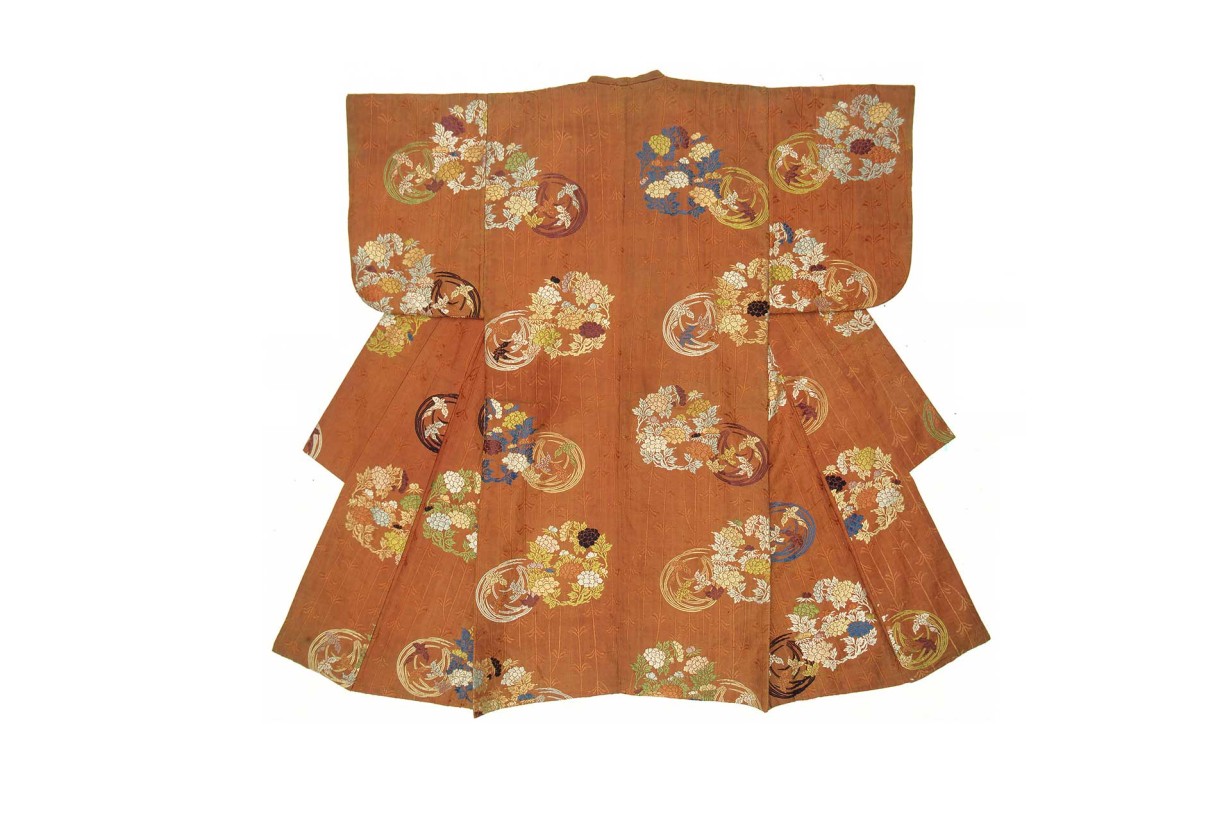
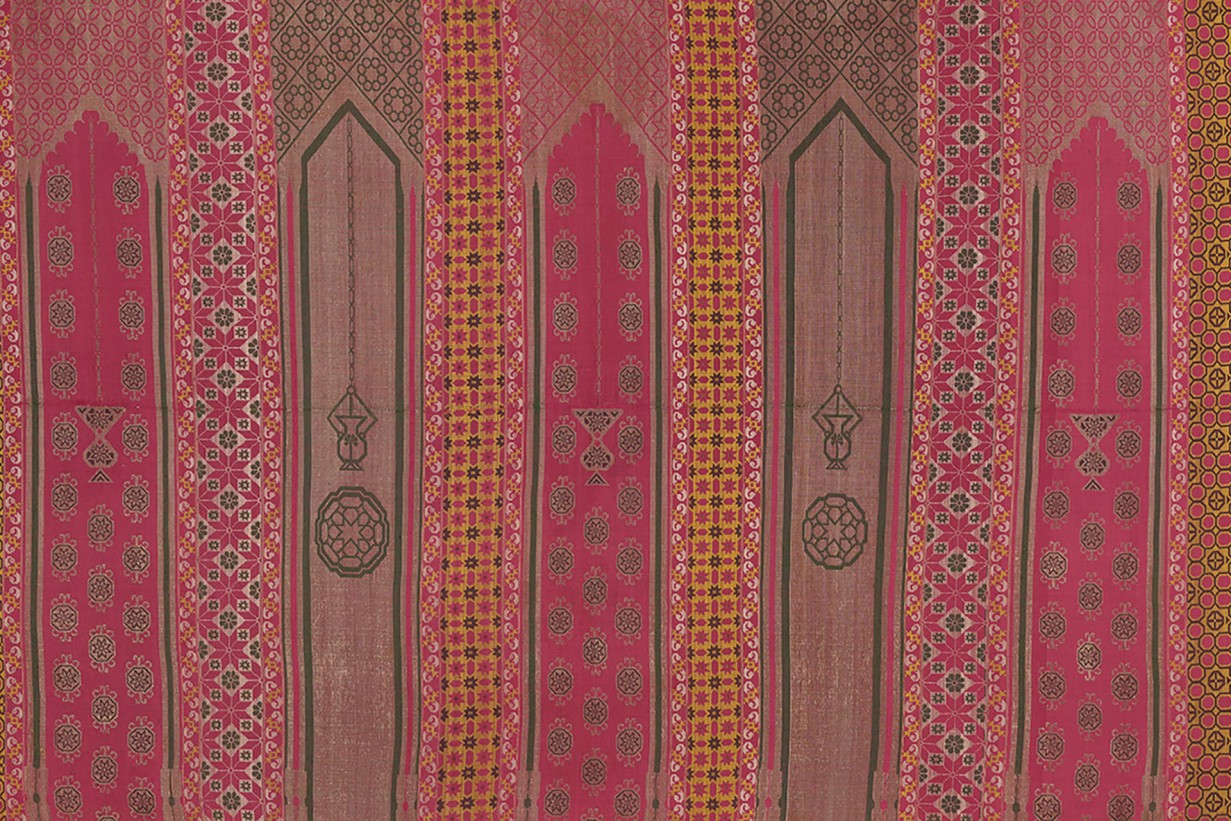
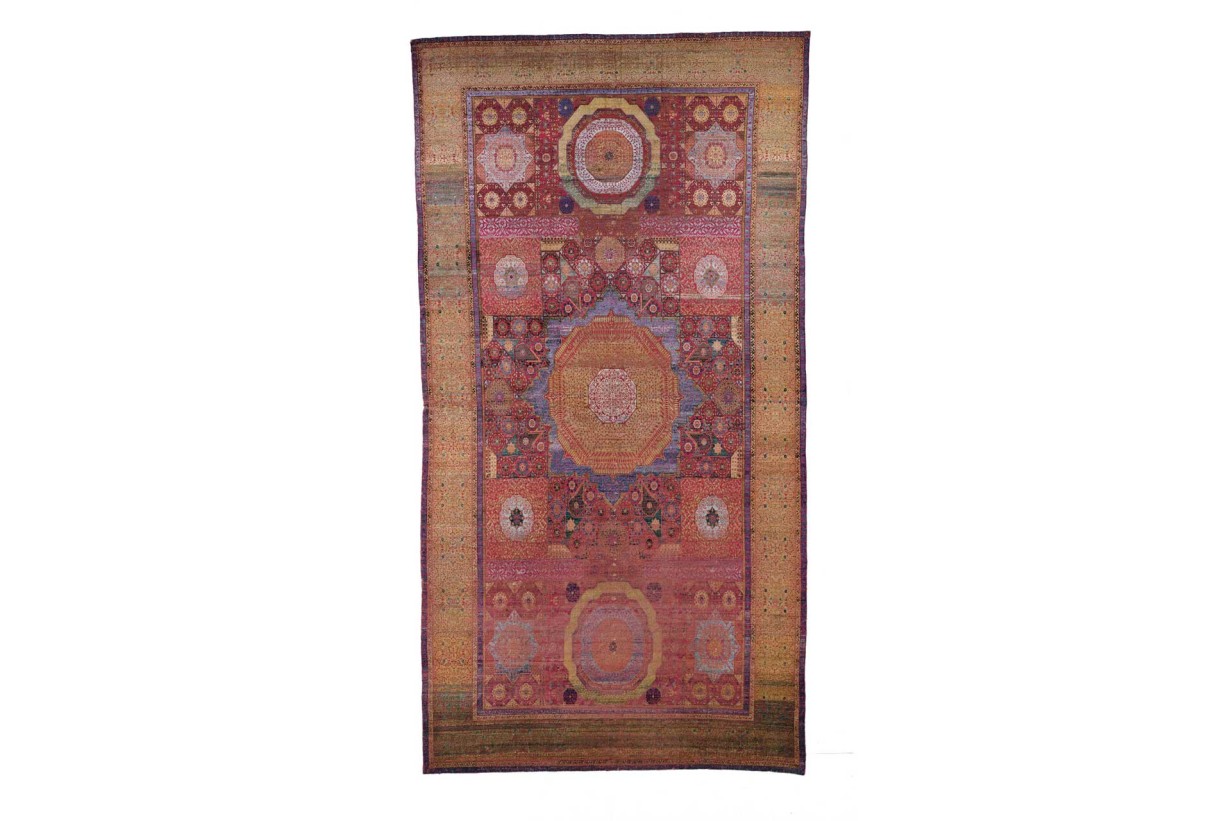
The MAK Textiles and Carpets Collection is one of the most valuable and extensive of its kind worldwide. It brings together objects from late antiquity to the present, from European to East Asian textiles. The exquisite carpet collection, with a focus on unique Persian and Mamluk carpets from the 16th and 17th centuries, is one of the most splendid areas of this section of the collection.

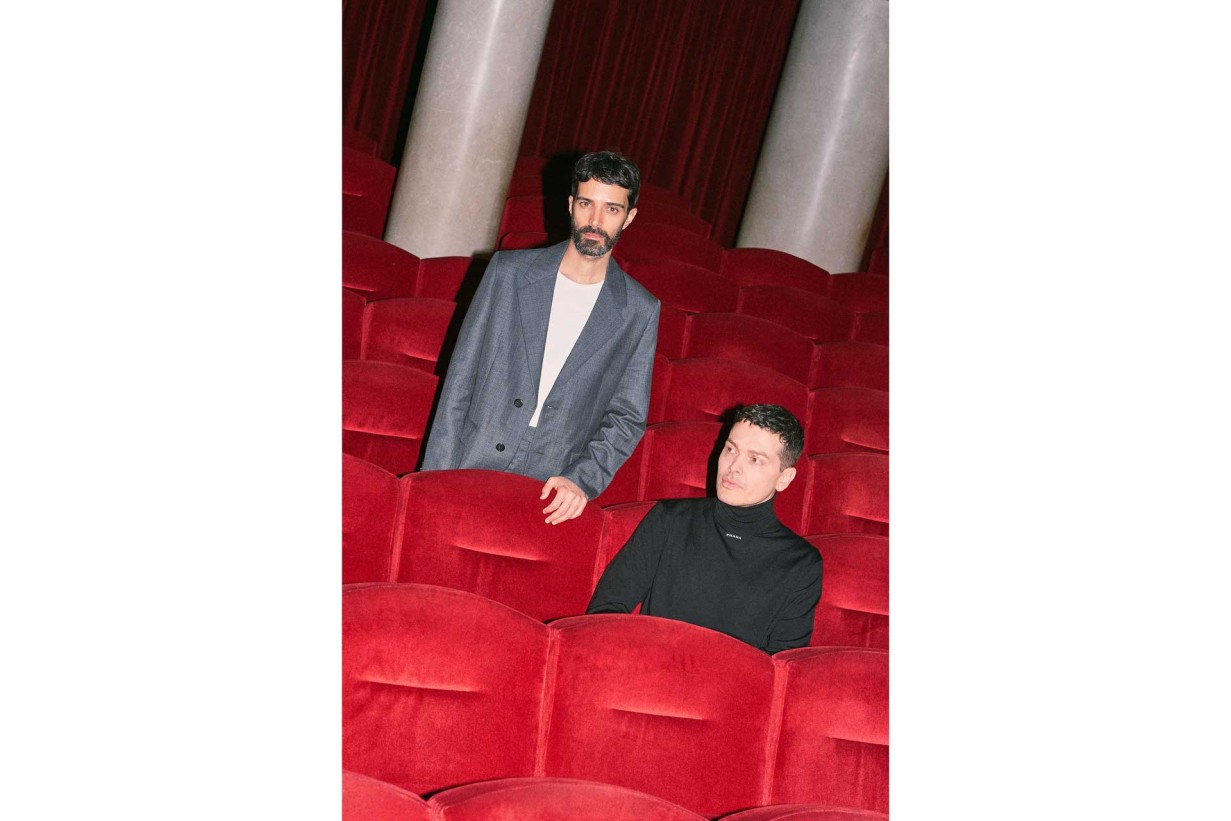
We were able to win the internationally renowned design studio FormaFantasma for the design and presentation of this gems of the MAK Collection. In contrast to the previous presentation that focused on the prestigious carpet collection, the carpets are contextualized with other textile highlights from the collection. With this broader curatorial concept, the MAK, for the first time, is also taking the diversity and richness of this part of the collection into account in the Permanent Collection.
Tue, 24.3.2026 7 pm9 pm
MAK – Museum of Applied Arts
The reinstallation offers a crosssection of the textile collection, revealing cultural connections between the objects that often testify to international exchange and trade, for example, along the so-called Silk Road. Large showcases and a drawer system take the fragility of the objects into account and ensure the conservationally required, regular alternation of the exhibits. Visitors can therefore not only experience the beauty of the collection but also the fragility and preciousness of the exhibits with their senses.

Following the grouping of the objects, the audience can also explore textile techniques and dive into the museum’s collection history through individual object biographies.

CURATOR:
Lara Steinhäußer, Curator, MAK Textiles and Carpets Collection
 
DESIGN:
Formafantasma

Kindly supported by Rubelli

Logo Rubelli


______________________


Admission to the opening is free.
A ticket is required to visit all the other exhibitions (e.g. HELMUT LANG).
mak.at/tickets
Calendar

Followed by: Discussion panel “The Museum as a Toolbox”
Reinstallation VIENNA 1900