The 30-minute essay film
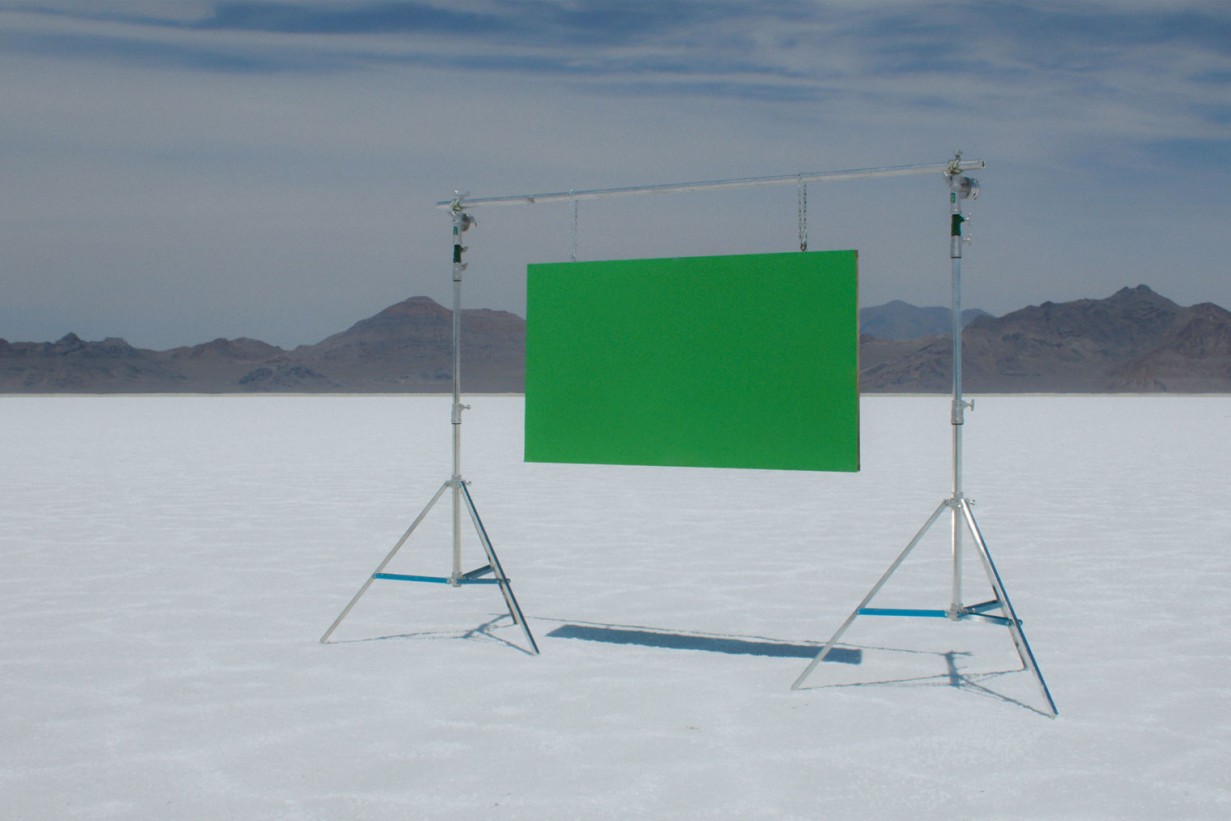
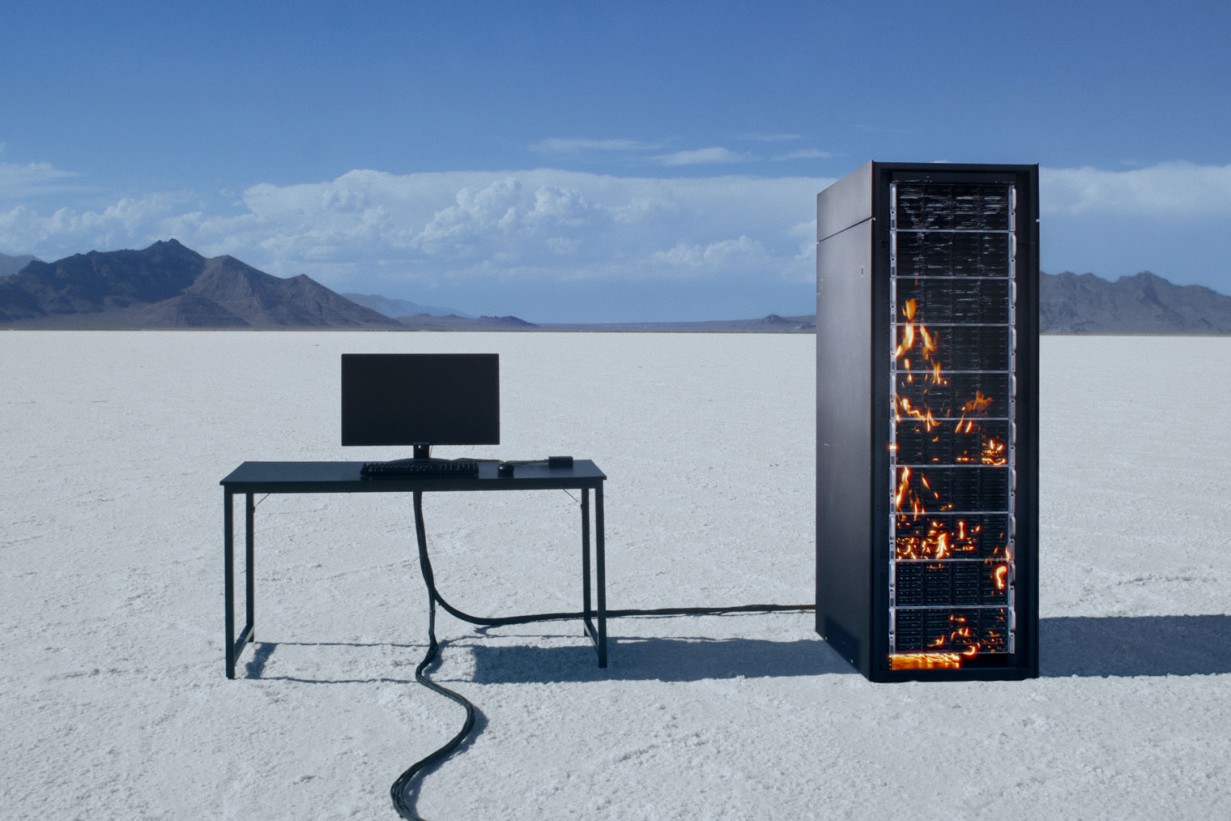
Brute Force [Exhibition Cut] (2025) uncovers digital technologies’ hidden infrastructures; in three chapters, it traces the instruments for acquiring images and data, the ecological costs of their processing, and the geological traces they leave behind. Set among the salt lakes and salt deserts of Utah and California, the film interprets salt as an archive of water’s absence—a material index of climate change and resource depletion—and their unequal distribution.
The three-channel video installation
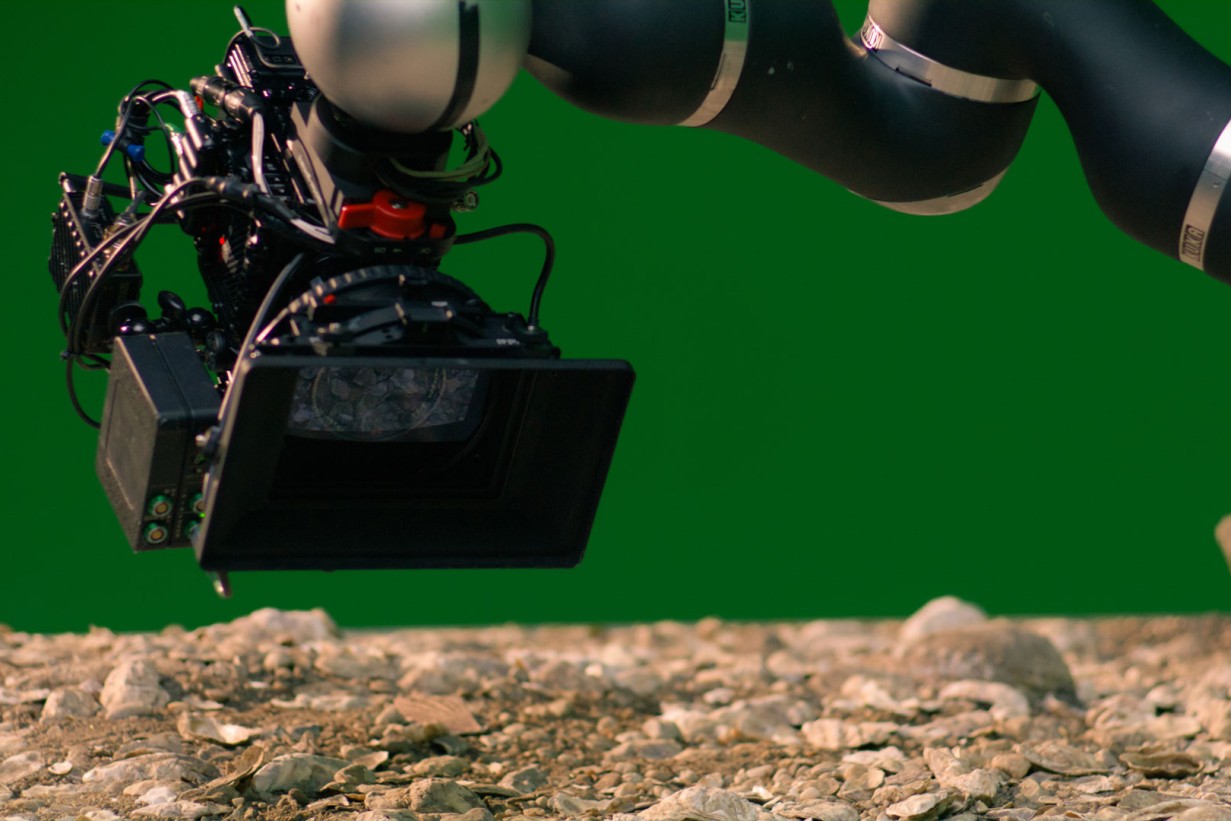
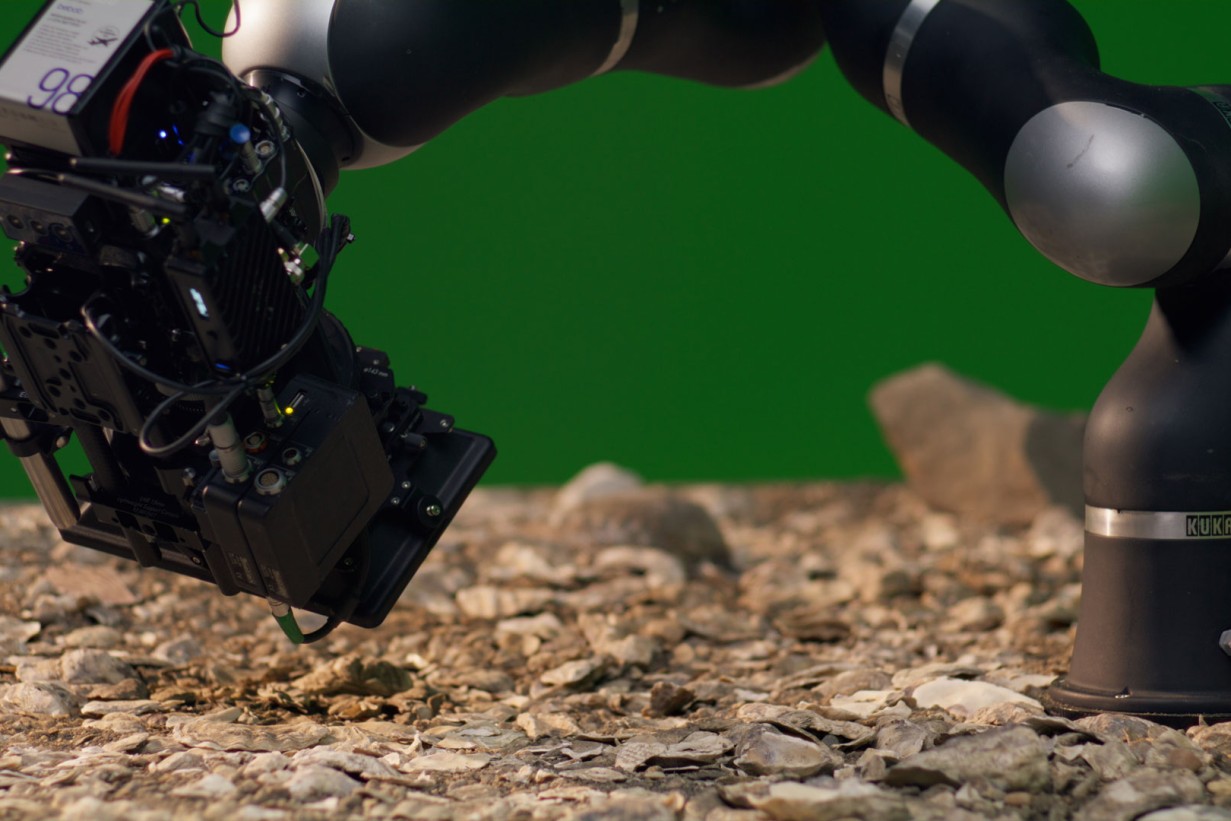
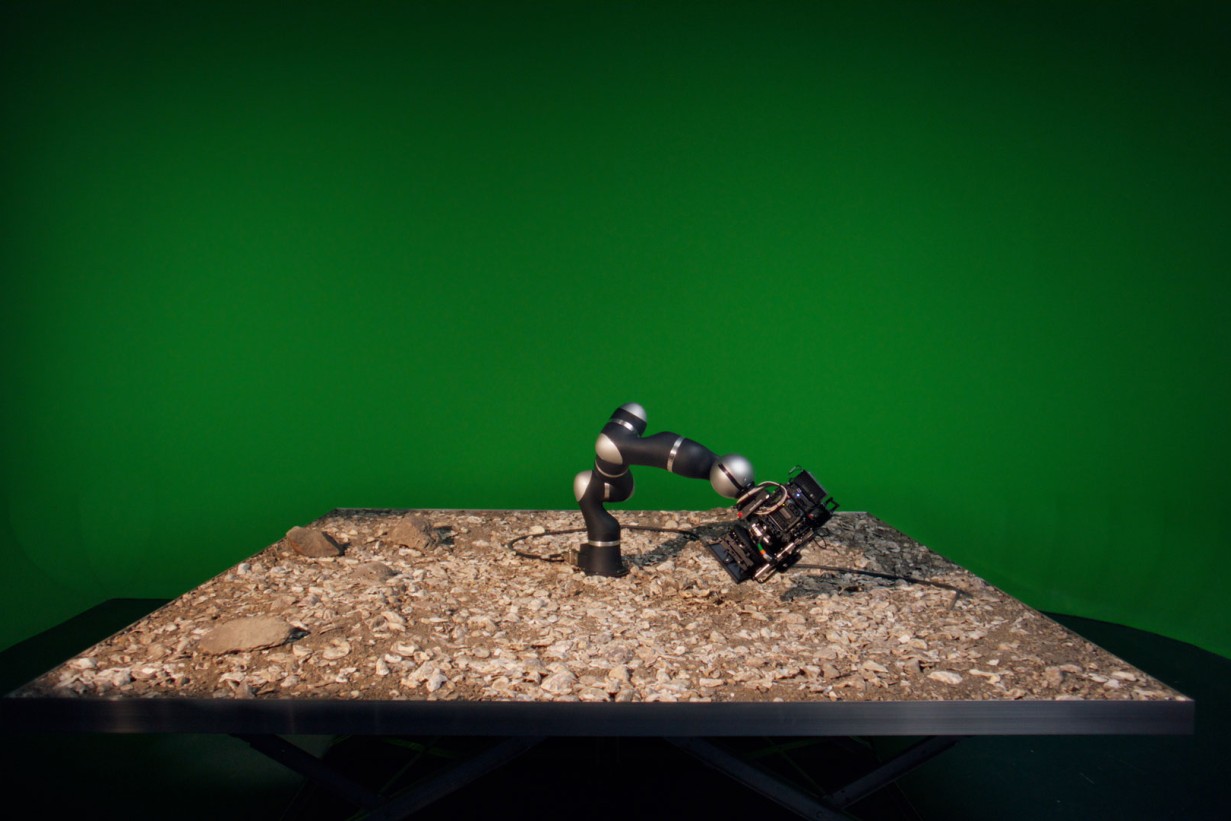
Valley of the Heart’s Delight expands this exploration by the added dimension of materiality, surface, and power. Close-ups of the earth’s layers, sand, and crushed shells—filmed with an industrial robotic arm—make reference to the indigenous Ohlone people’s shellmounds, which today lie buried under the headquarters of global technology companies.
Soft Image, Brittle Grounds exposes the political dimensions of information control and poses the question of who gains access to knowledge, who defines its terms—and whose stories are supplanted by the dominant narratives about progress.
With
Soft Image, Brittle Grounds, Felix Lenz represented Austria at the 24th Triennale Milano International Exhibition, commissioned by the MAK and funded by the Federal Ministry of Housing, Arts, Culture, Media and Sport. Entitled
Inequalities, this Triennale focused on the growing social, economic, and ecological disparities which are further aggravated by the climate crisis and rapid technological developments.
The exhibition is the MAK’s contribution to the 2026 Klima Biennale Wien.
Curator: Marlies Wirth, Curator, Digital Culture and MAK Design Collection
______________________
On the exhibition
Lilli Hollein, General Director, MAK
Marlies Wirth, Curator Digital Culture and Design Collection
Admission to the opening is free.
A ticket is required to visit all the other exhibitions (e.g. HELMUT LANG).
mak.at/tickets