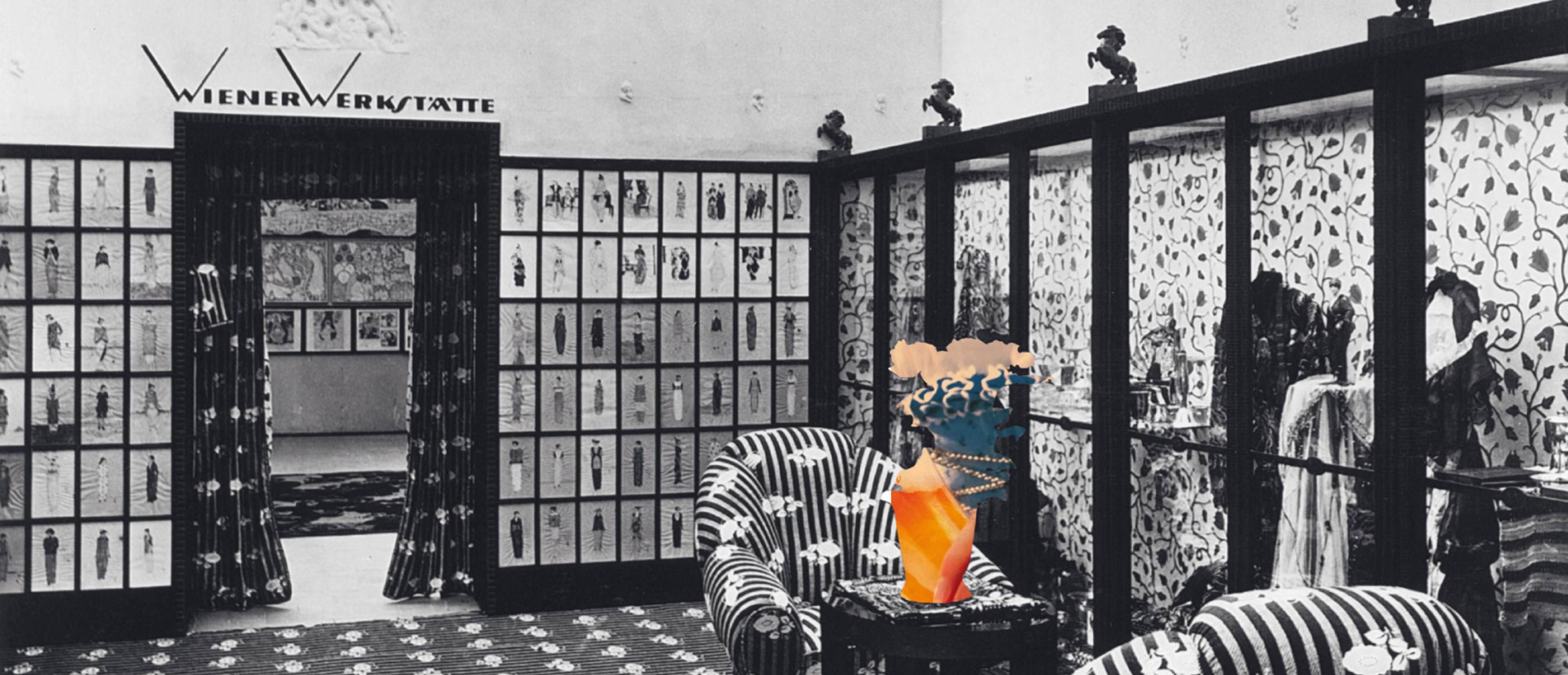
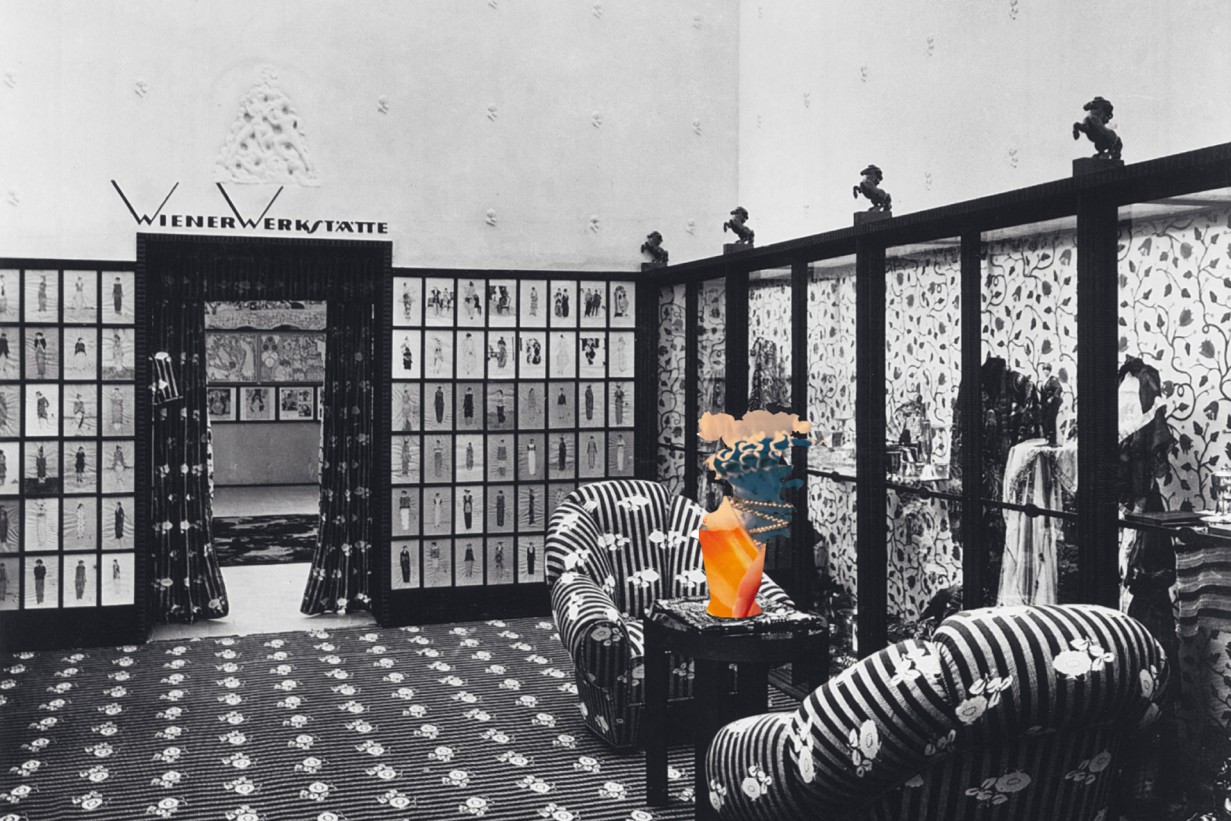
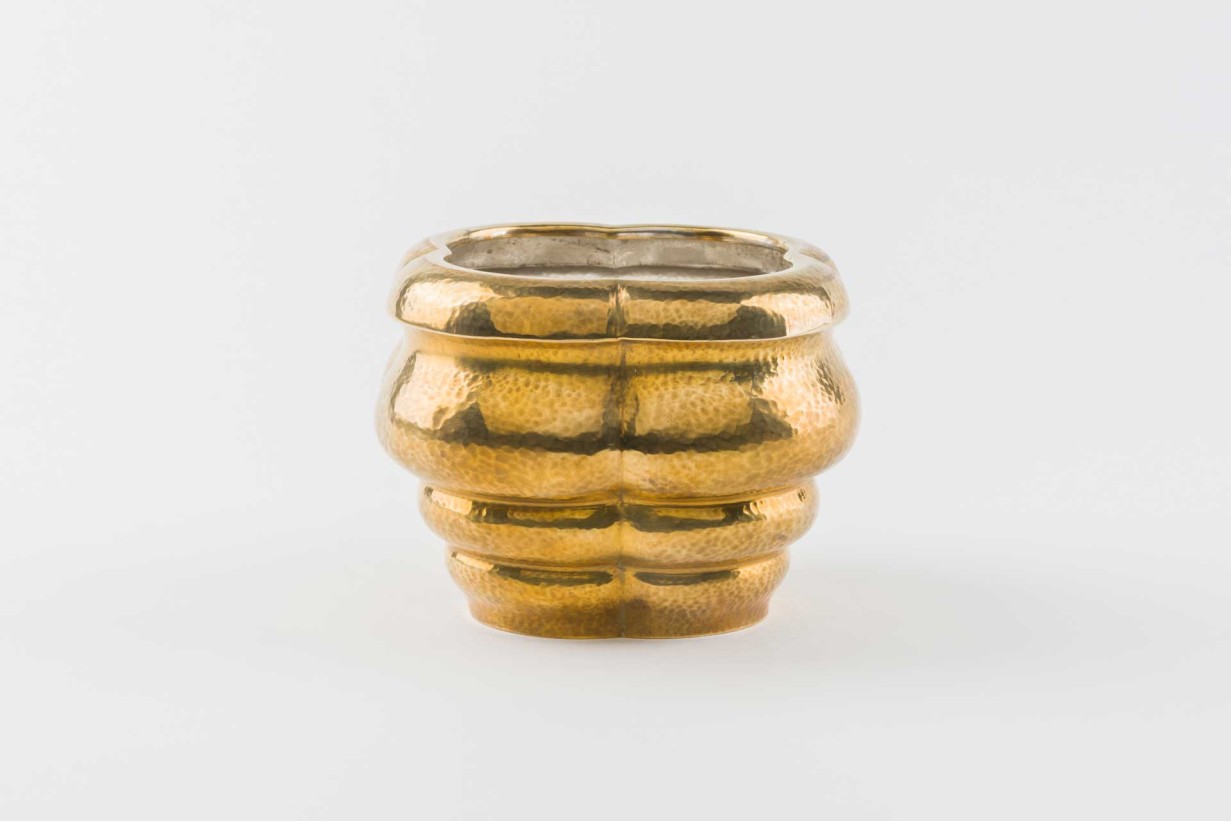
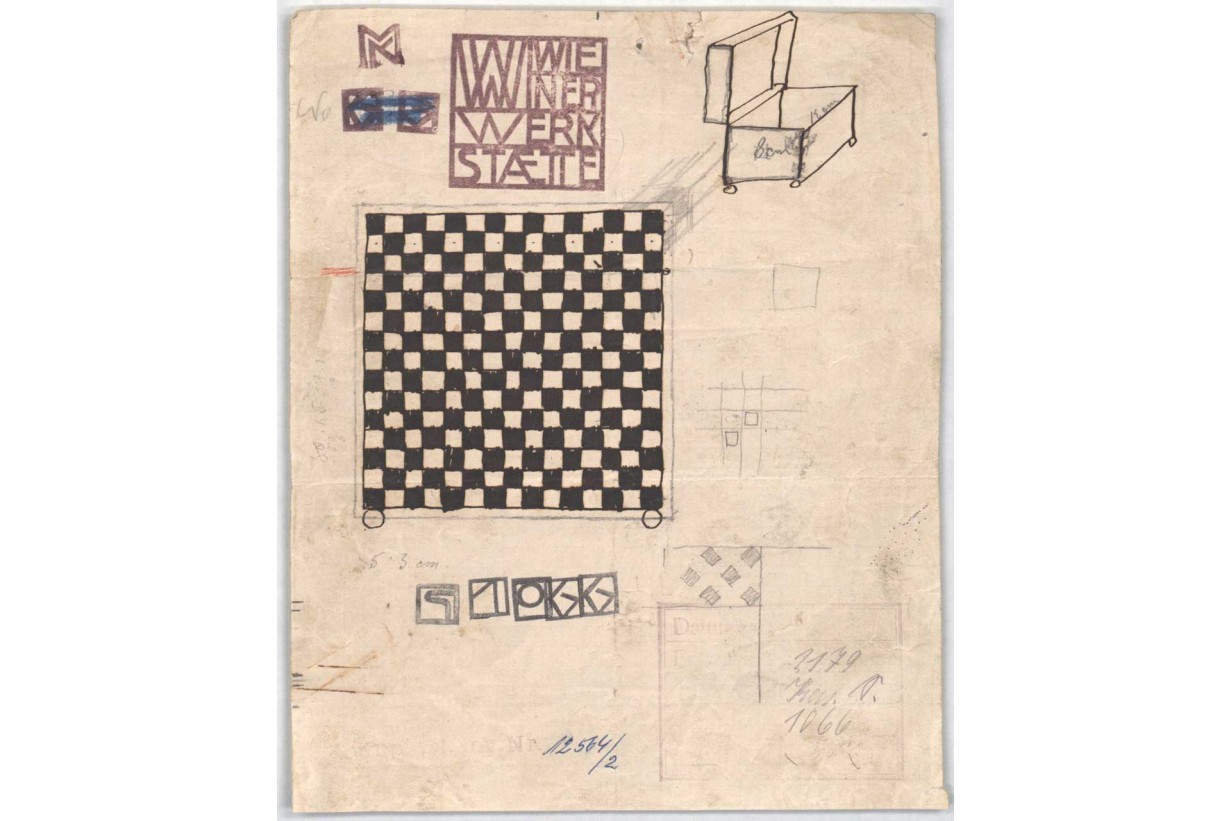
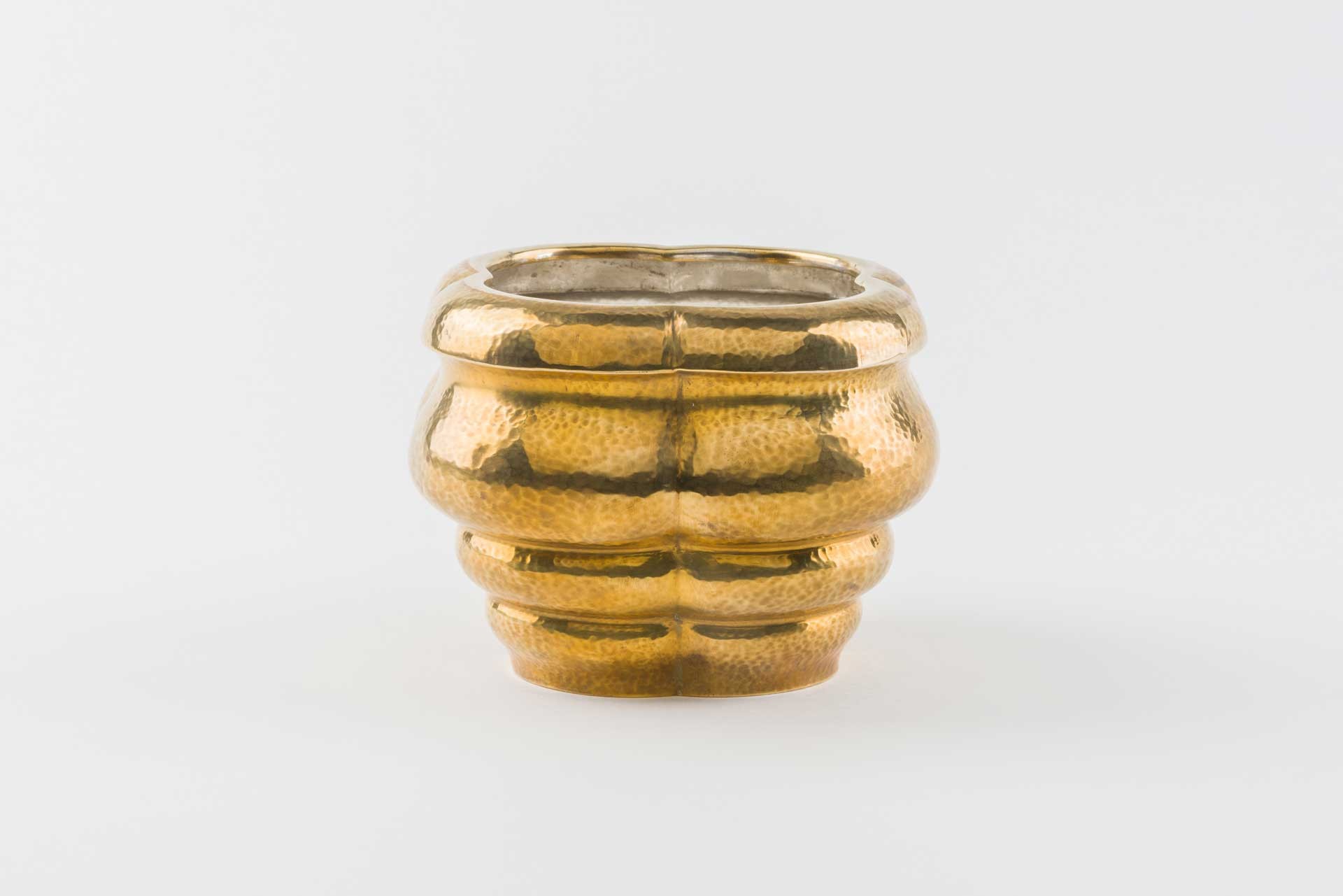
Josef Hoffmann, sugar bowl, Wiener Werkstätte, Vienna, 1923 © MAK/Tamara Pichler
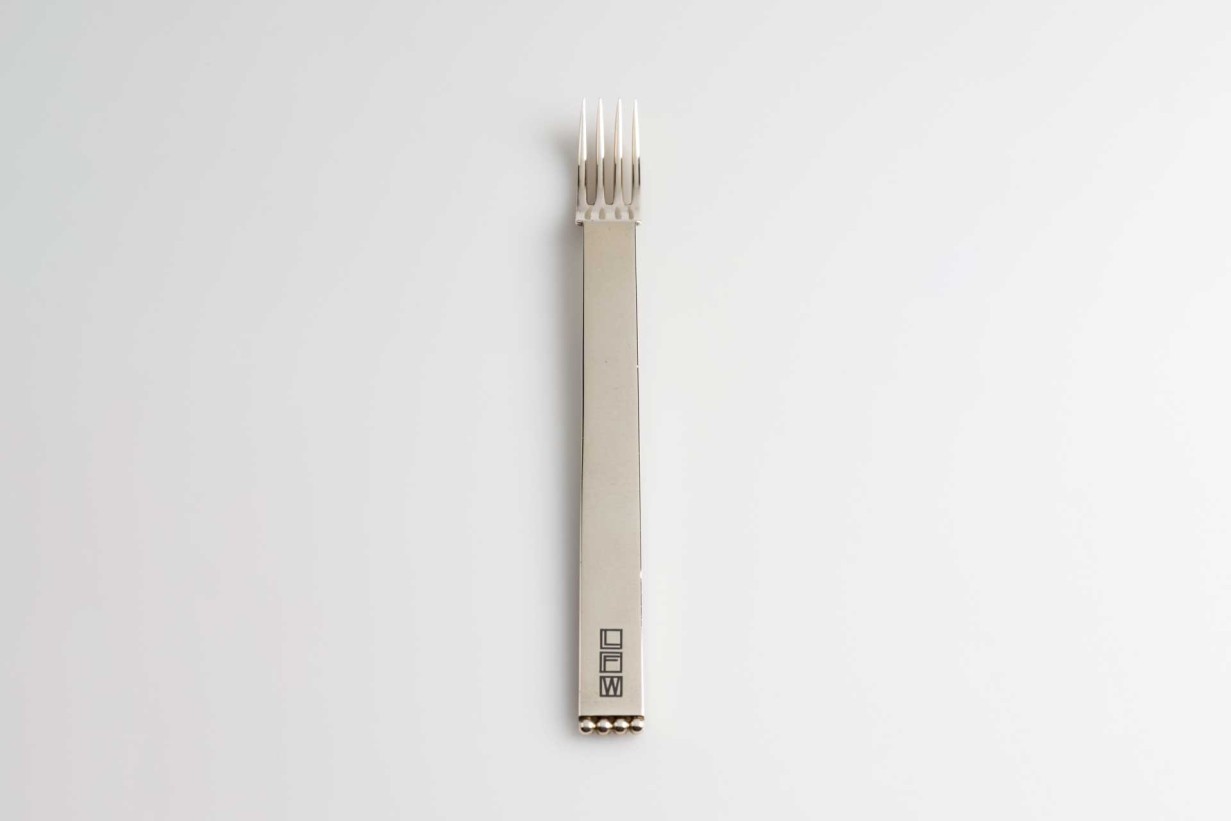
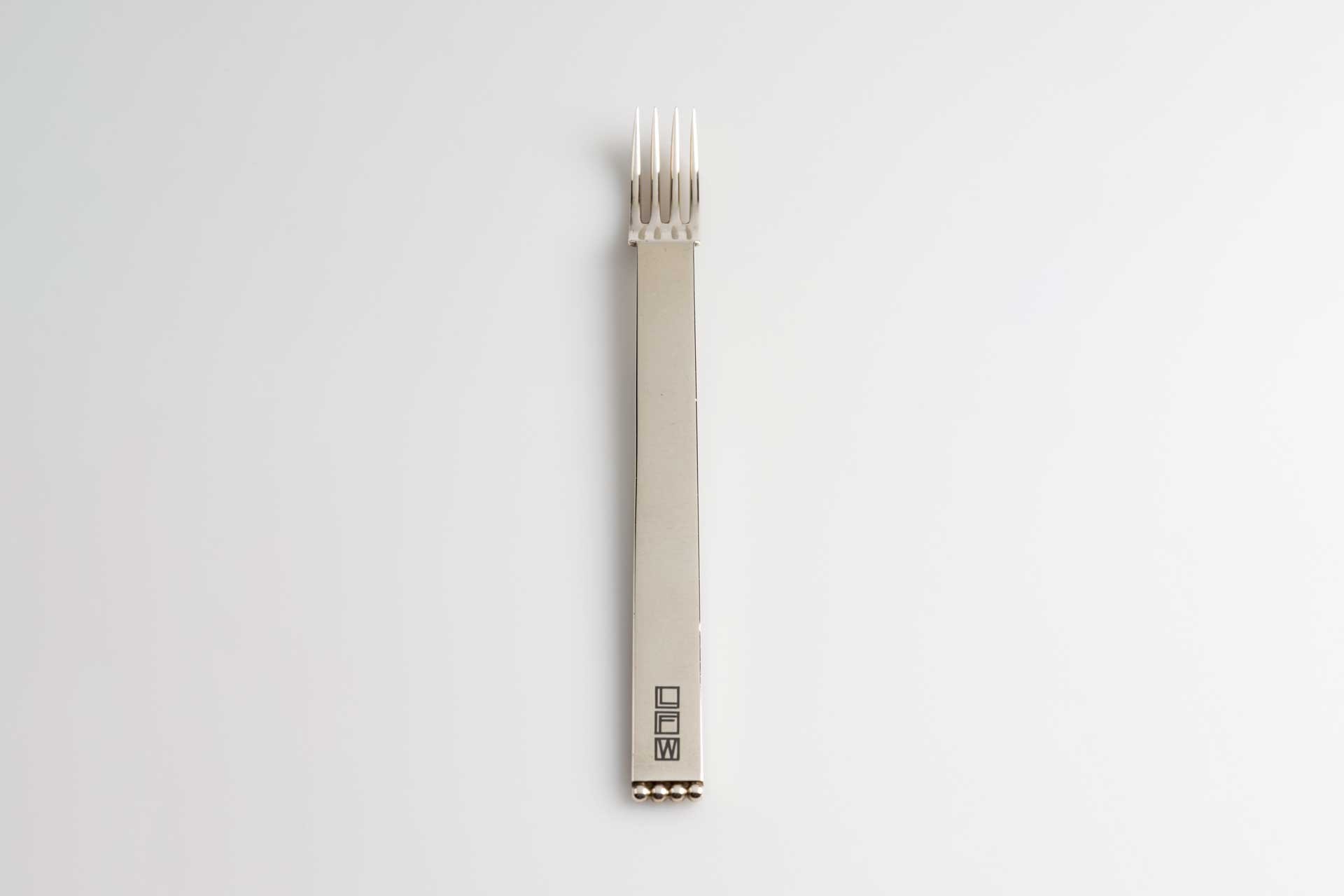
Josef Hoffmann, dessert fork, Wiener Werkstätte, Vienna, 1903 © MAK/Katrin Wißkirchen
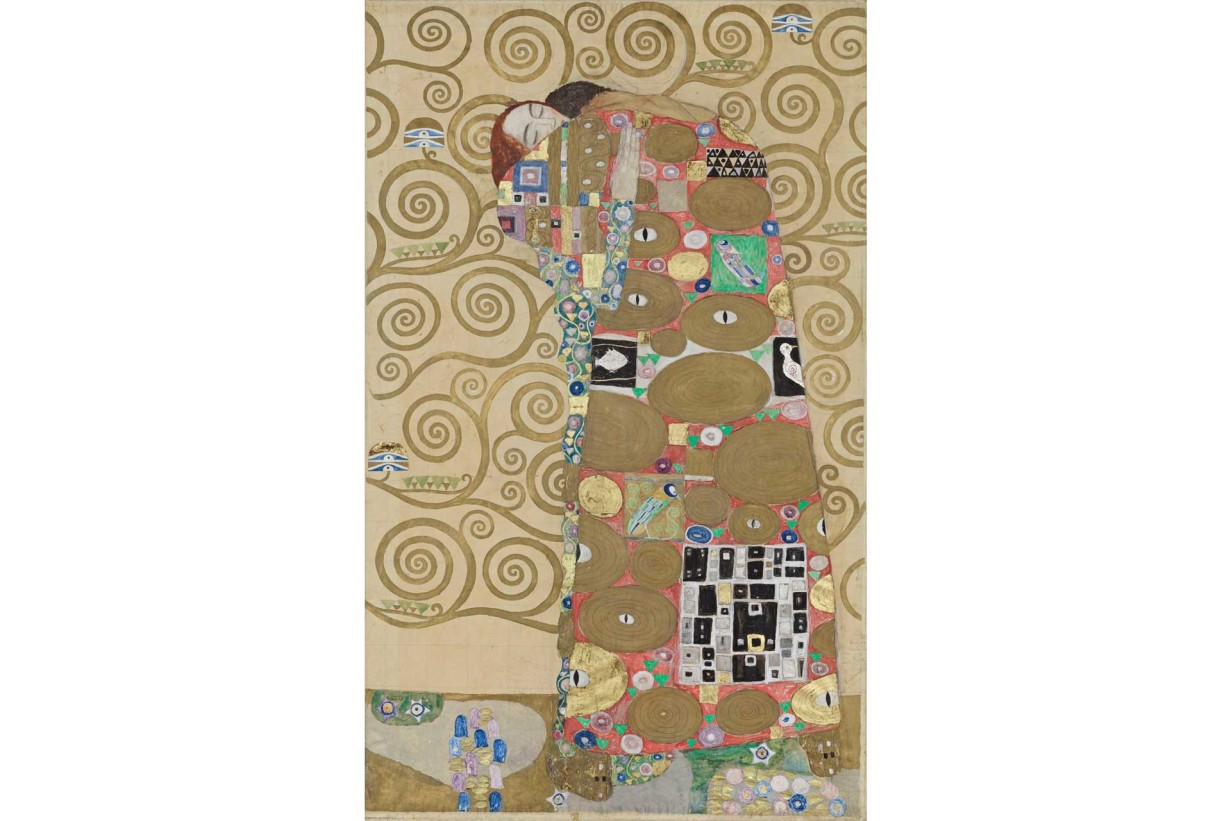
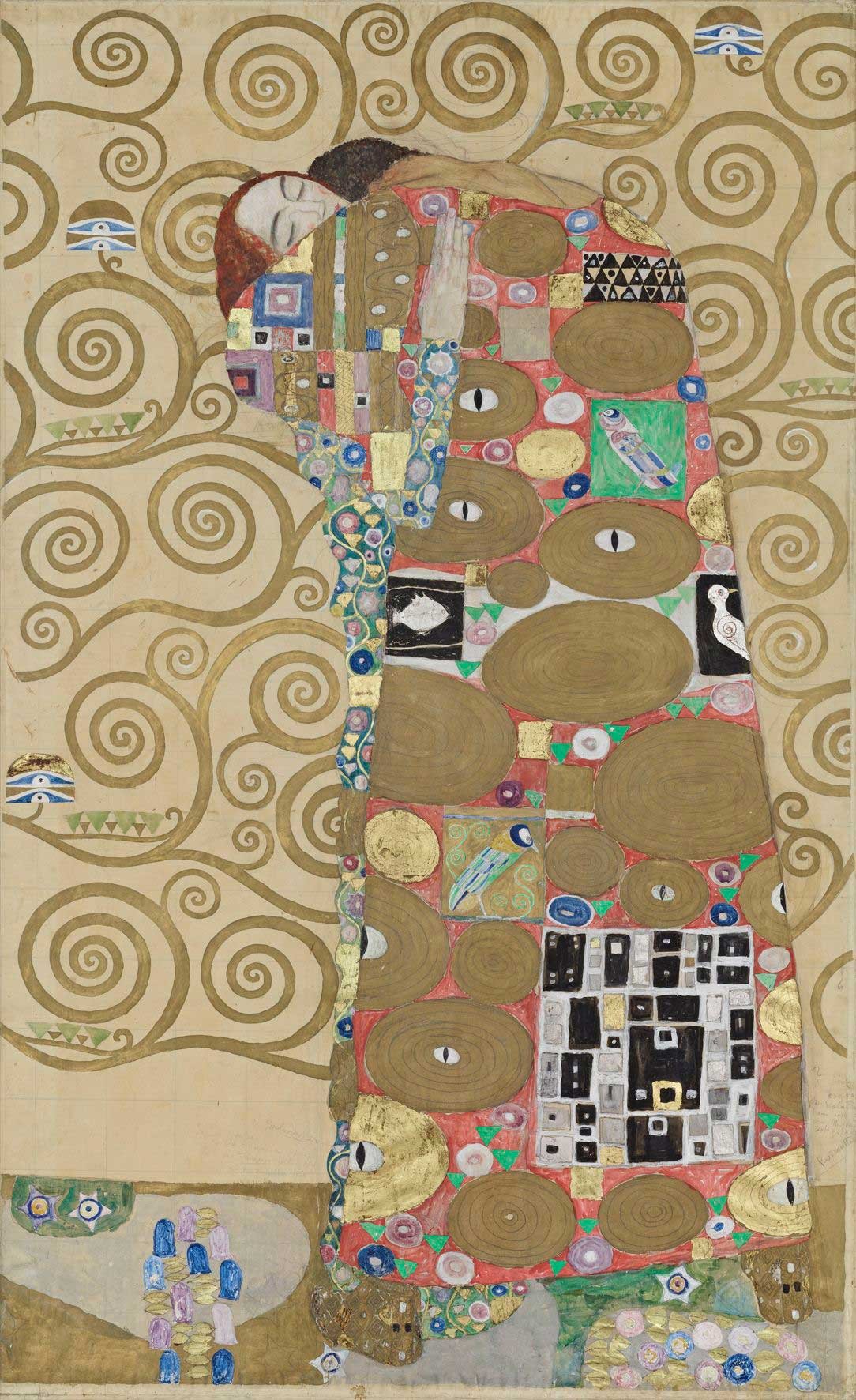
Gustav Klimt, working drawing “Fulfillment” for the mosaic frieze of the dining room of the Palais Stoclet in Brussels, Vienna/Kammerl am Attersee, 1910/11 © MAK/Georg Mayer
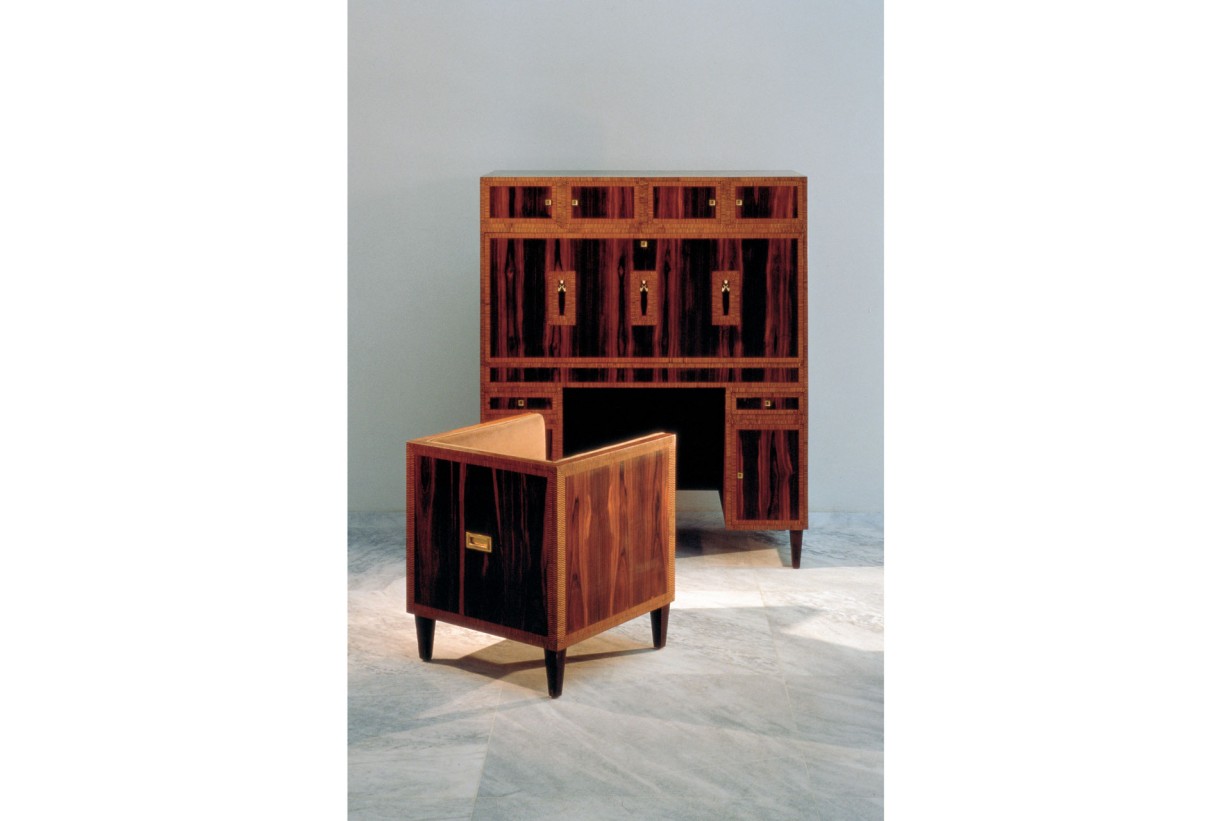
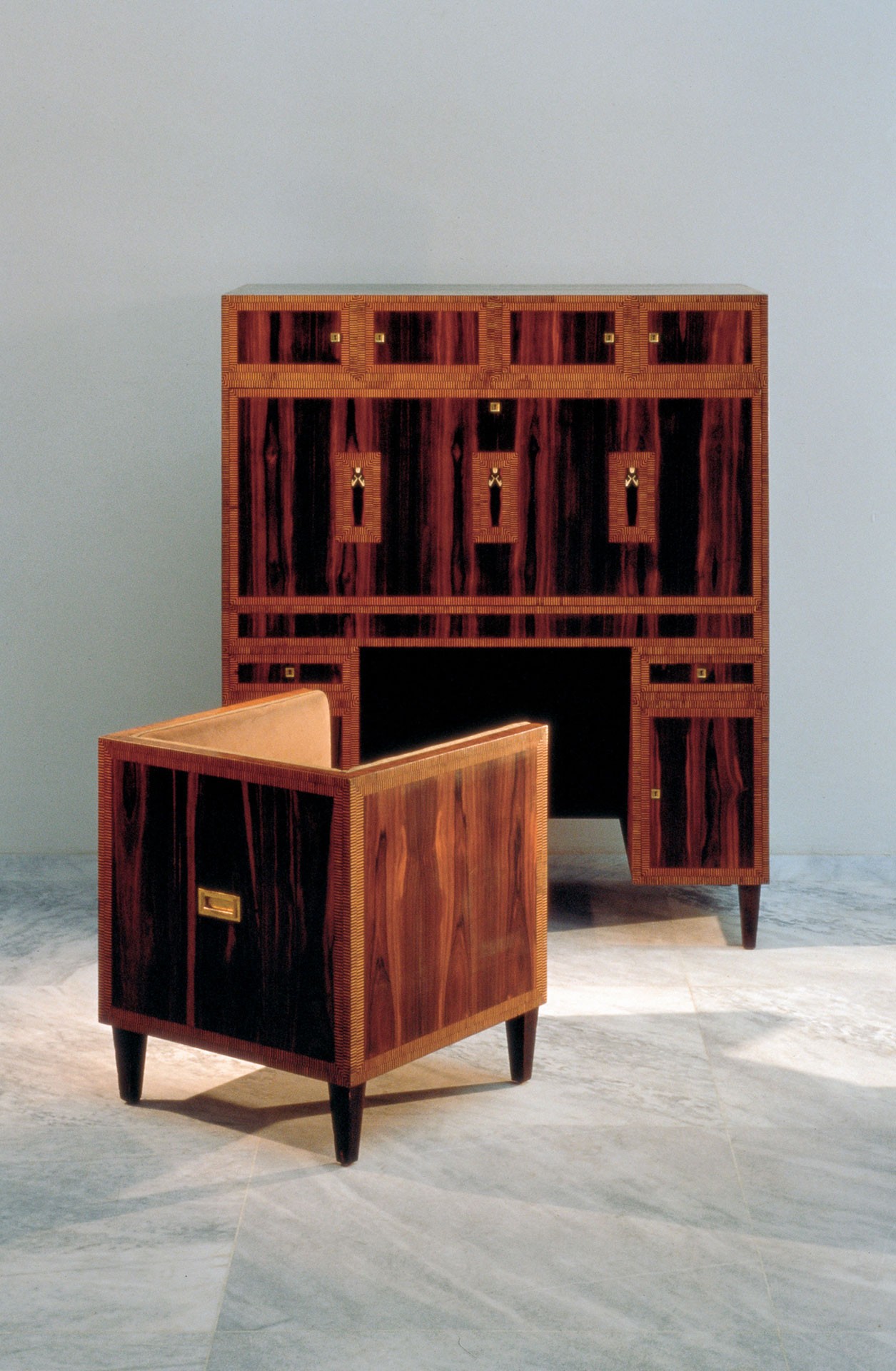
Koloman Moser, writing cabinet for Berta Waerndorfer, Vienna, 1903 Execution: Wiener Werkstätte © Gerald Zugmann/MAK
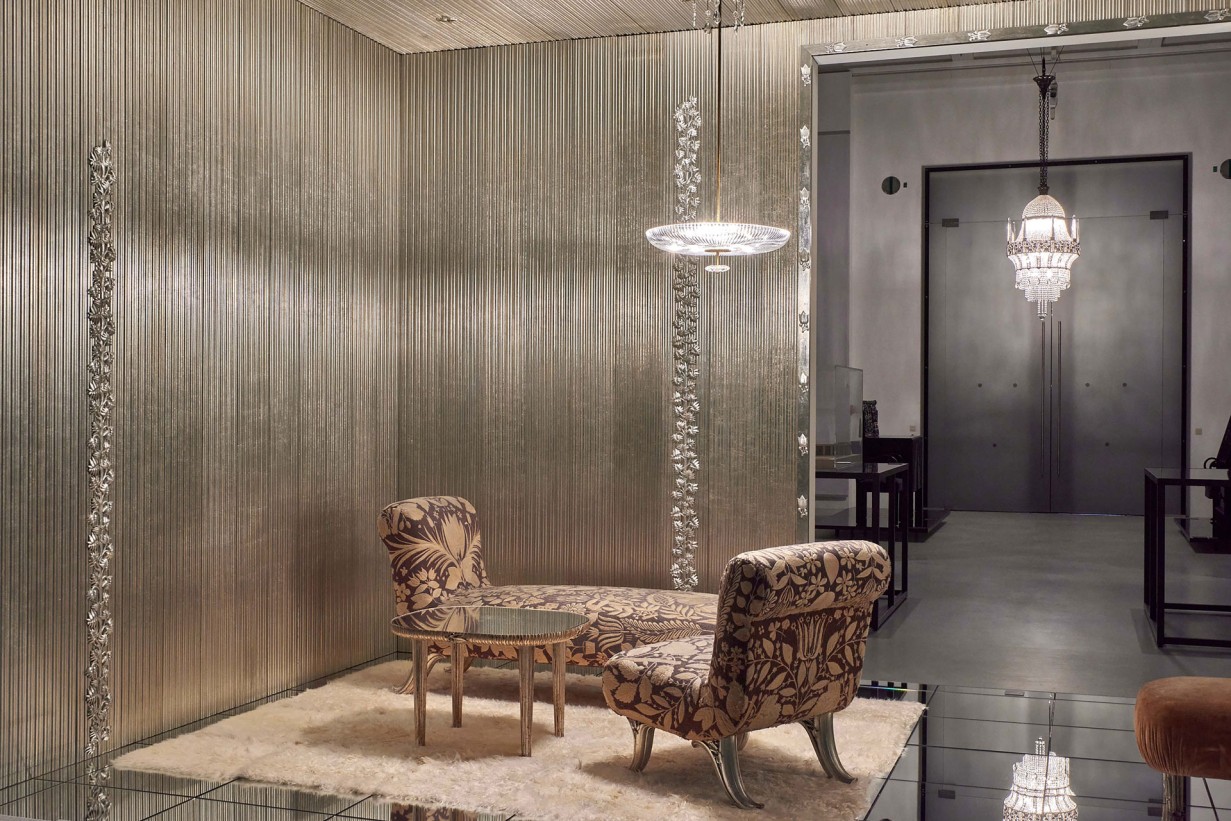
JOSEF HOFFMANN: Progress Through Beauty Reconstruction of the Boudoir d’une grande vedette [Boudoir for a Great Star] World’s Fair, Paris, 1937 © MAK/Georg Mayer
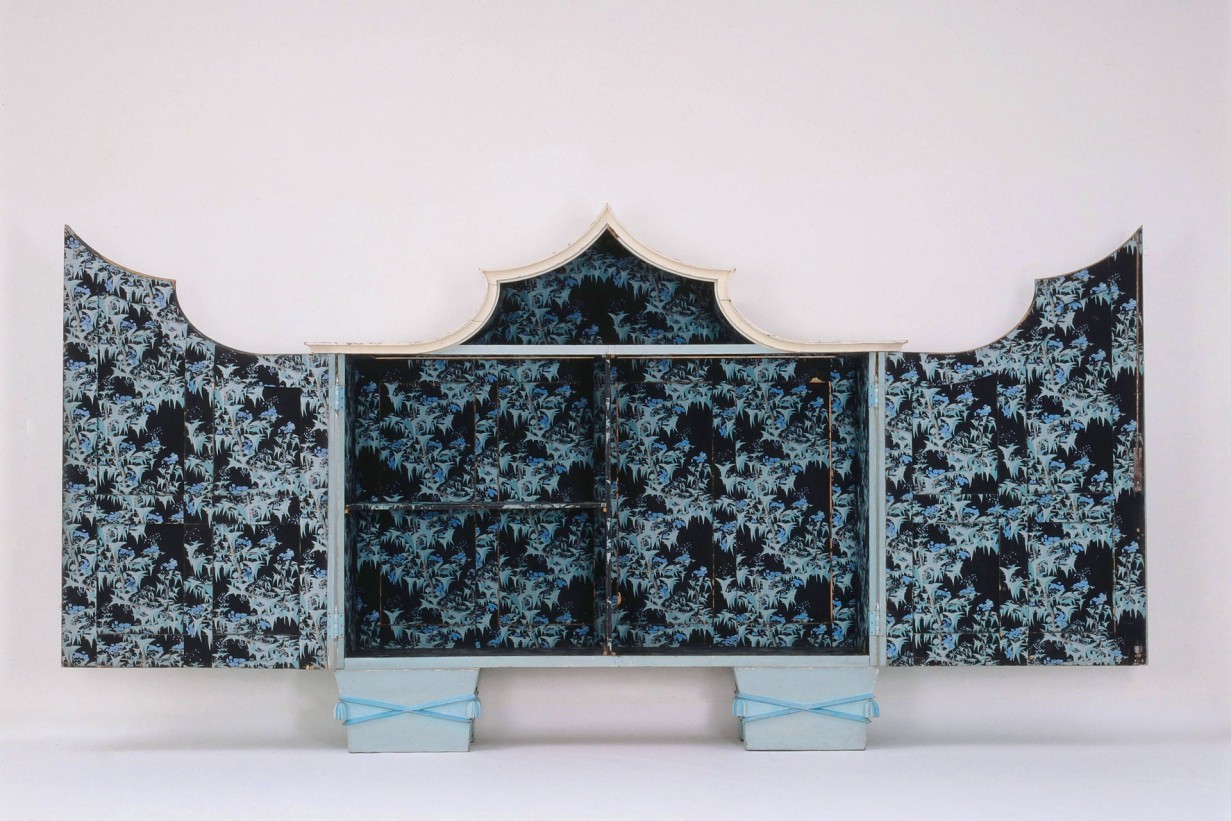
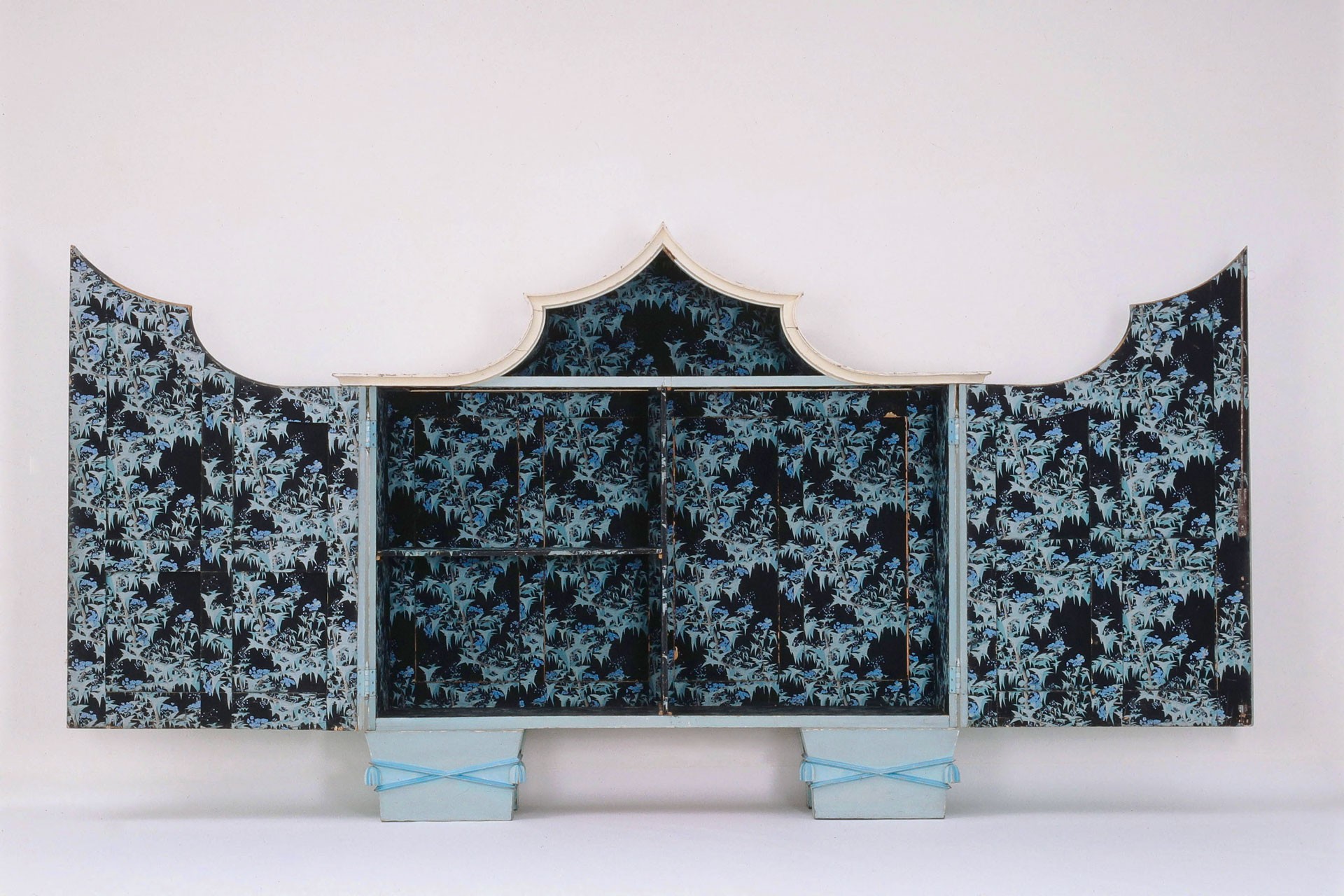
Dagobert Peche, showcase for the Vienna Kunstschau, 1920 Softwood, painted blue and white; Wiener Werkstätte wallpaper Laube [Arbor] after a design by Dagobert Peche © MAK/Georg Mayer
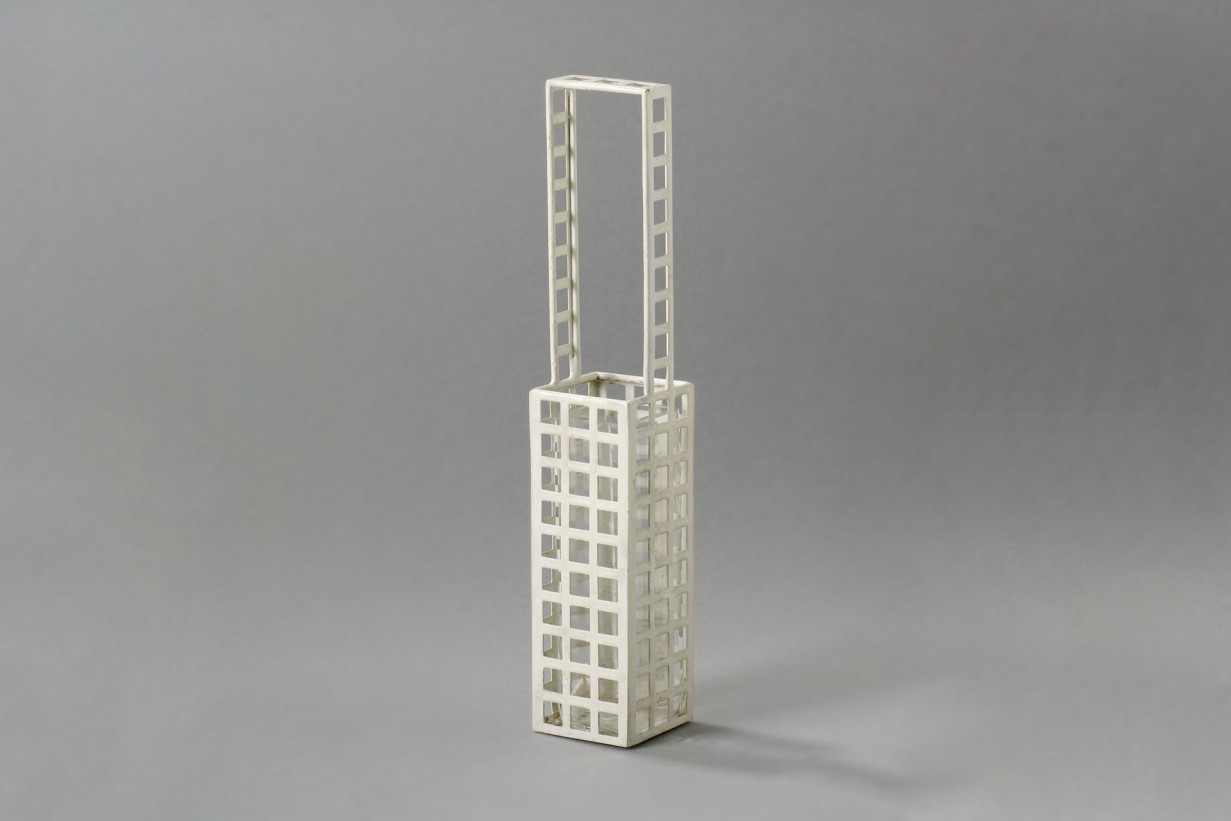
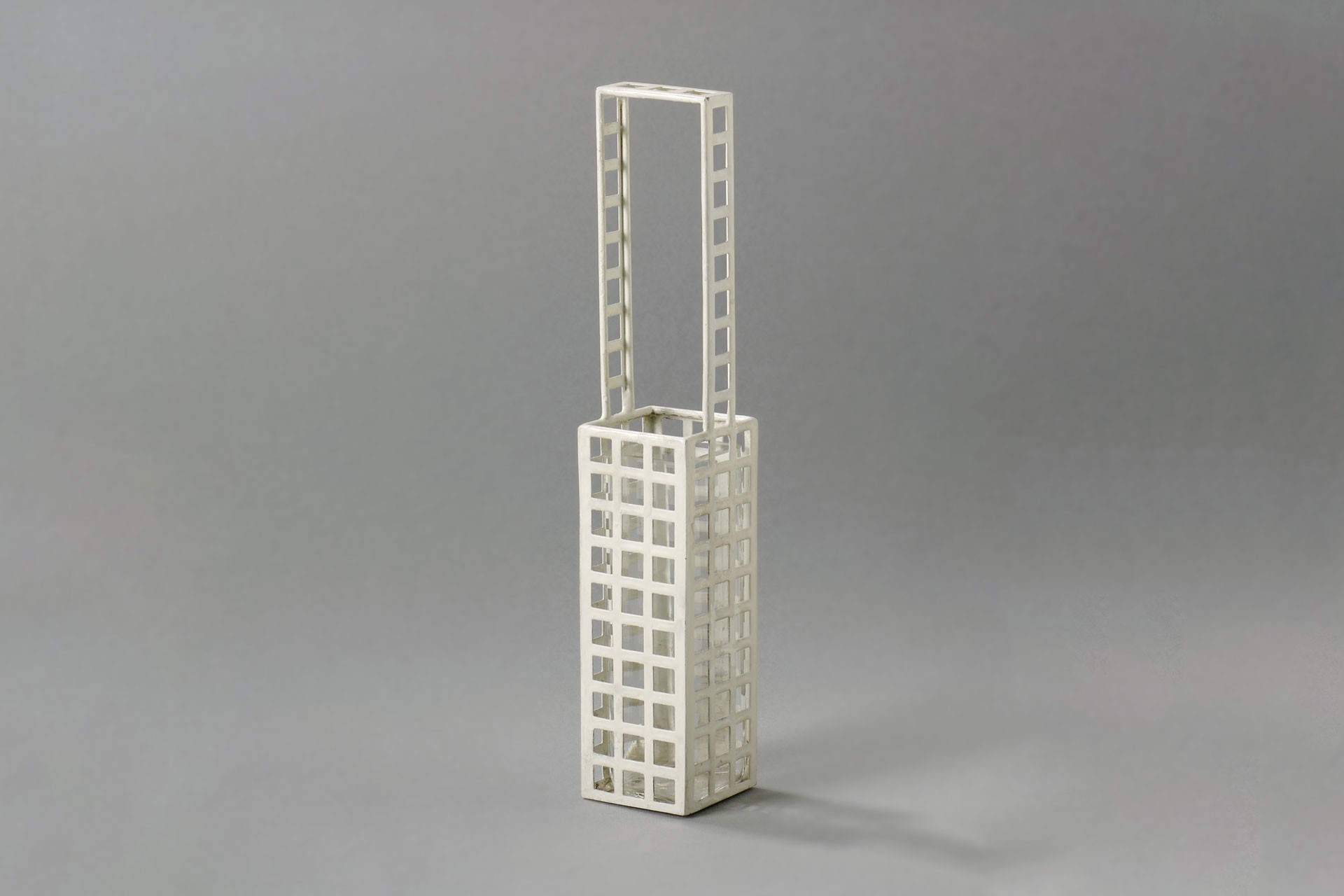
Josef Hoffmann, vase with handle and glass insert, 1905 Execution: Wiener Werkstätte Sheet iron, painted; glass © MAK/Georg Mayer
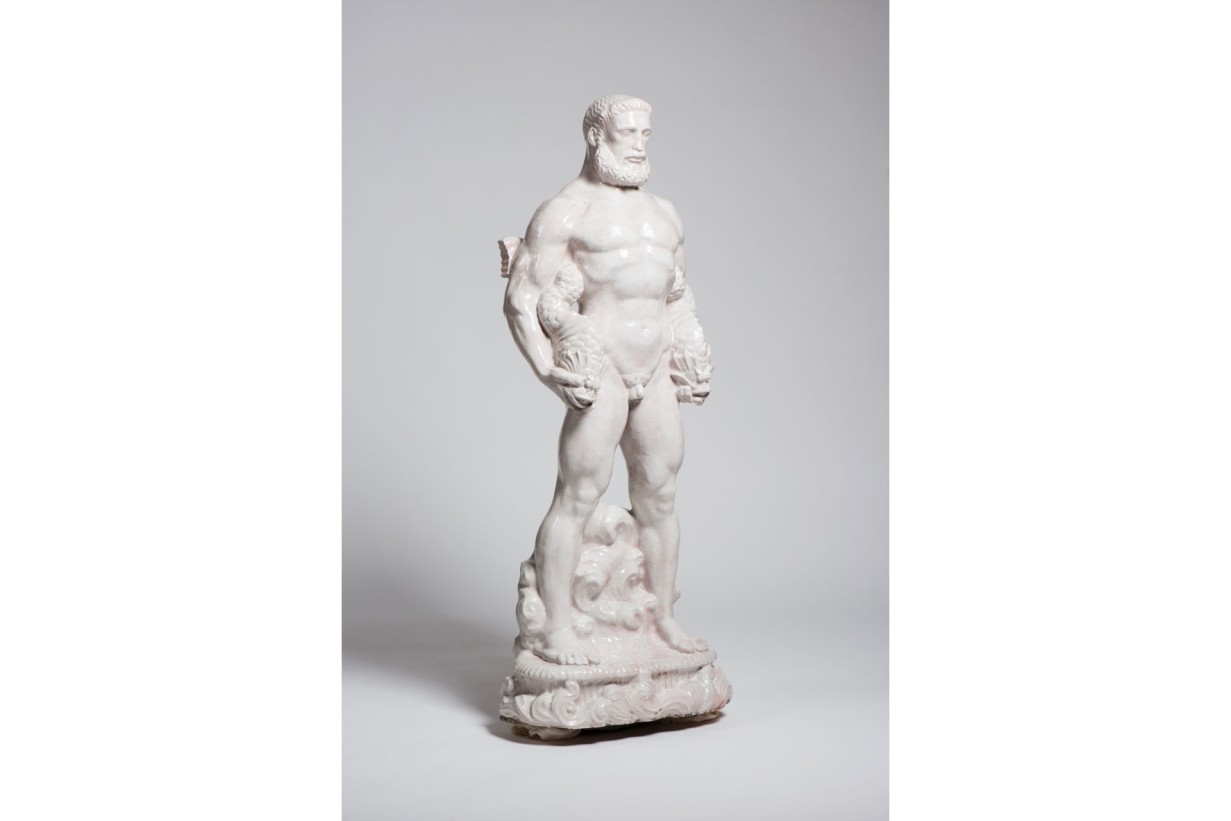
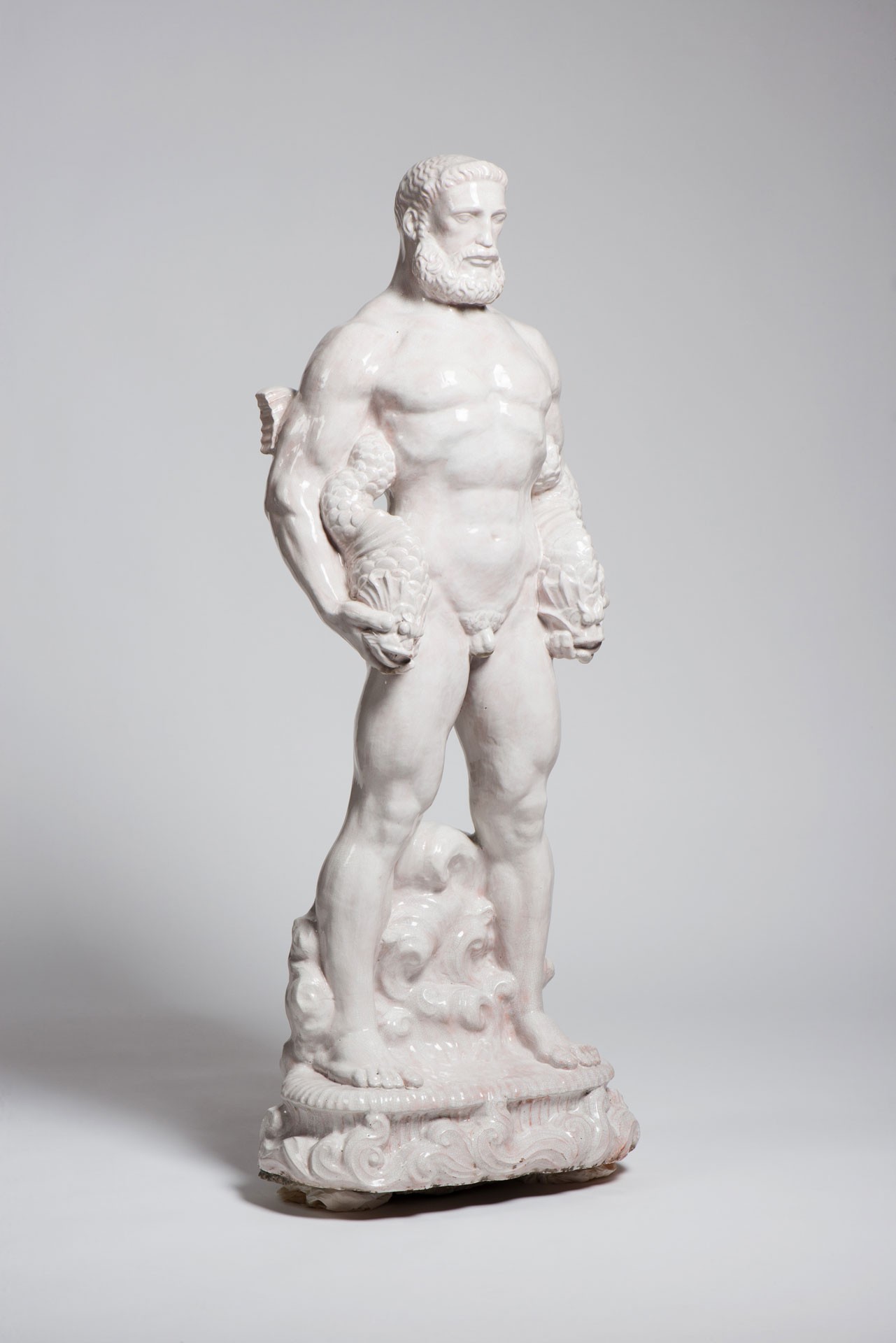
Michael Powolny, Neptun, 1915 Execution: Wienerberger Ceramic, formed, decorated, glazed © MAK/Nathan Murrell
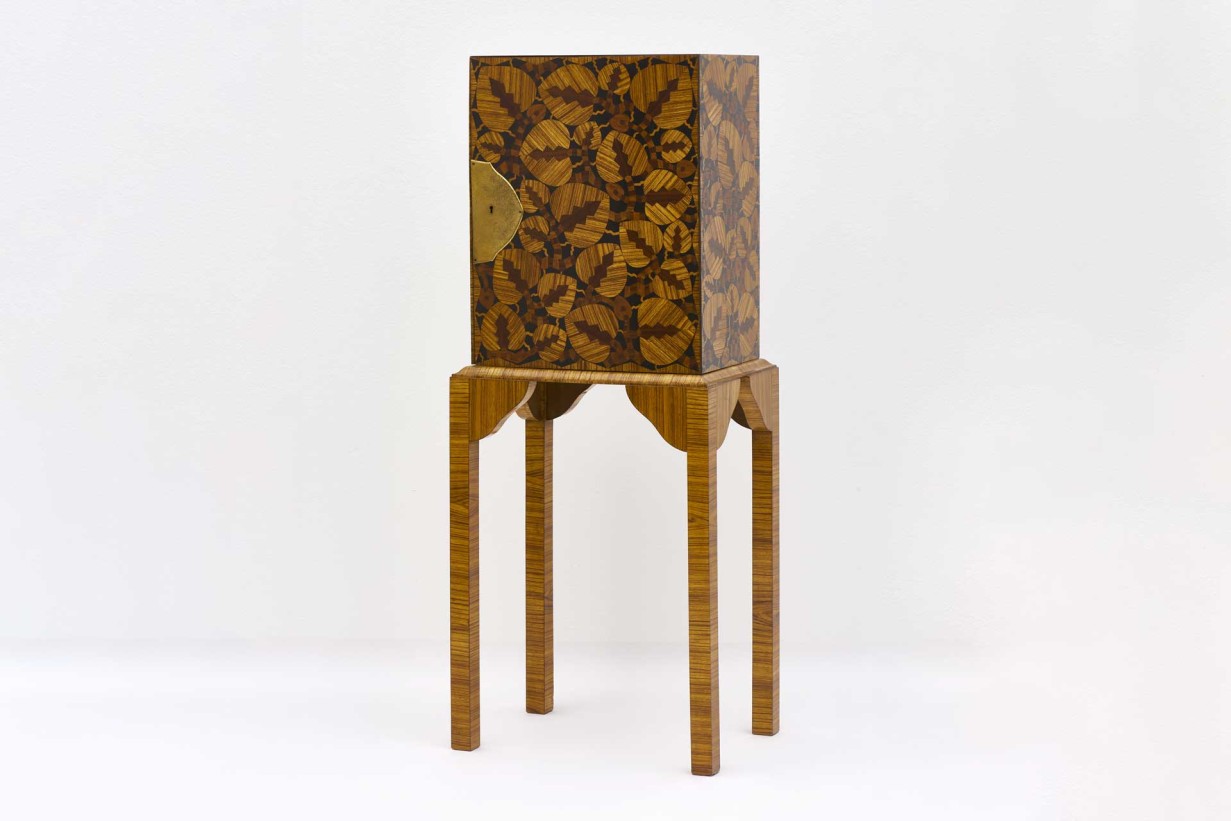
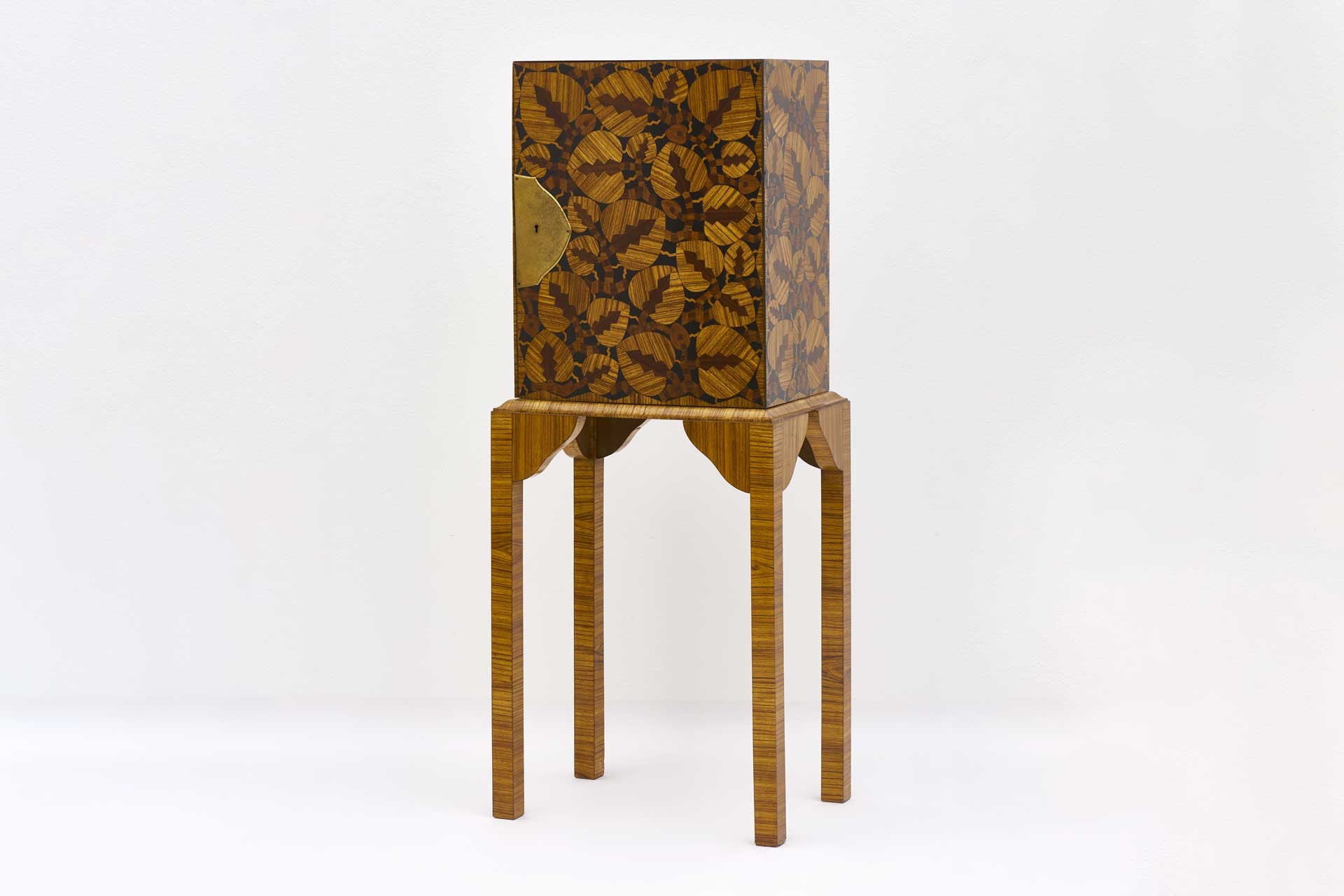
Rose Krenn, cigar cabinet, 1912 Execution: Karl Adolf Franz (marquetry work), Florian Hrabal (cabinetwork) Wood, marquetry of zebra, purpleheart, and black-stained maple wood; brass fitting © MAK/Georg Mayer
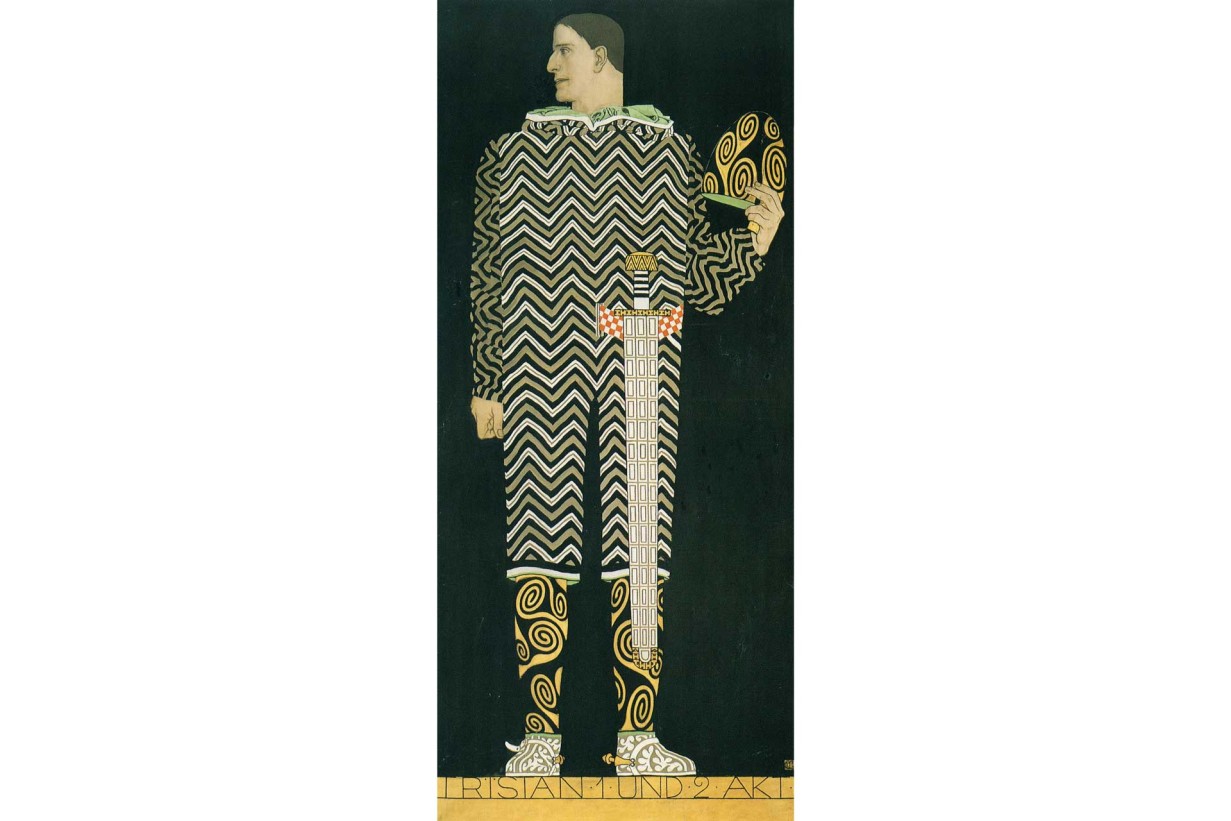
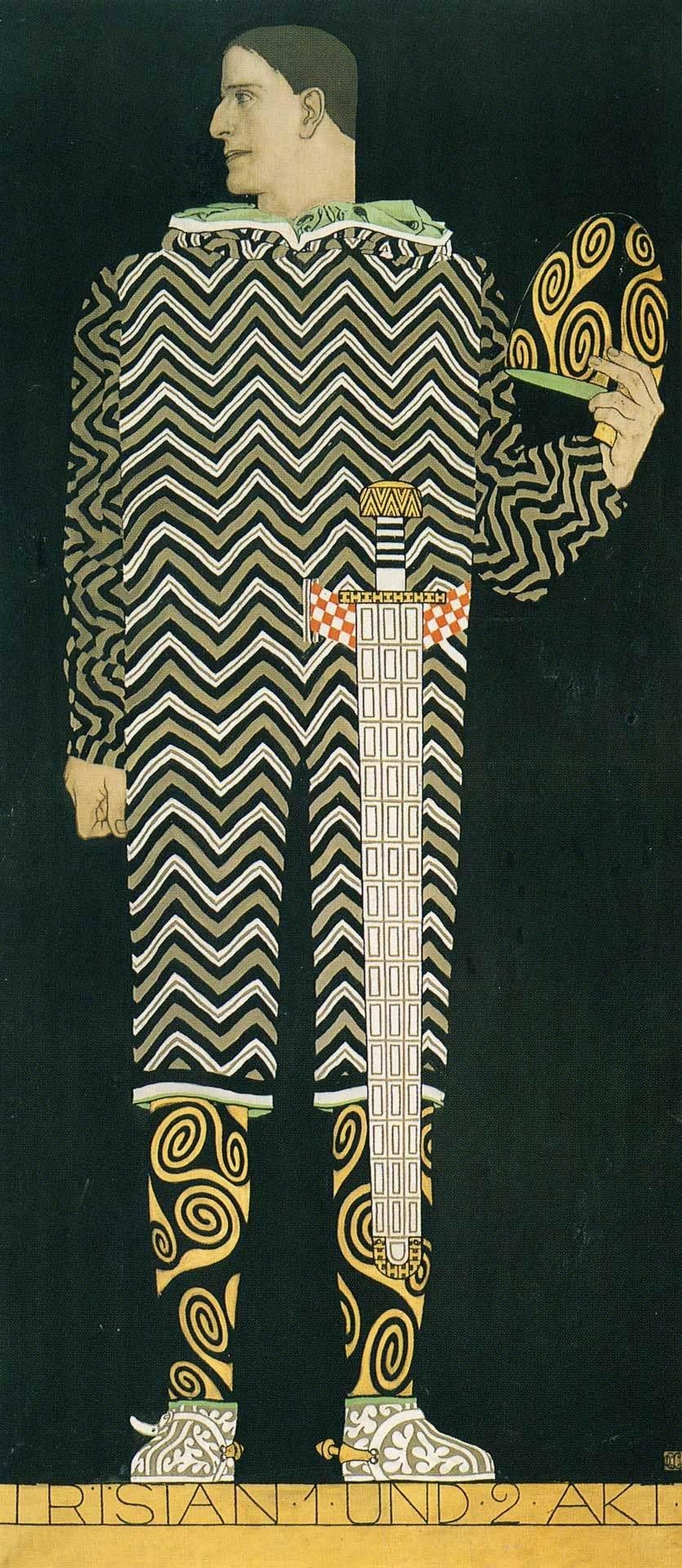
Carl Otto Czeschka, costume sketch for Richard Wagner’s opera Tristan and Isolde: Tristan, 1907 Tempera on paper and canvas © MAK
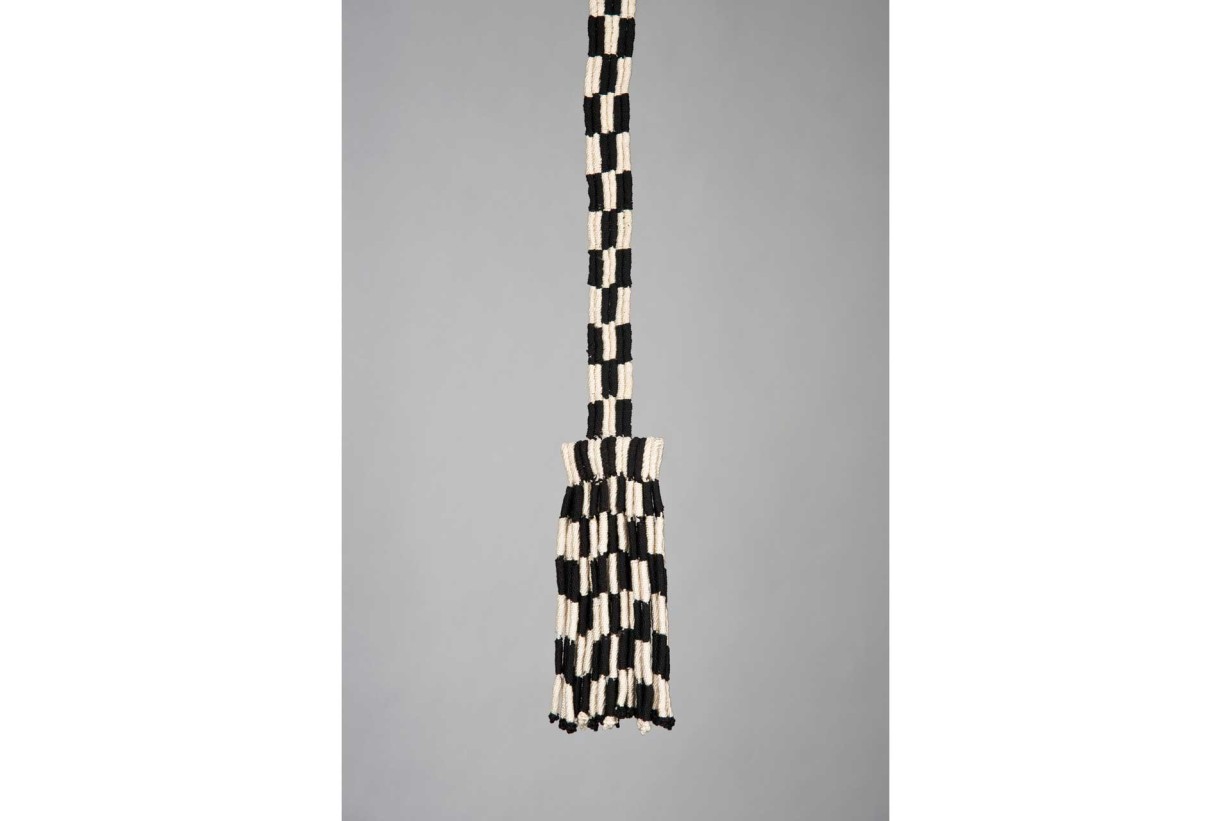
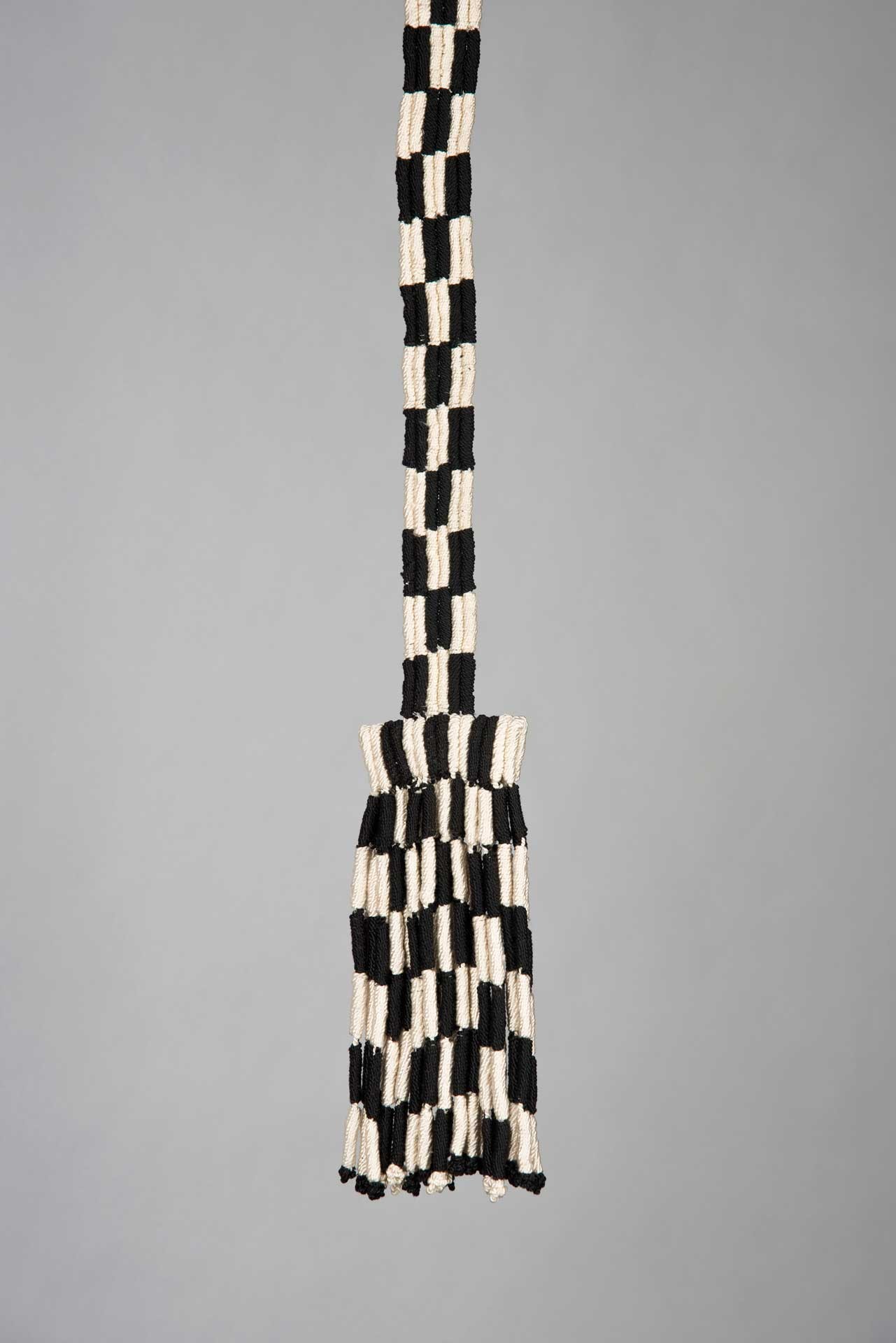
Anton Hofer, tassel, early 20th c. Execution: School of Arts and Crafts of the Imperial Royal Austrian Museum of Art and Industry Silk, cotton, cardboard, trimmings © MAK/Katrin Wißkirchen
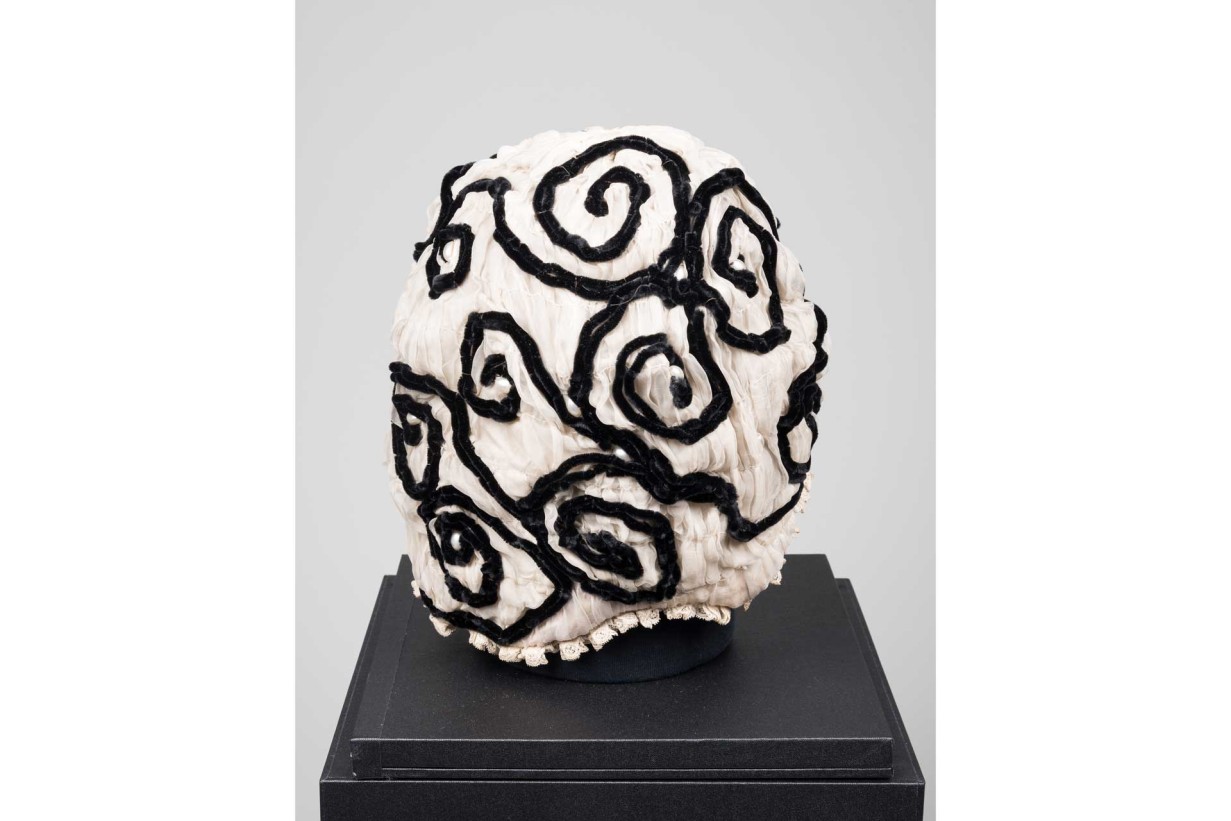
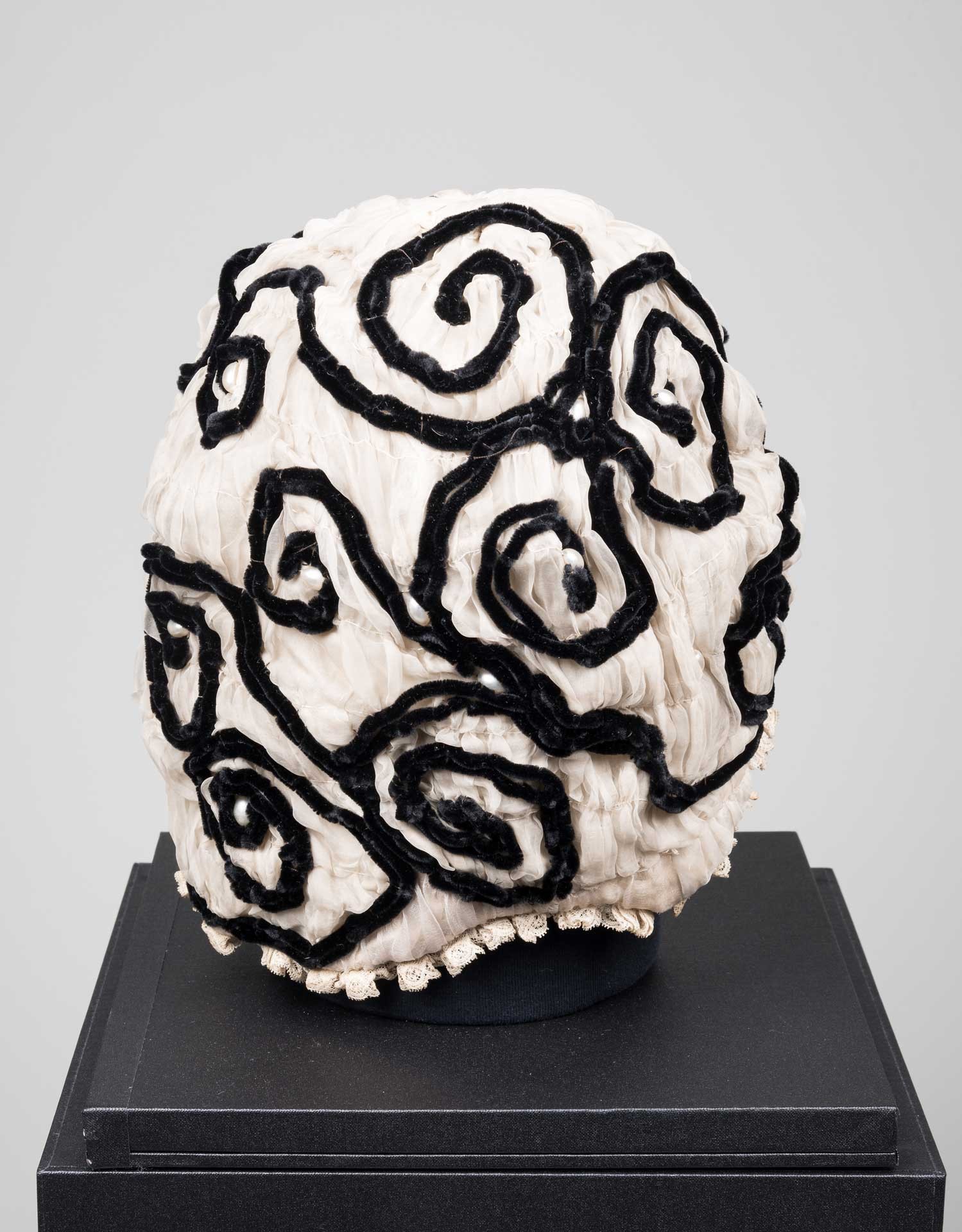
Josef Hoffmann, bonnet, 1900 Execution: Wiener Werkstätte Silk, synthetic fabric, cotton, wire; embroidered, machine lace, sewn © MAK/Katrin Wißkirchen
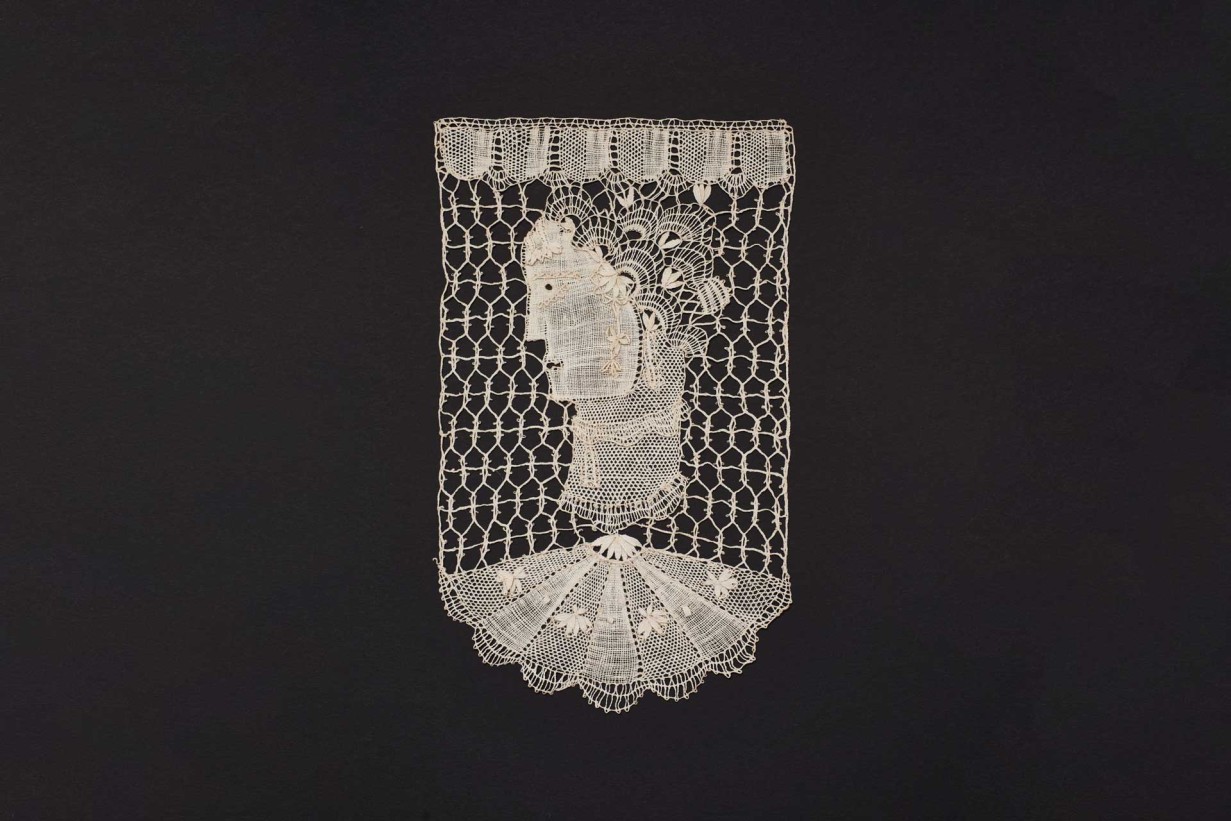
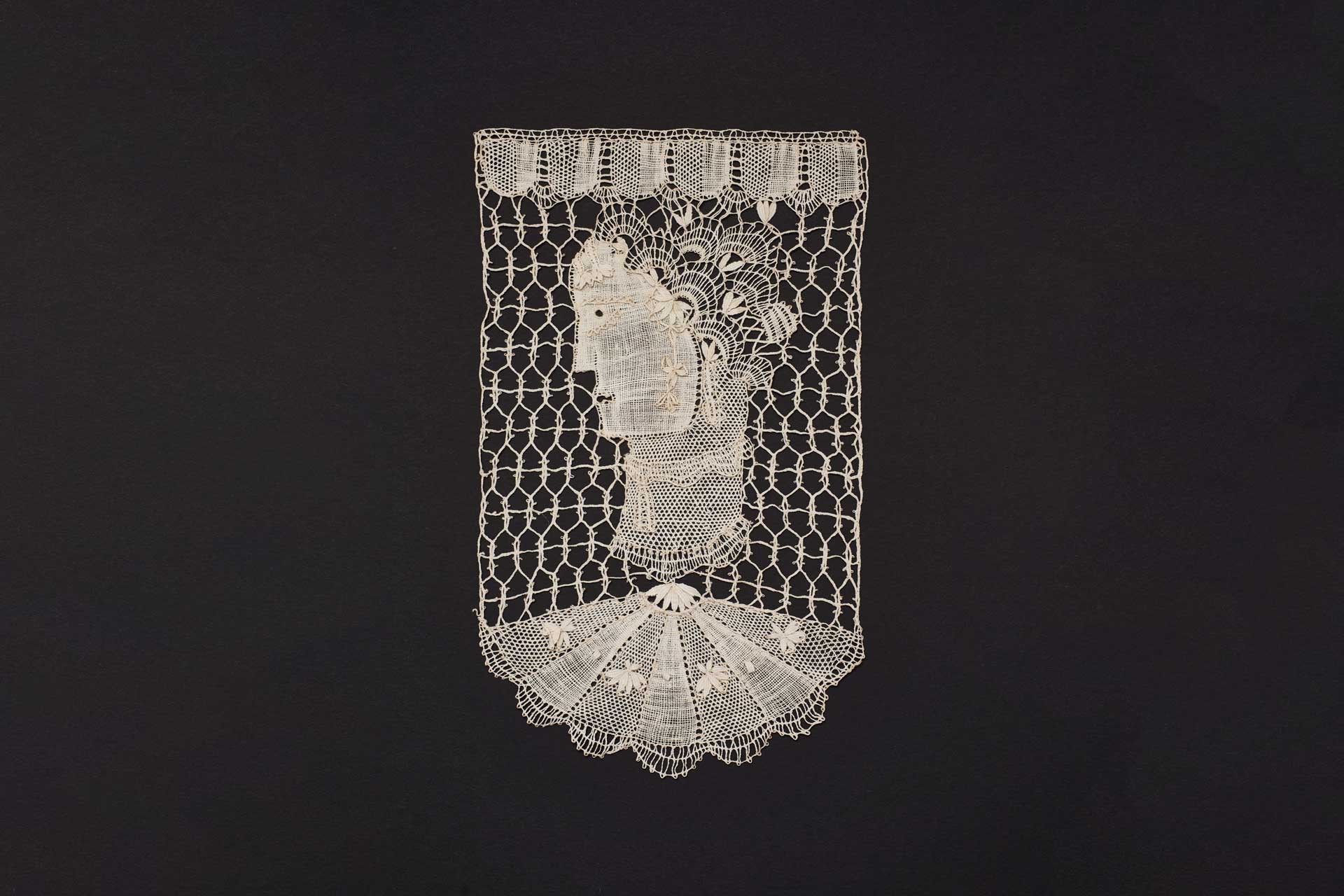
Dagobert Peche, lace trim with face, ca. 1920 Execution: homeworkers (?) for the Wiener Werkstätte Linen, bobbin lace © MAK/Georg Mayer
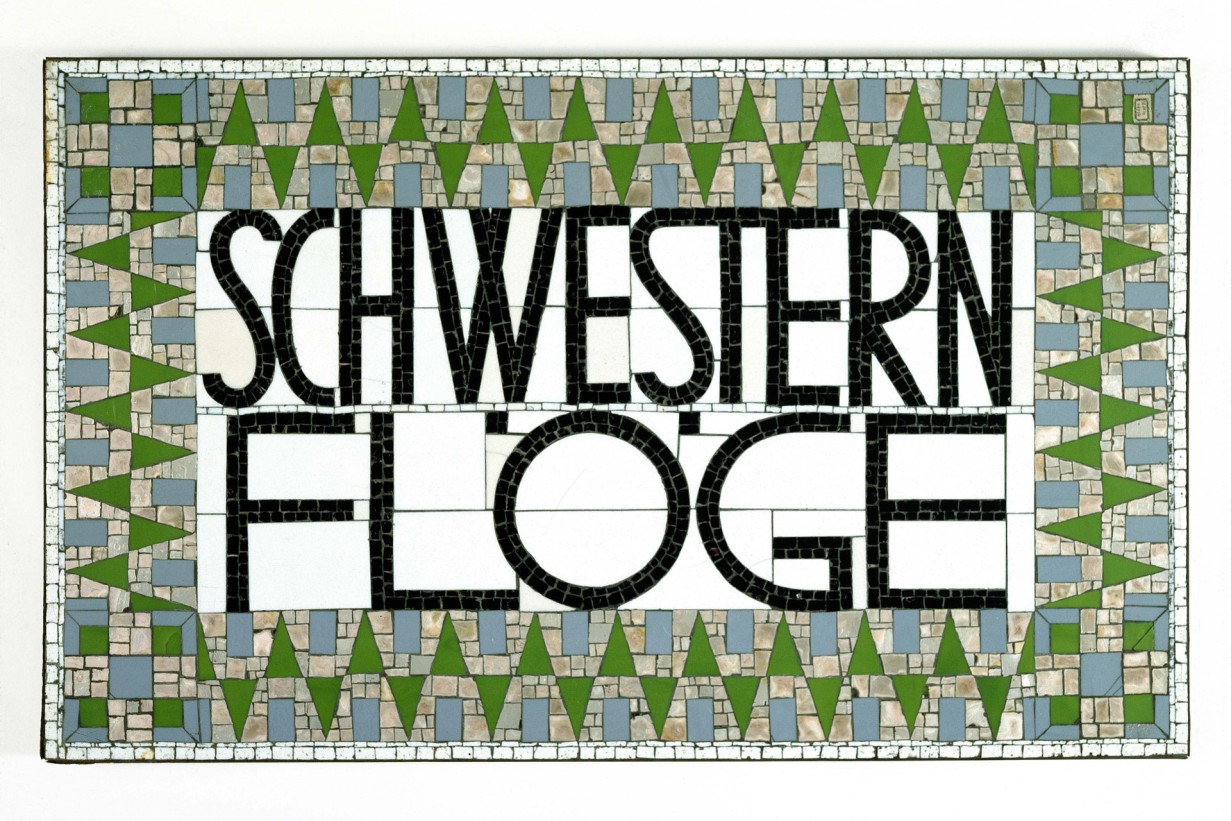
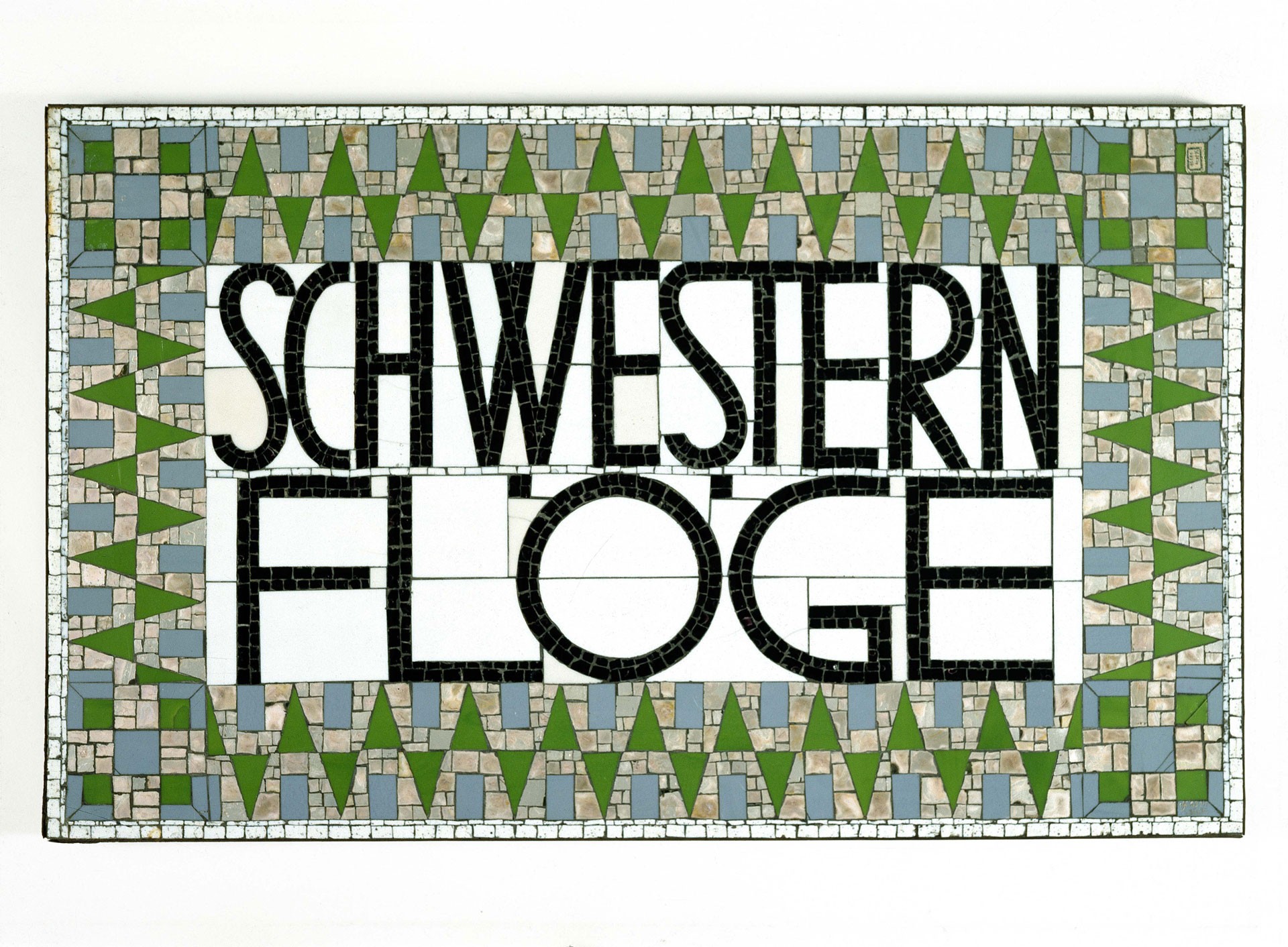
Koloman Moser, glass mosaic, 1904 Execution: Wiener Mosaikwerkstätte Leopold Forstner Glass, mosaic, inlay © MAK/Georg Mayer
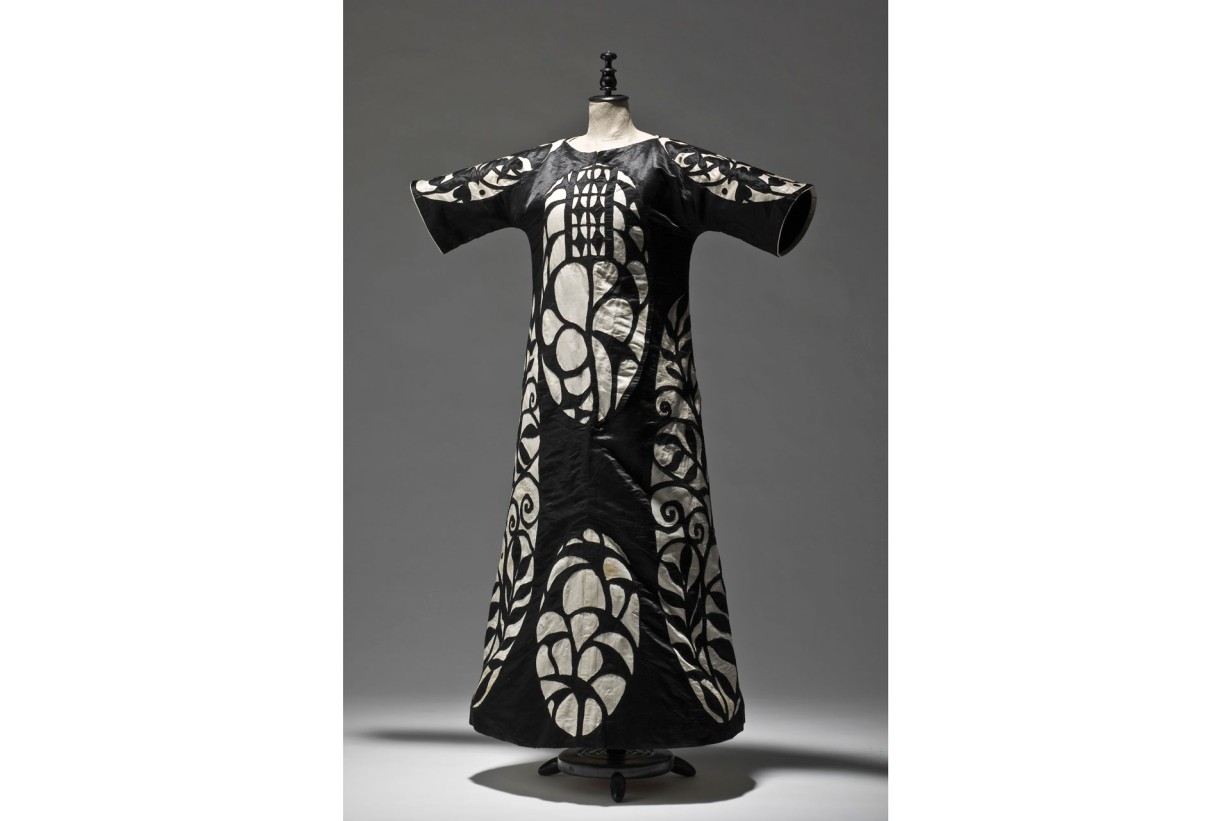
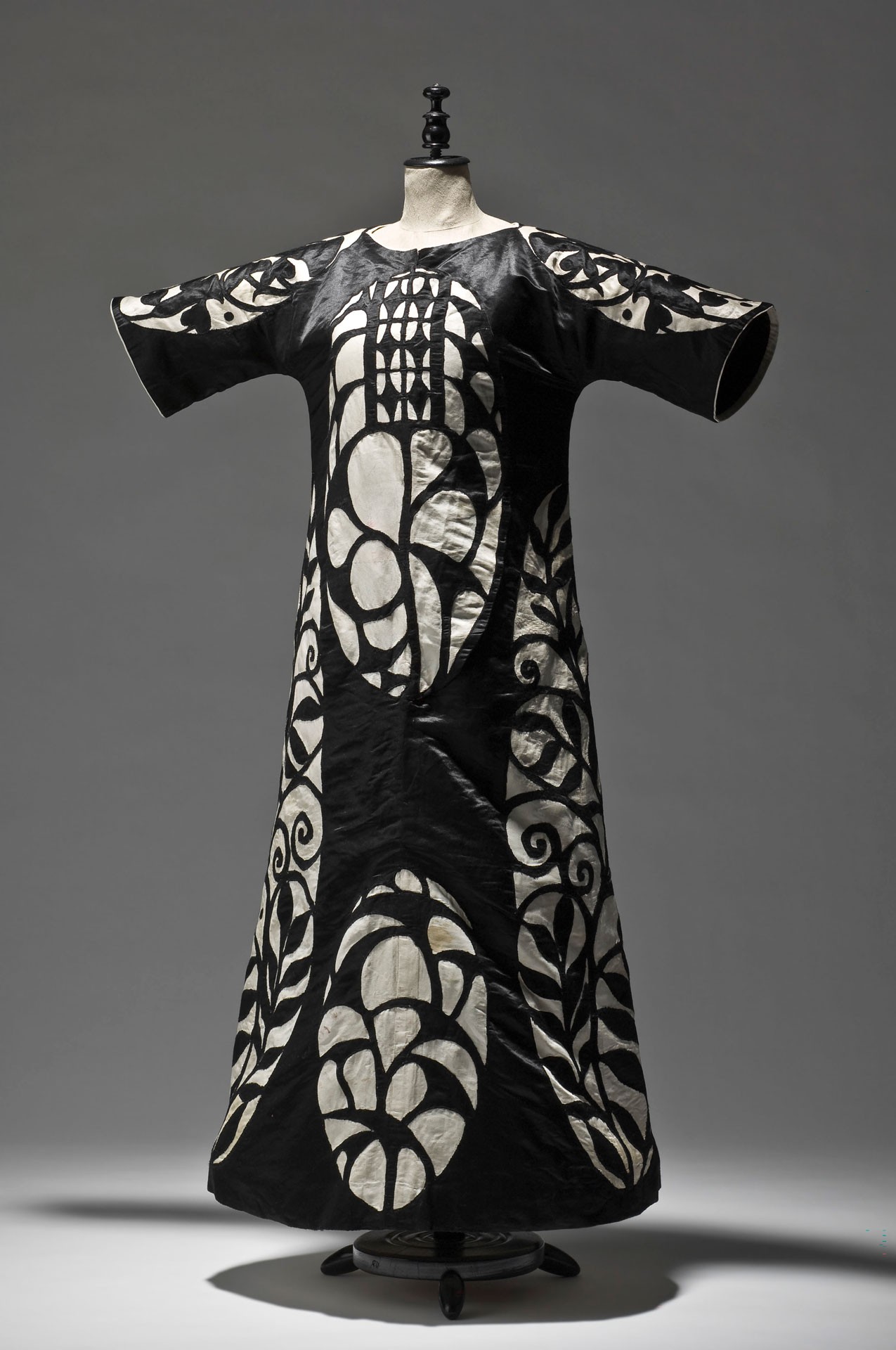
Josef Hoffmann, gown for a masked ball, ca. 1910 Execution: Wiener Werkstätte Silk and cotton, appliqué embroidery © MAK/Georg Mayer