© MAK
Previous Image
Dagobert Peche (1887–1923) caused the formal language of the Wiener Werkstätte (WW) to explode.
11.12.2024—11.5.2025
Lower Exhibition Hall
He responded to the geometry of WW founders Josef Hoffmann and Koloman Moser with opulent designs derived from nature; he bestowed upon everyday objects a complexity that deliberately subverted logic and utility. Peche underpinned his approach theoretically with his book The Burning Bush, in which he called for the “overcoming of utility” in order to achieve a new artistic expression. The trained architect turned to the decorative arts in 1911 and experimented with various materials—silver, glass, ceramics, leather, and paper. He designed jewelry, furniture, and exhibition displays as well as sensational fabric and wallpaper patterns.
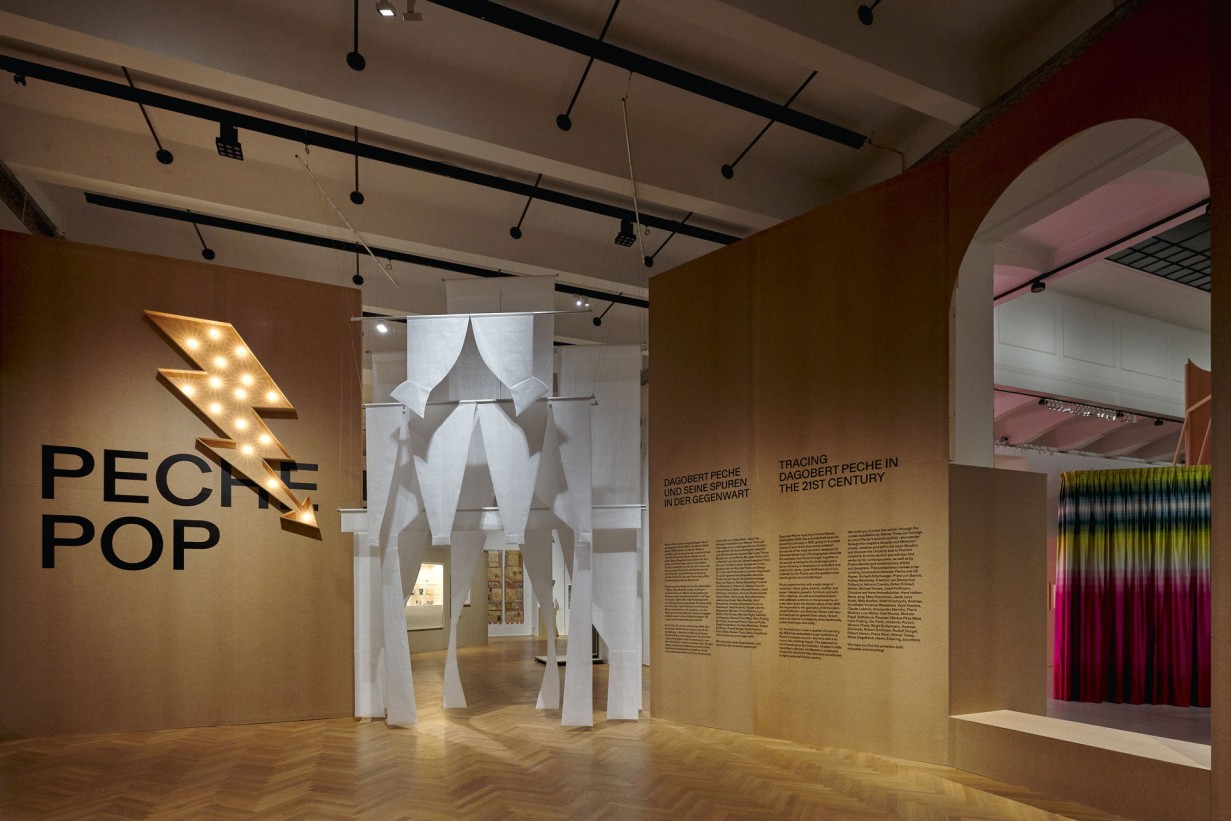
After more than 25 years, the MAK is once again dedicating a major exhibition to the “enfant terrible” of the Wiener Werkstätte. PECHE POP shows the fascinating impact that Peche’s work had and still has on 20th and 21st century design: from the Art Deco style to postmodernism and the present day. As early as the 1920s/30s, there were a number of Peche epignones who mainly reproduced individual motifs.
After more than 25 years, the MAK is once again dedicating a major exhibition to the “enfant terrible” of the Wiener Werkstätte. PECHE POP shows the fascinating impact that Peche’s work had and still has on 20th and 21st century design: from the Art Deco style to postmodernism and the present day. As early as the 1920s/30s, there were a number of Peche epignones who mainly reproduced individual motifs.
The exhibition will be accompanied by the publication PECHE POP: Tracing Dagobert Peche in the 21st Century, edited by Lilli Hollein, Anne-Katrin Rossberg, and Claudia Cavallar, with texts by Claudia Cavallar, Brigitte Felderer, Rainald Franz, Sebastian Hackenschmidt, Lilli Hollein, Gabriele Kaiser, Kathrin Pokorny-Nagel, Anne-Katrin Rossberg, Nikolaus Schaffer, Janis Staggs, and Lara Steinhäußer. German/English, 304 pages with numerous color illustrations. MAK, Vienna/Verlag der Buchhandlung Walther und Franz König, Cologne 2024. Available at the MAK Design Shop and via MAKdesignshop.at for € 55.
Guided tours take place every Sunday at 2.30 pm (in German).
The audio guide for the PECHE POP exhibition is available free of charge at guide.MAK.at
.
.
© MAK
© MAK
© MAK
© MAK
© MAK
© MAK
© MAK
© MAK
© MAK
© MAK
© MAK
© MAK
© MAK
© MAK/Kristina Wissik
© Michal Kosakowski
© MAK/Christian Mendez
© MAK/Christian Mendez
© MAK/Christian Mendez
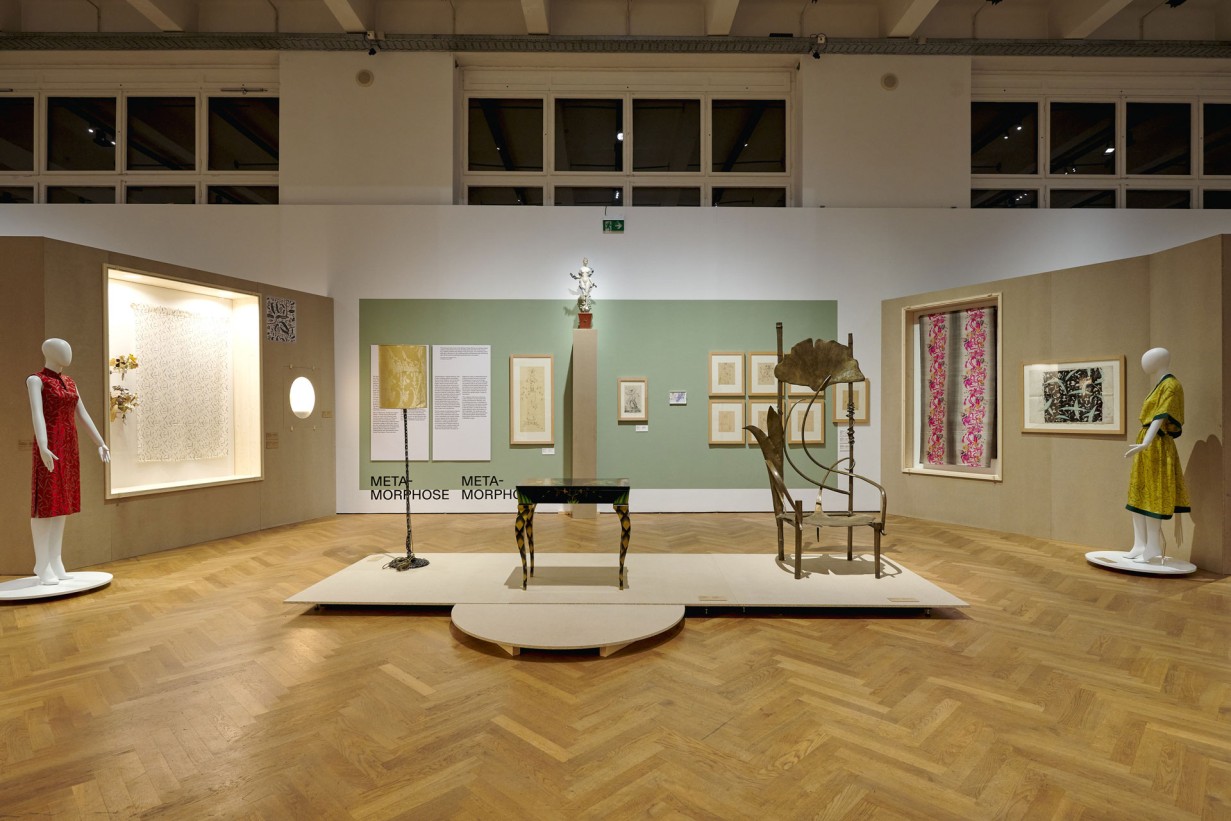
© MAK/Christian Mendez
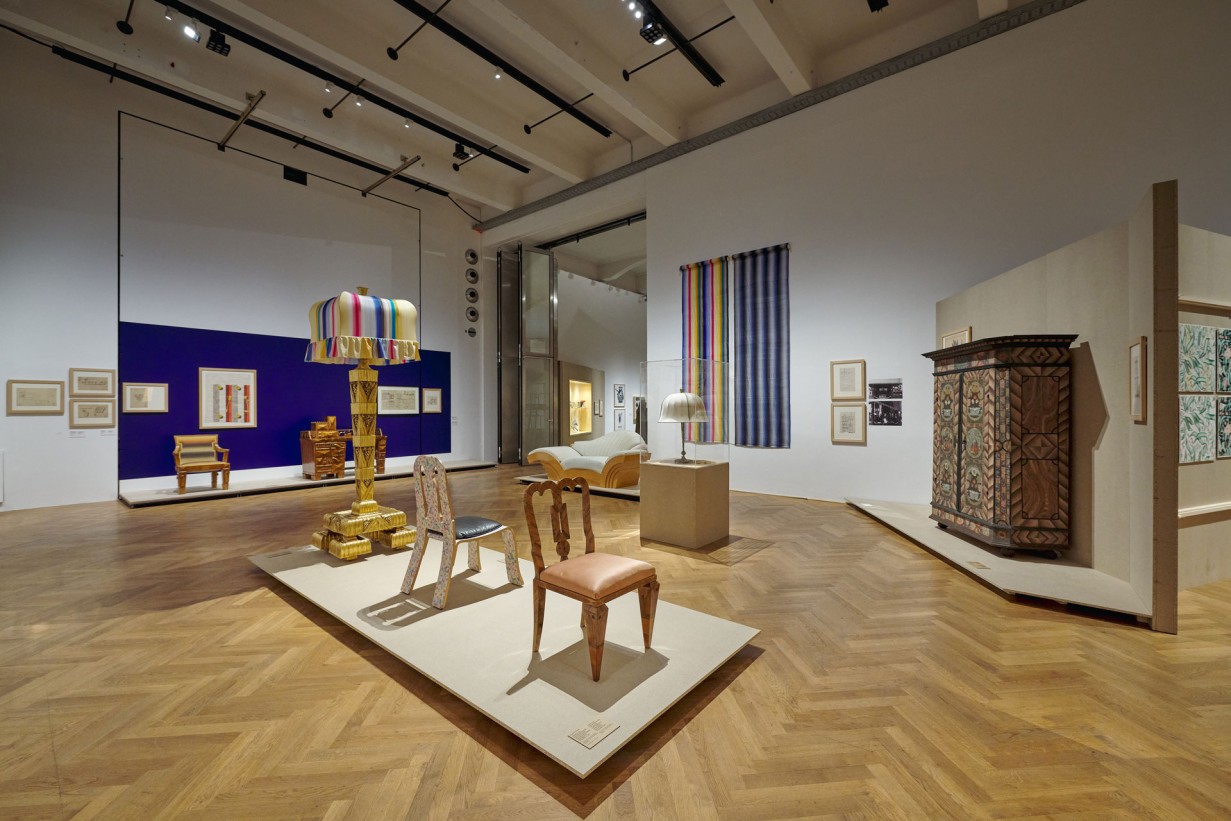
© MAK/Christian Mendez
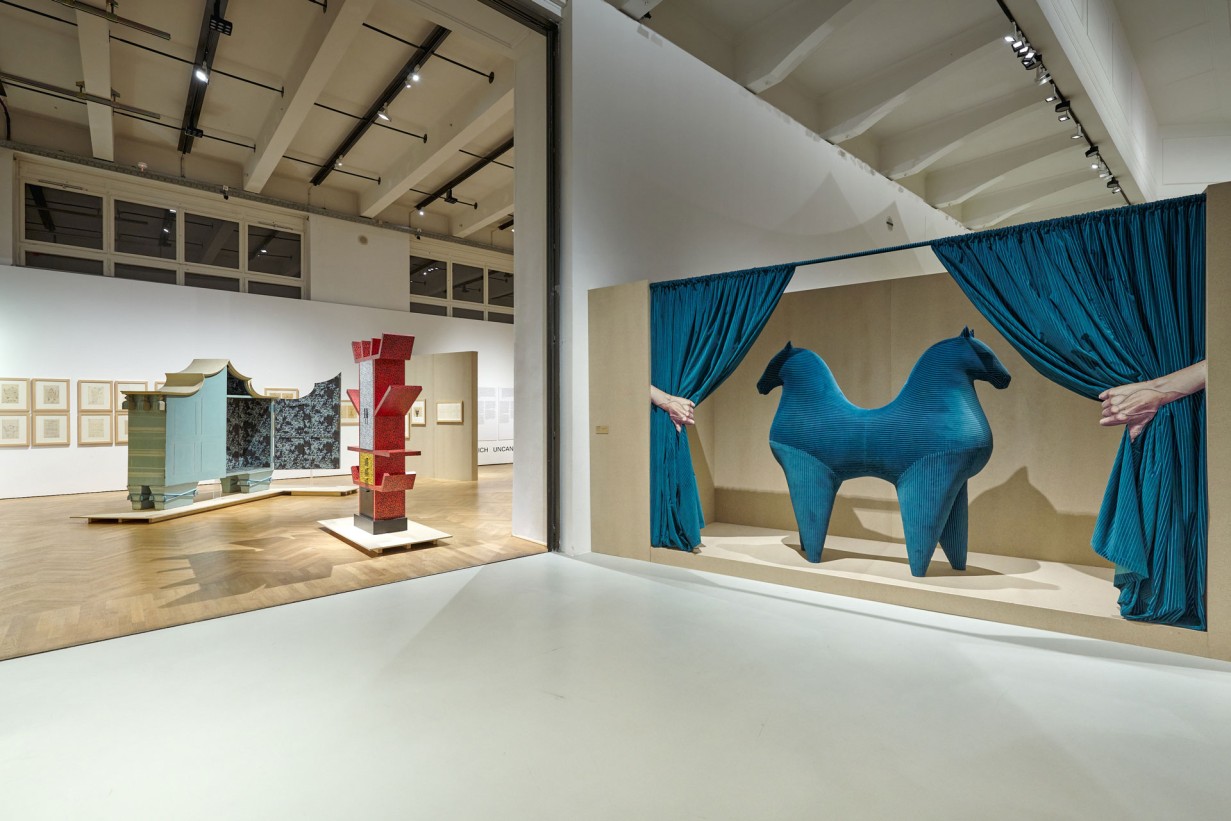
© MAK/Christian Mendez
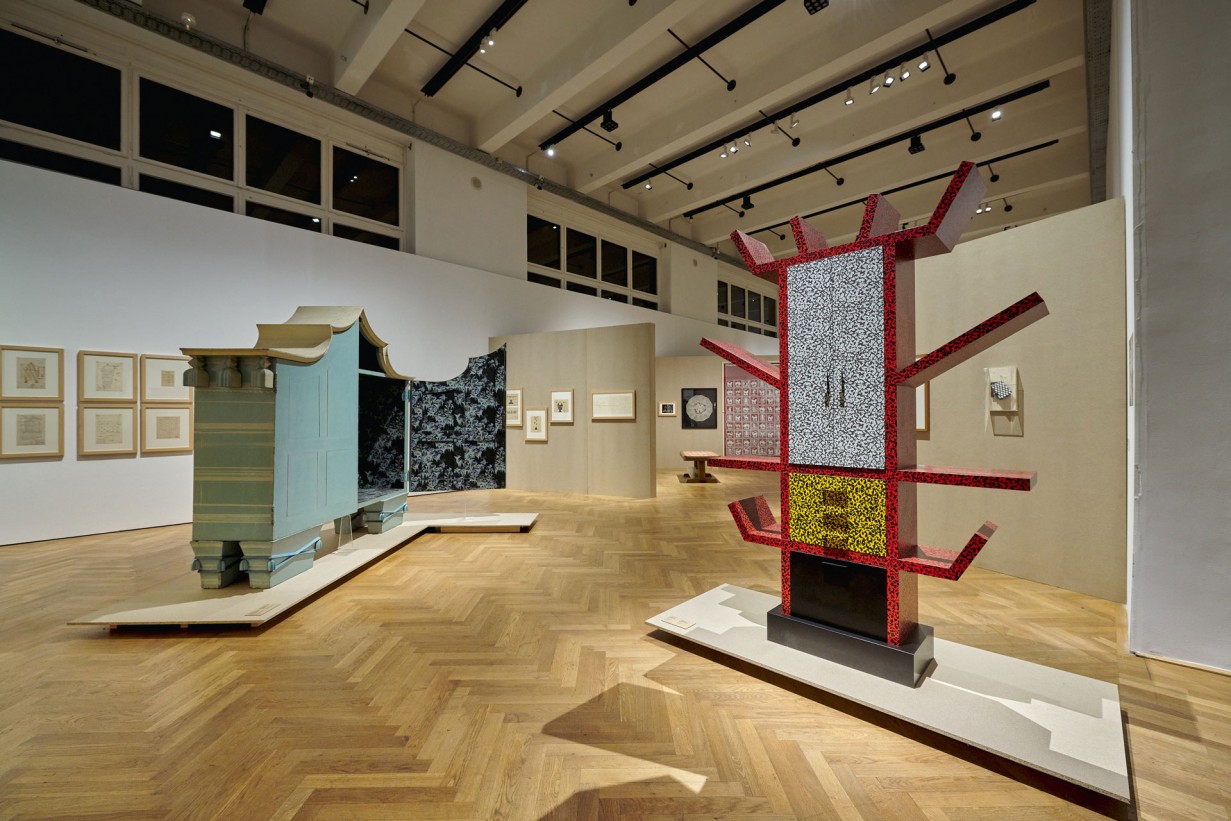
© MAK/Christian Mendez
Previous Image
These lacked an understanding of the complex oeuvre that was based on a preoccupation with Rococoand Classicism, Salzburg customs, and the art of Aubrey Beardsley and that repeatedly varied the theme of “metamorphosis” (the myth of Daphne, who transformed into a laurel tree, was one of Peche’s favorite themes). Postmodernism connects with the “artist-craftsman” (according to his biographer Max Eisler) through the wit, narrative, and playfulness of the objects, while the present is also dedicated to the uncanny and bizarre aspects of his work.
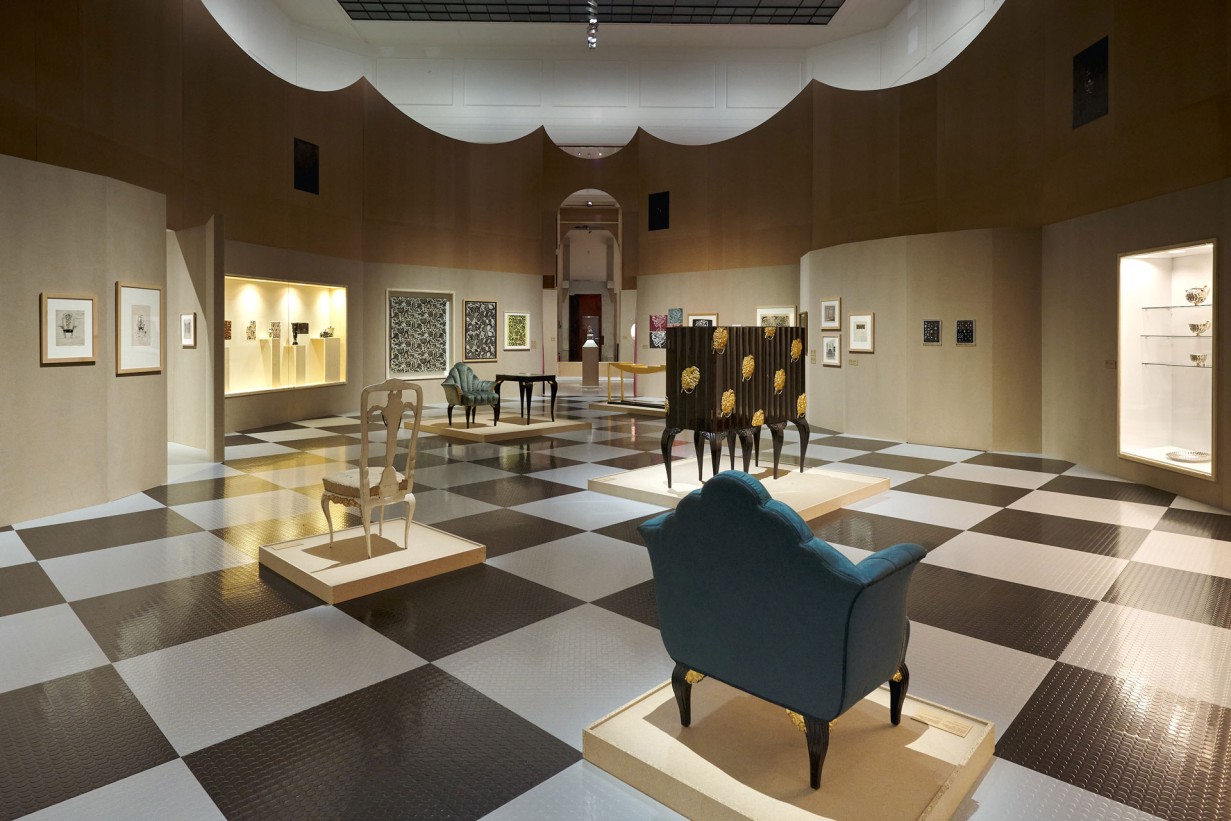
The exhibition’s accompanying catalog also deals with the “stageability” of Peche’s works, which can be found in various Hollywood film sets. The texts delve deeper into the search for clues in the exhibition, which includes around 800 objects.
GUEST CURATOR
Claudia Cavallar
MAK CURATOR
Anne-Katrin Rossberg, Curator, MAK Metal Collection and Wiener Werkstätte Archive
RESEARCH ASSOCIATE
Michael Hölters
EXHIBITION DESIGN
Claudia Cavallar, Lukas Lederer
GRAPHIC DESIGN
Bueronardin
TRANSLATIONS
Maria Slater
Main Sponsors



Media Partner

The exhibition’s accompanying catalog also deals with the “stageability” of Peche’s works, which can be found in various Hollywood film sets. The texts delve deeper into the search for clues in the exhibition, which includes around 800 objects.
GUEST CURATOR
Claudia Cavallar
MAK CURATOR
Anne-Katrin Rossberg, Curator, MAK Metal Collection and Wiener Werkstätte Archive
RESEARCH ASSOCIATE
Michael Hölters
EXHIBITION DESIGN
Claudia Cavallar, Lukas Lederer
GRAPHIC DESIGN
Bueronardin
TRANSLATIONS
Maria Slater
Main Sponsors
Media Partner
Media
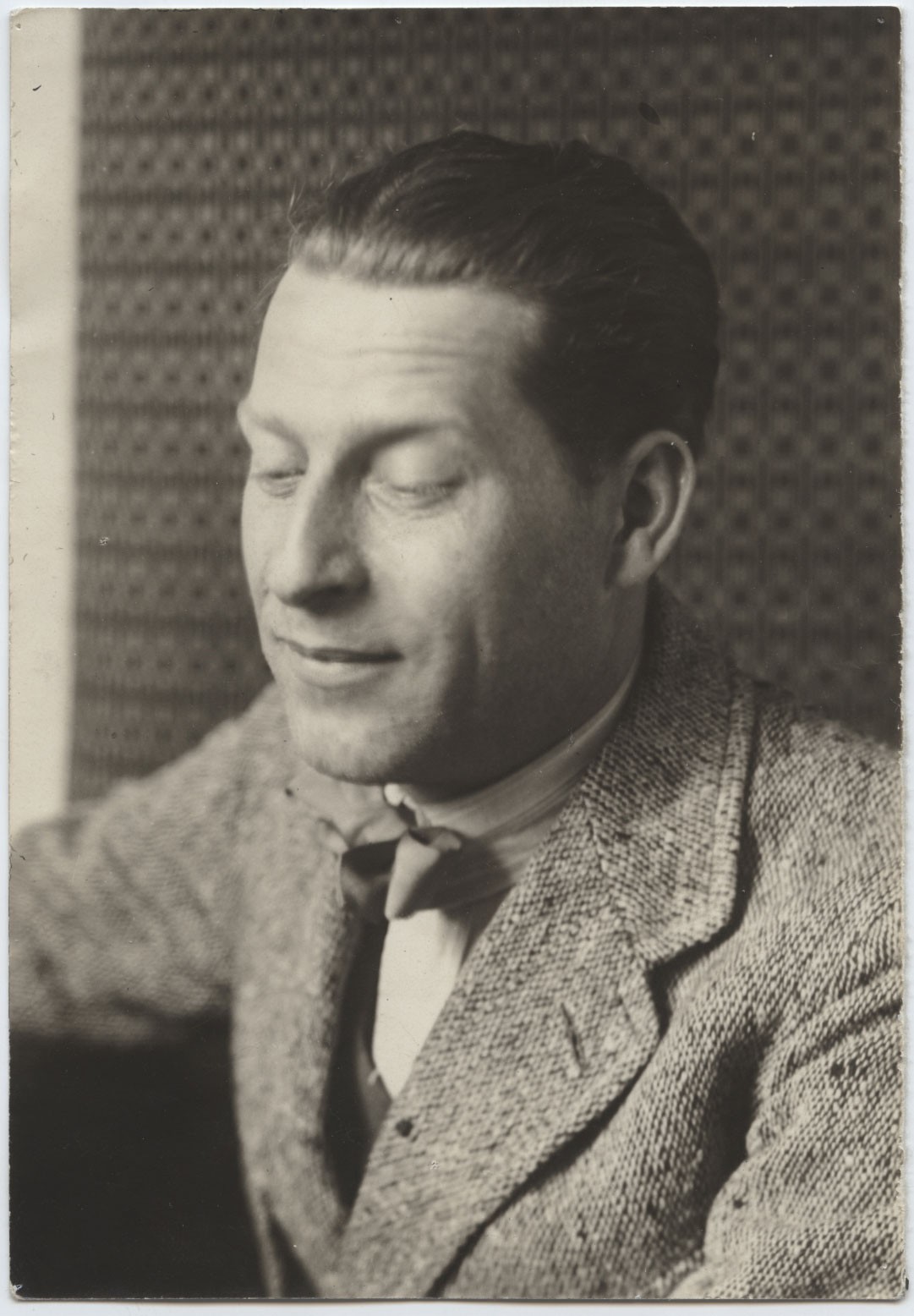
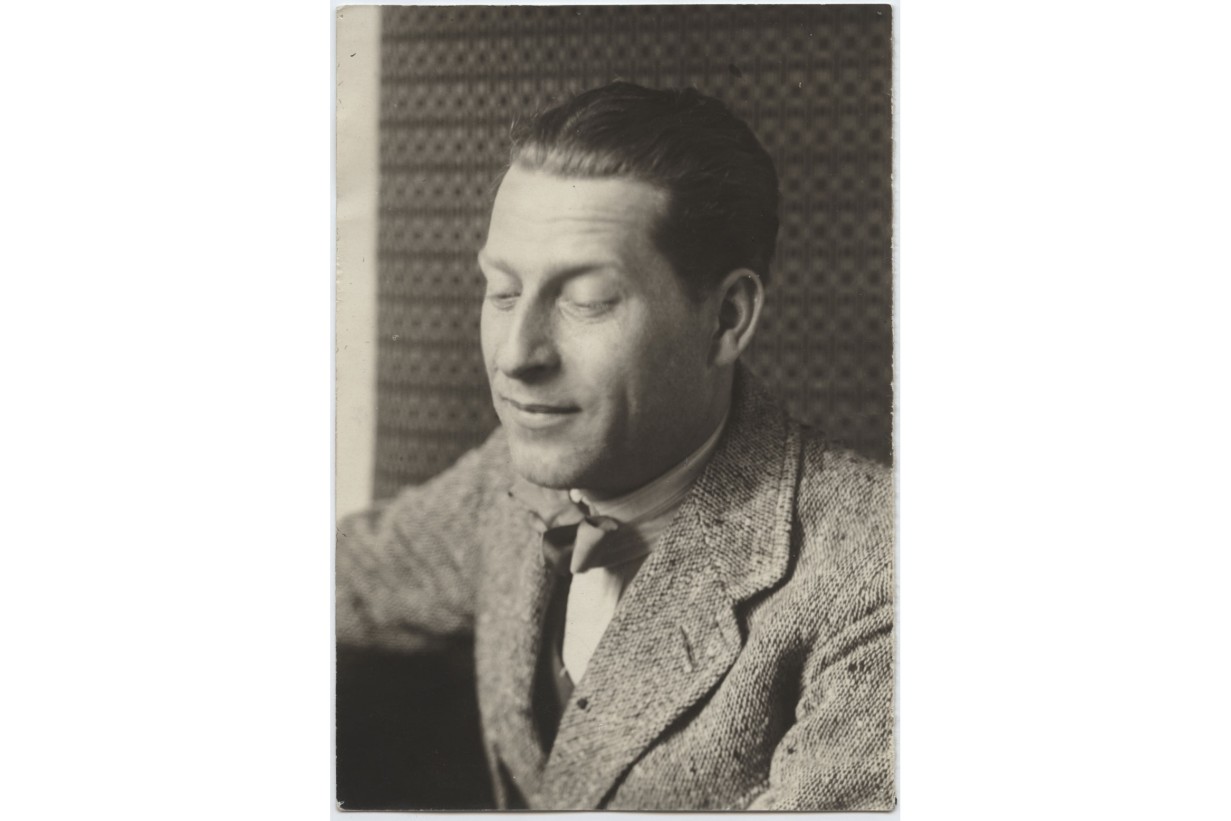
Dagobert Peche, Portrait, 1920 Gelatin silver print MAK, KI 15241-9 © MAK
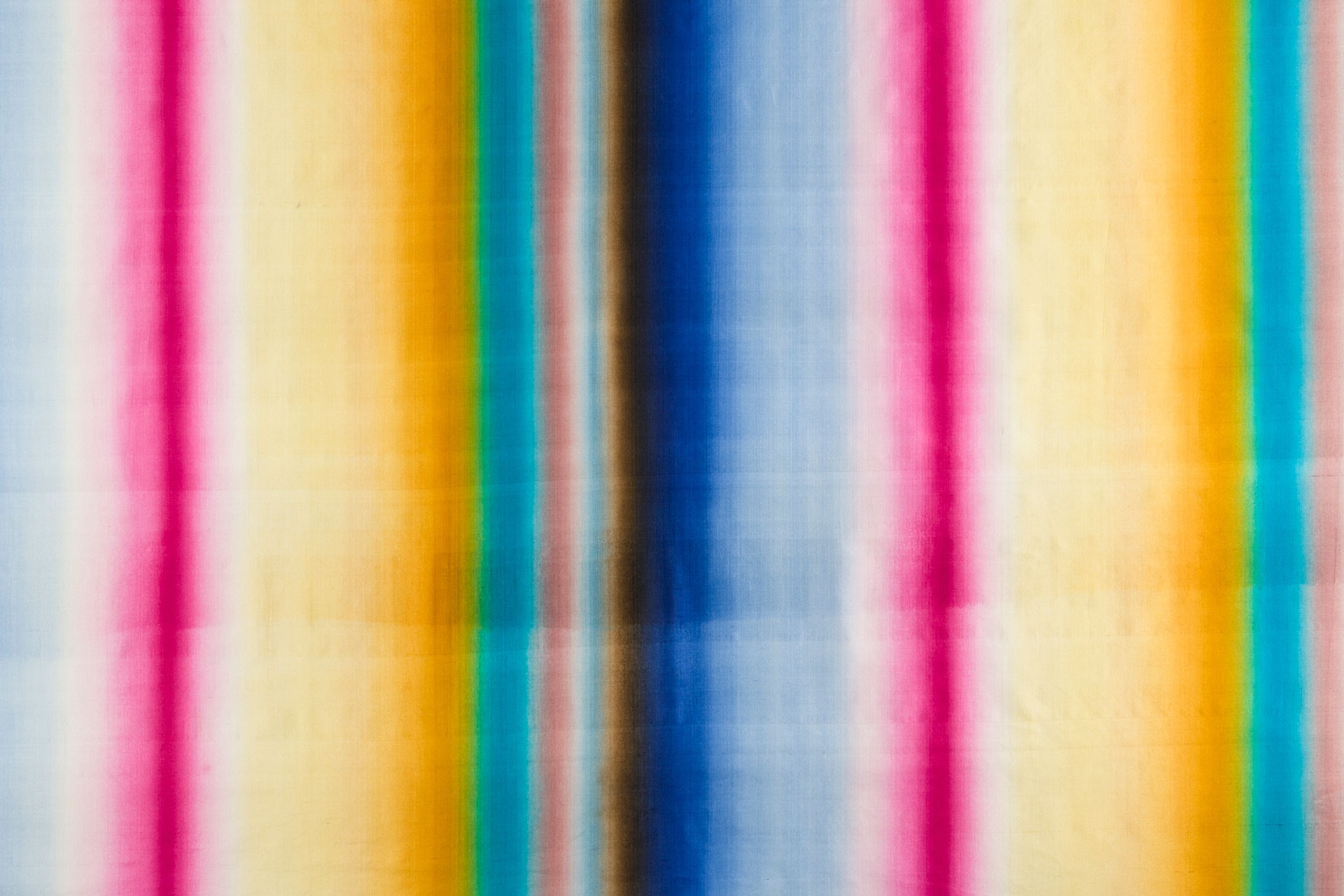
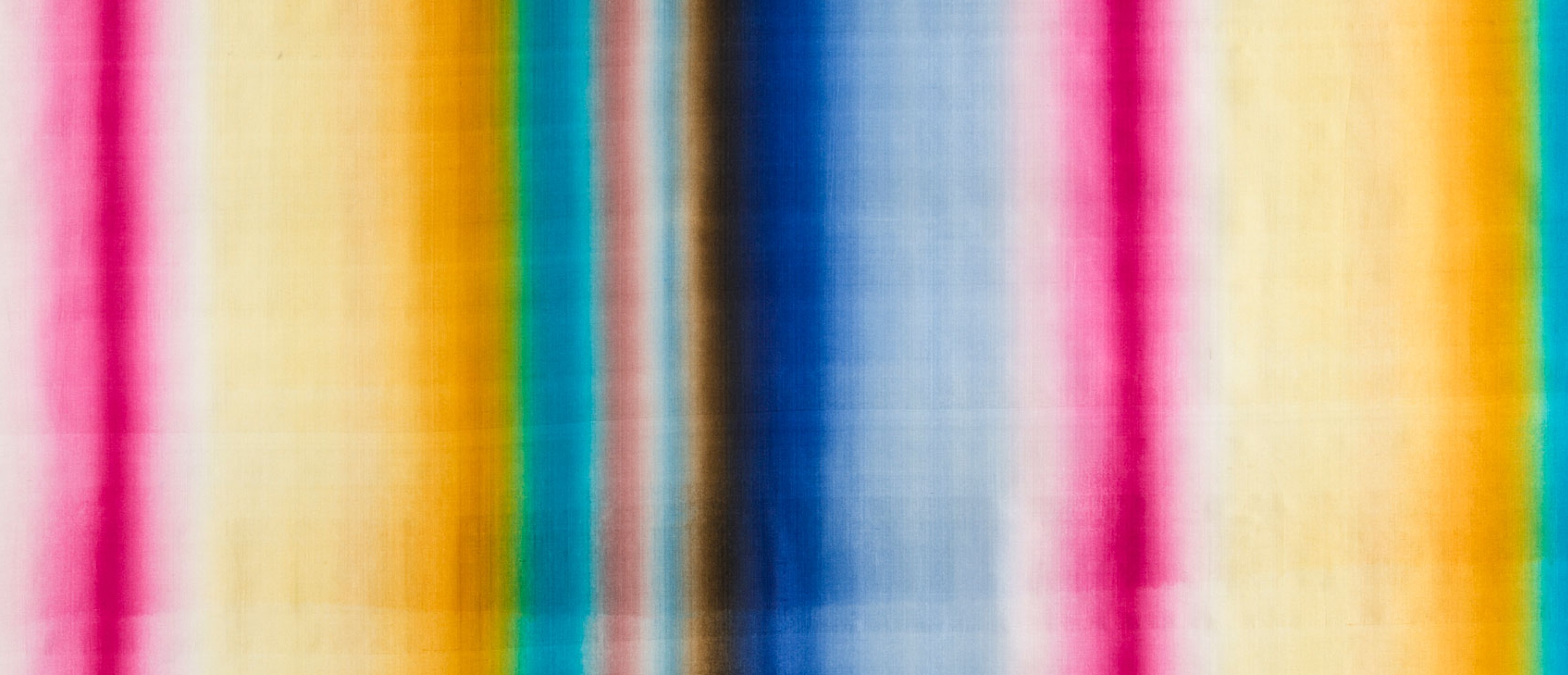
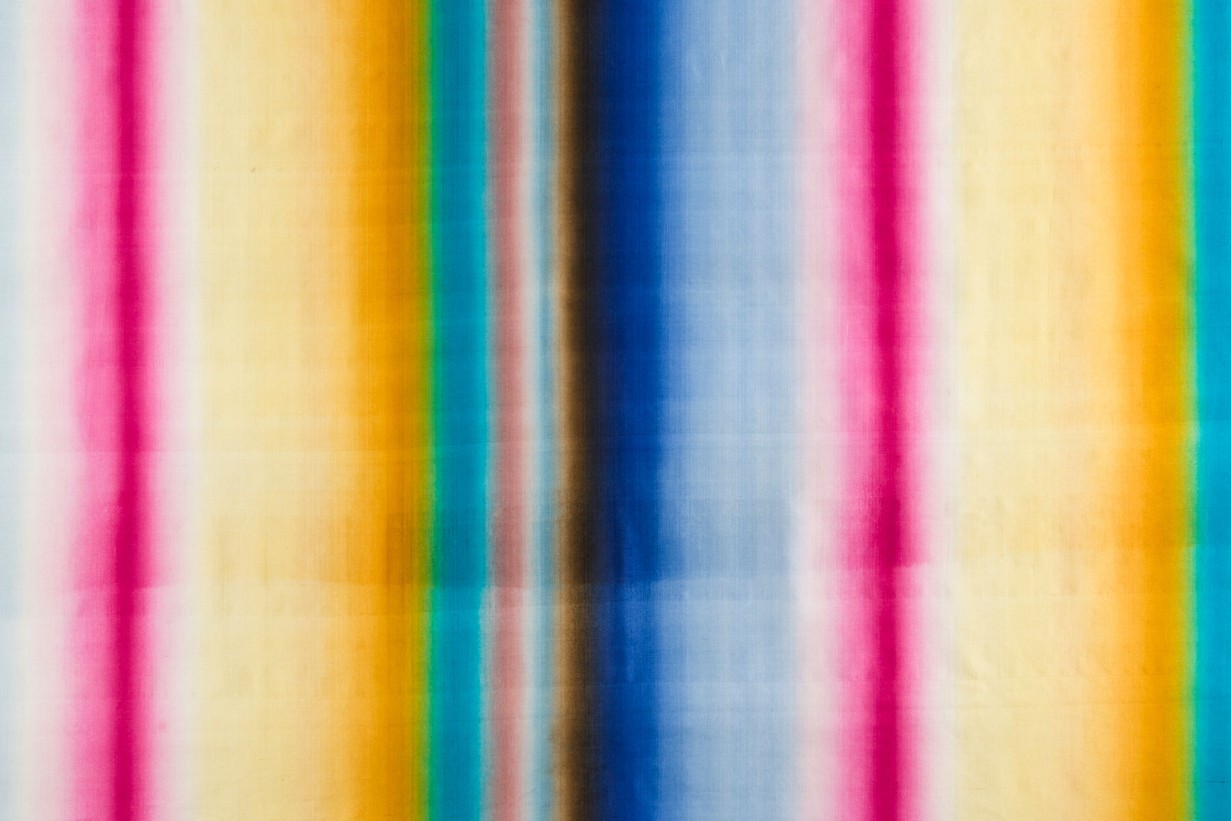
Dagobert Peche, bolt of fabric Regenbogen [Rainbow], 1919 Silk, printed MAK, T 8605 © MAK
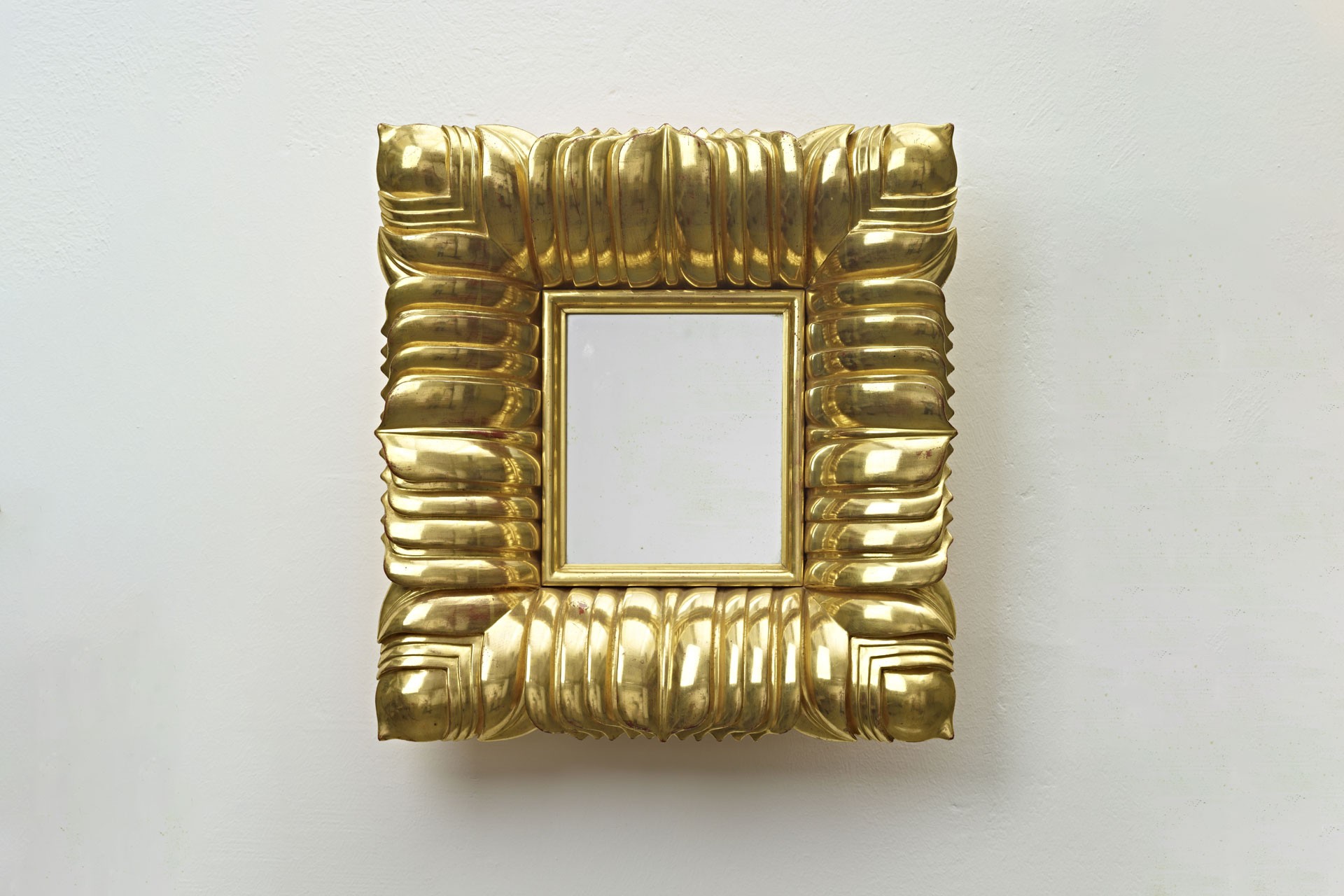
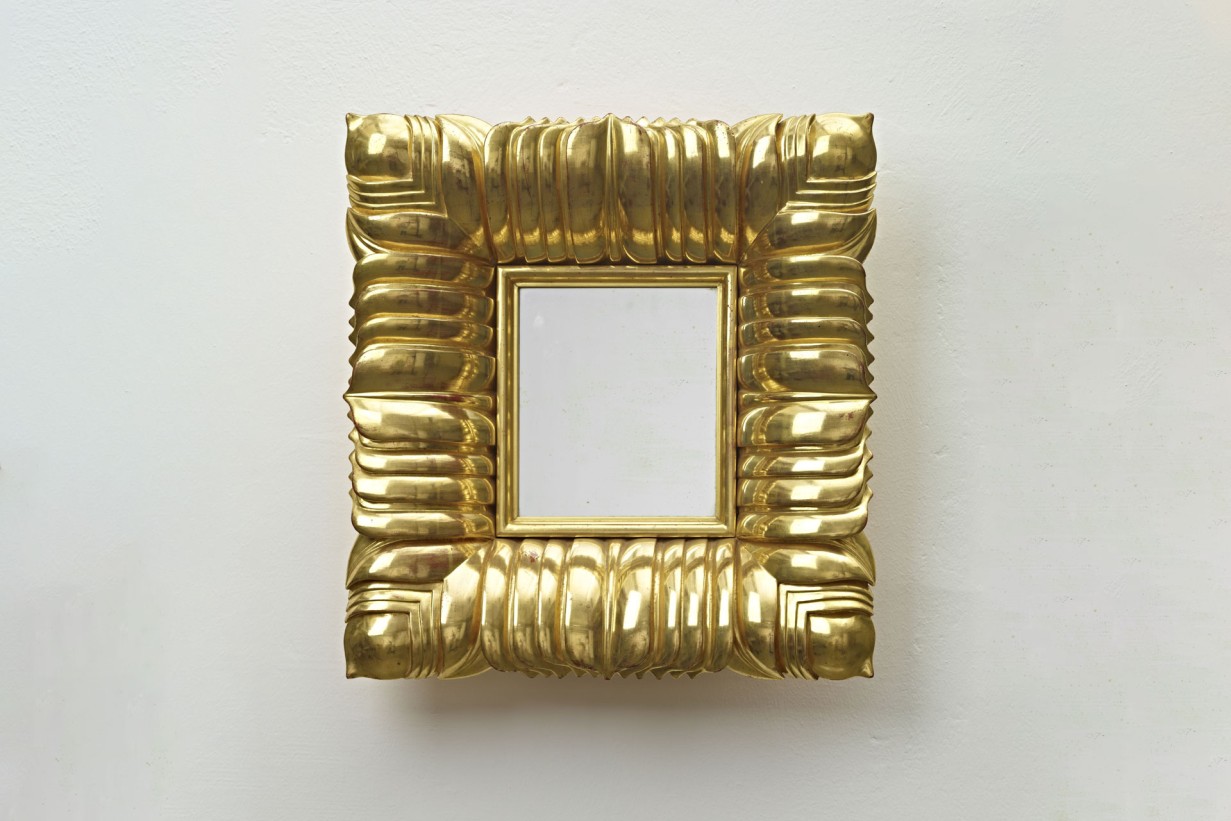
Dagobert Peche, mirror frame, 1922 Execution: Max Welz Limewood, carved, gilt; plate glass MAK, H 1686 © MAK
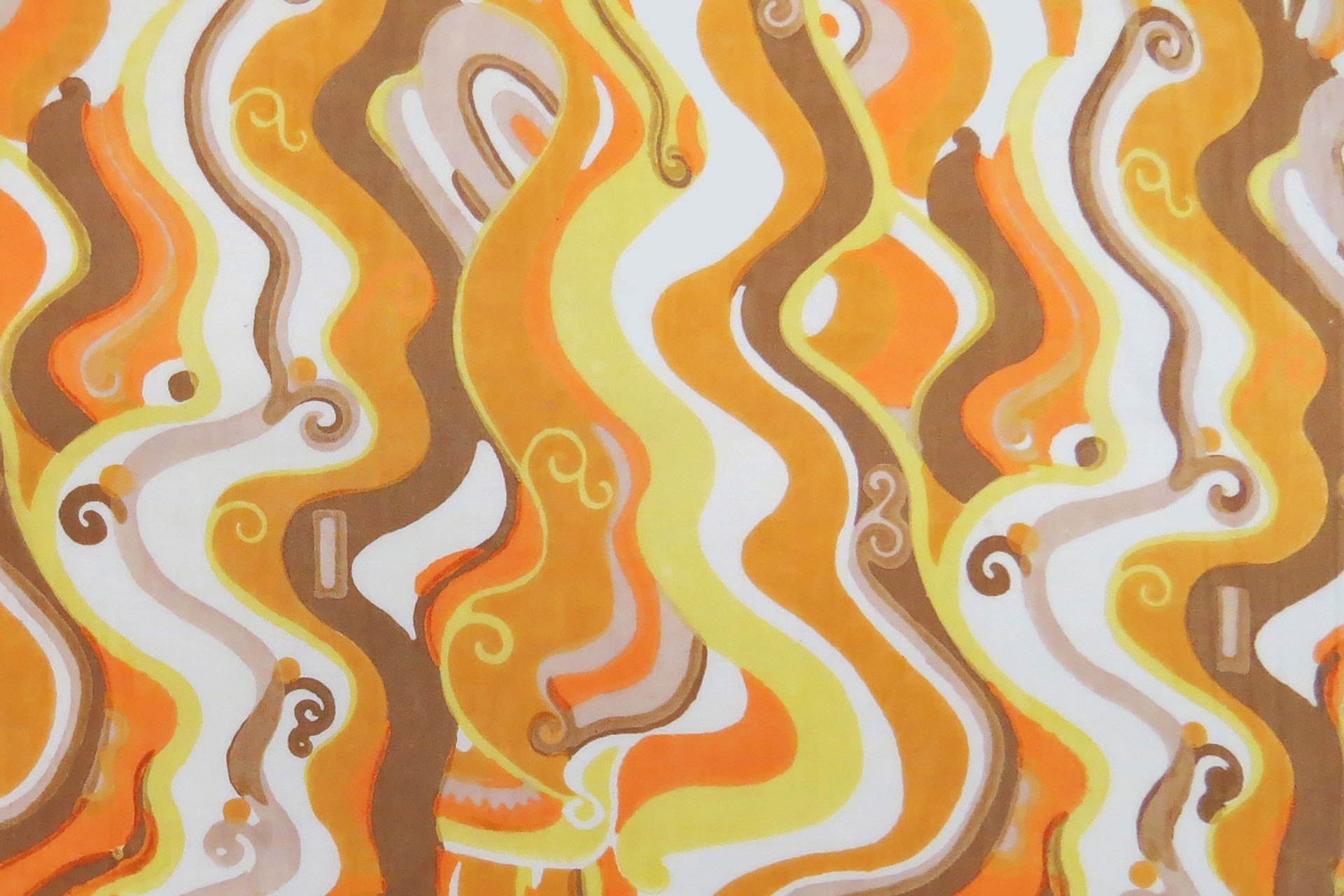
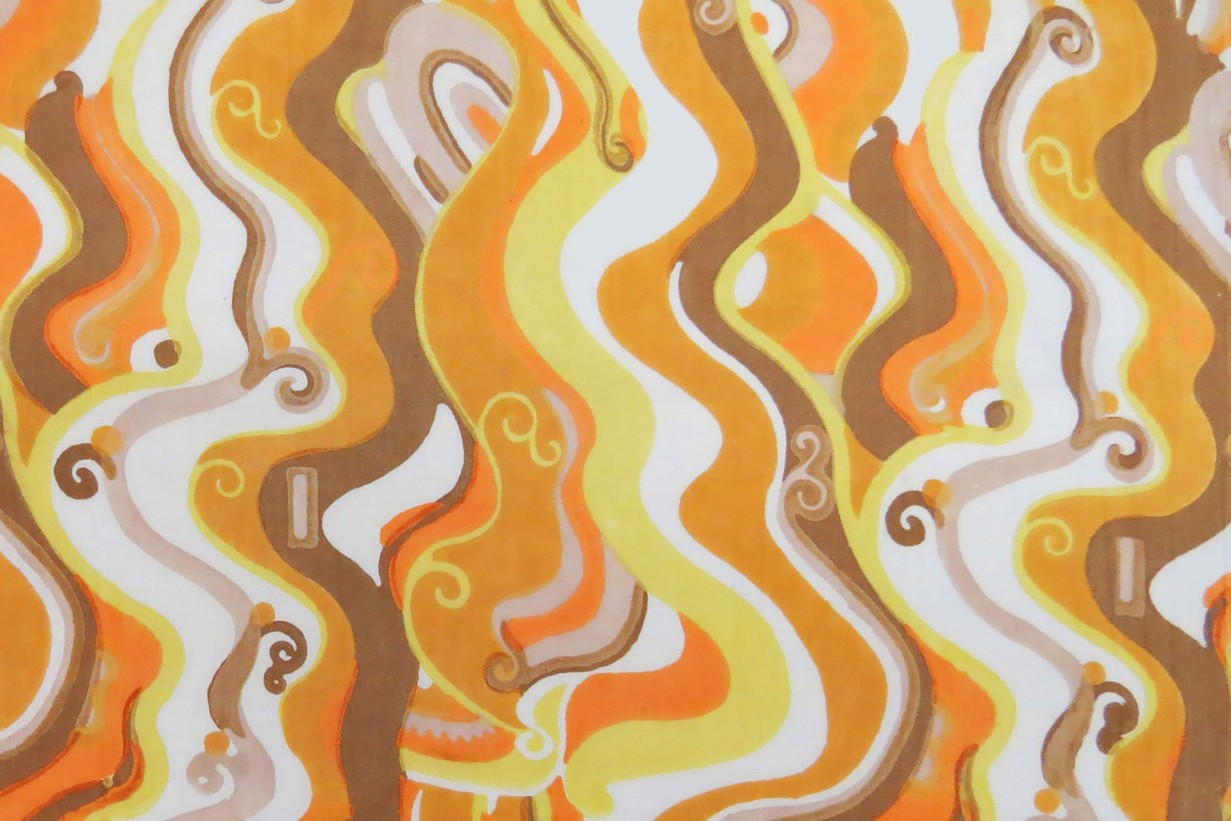
Dagobert Peche, Wiener Werkstätte fabric pattern Marina, 1911/12 Cotton, printed MAK, WWBW 122 © MAK
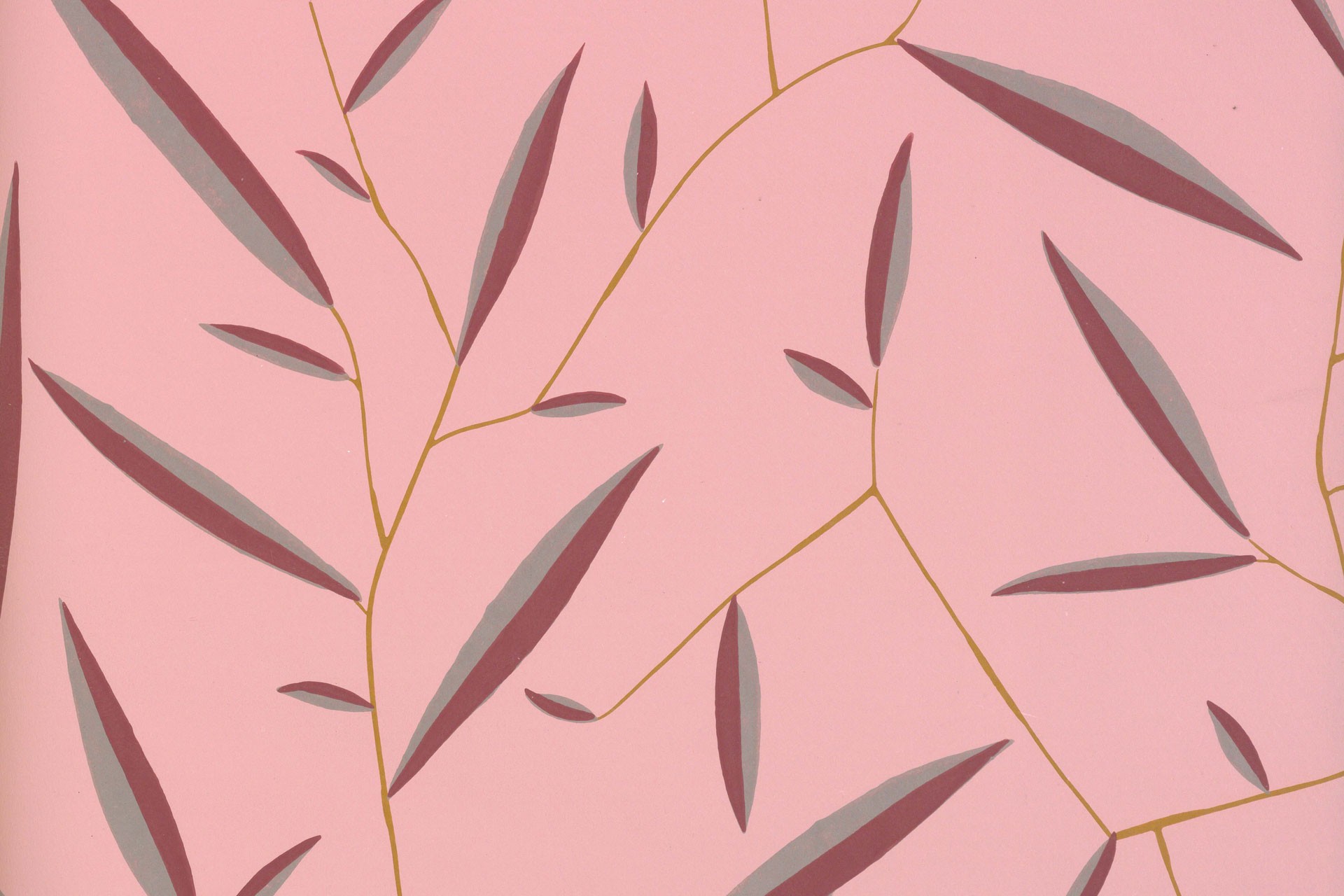
Dagobert Peche, Wiener Werkstätte wallpaper Daphne, 1914 Execution: Max Schmidt Block print MAK, WWTAMB 1-147 © MAK
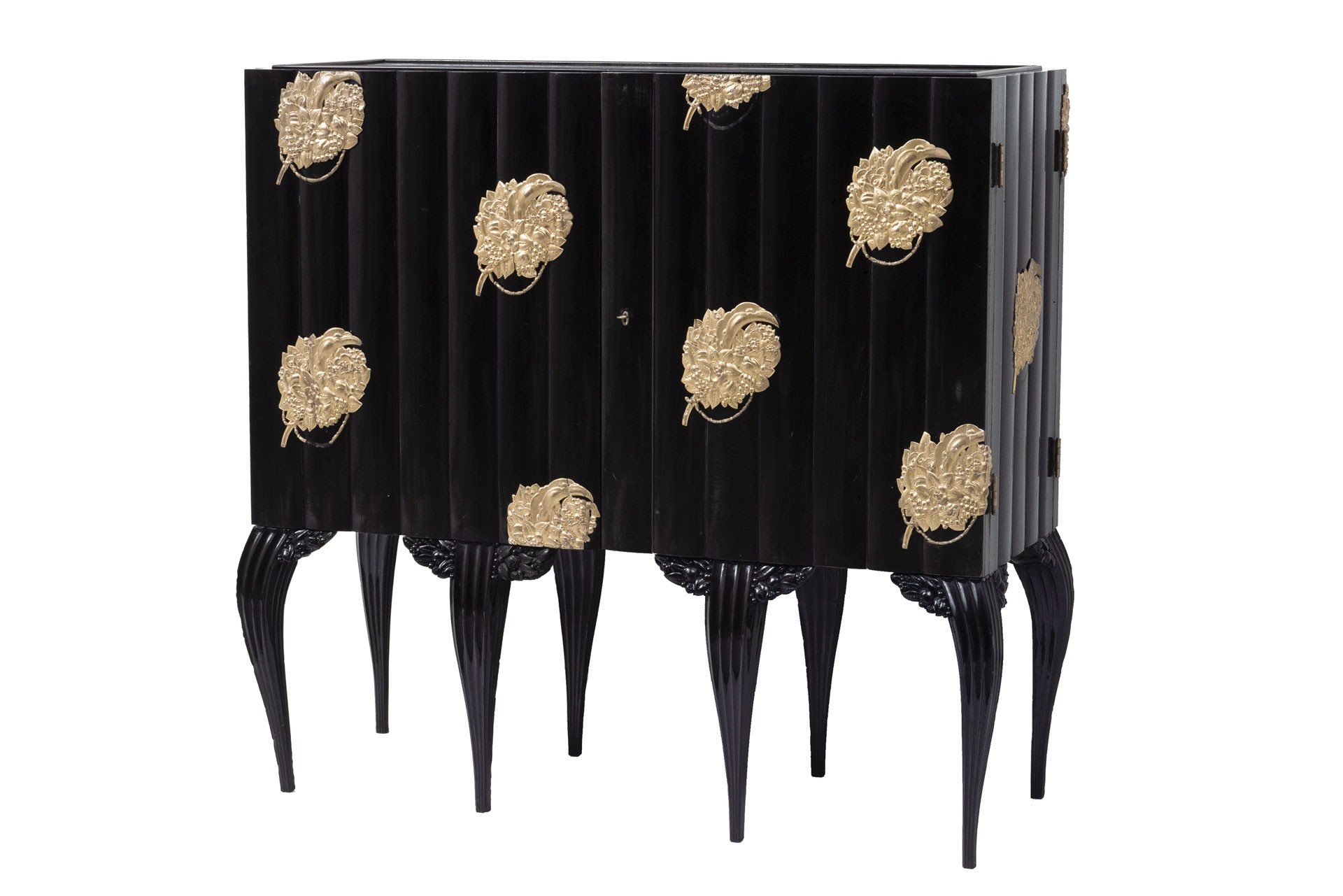
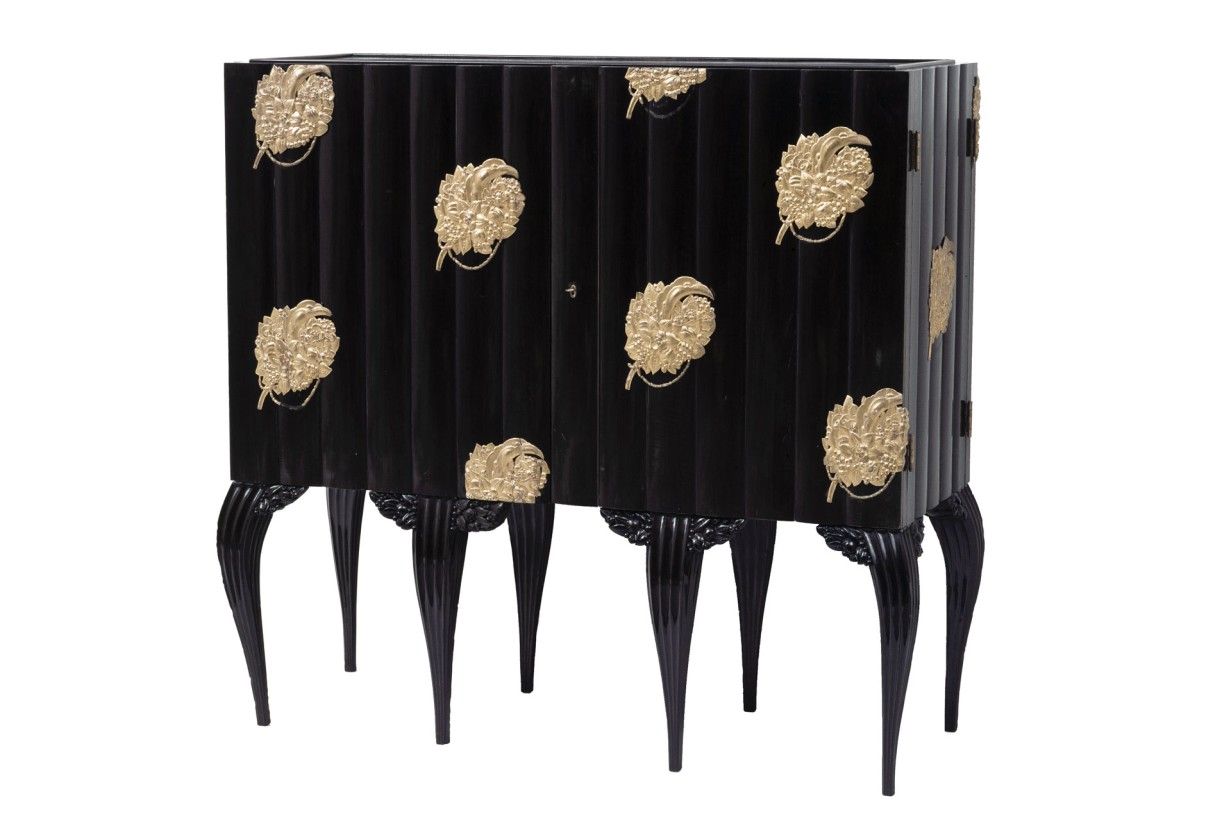
Dagobert Peche, salon cabinet, 1913 Execution: Jakob Soulek Pearwood, stained black; limewood, carved, gilt MAK, H 2814 © MAK
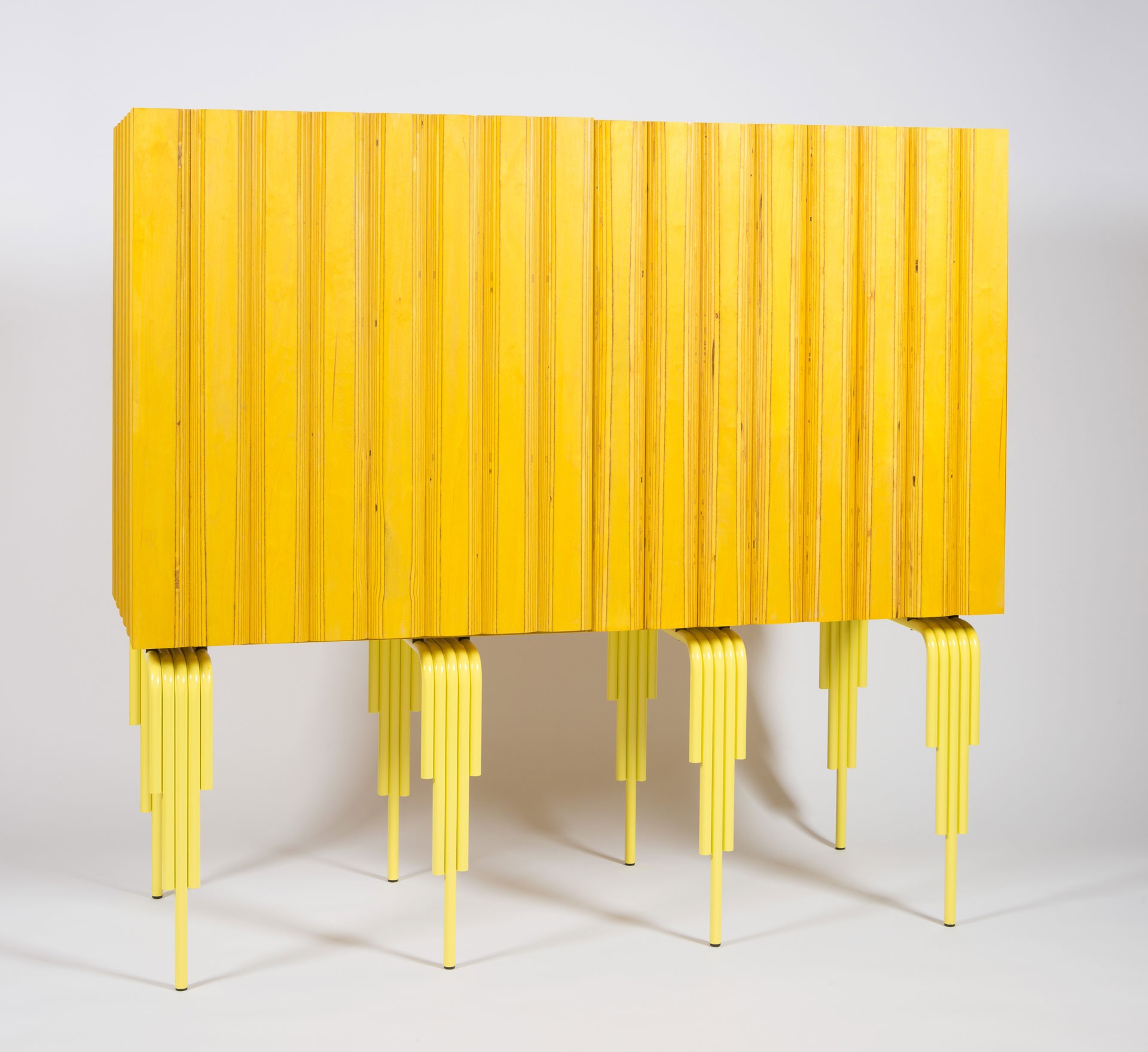
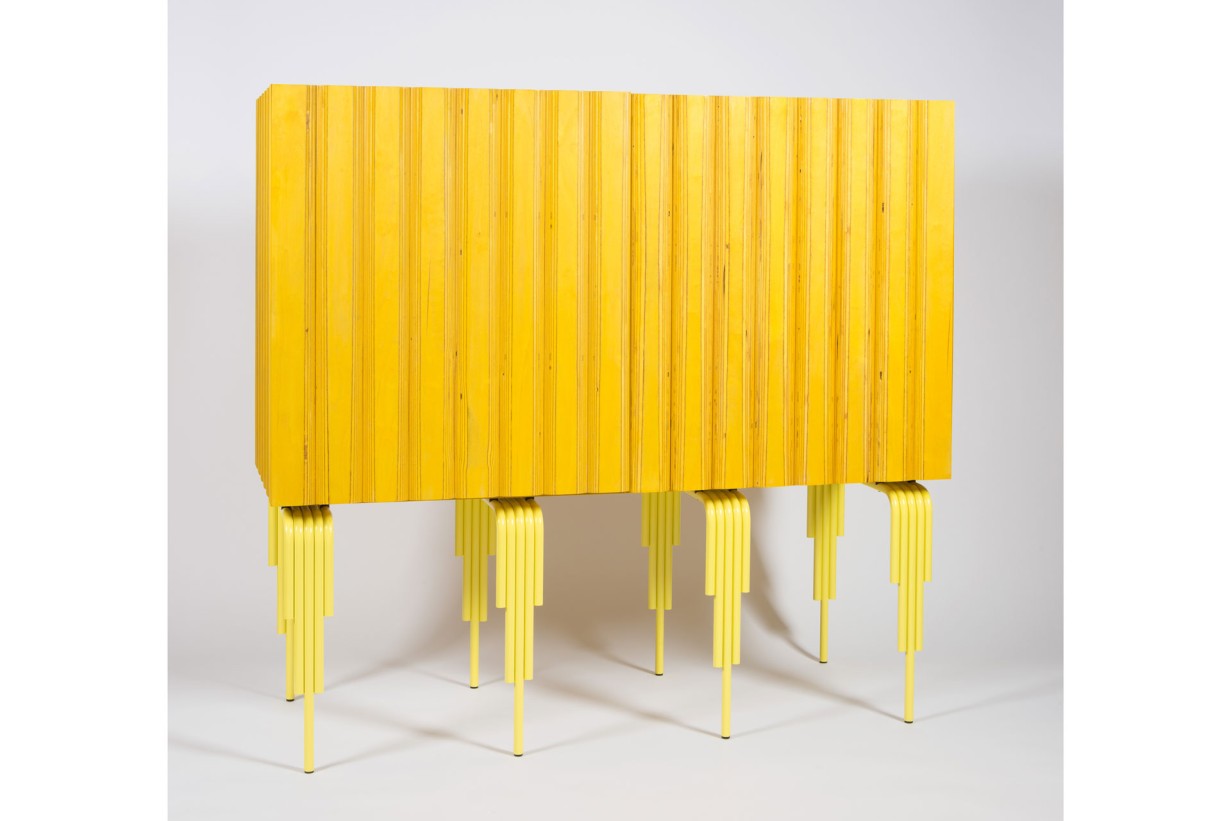
Marco Dessí, cabinet Dagobert Peche Revisited, 2012 Execution: Karl Neubauer Birch plywood, steel tubing, painted yellow MAK, H 3648 © MAK
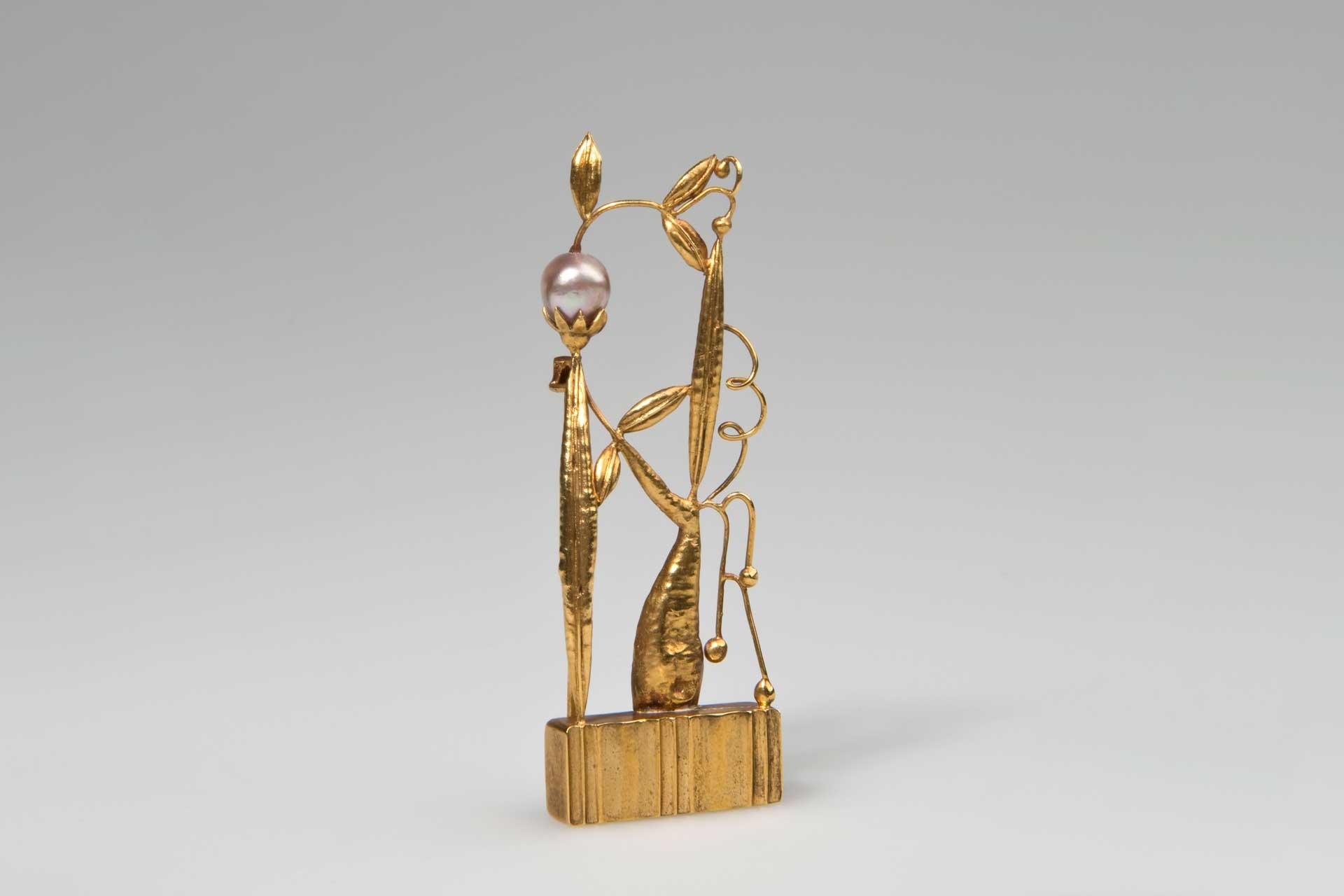
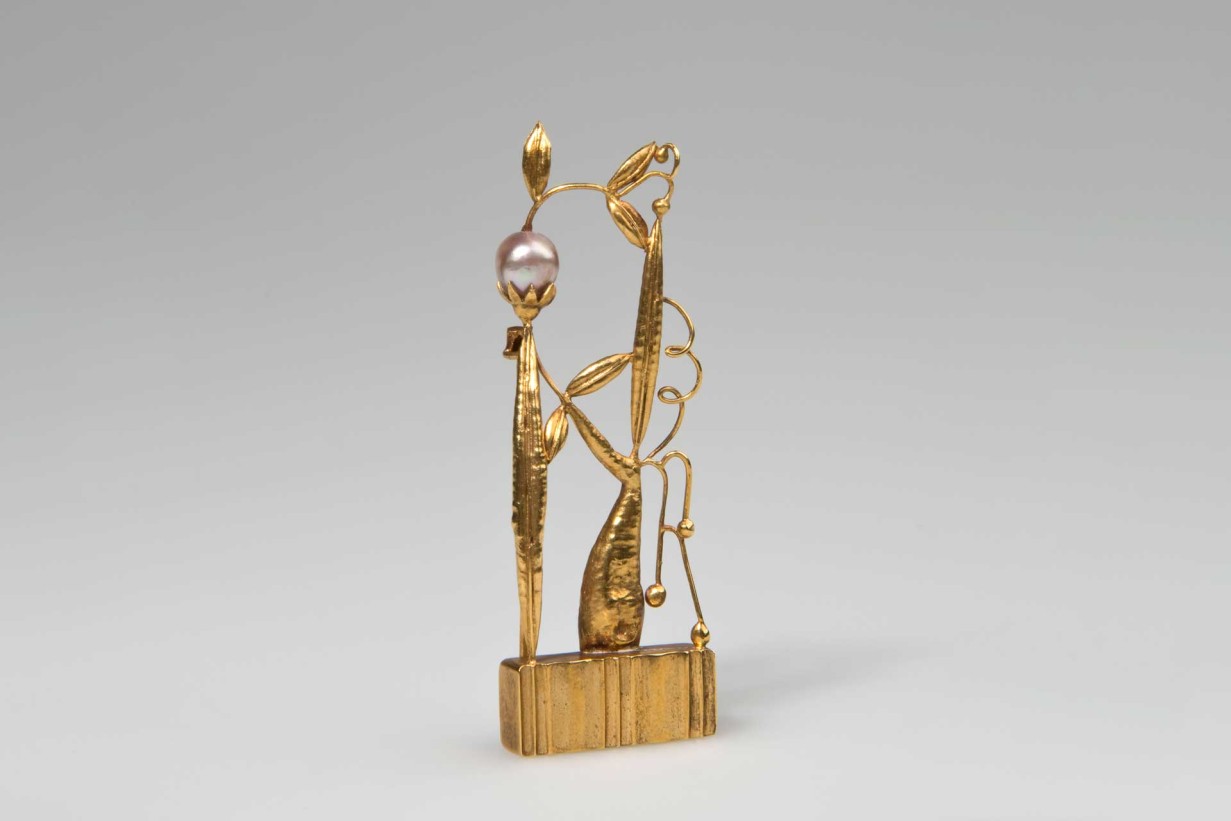
Dagobert Peche, brooch, 1918 Gold, pearl MAK, BJ 1461 © MAK
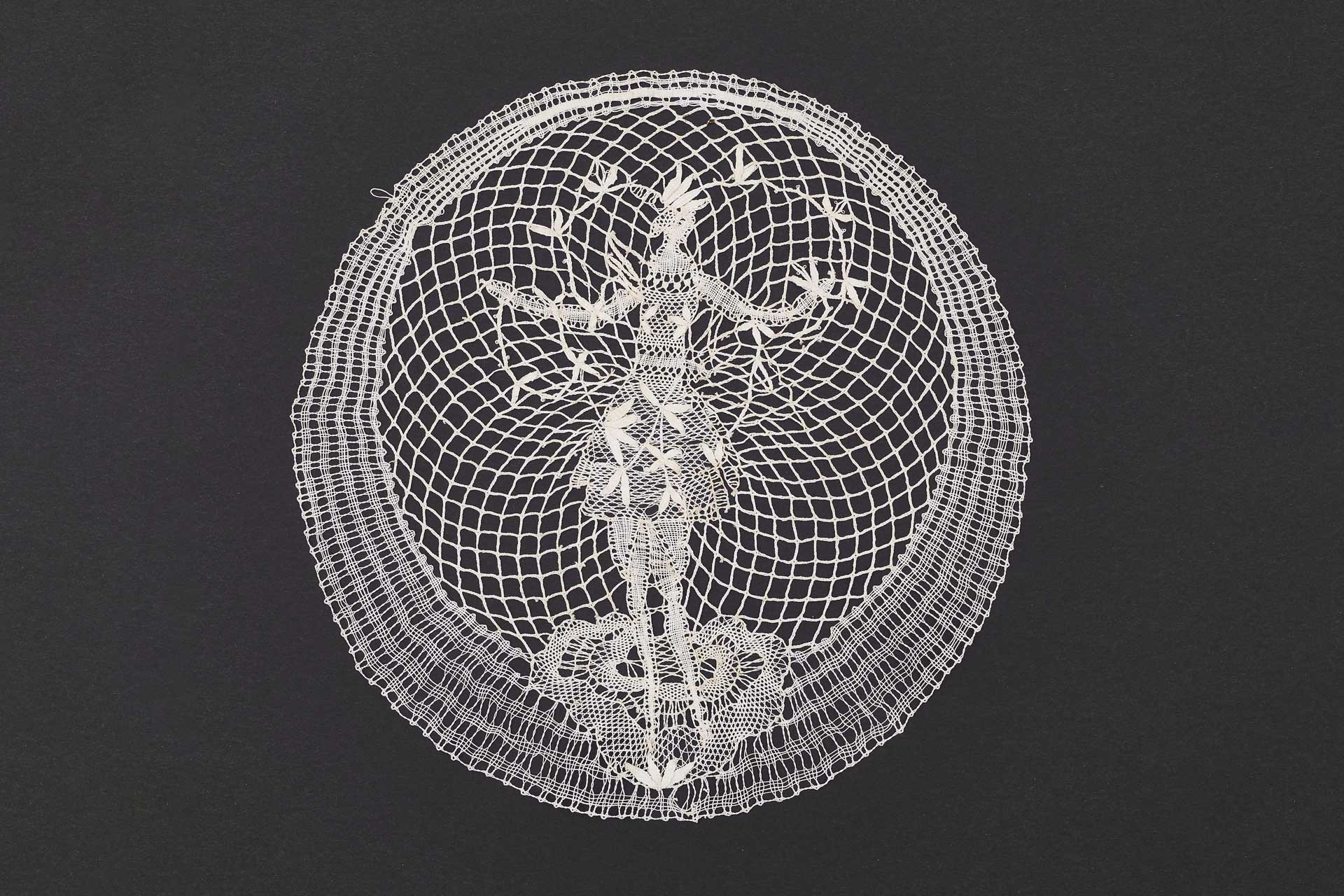
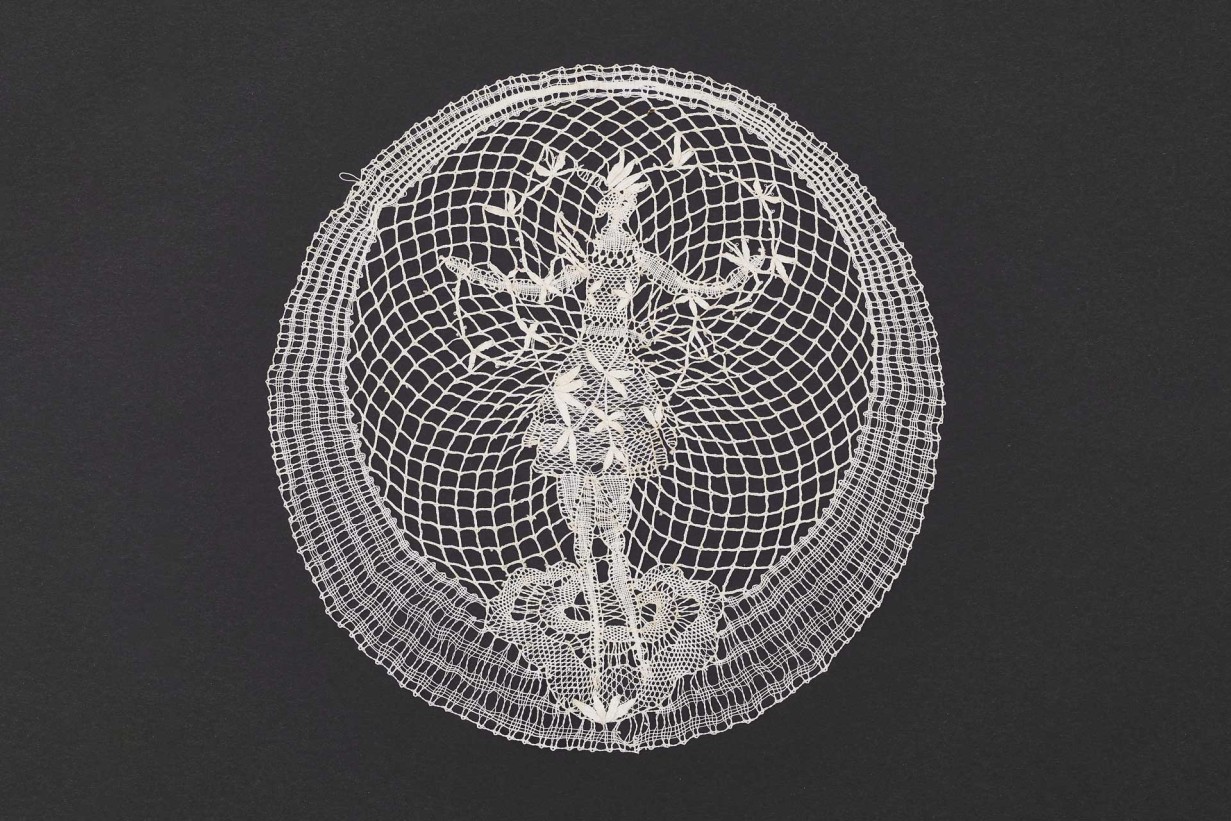
Dagobert Peche, lace inset Frühling [Spring], ca. 1920 Bobbin lace MAK, T 8467 © MAK
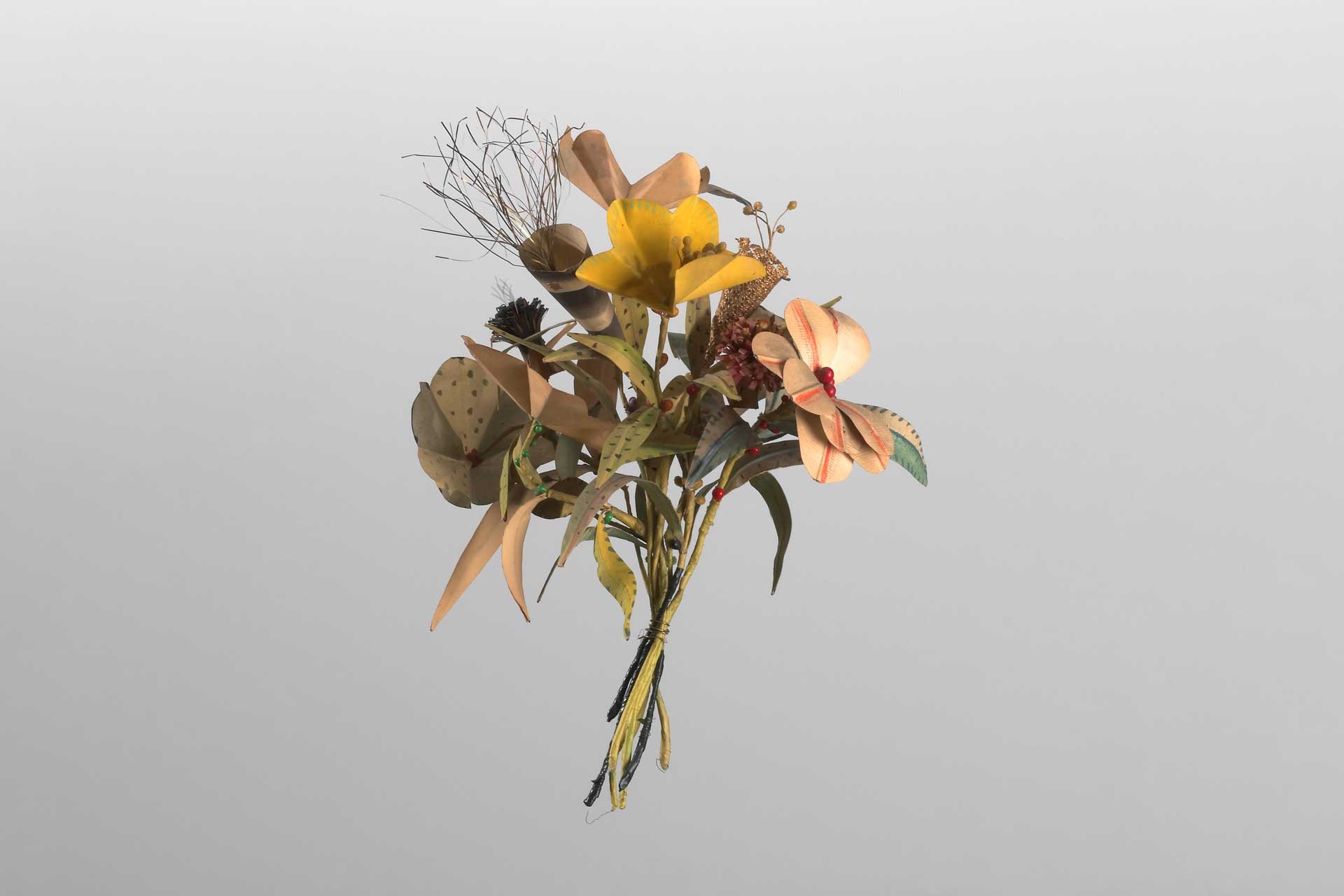
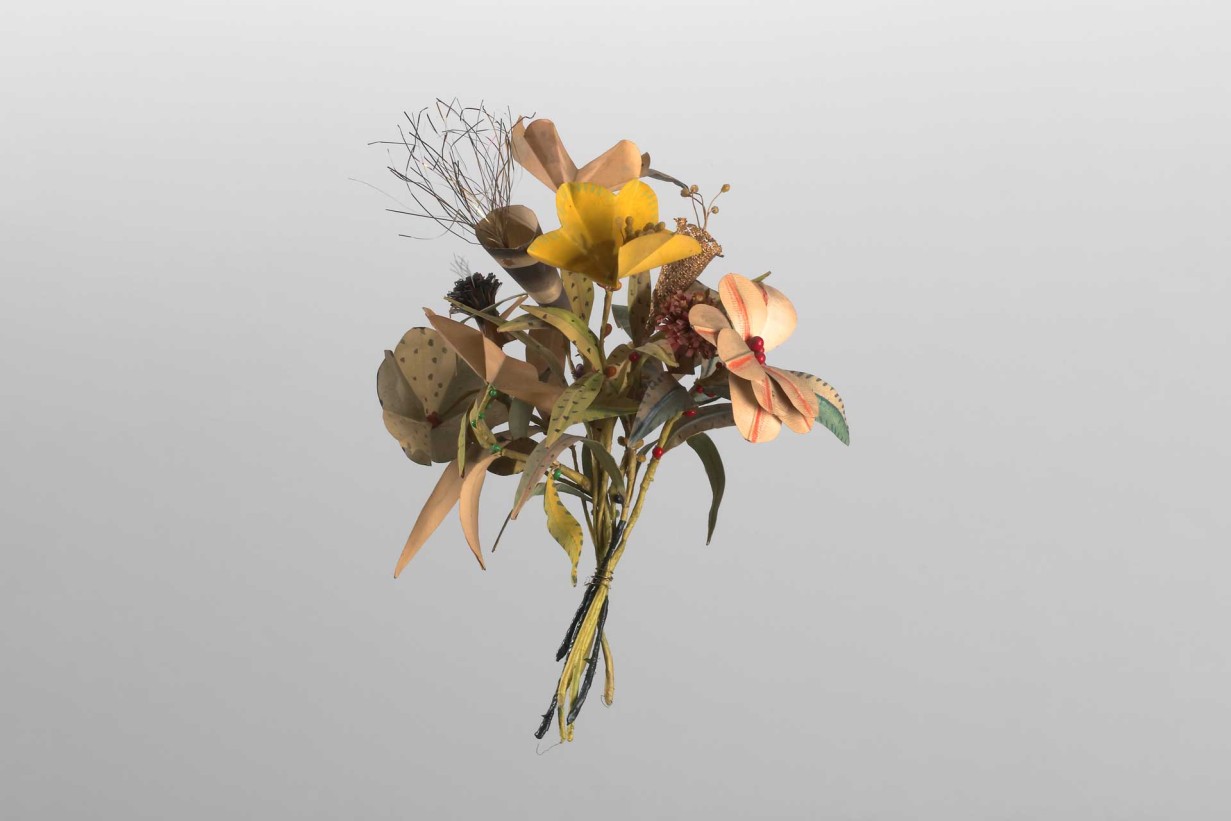
Dagobert Peche, bouquet of paper flowers, ca. 1920 Paper, wire, gold edging and sequins MAK, WWPA 824 © MAK
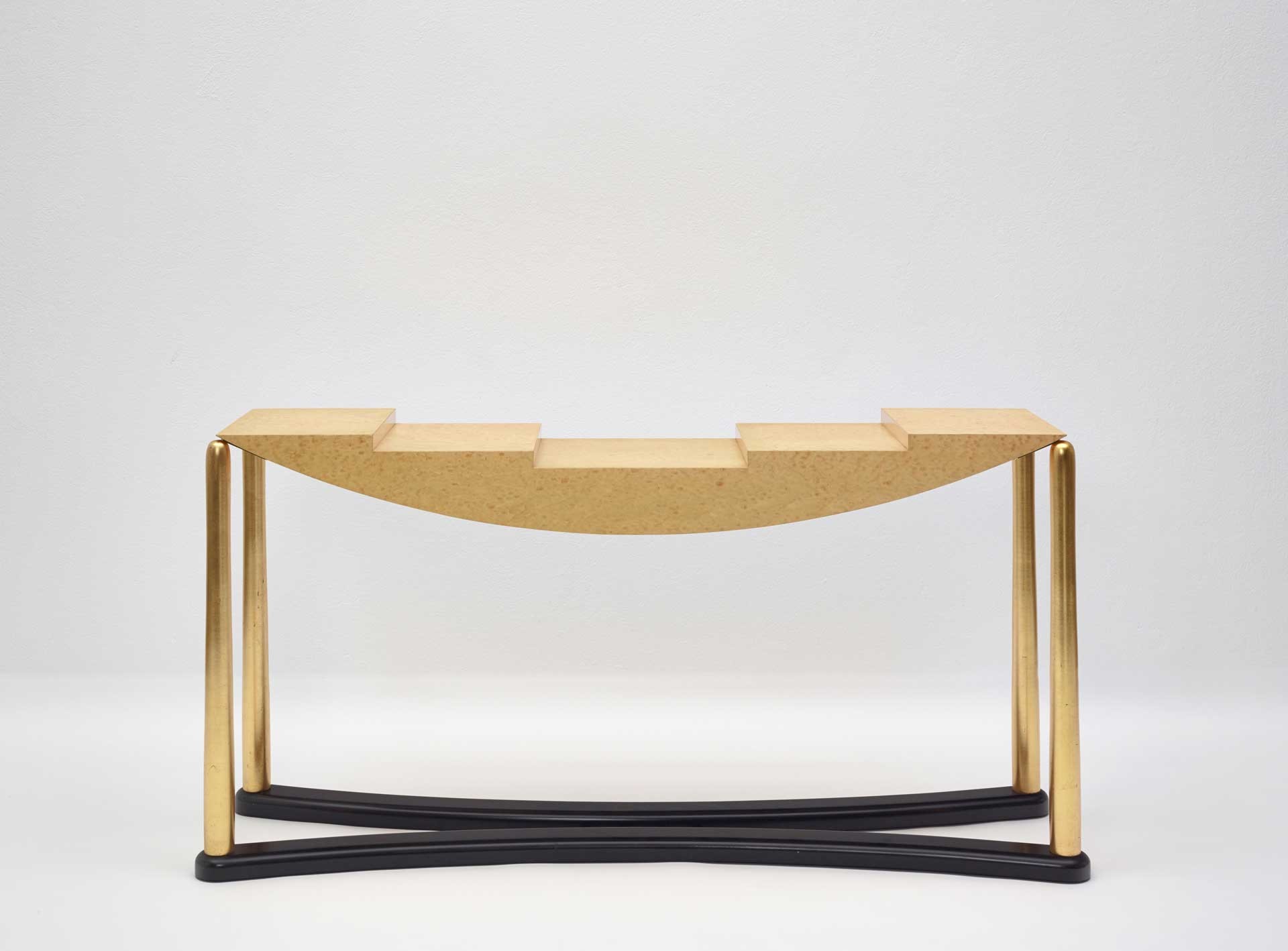
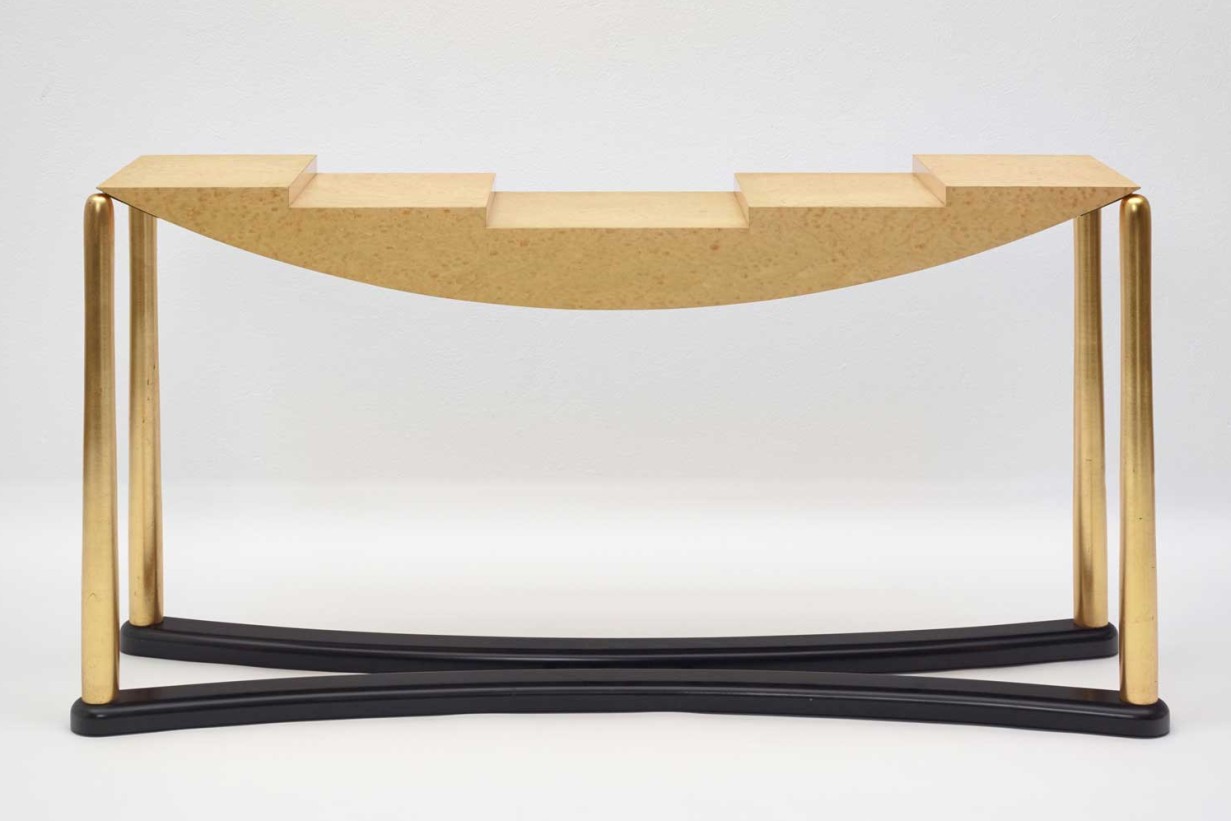
Hans Hollein, table Schwarzenberg, 1980 Execution: Memphis, Milan Burl wood, veneered; wood, stained black and gilt MAK, H 2828 © MAK
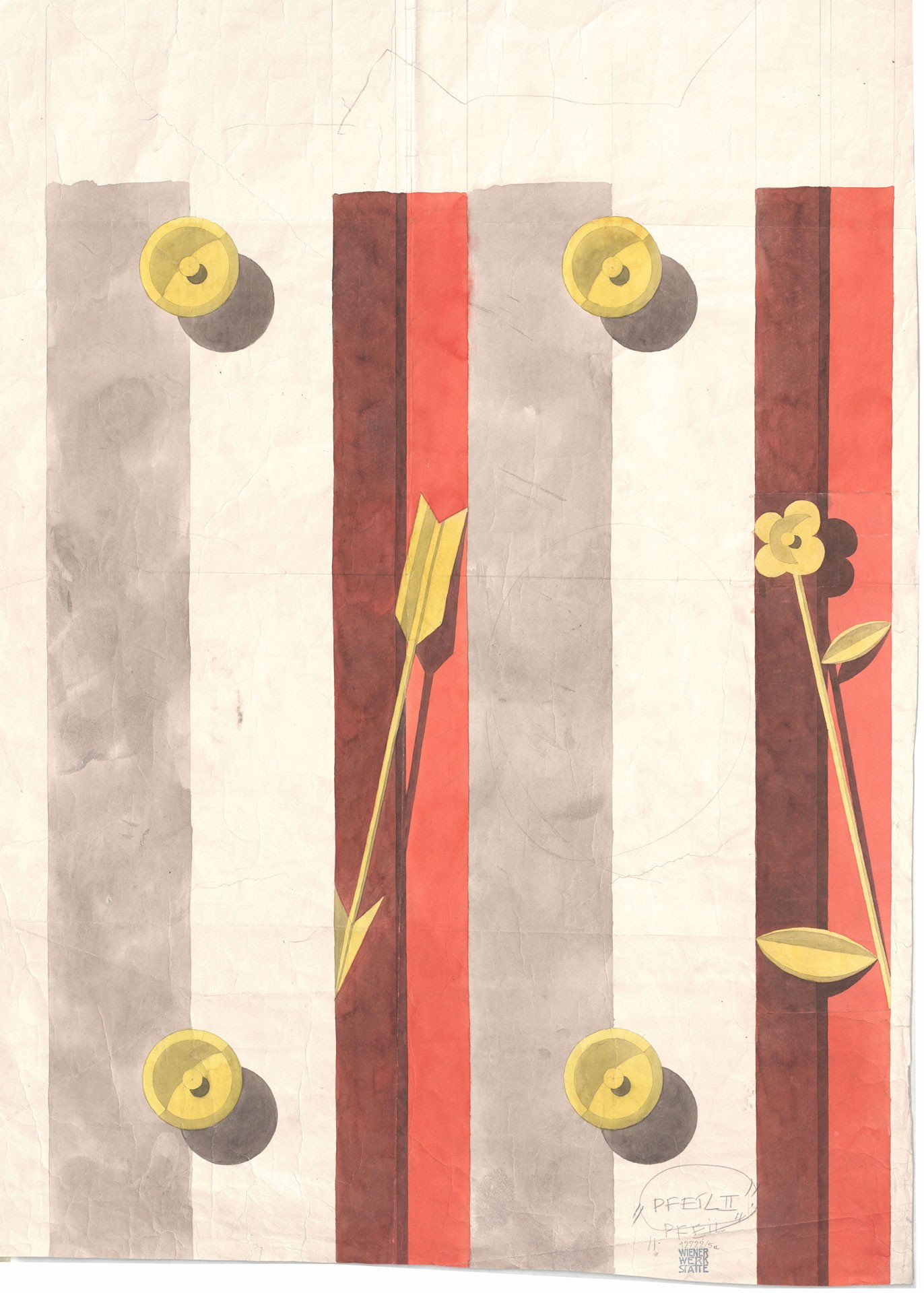
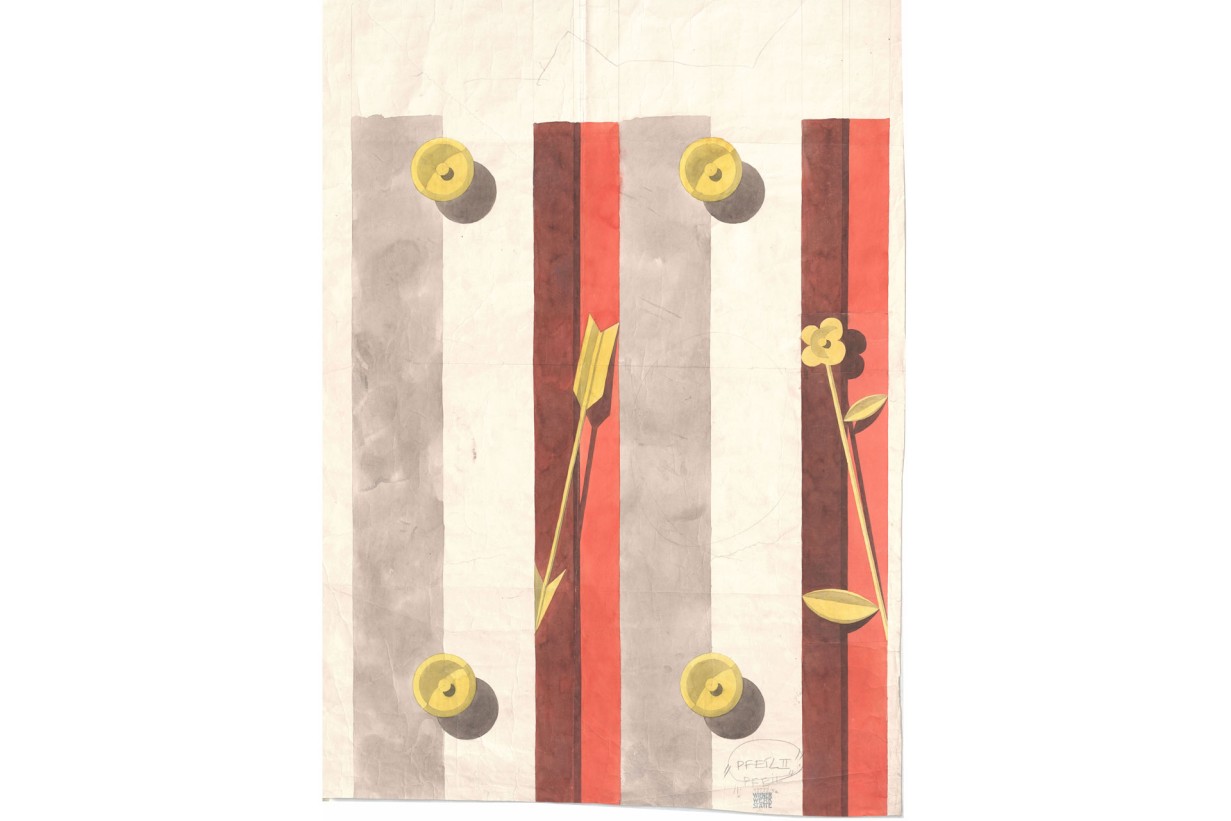
Dagobert Peche, design for the Wiener Werkstätte wallpaper Pfeil [Arrow], 1921 Pencil, gouache on paper MAK, KI 12715-6 © MAK
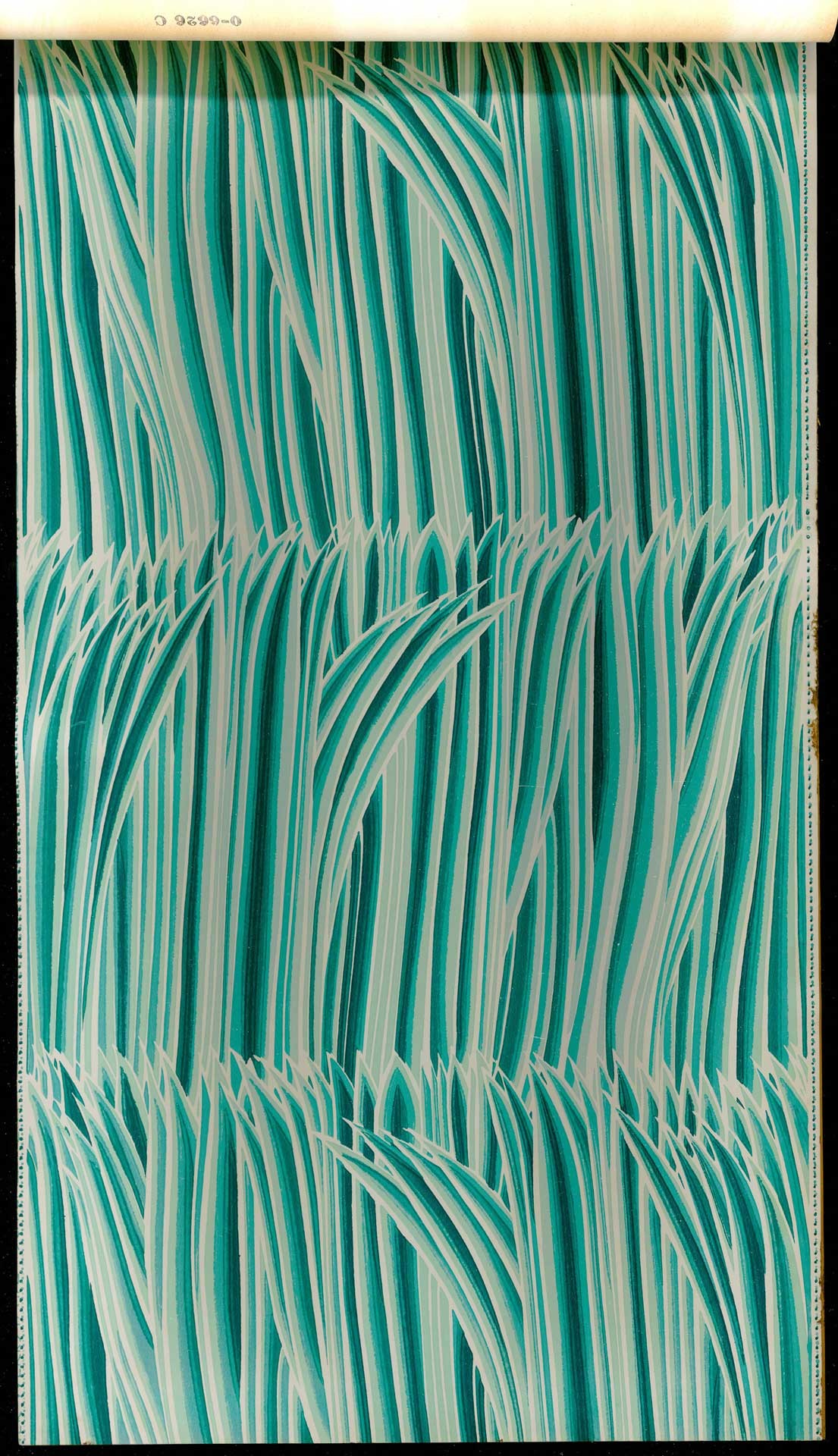
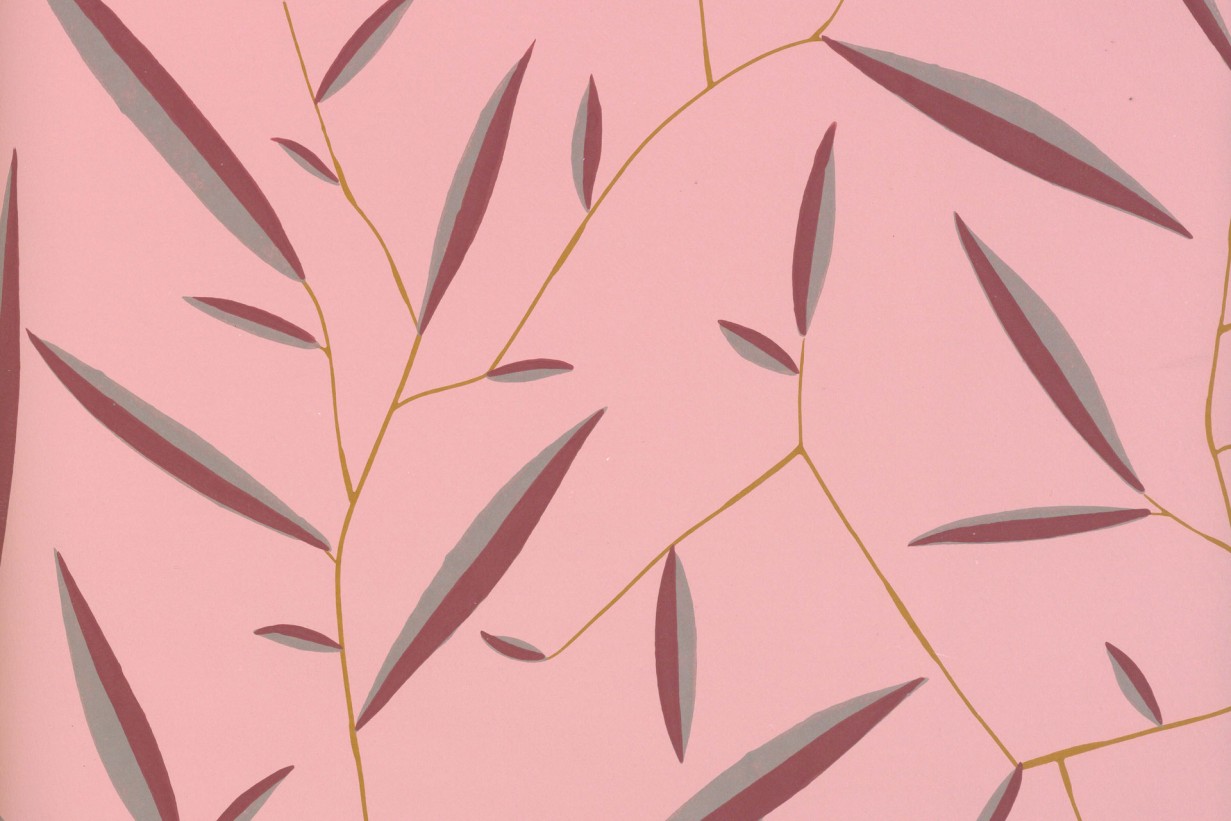
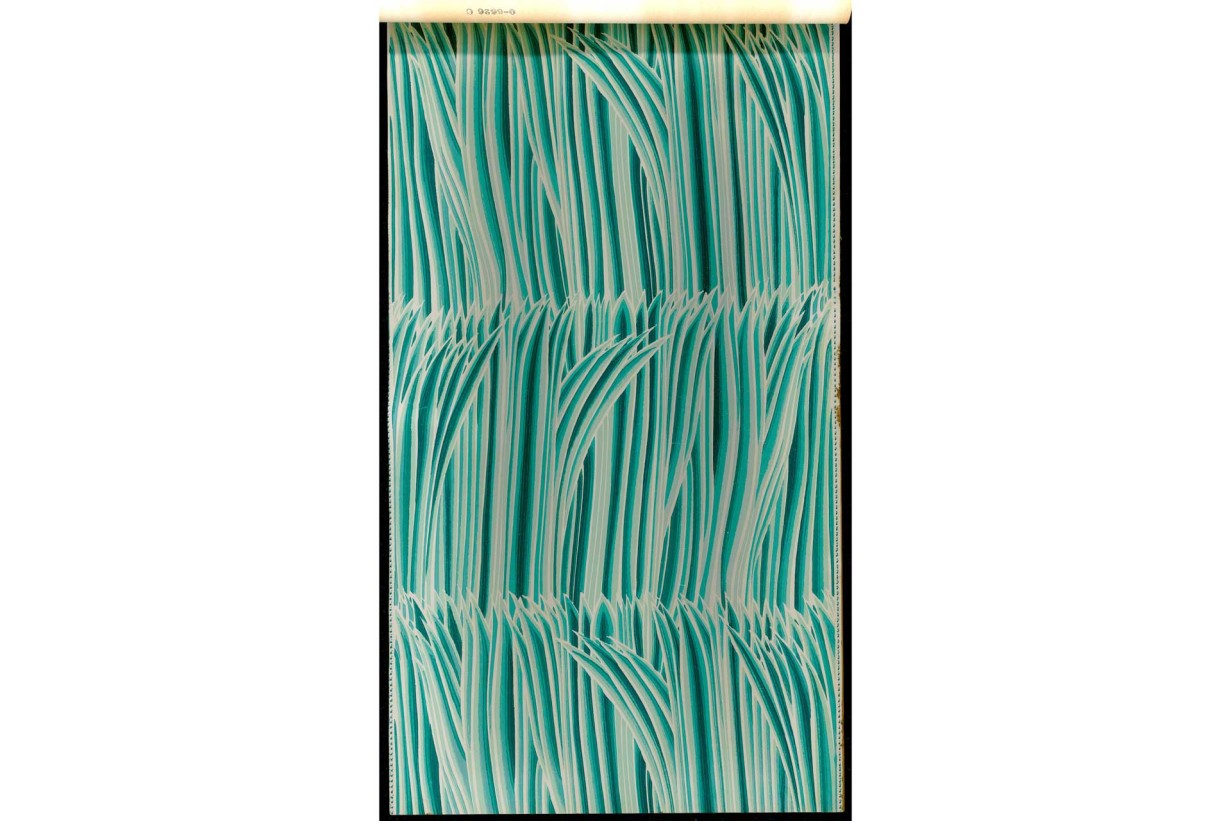
Dagobert Peche, Wiener Werkstätte wallpaper Schilf II [Reeds II], 1922 Execution: Flammersheim & Steinmann, Cologne Block print MAK, WWTAMB 21-154 © MAK
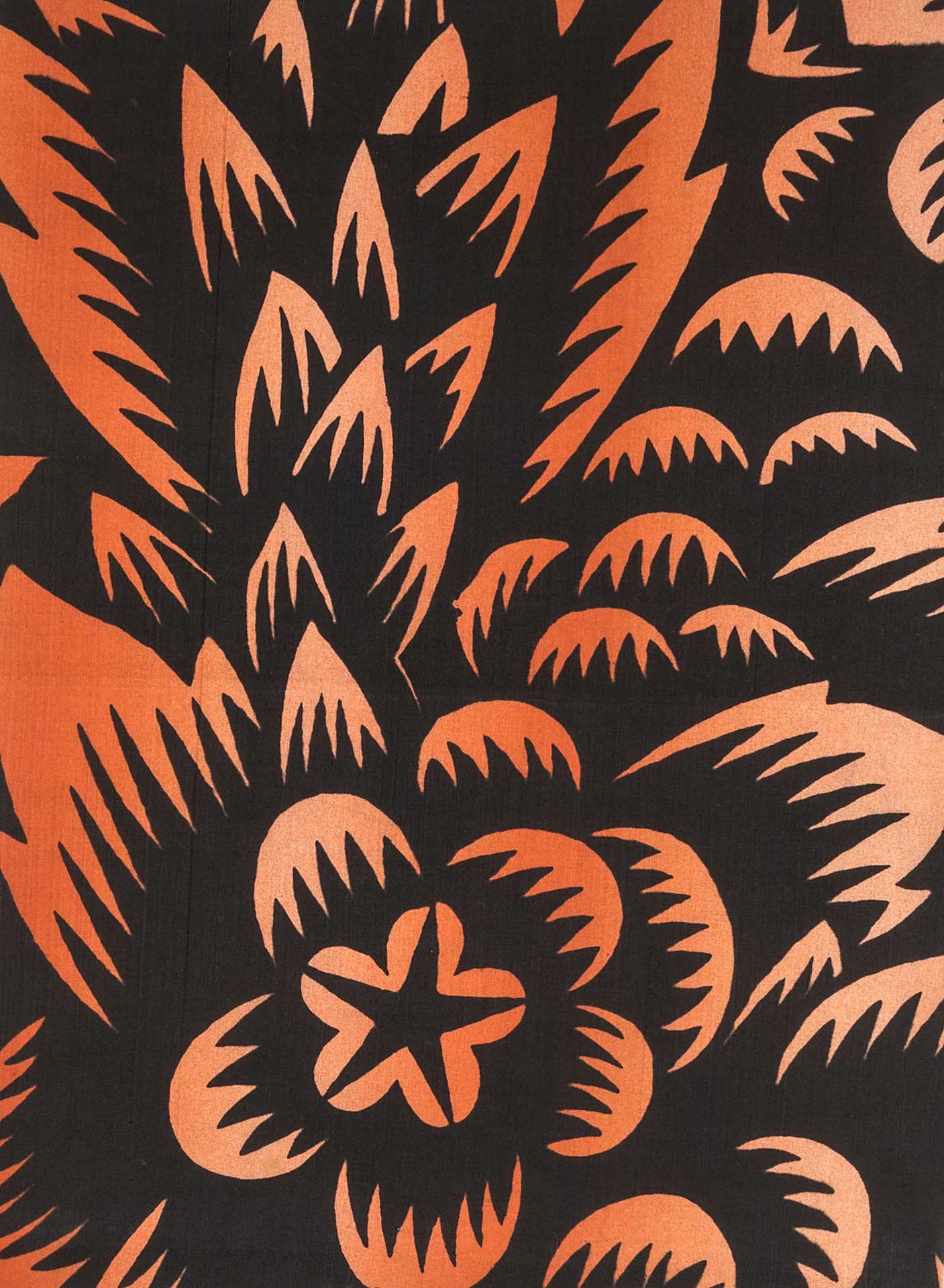
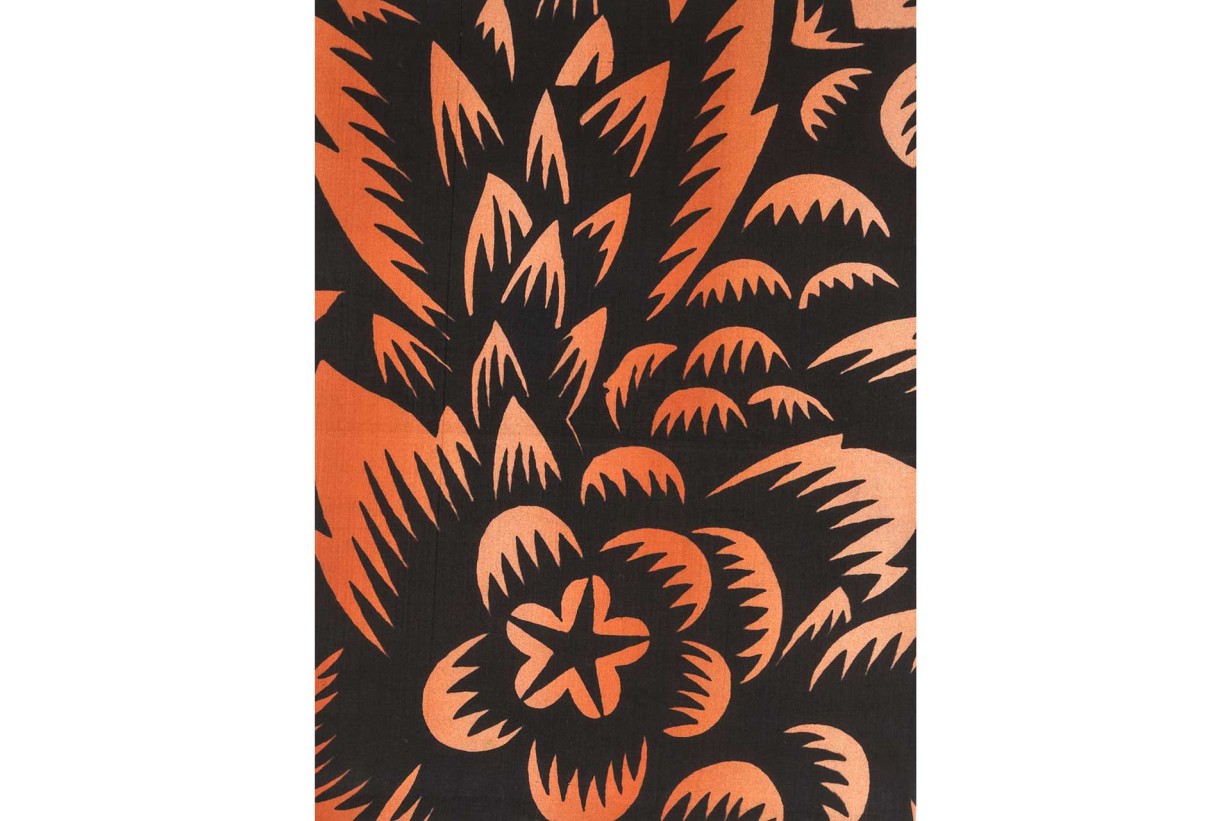
Dagobert Peche, Wiener Werkstätte fabric pattern Doris, 1923 Silk, printed MAK, WWS 168 © MAK/Kristina Wissik
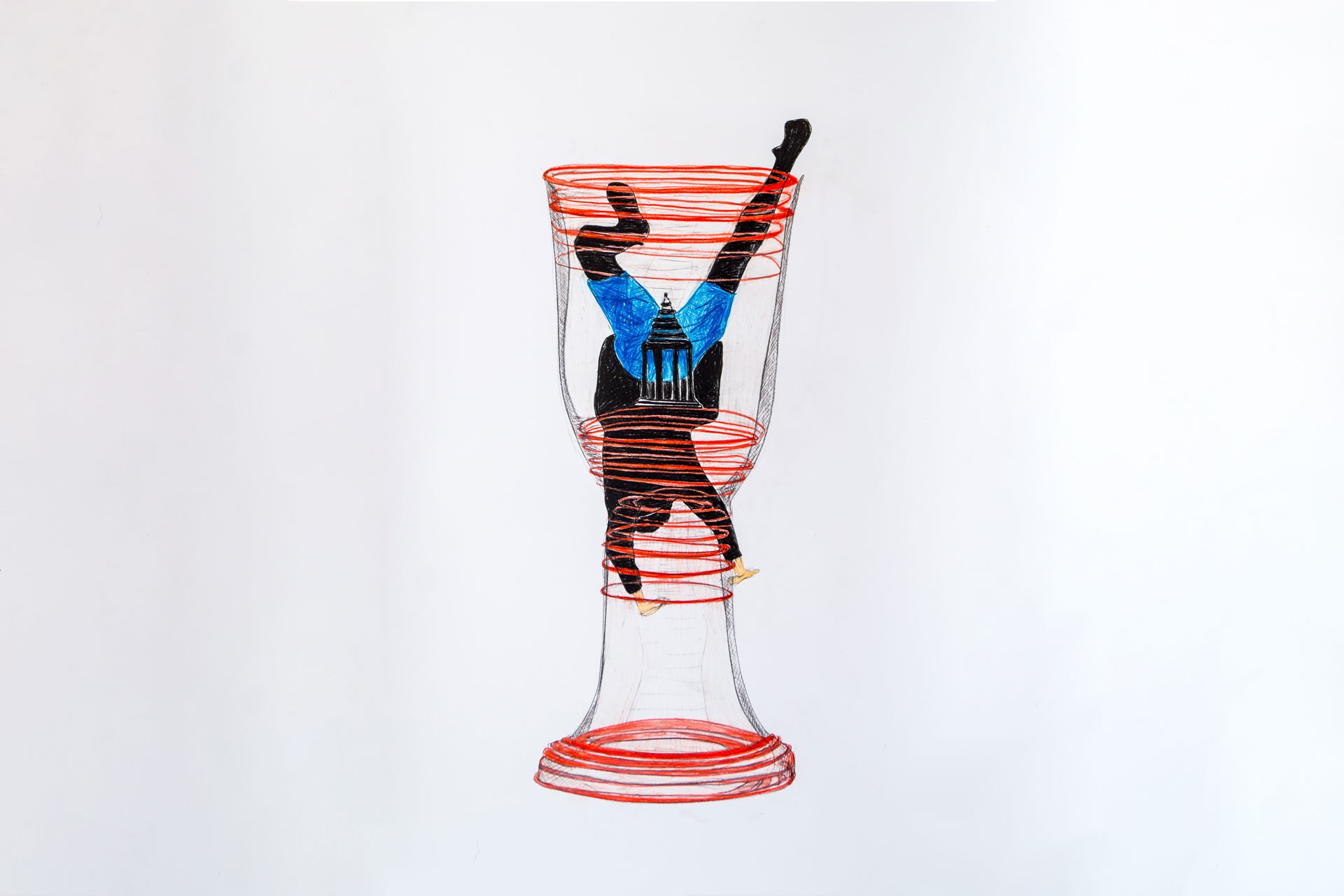
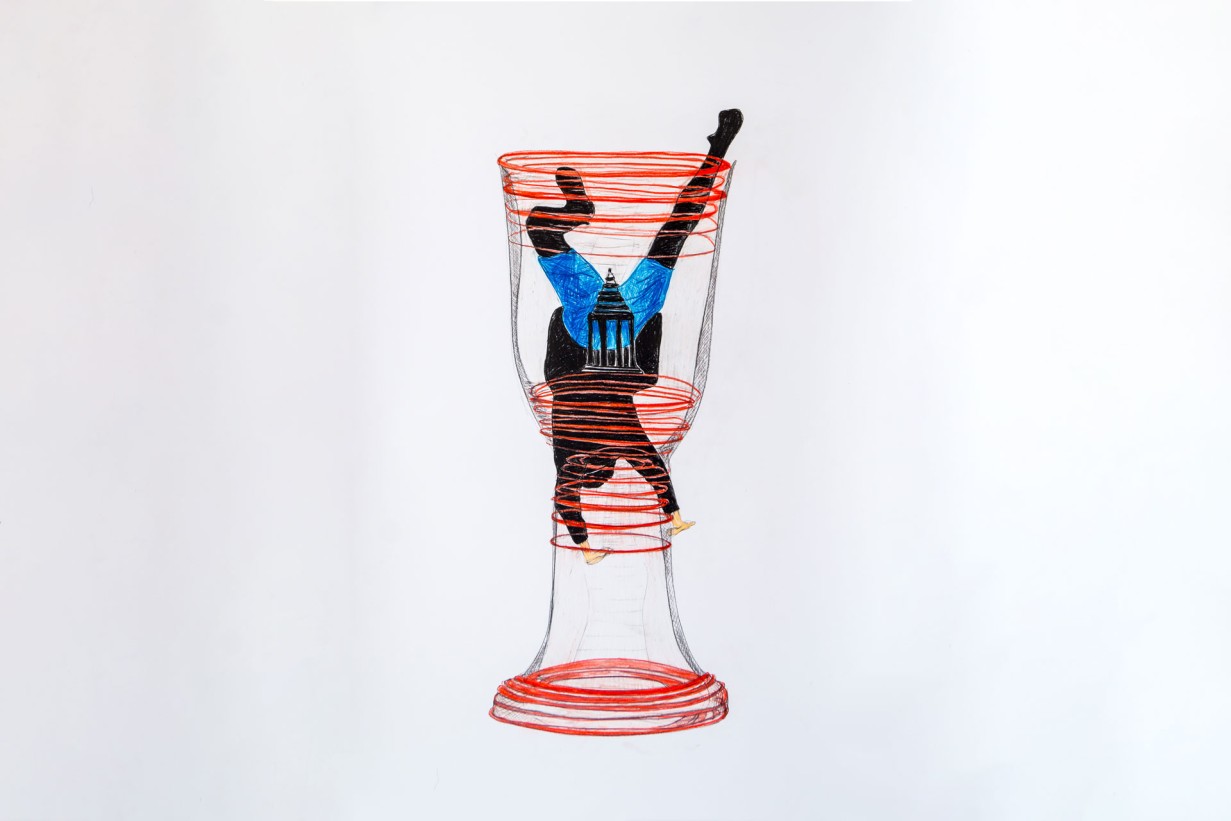
Uli Aigner, OFFENE FORM 85 – Dagobert Peche und Ich – Die Überwindung der Utilität [Open Form 85—Dagobert Peche and Me—Beyond Function], 2018 Pencil on paper Loan from Uli Aigner © Michal Kosakowski
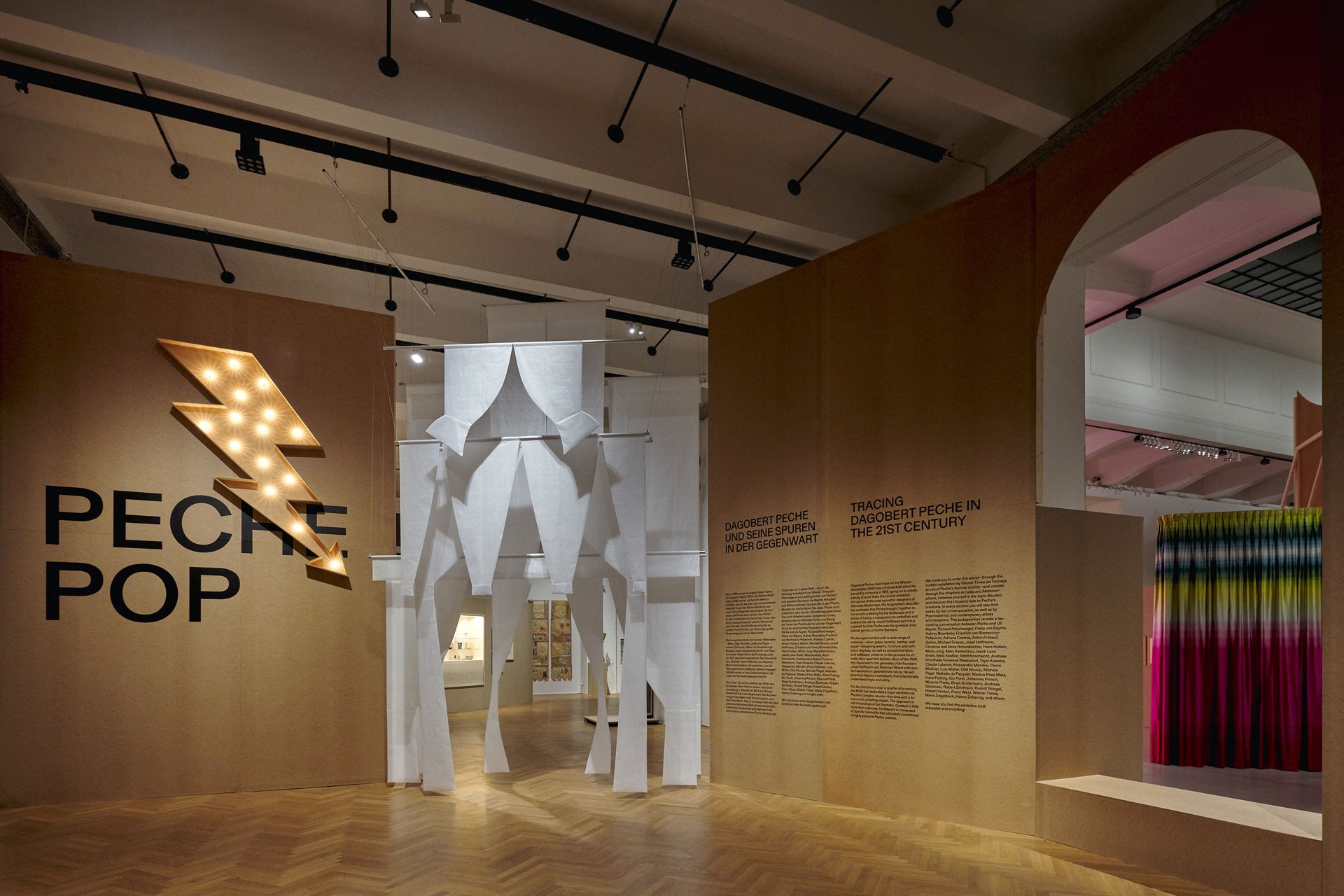
PECHE POP: Tracing Dagobert Peche in the 21st Century, MAK Exhibition View, 2024 © MAK/Christian Mendez
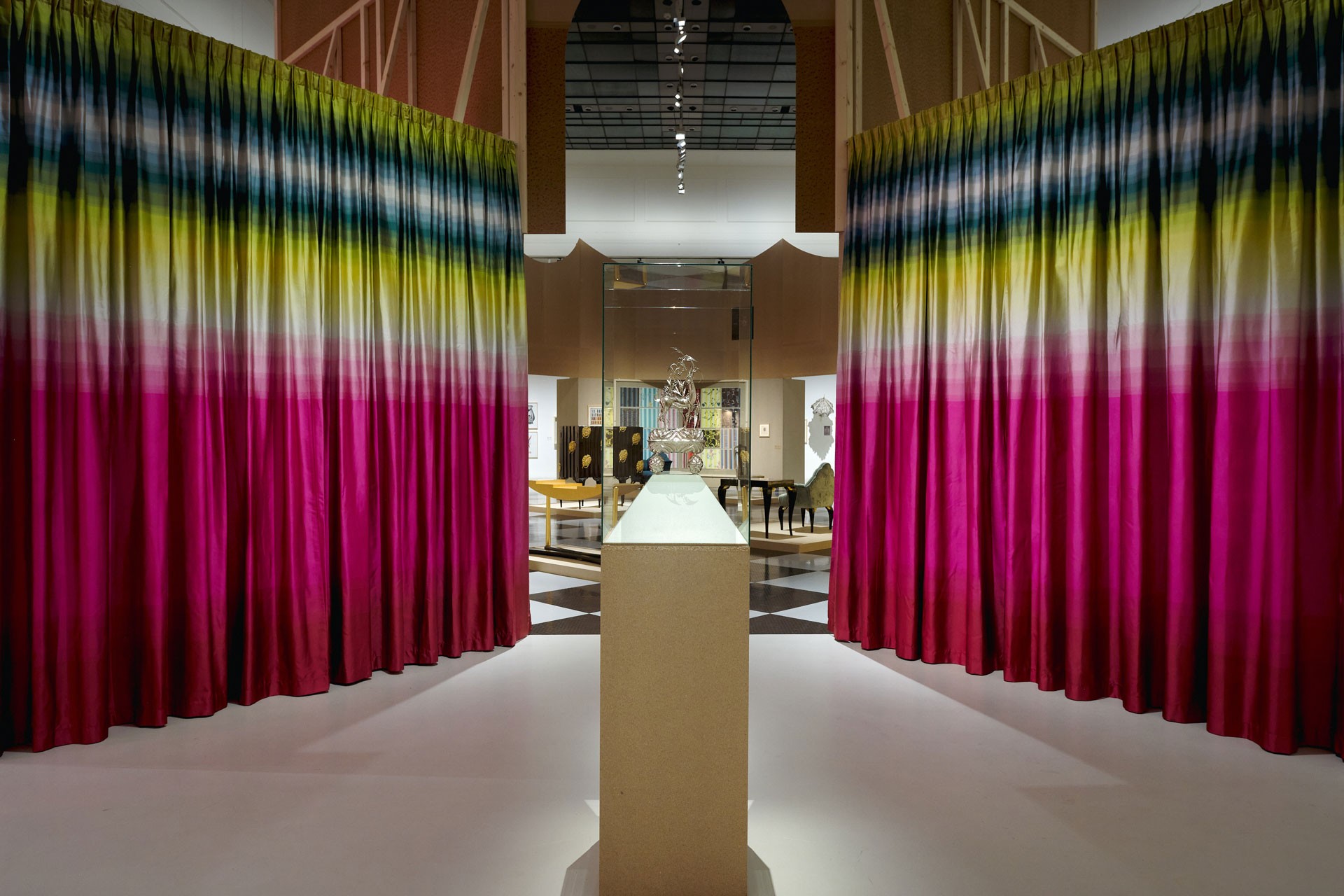
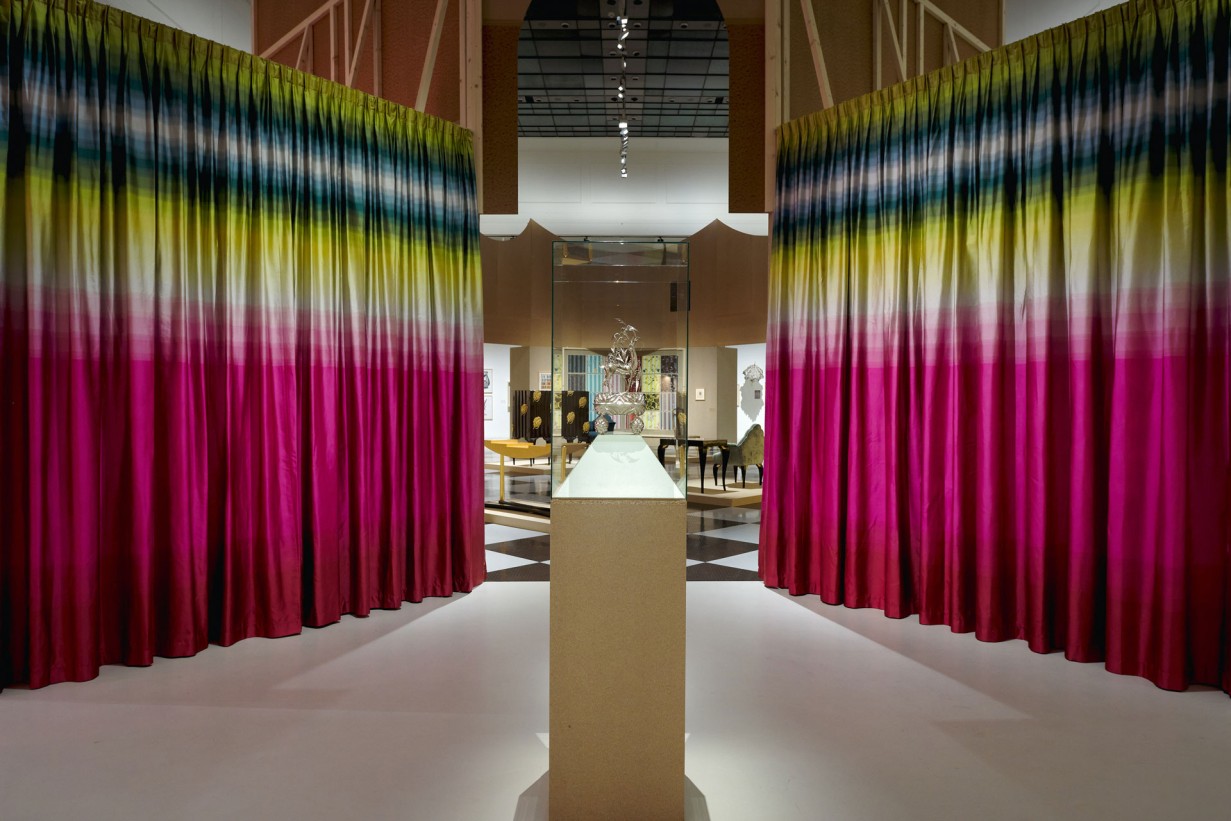
PECHE POP: Tracing Dagobert Peche in the 21st Century, MAK Exhibition View, 2024 © MAK/Christian Mendez
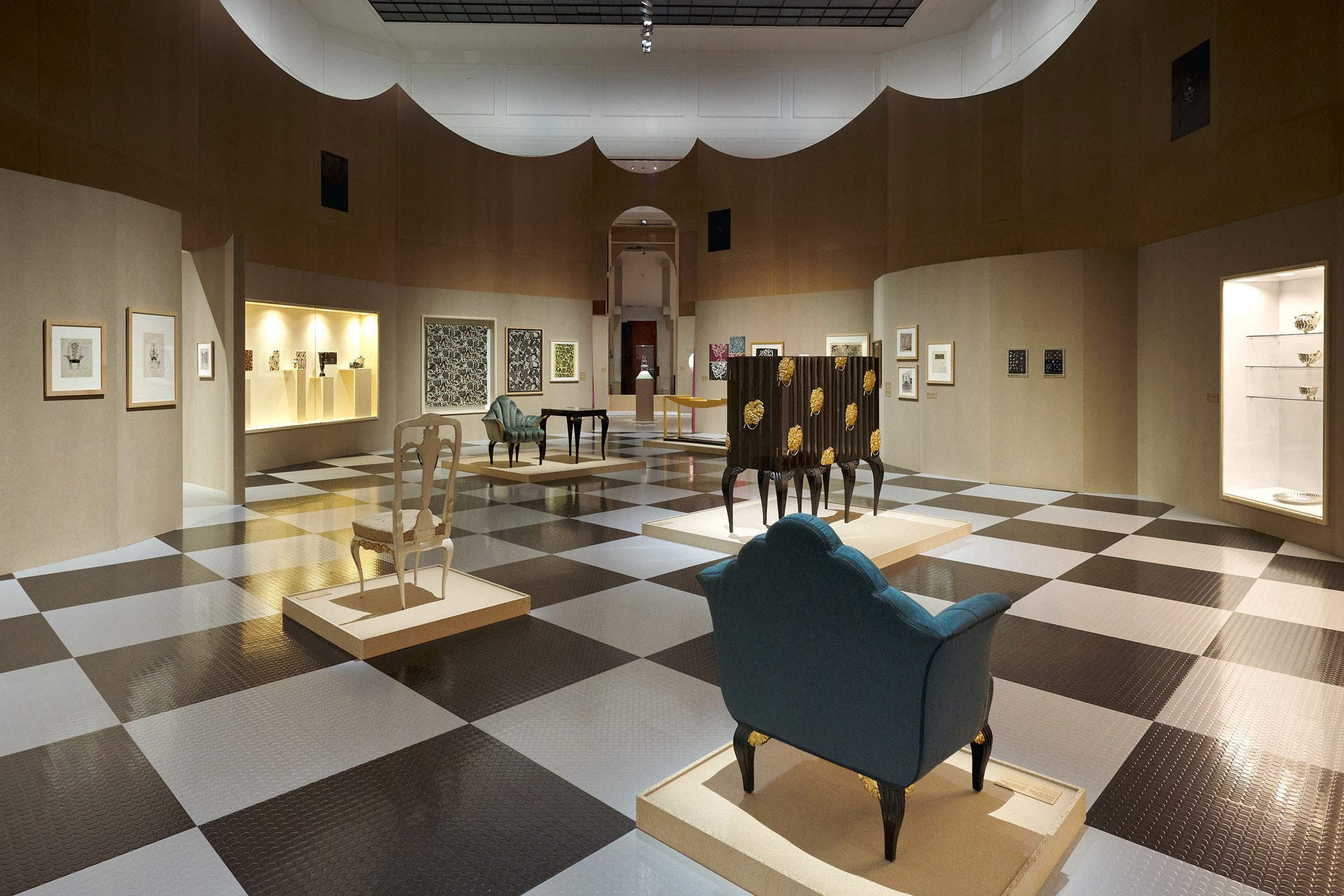
PECHE POP: Tracing Dagobert Peche in the 21st Century, MAK Exhibition View, 2024 © MAK/Christian Mendez
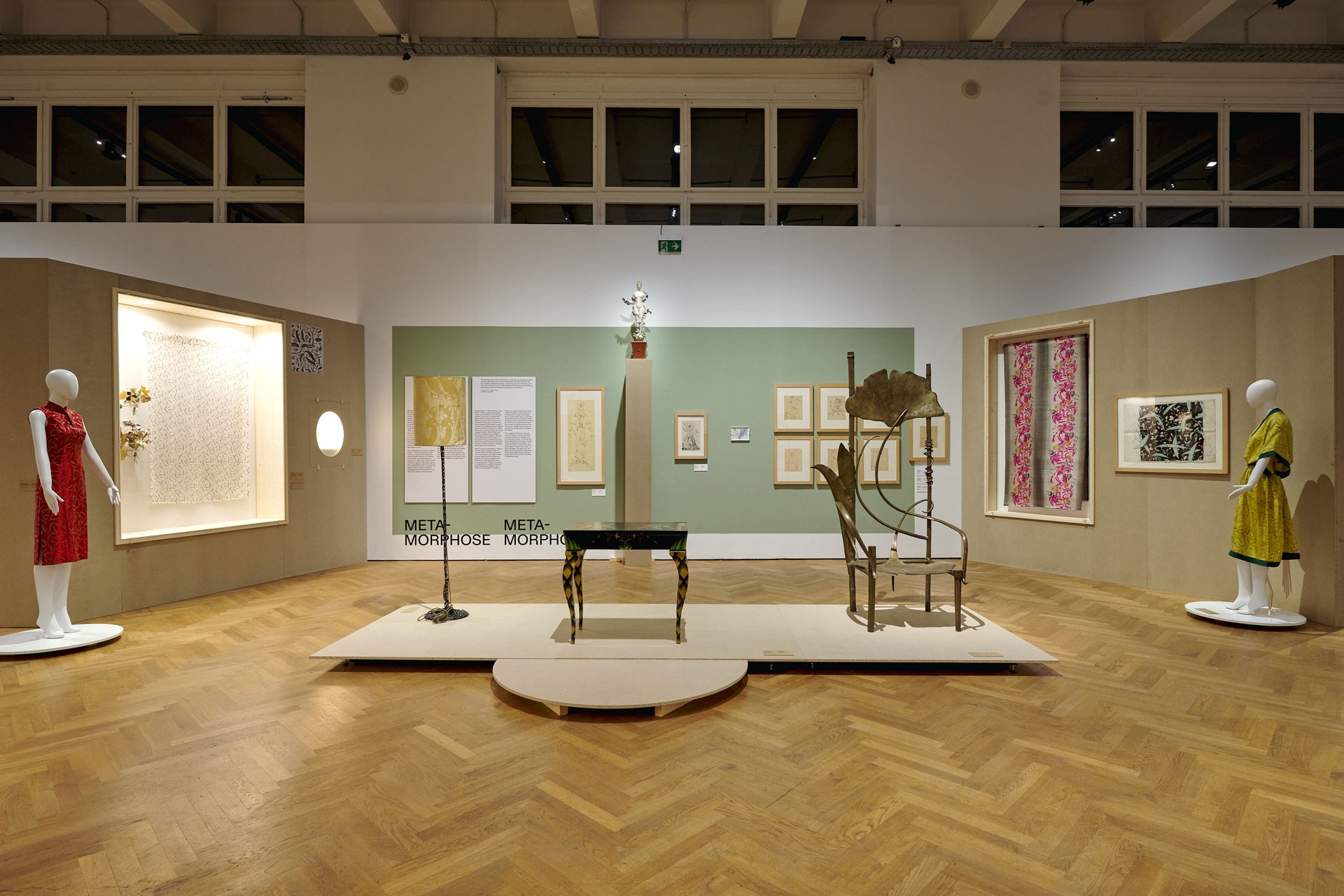
PECHE POP: Tracing Dagobert Peche in the 21st Century, MAK Exhibition View, 2024 © MAK/Christian Mendez
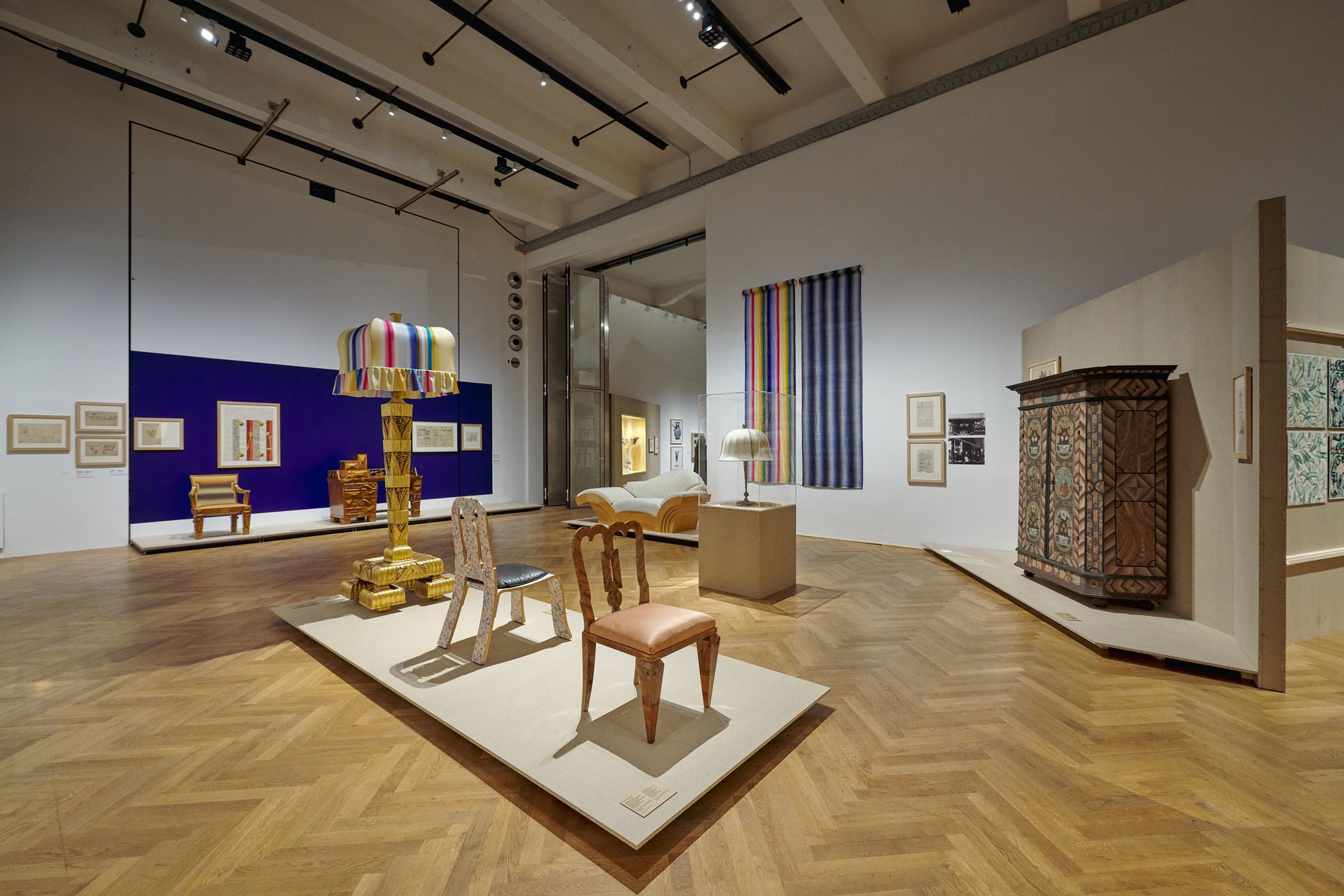
PECHE POP: Tracing Dagobert Peche in the 21st Century, MAK Exhibition View, 2024 © MAK/Christian Mendez
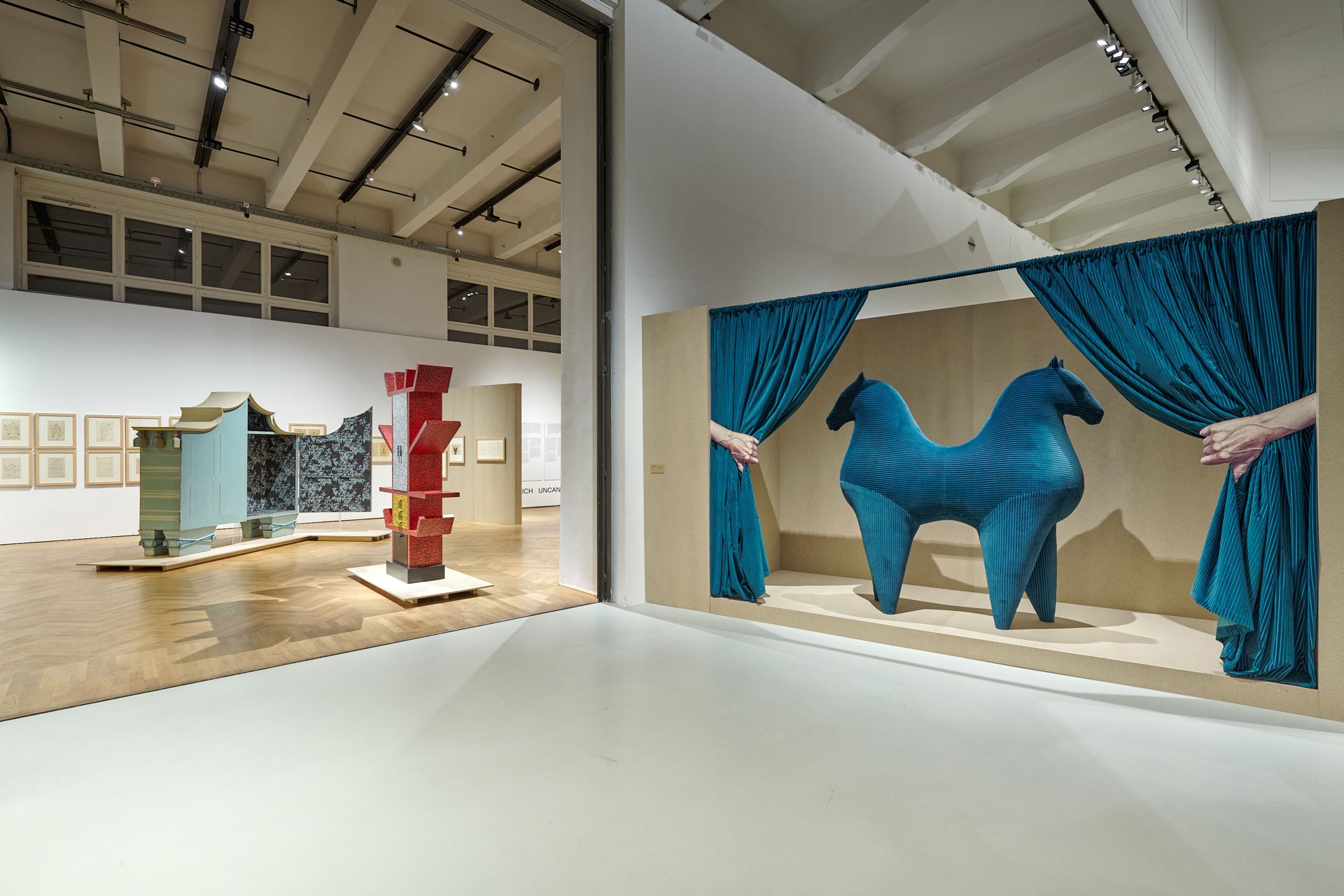
PECHE POP: Tracing Dagobert Peche in the 21st Century, MAK Exhibition View, 2024 © MAK/Christian Mendez
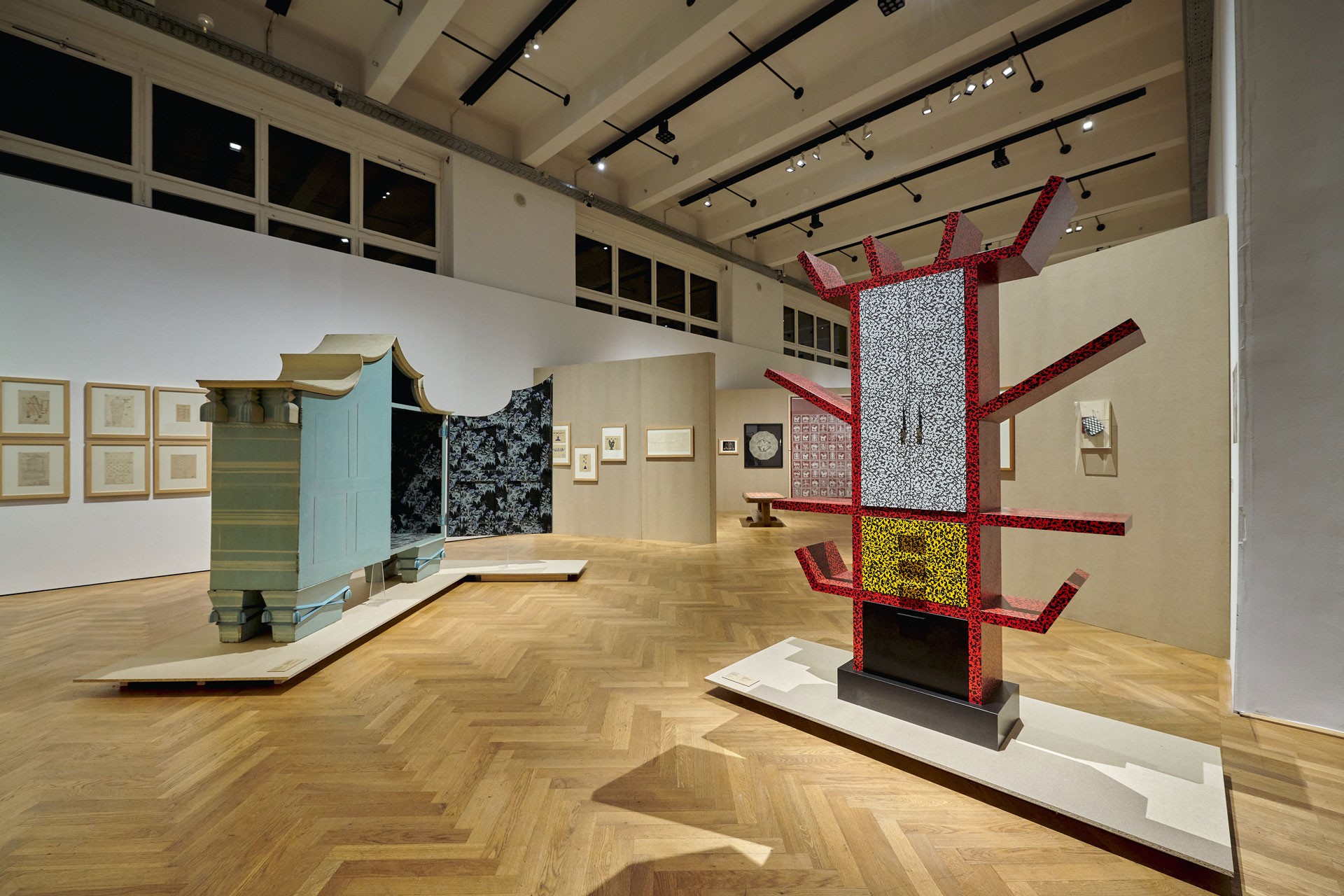
PECHE POP: Tracing Dagobert Peche in the 21st Century, MAK Exhibition View, 2024 © MAK/Christian Mendez
Related